Data Loggers
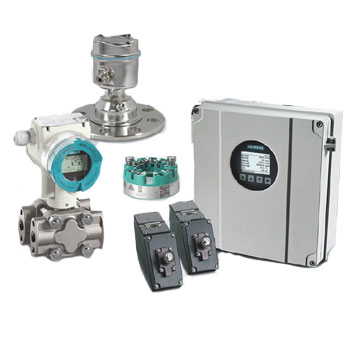
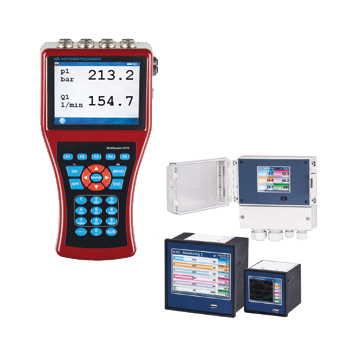
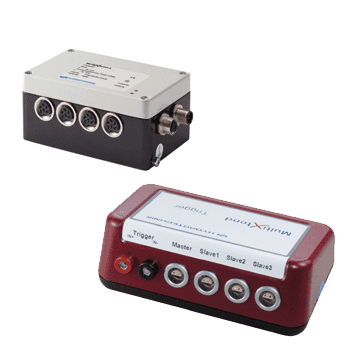
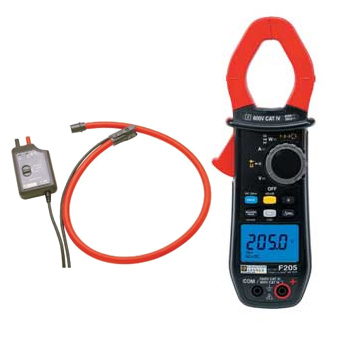
Data loggers are electronic measurement and recording devices used to capture and store physical or electrical parameters over defined time periods. They are applied in industrial processes, laboratory environments, environmental monitoring, quality assurance as well as research and development. Depending on the model, they measure variables such as temperature, humidity, pressure, voltage, current, speed, vibration or event data. Modern data loggers offer high accuracy, flexible sampling rates, long recording intervals and versatile connectivity options.
FAQ
Which parameters can data loggers measure?
Data loggers can record a wide range of parameters including temperature, humidity, pressure, voltage, current, CO₂, acceleration, vibration, light intensity, rotational speed or digital status signals. The available parameters depend on the sensor type and device design.
How is the measurement data stored?
Measurements are stored internally as time-stamped data series. Many devices use flash memory, SD cards or internal databases designed for long-duration logging.
What sampling rates are common?
Sampling rates range from seconds for fast signals to minutes or hours for slow environmental or process measurements. Configuration is done via software or directly on the device.
How is the data retrieved?
Typical interfaces include USB, Ethernet, Wi-Fi, Bluetooth or serial connections. Export formats often include CSV, Excel or proprietary analysis formats.
What power options do data loggers use?
Data loggers may operate on mains power, USB supply or batteries. Long-term logging devices usually feature low-power design or swappable batteries.
What should be considered when selecting a data logger?
Key criteria include measurement range, accuracy, memory capacity, sampling rate, number of channels, operating conditions, connectivity and software compatibility.
How are data loggers calibrated?
Calibration is performed using certified reference instruments or accredited calibration services. Some devices support automatic or semi-automatic adjustment functions.
What are the advantages of modern data loggers?
They provide long battery life, high accuracy, event recording, real-time transmission, alarm outputs, large storage capacity and advanced analysis tools.
What is a multi-channel data logger?
Multi-channel devices record several parameters simultaneously, either via integrated sensors or external modules. They are ideal for complex measurement tasks or parallel process monitoring.
Which protection ratings matter for outdoor use?
For outdoor applications, ratings such as IP65 or IP67 are common to protect against dust and moisture.