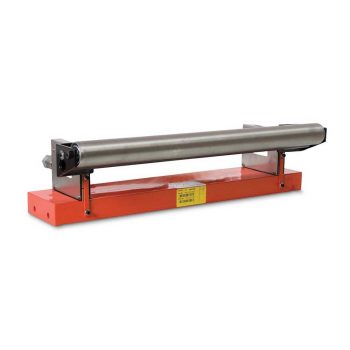
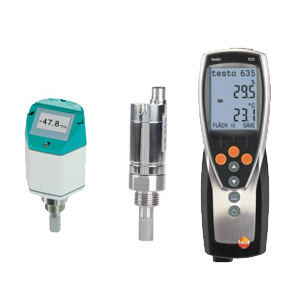
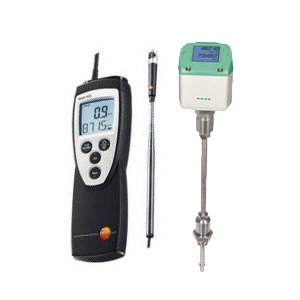





























• Rugged design
  • Compact, low-profile construction
  • Easy to retrofit
  • Cost-effective
  • Stainless steel load cells
  • Calibration weight included
Datasheet

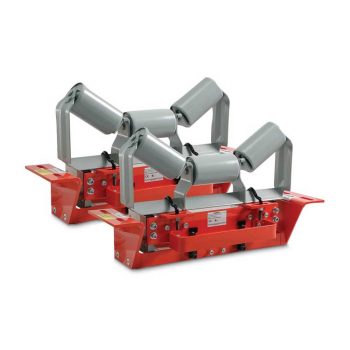
  • Unique parallelogram-style load cell design
  • Designed for light product loading
  • Compact and easy to install
  • System includes weighing idler
  • Stainless steel option available
  • Low cost of ownership
Datasheet

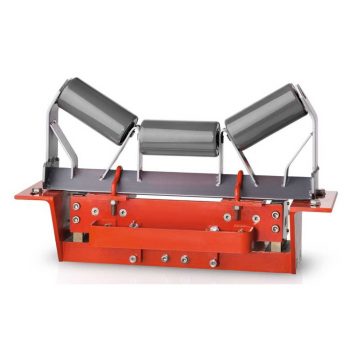
  • Exceptional accuracy and repeatability
  • Unique parallelogram-style load cell design
  • Suitable for uneven or light product loading
  • Capable of monitoring fast-moving belts
  • Low cost of ownership
  • NTEP, OIML, MID and Measurement Canada approved
Datasheet

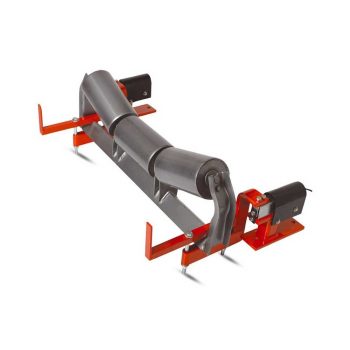
  • Outstanding accuracy and repeatability
  • Unique parallelogram style load cell design
  • Fast reaction to product loading; capable of monitoring fast-moving belts
  • Rugged construction
  • SABS approval (South Africa) and Measurement Canada, MID/OIML approval, GOST Metrological (Russia), CMC approval (China)
Datasheet

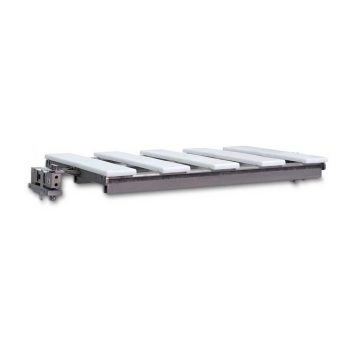
  • Unique modular design
  • Simple installation
  • Low cost
  • Easy retrofit
Datasheet

  • Simple installation
  • Long weigh span for more retention time on load cells
Datasheet

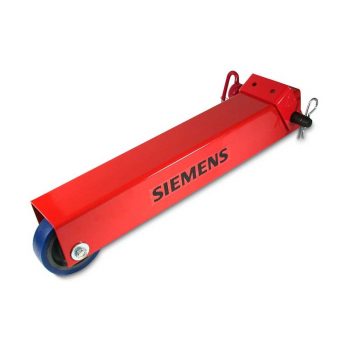
  • Rugged design

  • IP65 rated

  • Easy, low cost installation 

  • Accurate belt speed detection

Datasheet

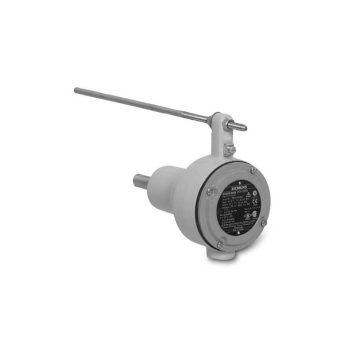
  • Rugged design
  • Easy and low-cost installation
  • Compact, low-profile speed sensor
  • IP65 rated
Datasheet

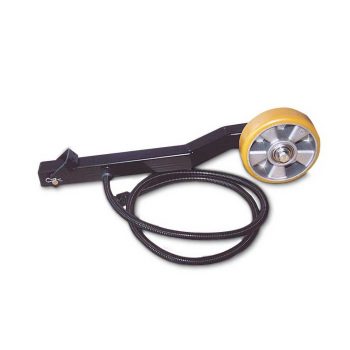
  • Light and rugged design, IP65 rated
  • Compact and economical
  • Easy and low-cost installation
  • Accurate belt speed measurement
  • Optional resolutions for precise measurement across a range of belt speeds
  • Corrosion resistant
Datasheet

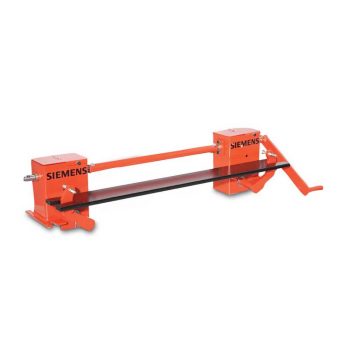
  • Safe and easy application of belt scale reference weights with the operator remaining external to the conveyor

  • Modular construction, easily adaptable to different conveyor widths

  • Low profile allowing easy fit into belt conveyor

  • Easy to install and apply

  • Easy to store drive handle that can be applied to left or right side of MWL

  • Security pin used to ensure safe storage of weight

  • Can be used with new and existing applications

Datasheet

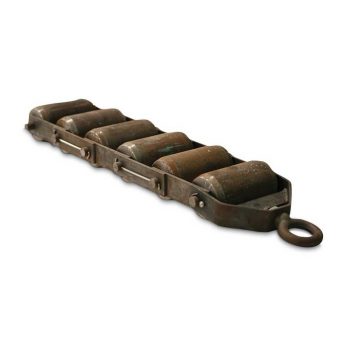
A test chain is a dynamic calibration tool used to simulate material loading on belt scales or weighfeeders.

Datasheet

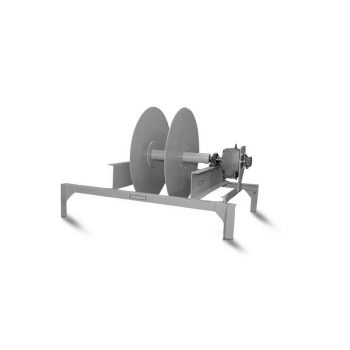
Test chain storage reels can electronically apply and retract calibration test chains.

Datasheet

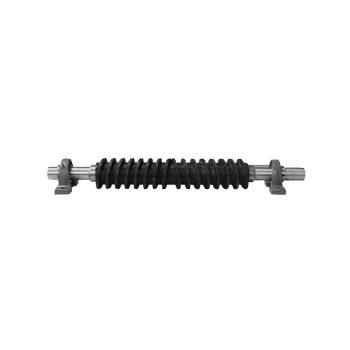
A bend pulley is an optional component to belt scale weighing systems. 

Datasheet


Belt Conveyor Scales – Continuous Weighing & Flow Monitoring on Conveyors

Belt conveyor scales (also known as belt weighers) are integrated weighing systems designed for conveyor belts. They continuously measure material flow by combining weight measurement with belt speed detection. Ideal for bulk material handling, process flows and monitoring product throughput. :contentReference[oaicite:0]{index=0}

Common applications include mining, cement and aggregate industries, recycling, chemical and food production. Key features include low installation depth, high precision load cells, modular measurement frames, and often retros fit-capability for existing belts. :contentReference[oaicite:1]{index=1}


FAQ about Belt Conveyor Scales

Answers regarding working principle, selection, installation, accuracy and error sources.

How does a belt conveyor scale work?

A belt scale measures the weight of material on the belt via one or more instrumented rollers or weighing sections and simultaneously detects belt speed (via a tachometer or encoder). From weight per unit belt length and belt speed, the throughput (kg/h, t/h) is calculated. :contentReference[oaicite:2]{index=2}

Where are belt conveyor scales used?

Typical areas include material processing plants (e.g., sand, gravel, coal), recycling facilities, cement and bulk-goods industries, food bulk handling and general process control where continuous measurement of material flow is required. :contentReference[oaicite:3]{index=3}

What criteria should I consider when selecting one?

Important factors include:

  • Belt width and belt speed (m/s) – matching the existing conveyor. :contentReference[oaicite:4]{index=4}
  • Expected throughput or capacity (t/h) and resolution/accuracy required. :contentReference[oaicite:5]{index=5}
  • Construction and mounting depth (so it fits under/within the existing belt structure). :contentReference[oaicite:6]{index=6}
  • Material properties (bulk density, abrasiveness, particle size) and environmental conditions (dust, moisture, temperature). :contentReference[oaicite:7]{index=7}
  • Integration requirements (output, data logging, control system). :contentReference[oaicite:8]{index=8}

How should installation and setup be done?

The weighing section must be mounted on a rigid frame; rollers should be level and aligned. Ensure no significant belt misalignment, sagging, side loading or mechanical interference. After mounting, calibration and verification of belt speed measurement must be performed. :contentReference[oaicite:9]{index=9}

What are common error sources?

  • Belt tracking issues or misalignment leading to uneven load distribution. :contentReference[oaicite:10]{index=10}
  • Temperature changes causing expansion/contraction of the belt or frame, affecting measurement. :contentReference[oaicite:11]{index=11}
  • Mechanical vibration, foreign matter underneath the weighing section or material build-up on rollers. :contentReference[oaicite:12]{index=12}
  • Incorrect or missing belt speed sensor or encoder, resulting in wrong throughput calculations. :contentReference[oaicite:13]{index=13}

What accuracy can be achieved?

Typical system accuracy for belt conveyor scales ranges from about ±0.25 % up to ±1.0 % of measured value under optimal conditions. :contentReference[oaicite:14]{index=14}

How can I request a quotation?

Please provide ICS Schneider Messtechnik with your existing belt width, conveyor speed, expected throughput (t/h), environment (dust, indoor/outdoor, temperature range), desired accuracy and any interface/data requirements. They will provide a tailored system solution.

Diese Website benutzt Cookies. Wenn du die Website weiter nutzt, gehen wir von deinem Einverständnis aus.