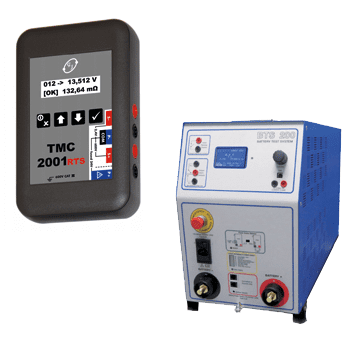
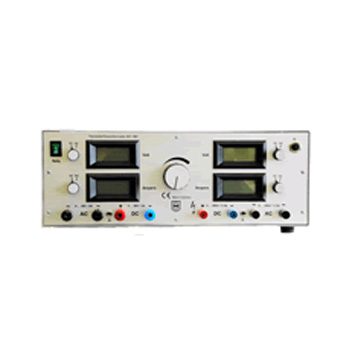
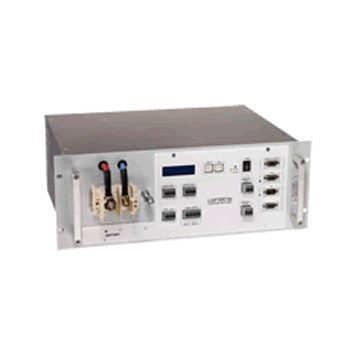
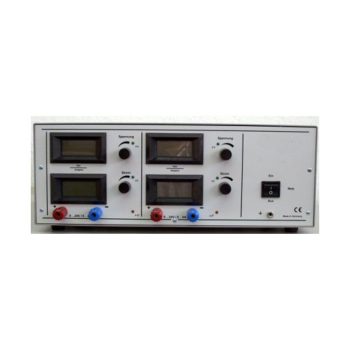
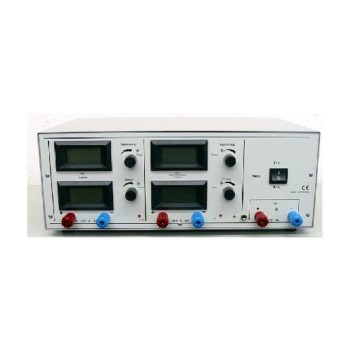
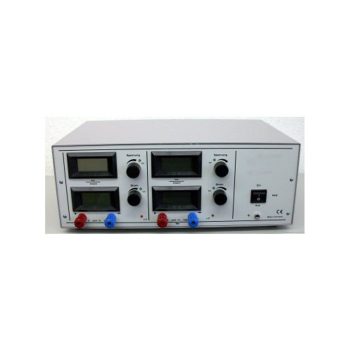
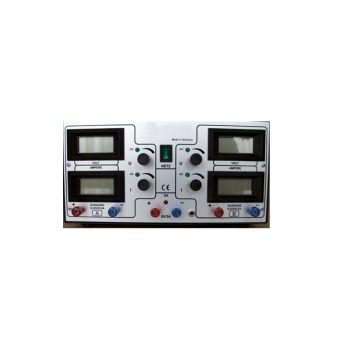
2x(0 - 35VDC / 0 - 5A) and 5V / 5A
Datasheet

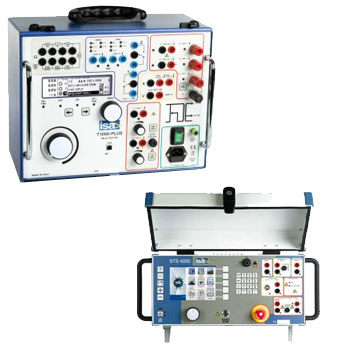
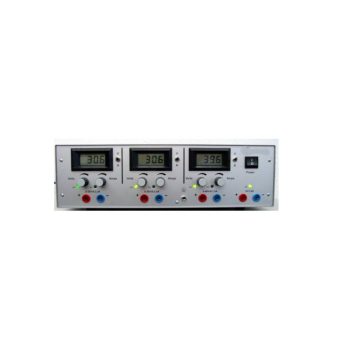
2x(0 - 24VDC / 0 - 10A) and 5V / 5A

Datasheet

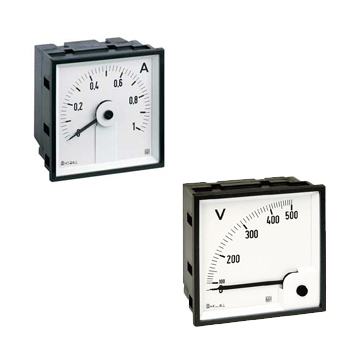
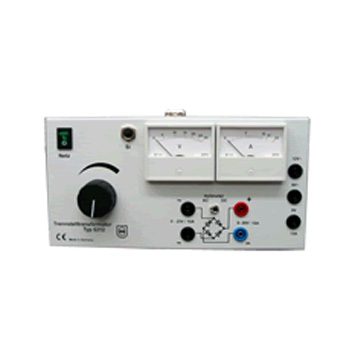
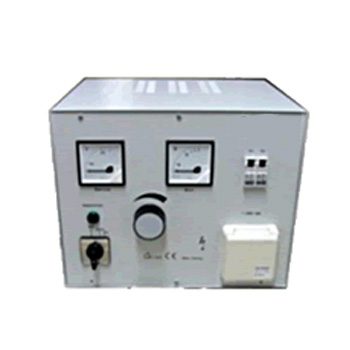
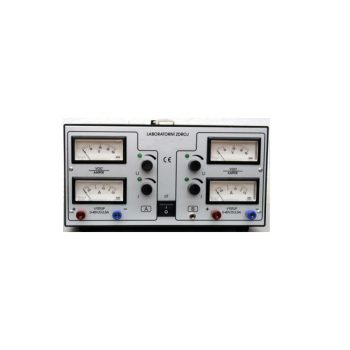
2x (0 - 40VDC / 0 - 2.5A) analog displays


Datasheet

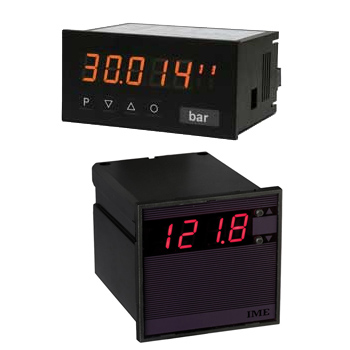
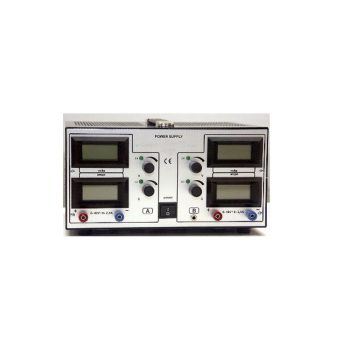
2x (0 - 40VDC / 0 - 2.5A) digital displays

Datasheet

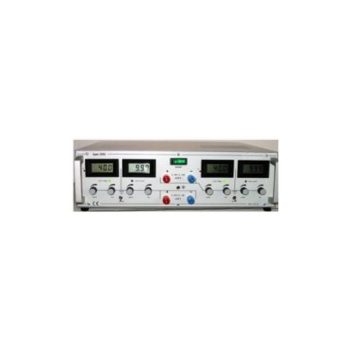
2x(0 - 32VDC / 0 - 3A) and 5V / 3A

Datasheet

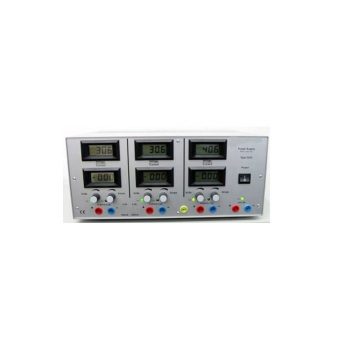
2x(0 - 30V / 0 - 2.5A); 0 - 40V / 1.5A; 5V / 3A

Datasheet

2x(0 - 30V / 0 - 2.5A); 0 - 40V / 1.5A; 5V / 3A

Datasheet


Multi-Output Laboratory Power Supplies

Multi-output laboratory power supplies provide several independently regulated output channels. They enable simultaneous supply of different voltages and currents — ideal for complex test setups, calibration stations, or electronic systems requiring multiple supply rails. Independent regulation per channel allows multiple devices or circuits to operate in parallel without mutual influence. Often, each output includes separate voltage/current displays and protective functions.

Parameter Typical Specification / Options
Number of Outputs 2-, 3- or more channels
Output Voltages e.g. 0–5 V, 0–12 V, 0–24 V, 0–30 V depending on channel and model
Output Currents e.g. 0–1 A, 0–3 A, 0–5 A or higher per channel
Operating Modes CV (Constant Voltage) or CC (Constant Current) per output
Displays per Output Separate voltage and current indicators — digital or analog
Protection per Channel Short-circuit, overload and over-current protection
Flexibility Independent setting per channel, stable separation of loads

Questions & Answers on Multi-Output Laboratory Power Supplies

What is a multi-output laboratory power supply?
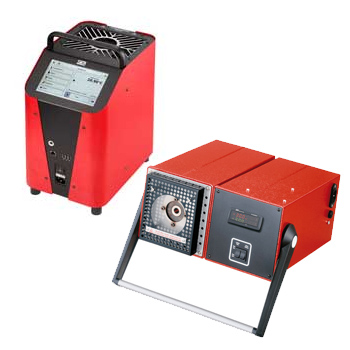
A multi-output laboratory power supply provides multiple independent DC outputs, each with its own regulation, allowing supply of different voltages or currents to several circuits or devices simultaneously.

When are multi-output supplies particularly useful?
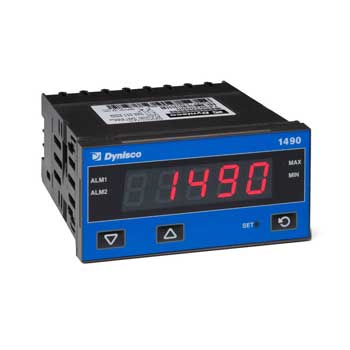
They are especially useful in scenarios such as test benches, complex measurement or calibration setups, control or electronics systems with multiple supply rails, or circuits requiring different voltages or currents simultaneously.

What advantages does independent supply of multiple circuits offer?

Each output can be independently adjusted in voltage and current. Load changes or fluctuations on one channel do not influence the others — this ensures stable and reliable operation and prevents undesired interactions between circuits.

How to choose the output parameters for each channel?

For every channel, determine the required maximum voltage and current for the connected load. Choose a supply that covers these values with sufficient margin. Use independent regulation to adapt each output to the load’s requirements.

Why are protection features per output important?

Individual protection for each channel (e.g. against short-circuit or overload) isolates faults in one circuit without affecting other outputs — enhancing overall system reliability and safety, especially in complex or mission-critical setups.

Which operation modes are available per channel?

Each channel can usually be operated in Constant Voltage (CV) or Constant Current (CC) mode depending on the needs of the specific circuit or device.

How important are separate displays for each output?

Separate displays per channel enable precise monitoring of voltage and current on each supply rail, facilitate fault detection and allow safe, controlled operation — especially important when dealing with sensitive electronics or multiple subsystems.

Can a multi-output supply replace multiple single-output units?

Yes — in many cases a multi-output supply can replace several separate power supplies, saving space, simplifying wiring and centralising power distribution, while maintaining flexibility and control.

In which situations might a multi-output supply be overkill?

If only a single stable supply is needed, or separate supplies are preferred for isolation or simplicity, a multi-output supply may be unnecessarily complex and more expensive than required.

What should be considered regarding load distribution when using a multi-output supply?

Estimate the total and per-channel load realistically. Ensure that no channel is consistently operated near its limit, and avoid excessive unused capacity. Proper distribution and margin planning ensures efficient and stable operation.

Diese Website benutzt Cookies. Wenn du die Website weiter nutzt, gehen wir von deinem Einverständnis aus.