


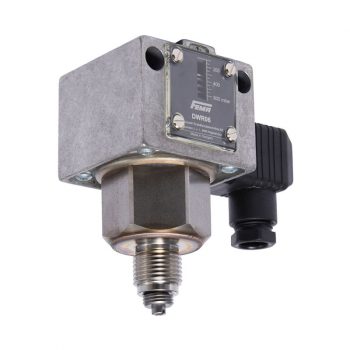
- Pressure Monitor
- Adjustment Range: 0.1...0.6 bar
- Maximum Allowable Pressure: 6 bar
- Adjustable Switching Differential

 Datasheet |
- Pressure Monitor
- Adjustment Range: 0.1...0.6 bar
- Maximum Allowable Pressure: 6 bar
- Gold-Plated Contacts
|
Datasheet
|
- Pressure Monitor
- Adjustment Range: 0.1...0.6 bar
- Maximum Allowable Pressure: 6 bar
- Gold-Plated Contacts
- Terminal Connection
|
Datasheet
|
- Pressure Monitor
- Adjustment Range: 0.1...0.6 bar
- Maximum Allowable Pressure: 6 bar
- Surface Protection
- IP65
|
Datasheet
|
- Pressure Monitor
- Adjustment Range: 0.1...0.6 bar
- Maximum Allowable Pressure: 6 bar
- IP65
- Gold-Plated Contacts
|
Datasheet
|
- Pressure Monitor
- Adjustment Range: 0.1...0.6 bar
- Maximum Allowable Pressure: 6 bar
- Surface Protection
- IP65
- Gold-Plated Contacts
|
Datasheet
|
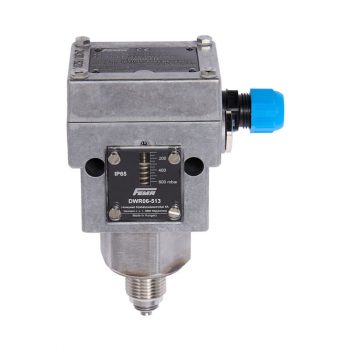
- Pressure Monitor
- Adjustment Range: 0.1...0.6 bar
- Maximum Allowable Pressure: 6 bar
- Gold-Plated Contacts
- Ex i Intrinsically Safe

|
Datasheet
|
- Pressure Monitor for Fuel Gases, Liquid Fuels and Steam, SPCO
- Switching Differential Not Adjustable
- Adjustment Range: 0.1...0.6 bar
- Switching Differential: 10...50 mbar
- Maximum Pressure: 6 bar
- Gold-Plated Contacts
- With Service Function
- Ex i Intrinsically Safe
|
Datasheet
|

- Pressure Monitor for Fuel Gases, Liquid Fuels and Steam, SPCO
- Non-Adjustable Differential
- Adjustment Range: 0.2...1.6 bar
- Switching Differential: 40 ... 100 mbar
- Max. Pressure: 6 bar
|
Datasheet
|
- Pressure Monitor
- Adjustment Range: 0.2...1.6 bar
- Maximum Allowable Pressure: 6 bar
- Adjustable Switching Differential
|
Datasheet
|
- Pressure switch
- Adjustment range: 0.2...1.6 bar
- Maximum permissible pressure: 6 bar
- Gold-plated contacts
|
Datasheet
|
- Pressure Monitor
- Adjustment Range: 0.2...1.6 bar
- Maximum Allowable Pressure: 6 bar
- Housing with Surface Protection Coating
|
Datasheet
|
- Pressure Monitor of the DWR1 Series
- Adjustment Range: 0.2...1.6 bar
- Maximum Allowable Pressure: 6 bar
- Maximum Pressure Limiter
|
Datasheet
|
- Pressure Switch
- Adjustment Range: 0.2...1.6 bar
- Maximum Allowable Pressure: 6 bar
- Gold-Plated Contacts
- Ex i Intrinsically Safe
|
Datasheet
|

- Pressure switch 3...16 bar
- Maximum permissible pressure: 25 bar
- Adjustable switching differential
|
Datasheet
|

- Pressure switch for fuel gases, liquid fuels and steam, SPCO
- Non-adjustable differential
- Adjustment range: 3...16 bar
- Switching differential: 0.2 ... 0.6 bar
- Max. pressure: 25 bar
- Connection
- With service function
|
Datasheet
|

- Pressure switch 3...16 bar
- Maximum permissible pressure: 25 bar
- Maximum limiter
- Terminal connection
|
Datasheet
|
- Pressure Monitor for Fuel Gases, Liquid Fuels and Steam, SPCO
- Switching Differential Not Adjustable
- Adjustment Range: 3...16 bar
- Switching Differential: 0.2...0.6 bar
- Maximum Pressure: 25 bar
- Connection
- With Service Function
|
Datasheet
|
- Druckwächter 3-16 bar
- 25 bar Max. zulässiger Druck
- Oberflächenschutz
- IP65
- vergoldete Kontakte
|
Datenblatt
|
- Pressure switch for fuel gases, liquid fuels and steam, SPCO
- Non-adjustable differential
- Adjustment range: 3...16 bar
- Switching differential: 0.2...0.6 bar
- Max. pressure: 25 bar
- Gold-plated contacts
- Plastic-coated housing
- With service function
|
Datasheet
|
- Pressure Monitor 3...16 bar
- Maximum Allowable Pressure: 16 bar
- Gold-Plated Contacts
- Ex i Intrinsically Safe
|
Datasheet
|
- Pressure Monitor
- Adjustment Range: 3 to 16 bar
- Tolerance: 0.2 to 0.6 bar
- Maximum Allowable Pressure: 16 bar
|
Datasheet
|
- Pressure Monitor
- Adjustment Range: 3 to 16 bar
- Tolerance: 0.40 to 0.81 bar
- Maximum Allowable Pressure: 25 bar
|
Datasheet
|

- Pressure switch 4...25 bar
- Maximum permissible pressure: 63 bar
- Adjustable switching differential
|
Datasheet
|

- Pressure Monitor 4...25 bar
- Maximum Allowable Pressure: 63 bar
- Surface Protection
- IP65
- Gold-Plated Contacts
|
Datasheet
|
- Pressure Monitor 4...25 bar
- Maximum Allowable Pressure: 63 bar
- Gold-Plated Contacts
- Ex i Intrinsically Safe
|
Datasheet
|
- Pressure Monitor 4...25 bar
- Maximum Allowable Pressure: 63 bar
- Gold-Plated Contacts
- Ex i Intrinsically Safe
|
Datasheet
|
- Pressure switch for fuel gases, liquid fuels and steam, SPCO
- Adjustable differential
- Adjustment range: 8...40 bar
- Switching differential: 2.3 ... 6.6 bar
- Max. pressure: 63 bar
- Connection
|
Datasheet
|
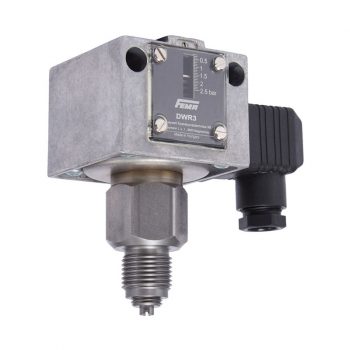
- Pressure Monitor
- Adjustment Range: 0.2...2.5 bar
- Maximum Allowable Pressure: 16 bar
- Adjustable Switching Differential
|
Datasheet
|
- Pressure switch
- Adjustment range: 0.2...2.5 bar
- Maximum permissible pressure: 16 bar
- Gold-plated contacts
|
Datasheet
|
- Pressure switch
- Adjustment range: 0.2...2.5 bar
- Maximum permissible pressure: 16 bar
- Terminal connection
|
Datasheet
|
- Pressure Monitor
- Adjustment Range: 0.2...2.5 bar
- Maximum Allowable Pressure: 16 bar
- Gold-Plated Contacts
- Terminal Connection
|
Datasheet
|
- Pressure Monitor
- Adjustment Range: 0.2...2.5 bar
- Maximum Allowable Pressure: 16 bar
- Minimum Pressure Limiter
- Surface Protection IP65
|
Datasheet
|
- Pressure Monitor
- Adjustment Range: 0.2...2.5 bar
- Maximum Allowable Pressure: 16 bar
- Surface Protection
- IP65
- Gold-Plated Contacts
|
Datasheet
|
- Pressure Monitor
- Adjustment Range: 0.2...2.5 bar
- Maximum Allowable Pressure: 6 bar
- Maximum Allowable Pressure: 16 bar
- Gold-Plated Contacts
- Ex-i
|
Datasheet
|
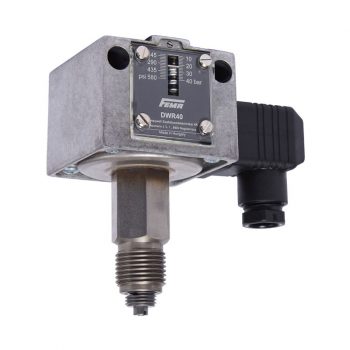
- Pressure Monitor 8...40 bar
- Maximum Allowable Pressure: 63 bar
- Adjustable Switching Differential
|
Datasheet
|
- Pressure switch for fuel gases, liquid fuels and steam, SPCO
- Non-adjustable differential
- Adjustment range: 8...40 bar
- Switching differential: 0.8 ... 1.6 bar
- Max. pressure: 63 bar
- Connection
- With service function
|
Datasheet
|
- Pressure switch for fuel gases, liquid fuels and steam, SPCO
- Non-adjustable differential
- Adjustment range: 8...40 bar
- Switching differential: 0.8 ... 1.6 bar
- Max. pressure: 63 bar
- Gold-plated contacts
- Plastic-coated housing
|
Datasheet
|
- Pressure switch for fuel gases, liquid fuels and steam, SPCO
- Non-adjustable differential
- Adjustment range: 8...40 bar
- Switching differential: 0.8 ... 1.6 bar
- Max. pressure: 63 bar
- Gold-plated contacts
- EX-i
|
Datasheet
|
- Pressure switch
- Adjustment range: 0.5...6 bar
- Maximum permissible pressure: 16 bar
- Adjustable switching differential
|
Datasheet
|
- Pressure switch
- Adjustment range: 0.5...6 bar
- Maximum permissible pressure: 16 bar
- Adjustable switching differential
|
Datasheet
|
- Pressure switch
- Adjustment range: 0.5...6 bar
- Maximum permissible pressure: 16 bar
- Gold-plated contacts
|
Datasheet
|
- Pressure switch for fuel gases, liquid fuels and steam, SPCO
- Non-adjustable differential
- Adjustment range: 0.5...6 bar
- Switching differential: 0.08 ... 0.3 bar
- Max. pressure: 16 bar
- Gold-plated contacts
- With service function
|
Datasheet
|

- Pressure switch
- Adjustment range: 0.5...6 bar
- Maximum permissible pressure: 16 bar
- Terminal connection
|
Datasheet
|
- Pressure switch
- Adjustment range: 0.5...6 bar
- Maximum permissible pressure: 16 bar
- Terminal connection
|
Datasheet
|
- Pressure switch
- Adjustment range: 0.5...6 bar
- Maximum permissible pressure: 16 bar
- Maximum limiter
- Terminal connection
|
Datasheet
|

- Pressure switch
- Adjustment range: 0.5...6 bar
- Maximum permissible pressure: 16 bar
- Min. limiter
- Terminal connection
|
Datasheet
|

- Pressure switch for fuel gases, liquid fuels and steam, SPCO
- Non-adjustable differential
- Adjustment range: 0.5...6 bar
- Switching differential: 0.08 ... 0.3 bar
- Max. pressure: 16 bar
- Gold-plated contacts
- Connection
|
Datasheet
|
- Pressure switch
- Adjustment range: 0.5...6 bar
- Maximum permissible pressure: 16 bar
- Gold-plated contacts
- Ex-i
|
Datasheet
|
- Pressure switch for fuel gases, liquid fuels and steam, SPCO
- Non-adjustable differential
- Adjustment range: 0.5...6 bar
- Switching differential: 0.08 ... 0.3 bar
- Max. pressure: 16 bar
- Gold-plated contacts
- With service function
- EX-i
|
Datasheet
|
- Minimum pressure switch for fuel gases, liquid fuels and steam, SPCO
- Non-adjustable differential
- Adjustment range: 0.5...6 bar
- Switching differential: 0.08 ... 0.3 bar
- Max. pressure: 16 bar
- With open-circuit and short-circuit monitor, with service function
|
Datasheet
|
- Pressure switch
- 0.5...6 bar adjustment range
- 25 bar maximum permissible pressure
- IP54
- Minimum pressure limiter
|
Datasheet
|
- Pressure switch for fuel gases, liquid fuels and steam, SPCO
- Non-adjustable differential
- Adjustment range: 0.5...6 bar
- Switching differential: 0.08 ... 0.3 bar
- Max. pressure: 25 bar
- Gold-plated contacts
|
Datasheet
|
- Pressure switch for fuel gases, liquid fuels and steam, SPCO
- Non-adjustable differential
- Adjustment range: 0.5...6 bar
- Switching differential: 0.08 ... 0.3 bar
- Max. pressure: 25 bar
- Gold-plated contacts
- With service function
|
Datasheet
|
- Pressure switch
- Adjustment range: 0.5...6 bar
- Maximum permissible pressure: 25 bar
- Terminal connection
|
Datasheet
|
- Pressure switch
- Adjustment range: 0.5...6 bar
- Maximum permissible pressure: 25 bar
- Terminal connection
|
Datasheet
|
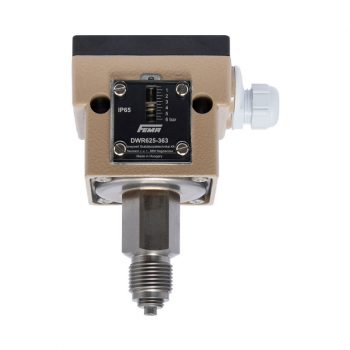
- Pressure switch
- Adjustment range: 0.5...6 bar
- Maximum permissible pressure: 25 bar
- Surface protection
- IP65
- Gold-plated contacts
|
Datasheet
|
- Pressure switch
- Adjustment range: 0.5...6 bar
- Maximum permissible pressure: 25 bar
- Surface protection
- IP65
- Gold-plated contacts
|
Datasheet
|
- Pressure switch
- Adjustment range: 0.5...6 bar
- Maximum permissible pressure: 25 bar
- Gold-plated contacts
- Ex-i
|
Datasheet
|

DWR Pressure Monitors According to Pressure Equipment Directive 2014/68/EU
FEMA DWR pressure monitors and pressure limiters are used for safety-related monitoring of pressure limits in systems with fuel gases, liquid fuels, steam and hot water. They are suitable for applications where maximum or minimum pressure must be monitored reliably and a switching function must be triggered when a defined limit value is reached.
The DWR series is particularly suitable as a pressure monitor or pressure limiter for fuel gases according to DVGW worksheet G 260 and liquid fuels such as heating oil. It is also used in steam systems and hot water systems according to DIN EN 12828. Applications according to DIN EN 12952-11 and DIN EN 12953-9 are also typical areas of use.
As a pressure switch of special construction, the DWR is designed for safety-related applications. The devices have been tested with 2 million switching cycles. TÜV and DVGW approvals are available. This makes the series suitable for systems where tested pressure monitoring, operational safety and standards-compliant design are important.
The DWR series is calibrated for rising pressure. This means that the switching pressure set on the scale corresponds to the switching point at rising pressure. The reset point is lower by the amount of the switching differential. In versions with adjustable switching differential, for example certain -203 types, the switching differential can be adapted to the application.
The devices operate mechanically and require no auxiliary power for pressure detection. The applied pressure acts on a measuring element which actuates a microswitch. The switching signal can be used for shutdown, alarm, lockout or release functions in a system control.
Typical Applications
- Pressure monitoring in fuel gas systems according to DVGW worksheet G 260
- Monitoring of liquid fuels, for example heating oil
- Maximum pressure monitoring in steam systems
- Minimum pressure monitoring in burner and supply systems
- Pressure monitoring in hot water systems according to DIN EN 12828
- Applications according to DIN EN 12952-11 and DIN EN 12953-9
- Safety shutdown in case of inadmissible pressure increase or pressure drop
Advantages of FEMA DWR Pressure Monitors
- For safety-related applications: suitable as pressure monitor or pressure limiter
- For fuel gases and liquid fuels: suitable for fuel gases according to DVGW worksheet G 260 and heating oil
- For steam and hot water: suitable for steam systems and hot water systems according to DIN EN 12828
- Maximum and minimum pressure monitoring: suitable for upper and lower pressure limits
- Tested special construction: tested with 2 million switching cycles
- TÜV and DVGW approvals: suitable for applications with corresponding testing and approval requirements
- Robust design: housing made of seawater-resistant die-cast aluminium
DWR Pressure Monitors at ICS Schneider
ICS Schneider offers FEMA DWR pressure monitors and pressure limiters for tested pressure monitoring tasks in safety-related systems. The devices are particularly suitable for operators, plant manufacturers and service companies that require a mechanical, tested and robust solution for fuel gas, heating oil, steam or hot water applications.
When selecting the correct DWR device, the medium, pressure range, required switching point, function as pressure monitor or pressure limiter, maximum or minimum pressure, switching differential, electrical switching capacity, temperature, process connection, installation situation and required approvals should be considered. For safety-related applications, the design should always be based on the specific plant data and applicable regulations.
FAQ – Frequently Asked Questions about FEMA DWR Pressure Monitors According to PED
1. What is a FEMA DWR pressure monitor?
A FEMA DWR pressure monitor is a mechanical switching device used to monitor pressure limits. It can be used for maximum or minimum pressure monitoring and provides an electrical signal when the set switching point is reached.
2. Which media is the DWR series suitable for?
The DWR series is particularly suitable for fuel gases according to DVGW worksheet G 260, liquid fuels such as heating oil, steam and hot water. Exact suitability must be checked based on the technical data and operating conditions.
3. What does PED mean for DWR pressure monitors?
PED refers to the Pressure Equipment Directive 2014/68/EU. It is relevant for pressure equipment and safety-related accessories in pressurised systems.
4. Can the DWR be used as a pressure limiter?
Yes. Depending on the version, the DWR series can be used as a pressure monitor or pressure limiter. Pressure limiters are mainly used for safety-related shutdown functions.
5. Is the DWR suitable for maximum and minimum pressure monitoring?
Yes. The DWR series is used for monitoring maximum and minimum pressures. It can therefore trigger a switching function at both excessive and insufficient pressure.
6. Which systems is DWR typically used in?
Typical systems include fuel gas installations, heating oil systems, steam systems, hot water systems, boiler systems, burner controls, energy systems and industrial process plants.
7. What does “calibrated for rising pressure” mean?
This means that the switching pressure set on the scale corresponds to the switching point when the pressure is rising. The reset point is lower by the amount of the switching differential.
8. Is the switching differential adjustable?
In certain versions, for example types marked -203, the switching differential is adjustable. In other versions it is fixed.
9. Which approvals and tests are available for DWR?
The DWR series is tested as a pressure switch of special construction with 2 million switching cycles. TÜV and DVGW approvals are available.
10. Does a DWR pressure monitor require a supply voltage?
No supply voltage is required for pressure detection itself. The pressure acts mechanically on a measuring element. An electrical connection is only required for the switching contact.
11. Are Ex versions of the DWR series available?
Yes. Ex-DWR versions are available for certain applications. These are intended for potentially explosive atmospheres and must be integrated according to the corresponding Ex requirements.
12. What information is important for selecting the correct device?
Important information includes the medium, pressure range, required switching point, function as maximum or minimum pressure monitoring, switching differential, temperature, process connection, electrical switching capacity, approvals and installation situation.