


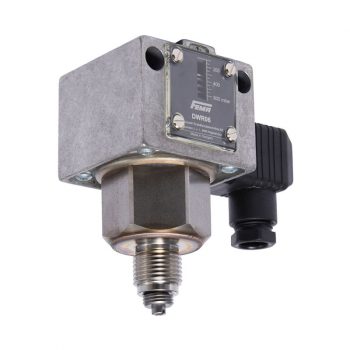
- Pressure Monitor
- Adjustment Range: 0.1...0.6 bar
- Maximum Allowable Pressure: 6 bar
- Adjustable Switching Differential

 Datasheet |
- Pressure Monitor
- Adjustment Range: 0.1...0.6 bar
- Maximum Allowable Pressure: 6 bar
- Gold-Plated Contacts
|
Datasheet
|
- Pressure Monitor
- Adjustment Range: 0.1...0.6 bar
- Maximum Allowable Pressure: 6 bar
- Gold-Plated Contacts
- Terminal Connection
|
Datasheet
|
- Pressure Monitor
- Adjustment Range: 0.1...0.6 bar
- Maximum Allowable Pressure: 6 bar
- Surface Protection
- IP65
|
Datasheet
|
- Pressure Monitor
- Adjustment Range: 0.1...0.6 bar
- Maximum Allowable Pressure: 6 bar
- IP65
- Gold-Plated Contacts
|
Datasheet
|
- Pressure Monitor
- Adjustment Range: 0.1...0.6 bar
- Maximum Allowable Pressure: 6 bar
- Surface Protection
- IP65
- Gold-Plated Contacts
|
Datasheet
|
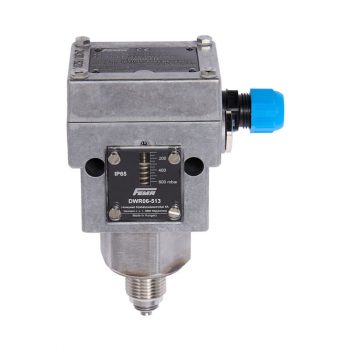
- Pressure Monitor
- Adjustment Range: 0.1...0.6 bar
- Maximum Allowable Pressure: 6 bar
- Gold-Plated Contacts
- Ex i Intrinsically Safe

|
Datasheet
|
- Pressure Monitor for Fuel Gases, Liquid Fuels and Steam, SPCO
- Switching Differential Not Adjustable
- Adjustment Range: 0.1...0.6 bar
- Switching Differential: 10...50 mbar
- Maximum Pressure: 6 bar
- Gold-Plated Contacts
- With Service Function
- Ex i Intrinsically Safe
|
Datasheet
|

- Pressure Monitor for Fuel Gases, Liquid Fuels and Steam, SPCO
- Non-Adjustable Differential
- Adjustment Range: 0.2...1.6 bar
- Switching Differential: 40 ... 100 mbar
- Max. Pressure: 6 bar
|
Datasheet
|
- Pressure Monitor
- Adjustment Range: 0.2...1.6 bar
- Maximum Allowable Pressure: 6 bar
- Adjustable Switching Differential
|
Datasheet
|
- Pressure switch
- Adjustment range: 0.2...1.6 bar
- Maximum permissible pressure: 6 bar
- Gold-plated contacts
|
Datasheet
|
- Pressure Monitor
- Adjustment Range: 0.2...1.6 bar
- Maximum Allowable Pressure: 6 bar
- Housing with Surface Protection Coating
|
Datasheet
|
- Pressure Monitor of the DWR1 Series
- Adjustment Range: 0.2...1.6 bar
- Maximum Allowable Pressure: 6 bar
- Maximum Pressure Limiter
|
Datasheet
|
- Pressure Switch
- Adjustment Range: 0.2...1.6 bar
- Maximum Allowable Pressure: 6 bar
- Gold-Plated Contacts
- Ex i Intrinsically Safe
|
Datasheet
|

- Pressure switch 3...16 bar
- Maximum permissible pressure: 25 bar
- Adjustable switching differential
|
Datasheet
|

- Pressure switch for fuel gases, liquid fuels and steam, SPCO
- Non-adjustable differential
- Adjustment range: 3...16 bar
- Switching differential: 0.2 ... 0.6 bar
- Max. pressure: 25 bar
- Connection
- With service function
|
Datasheet
|

- Pressure switch 3...16 bar
- Maximum permissible pressure: 25 bar
- Maximum limiter
- Terminal connection
|
Datasheet
|
- Pressure Monitor for Fuel Gases, Liquid Fuels and Steam, SPCO
- Switching Differential Not Adjustable
- Adjustment Range: 3...16 bar
- Switching Differential: 0.2...0.6 bar
- Maximum Pressure: 25 bar
- Connection
- With Service Function
|
Datasheet
|
- Druckwächter 3-16 bar
- 25 bar Max. zulässiger Druck
- Oberflächenschutz
- IP65
- vergoldete Kontakte
|
Datenblatt
|
- Pressure switch for fuel gases, liquid fuels and steam, SPCO
- Non-adjustable differential
- Adjustment range: 3...16 bar
- Switching differential: 0.2...0.6 bar
- Max. pressure: 25 bar
- Gold-plated contacts
- Plastic-coated housing
- With service function
|
Datasheet
|
- Pressure Monitor 3...16 bar
- Maximum Allowable Pressure: 16 bar
- Gold-Plated Contacts
- Ex i Intrinsically Safe
|
Datasheet
|
- Pressure Monitor
- Adjustment Range: 3 to 16 bar
- Tolerance: 0.2 to 0.6 bar
- Maximum Allowable Pressure: 16 bar
|
Datasheet
|
- Pressure Monitor
- Adjustment Range: 3 to 16 bar
- Tolerance: 0.40 to 0.81 bar
- Maximum Allowable Pressure: 25 bar
|
Datasheet
|

- Pressure switch 4...25 bar
- Maximum permissible pressure: 63 bar
- Adjustable switching differential
|
Datasheet
|

- Pressure Monitor 4...25 bar
- Maximum Allowable Pressure: 63 bar
- Surface Protection
- IP65
- Gold-Plated Contacts
|
Datasheet
|
- Pressure Monitor 4...25 bar
- Maximum Allowable Pressure: 63 bar
- Gold-Plated Contacts
- Ex i Intrinsically Safe
|
Datasheet
|
- Pressure Monitor 4...25 bar
- Maximum Allowable Pressure: 63 bar
- Gold-Plated Contacts
- Ex i Intrinsically Safe
|
Datasheet
|
- Pressure switch for fuel gases, liquid fuels and steam, SPCO
- Adjustable differential
- Adjustment range: 8...40 bar
- Switching differential: 2.3 ... 6.6 bar
- Max. pressure: 63 bar
- Connection
|
Datasheet
|
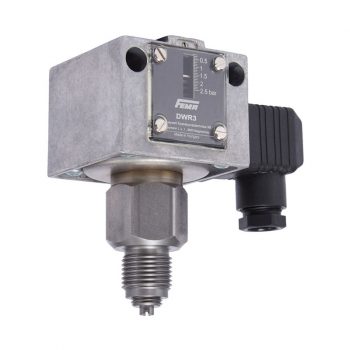
- Pressure Monitor
- Adjustment Range: 0.2...2.5 bar
- Maximum Allowable Pressure: 16 bar
- Adjustable Switching Differential
|
Datasheet
|
- Pressure switch
- Adjustment range: 0.2...2.5 bar
- Maximum permissible pressure: 16 bar
- Gold-plated contacts
|
Datasheet
|
- Pressure switch
- Adjustment range: 0.2...2.5 bar
- Maximum permissible pressure: 16 bar
- Terminal connection
|
Datasheet
|
- Pressure Monitor
- Adjustment Range: 0.2...2.5 bar
- Maximum Allowable Pressure: 16 bar
- Gold-Plated Contacts
- Terminal Connection
|
Datasheet
|
- Pressure Monitor
- Adjustment Range: 0.2...2.5 bar
- Maximum Allowable Pressure: 16 bar
- Minimum Pressure Limiter
- Surface Protection IP65
|
Datasheet
|
- Pressure Monitor
- Adjustment Range: 0.2...2.5 bar
- Maximum Allowable Pressure: 16 bar
- Surface Protection
- IP65
- Gold-Plated Contacts
|
Datasheet
|
- Pressure Monitor
- Adjustment Range: 0.2...2.5 bar
- Maximum Allowable Pressure: 6 bar
- Maximum Allowable Pressure: 16 bar
- Gold-Plated Contacts
- Ex-i
|
Datasheet
|
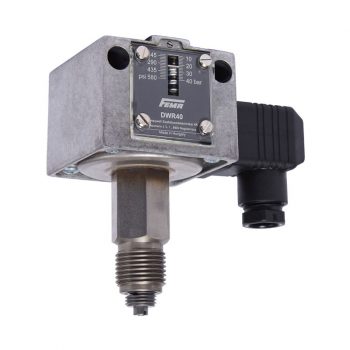
- Pressure Monitor 8...40 bar
- Maximum Allowable Pressure: 63 bar
- Adjustable Switching Differential
|
Datasheet
|
- Pressure switch for fuel gases, liquid fuels and steam, SPCO
- Non-adjustable differential
- Adjustment range: 8...40 bar
- Switching differential: 0.8 ... 1.6 bar
- Max. pressure: 63 bar
- Connection
- With service function
|
Datasheet
|
- Pressure switch for fuel gases, liquid fuels and steam, SPCO
- Non-adjustable differential
- Adjustment range: 8...40 bar
- Switching differential: 0.8 ... 1.6 bar
- Max. pressure: 63 bar
- Gold-plated contacts
- Plastic-coated housing
|
Datasheet
|
- Pressure switch for fuel gases, liquid fuels and steam, SPCO
- Non-adjustable differential
- Adjustment range: 8...40 bar
- Switching differential: 0.8 ... 1.6 bar
- Max. pressure: 63 bar
- Gold-plated contacts
- EX-i
|
Datasheet
|
- Pressure switch
- Adjustment range: 0.5...6 bar
- Maximum permissible pressure: 16 bar
- Adjustable switching differential
|
Datasheet
|
- Pressure switch
- Adjustment range: 0.5...6 bar
- Maximum permissible pressure: 16 bar
- Adjustable switching differential
|
Datasheet
|
- Pressure switch
- Adjustment range: 0.5...6 bar
- Maximum permissible pressure: 16 bar
- Gold-plated contacts
|
Datasheet
|
- Pressure switch for fuel gases, liquid fuels and steam, SPCO
- Non-adjustable differential
- Adjustment range: 0.5...6 bar
- Switching differential: 0.08 ... 0.3 bar
- Max. pressure: 16 bar
- Gold-plated contacts
- With service function
|
Datasheet
|

- Pressure switch
- Adjustment range: 0.5...6 bar
- Maximum permissible pressure: 16 bar
- Terminal connection
|
Datasheet
|
- Pressure switch
- Adjustment range: 0.5...6 bar
- Maximum permissible pressure: 16 bar
- Terminal connection
|
Datasheet
|
- Pressure switch
- Adjustment range: 0.5...6 bar
- Maximum permissible pressure: 16 bar
- Maximum limiter
- Terminal connection
|
Datasheet
|

- Pressure switch
- Adjustment range: 0.5...6 bar
- Maximum permissible pressure: 16 bar
- Min. limiter
- Terminal connection
|
Datasheet
|

- Pressure switch for fuel gases, liquid fuels and steam, SPCO
- Non-adjustable differential
- Adjustment range: 0.5...6 bar
- Switching differential: 0.08 ... 0.3 bar
- Max. pressure: 16 bar
- Gold-plated contacts
- Connection
|
Datasheet
|
- Pressure switch
- Adjustment range: 0.5...6 bar
- Maximum permissible pressure: 16 bar
- Gold-plated contacts
- Ex-i
|
Datasheet
|
- Pressure switch for fuel gases, liquid fuels and steam, SPCO
- Non-adjustable differential
- Adjustment range: 0.5...6 bar
- Switching differential: 0.08 ... 0.3 bar
- Max. pressure: 16 bar
- Gold-plated contacts
- With service function
- EX-i
|
Datasheet
|
- Minimum pressure switch for fuel gases, liquid fuels and steam, SPCO
- Non-adjustable differential
- Adjustment range: 0.5...6 bar
- Switching differential: 0.08 ... 0.3 bar
- Max. pressure: 16 bar
- With open-circuit and short-circuit monitor, with service function
|
Datasheet
|
- Pressure switch
- 0.5...6 bar adjustment range
- 25 bar maximum permissible pressure
- IP54
- Minimum pressure limiter
|
Datasheet
|
- Pressure switch for fuel gases, liquid fuels and steam, SPCO
- Non-adjustable differential
- Adjustment range: 0.5...6 bar
- Switching differential: 0.08 ... 0.3 bar
- Max. pressure: 25 bar
- Gold-plated contacts
|
Datasheet
|
- Pressure switch for fuel gases, liquid fuels and steam, SPCO
- Non-adjustable differential
- Adjustment range: 0.5...6 bar
- Switching differential: 0.08 ... 0.3 bar
- Max. pressure: 25 bar
- Gold-plated contacts
- With service function
|
Datasheet
|
- Pressure switch
- Adjustment range: 0.5...6 bar
- Maximum permissible pressure: 25 bar
- Terminal connection
|
Datasheet
|
- Pressure switch
- Adjustment range: 0.5...6 bar
- Maximum permissible pressure: 25 bar
- Terminal connection
|
Datasheet
|
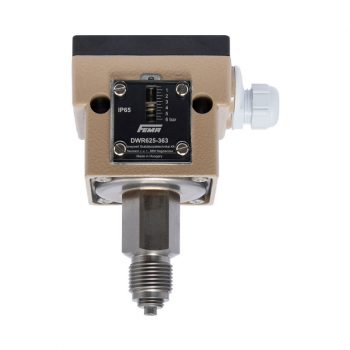
- Pressure switch
- Adjustment range: 0.5...6 bar
- Maximum permissible pressure: 25 bar
- Surface protection
- IP65
- Gold-plated contacts
|
Datasheet
|
- Pressure switch
- Adjustment range: 0.5...6 bar
- Maximum permissible pressure: 25 bar
- Surface protection
- IP65
- Gold-plated contacts
|
Datasheet
|
- Pressure switch
- Adjustment range: 0.5...6 bar
- Maximum permissible pressure: 25 bar
- Gold-plated contacts
- Ex-i
|
Datasheet
|

FEMA DWR Pressure Monitors and Pressure Limiters for Hot Water, Steam, Gas and Liquid Fuels
FEMA DWR pressure monitors and pressure limiters are used for reliable maximum and minimum pressure monitoring in safety-related systems. The series is particularly suitable for fuel gases according to DVGW worksheet G 260, liquid fuels such as heating oil, as well as steam and hot water systems.
Thanks to their robust mechanical design, DWR pressure monitors are ideal for applications where pressure limits must be reliably monitored and system components must be protected against inadmissible operating conditions. Typical applications include boiler systems, burner controls, heating systems, steam systems, process plants and industrial utility systems.
The DWR series is designed as a pressure switch of special construction and has been tested with 2 million switching cycles. For applications with increased safety requirements, versions are available as pressure monitors or pressure limiters. Depending on the version, the DWR can be used for monitoring rising or falling pressure.
The devices operate mechanically and require no additional auxiliary power for pressure detection. The applied pressure acts on a measuring element, which actuates a microswitch. This generates an electrical switching signal that can be used for shutdown, alarm or control functions.
Typical Applications
- Pressure monitoring in hot water systems
- Monitoring of steam systems and steam boilers
- Pressure monitor or pressure limiter for fuel gases according to DVGW worksheet G 260
- Monitoring of liquid fuels, for example heating oil
- Maximum and minimum pressure monitoring in process plants
- Safety shutdown in case of inadmissible pressure increase or pressure drop
- Use in heating, energy and utility systems
Advantages of FEMA DWR Pressure Monitors
- For safety-related applications: suitable as pressure monitor or pressure limiter
- For various media: suitable for fuel gases, liquid fuels, steam and hot water
- Maximum and minimum pressure monitoring: suitable for monitoring upper and lower pressure limits
- Tested construction: pressure switch of special construction tested with 2 million switching cycles
- TÜV and DVGW approval: suitable for applications with corresponding approval requirements
- Mechanical switching principle: no auxiliary power required for pressure detection
- Robust design: suitable for industrial plants and demanding operating conditions
FEMA DWR Pressure Monitors at ICS Schneider
ICS Schneider offers FEMA DWR pressure monitors and pressure limiters for demanding pressure monitoring applications. The devices are particularly suitable for systems in which fuel gases, liquid fuels, steam or hot water must be monitored safely.
When selecting the correct DWR device, the medium, pressure range, required switching point, maximum pressure, temperature, process connection, electrical switching capacity, installation situation and requirements regarding TÜV, DVGW or safety functions should be considered. For safety-related applications, the design should always be checked based on the specific plant data and applicable regulations.
FAQ – Frequently Asked Questions about FEMA DWR Pressure Monitors
1. What is a FEMA DWR pressure monitor?
A FEMA DWR pressure monitor is a mechanical switching device used to monitor pressure limits. It can be used for maximum or minimum pressure monitoring and switches as soon as the set limit value is reached.
2. What is the DWR series used for?
The DWR series is mainly used in hot water systems, steam systems, fuel gas systems and systems with liquid fuels. It is suitable for monitoring, control and safety functions.
3. Which media is FEMA DWR suitable for?
FEMA DWR is suitable for fuel gases according to DVGW worksheet G 260, liquid fuels such as heating oil, steam and hot water. Exact suitability must be checked based on the technical data and operating conditions.
4. Can DWR monitor both maximum and minimum pressure?
Yes. The DWR series is used for maximum and minimum pressure monitoring. This means it can be used both for excessive pressure and insufficient pressure conditions.
5. What does “pressure switch of special construction” mean?
This term describes a specially tested version for applications with increased requirements. The DWR series has been tested with 2 million switching cycles and has TÜV and DVGW approvals.
6. What is the difference between a pressure monitor and a pressure limiter?
A pressure monitor supervises a pressure value and switches when the set limit is reached. A pressure limiter is used for safety functions and may, depending on the version, require lockout or manual reset.
7. Does a FEMA DWR pressure monitor require a supply voltage?
No supply voltage is required for pressure detection itself. The pressure acts on a mechanical measuring element. An electrical connection is only required for the switching contact or switching signal.
8. Is FEMA DWR suitable for steam systems?
Yes. The DWR series is suitable for use in steam systems. Depending on the system, the applicable regulations, temperature conditions and installation requirements must be taken into account.
9. Is FEMA DWR suitable for hot water systems?
Yes. FEMA DWR is suitable for hot water systems, including systems according to DIN EN 12828. The specific design should be based on pressure, temperature and system function.
10. What information is important for selecting the right device?
Important information includes the medium, pressure range, switching point, maximum pressure load, temperature, process connection, electrical connection, switching capacity, required function as pressure monitor or pressure limiter and required approvals.
11. Are DWR versions available for Ex areas?
Yes, Ex-DWR versions are available for potentially explosive atmospheres. Depending on the version, they are suitable for applications with gas, oil, steam and hot water and include special explosion protection features.
12. When should a pressure limiter be used instead of a pressure monitor?
A pressure limiter should be used when a safety-related shutdown is required and the system must not restart automatically after triggering. The exact selection depends on the safety function and the applicable regulations.