


Motor draws too much current: Detecting overload with a clamp meter
If a motor draws too much current, this is an important warning signal. The cause...
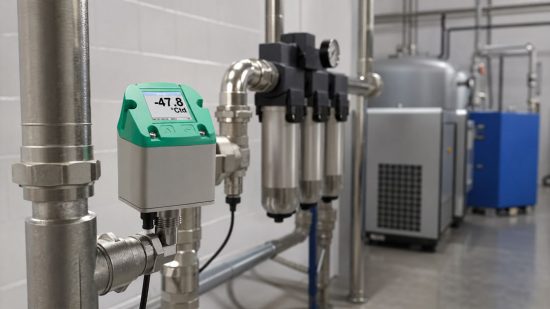
Compressed air too moist: Finding the causes before valves and tools fail
Moist compressed air is a creeping problem in many systems. At first, it is often...

Transit-Time or Doppler: Which ultrasonic measuring principle suits the medium?
Ultrasonic flow meters are often used when liquids need to be measured contactlessly, retrofitted or...
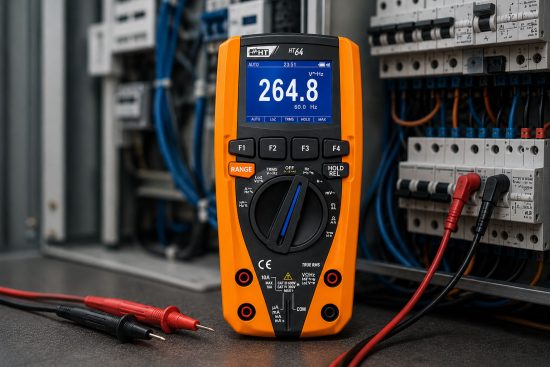
Multimeter measures incorrect values: Why LoZ, TRMS and measurement category are decisive
If a multimeter appears to display incorrect voltages or unusual values, the measuring instrument is...

Differential pressure transmitter delivers implausible values: Check manifold, impulse lines and zero adjustment
If a differential pressure transmitter delivers implausible values, the cause is not always the measuring...
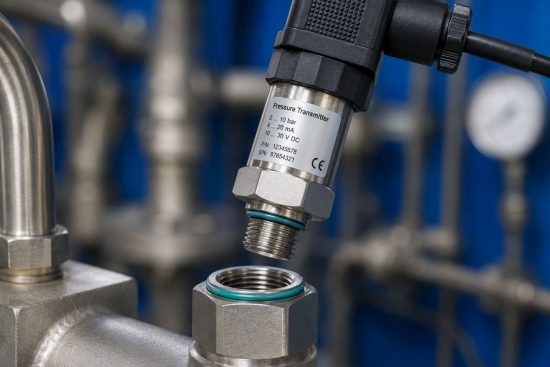
Pressure sensor leaking at the process connection: Checking seal, thread and installation correctly
If a pressure sensor leaks at the process connection after installation, the sensor itself is...

Finding pressure loss in a system: How a digital pressure gauge helps with troubleshooting
When a system loses pressure, the cause is not always immediately obvious. In practice, many...

Setting the measuring interval correctly on a temperature data logger
A temperature data logger is only truly meaningful if the measuring interval matches the application....

Testing RCD/FI switches: Correctly measuring tripping time and tripping current
FI switches, now usually referred to as RCDs, are among the most important protective devices...
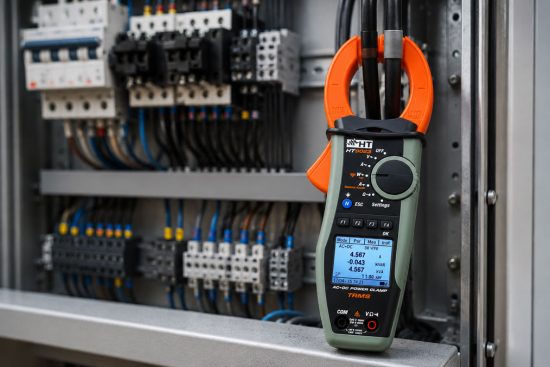
Detecting phase loss or unbalanced load: Current measurement in three-phase systems
In three-phase systems, the currents on the phase conductors L1, L2 and L3 should match...