ricardo gomez angel 41X6FwTwPh4 unsplash
druck logo

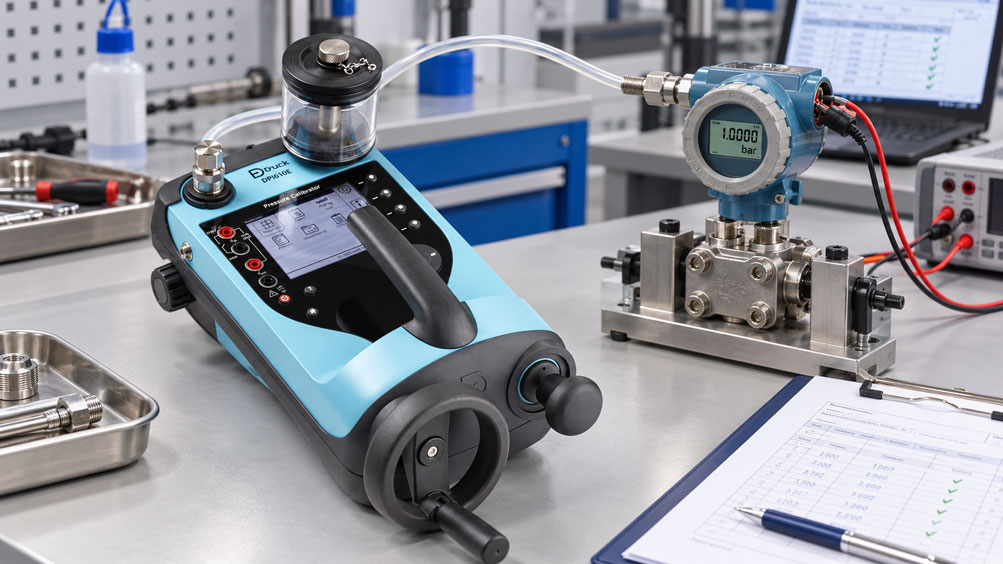
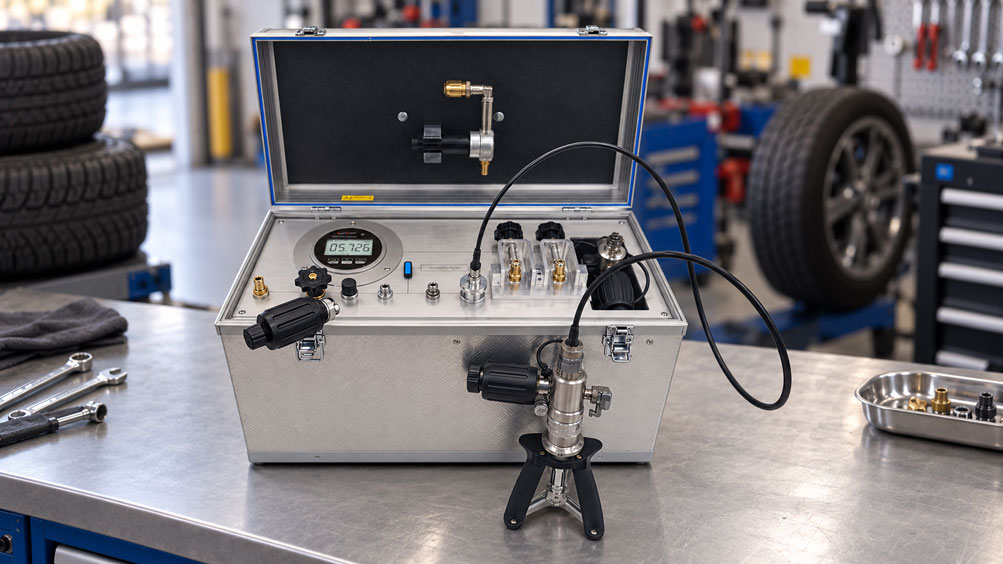
PV624 Portable Hybrid Pressure Controller

GENii Advanced Modular Calibration System

  • On-site selection of pressure range from GENii PM620/PM620T pressure modules
  • Hybrid pressure generation and control from -0.9 barg (-13 psi) to 20 barg (300 psi).
  • Automatic selection between manual pressure generation, automatic pressure generation, or pressure venting with large test volume capacity.
  • Physical or *Bluetooth® wireless connection to a DPI620G electrical calibrator.
→ PRODUCT INFO PV624
pv624 mainsite
Sure! Here is the translation into English: ---


Industry Solutions → View all industry solutions

With our in-depth and comprehensive measurement technology expertise, we find the best solution for your specific requirements.

#Mining #Campus #ElectronicsIndustry #Airports #Healthcare #Solar #Cranes #Aerospace #FoodAndBeverageIndustry


Industry Solutions

→ View all industry solutions

With our extensive and comprehensive metrology expertise, we find the best solution for your specific requirement.

#Mining #Campus #ElectronicsIndustry #Airports #Healthcare #Solar #Cranes #Aerospace #FoodBeverageIndustry

Sonderaktion 3 2026 ICS Schneider DP S2 727 Ed1 09 26 konvertiert 1
230204 HT 2 Seiter volle Ladung ECO KIT A4 Aenderungen 08 23 1 1 min 1 min 1
black box 1 1 min
Sonderaktion 3 2026 ICS Schneider DP S2 727 Ed1 09 26 konvertiert 1
230204 HT 2 Seiter volle Ladung ECO KIT A4 Aenderungen 08 23 1 1 min 1 min 1
black box 1 1 min

Blog Posts → View all posts

Beitrag

Measuring oil content in compressed air: assessing aerosol and oil vapour as different contaminants

A compressed air system is monitored downstream of an activated carbon filter using a residual oil measuring device. The instrument displays, for example, only...

Beitrag

Statistically evaluating contamination measurements: correctly interpreting counting time, count rate and detection limit

A contamination monitor initially shows 18 Ip/s on a surface, a few seconds later 23 Ip/s and during another measurement 20 Ip/s. Has the contamination actually...

Beitrag

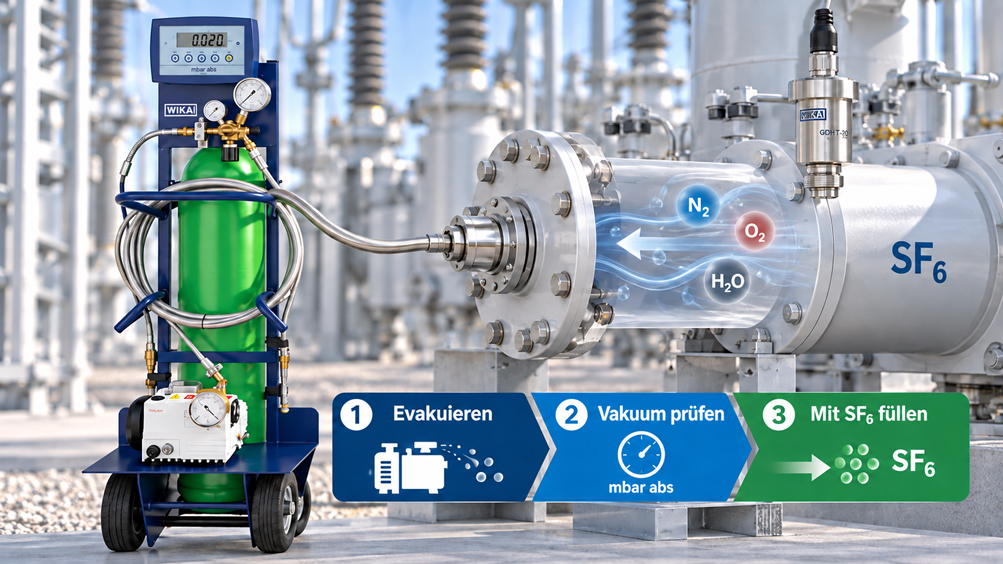
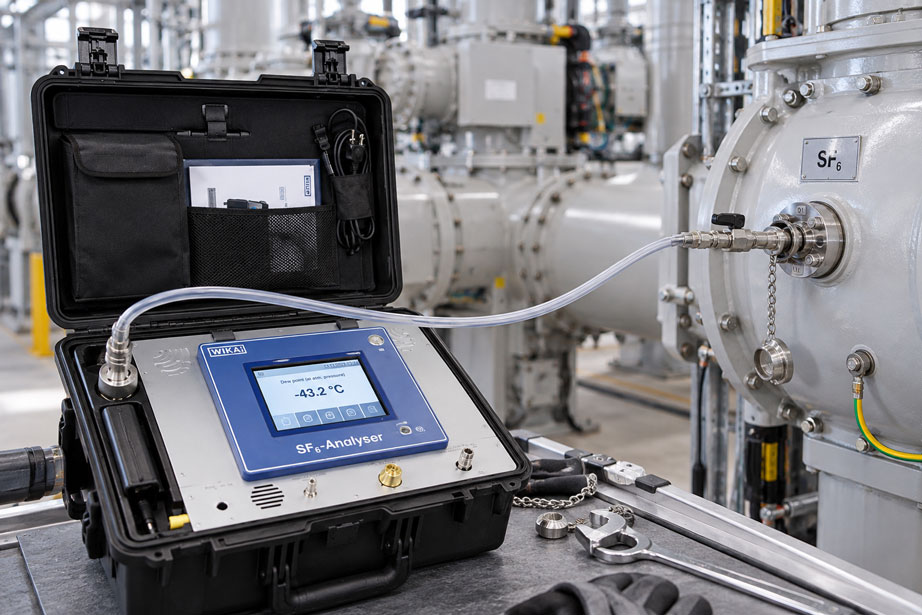
Distinguishing SF6 gas density and gas pressure during filling: understanding temperature compensation correctly

An SF6-insulated switchgear system is to be refilled after maintenance. The system documentation specifies, for example, a defined filling pressure...

Beitrag

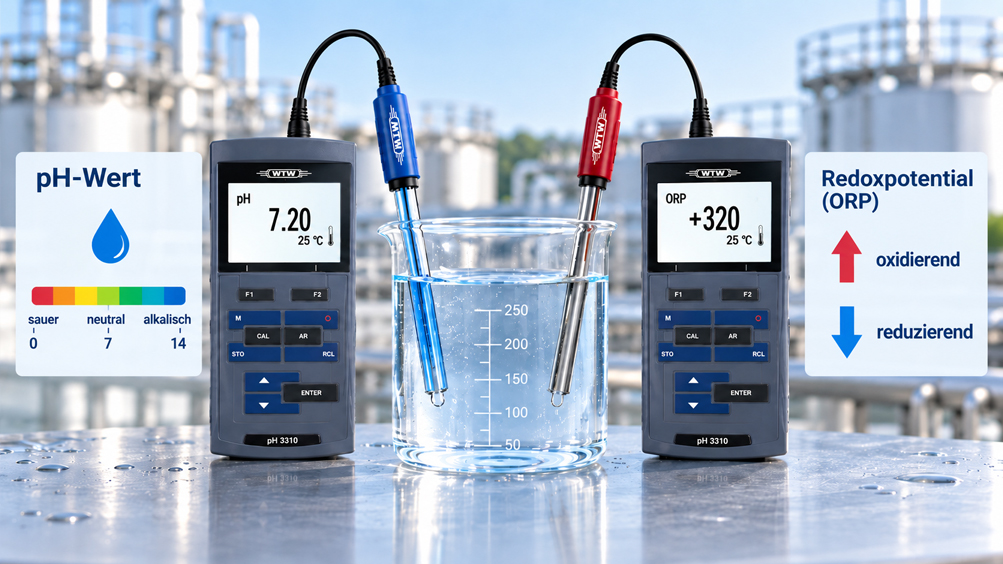
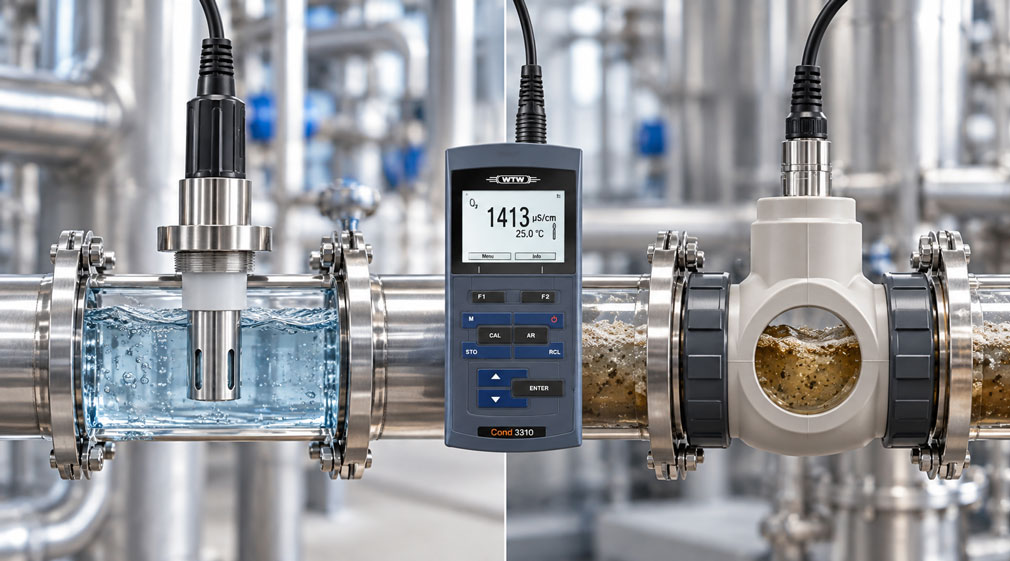
Assessing a pH electrode: identifying slope, zero point and aging from calibration

A pH electrode can still be calibrated successfully, but the process takes increasingly longer. In the calibration record, the slope is no longer approximately...

Beitrag

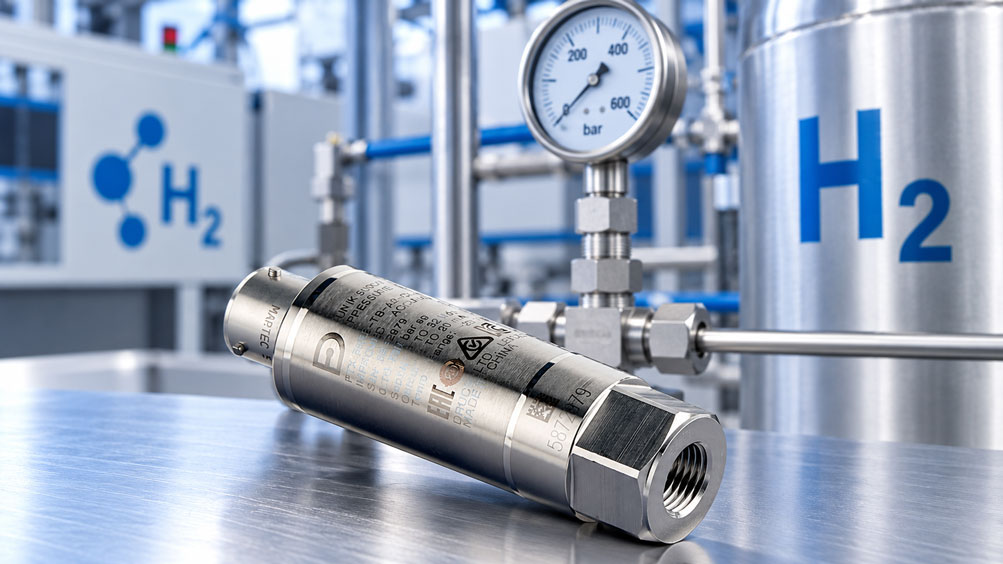
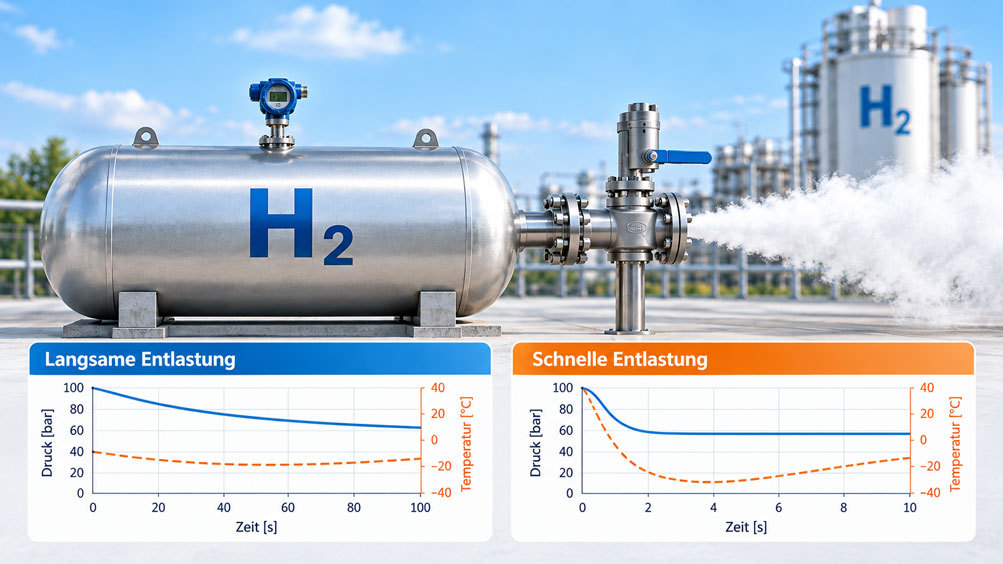
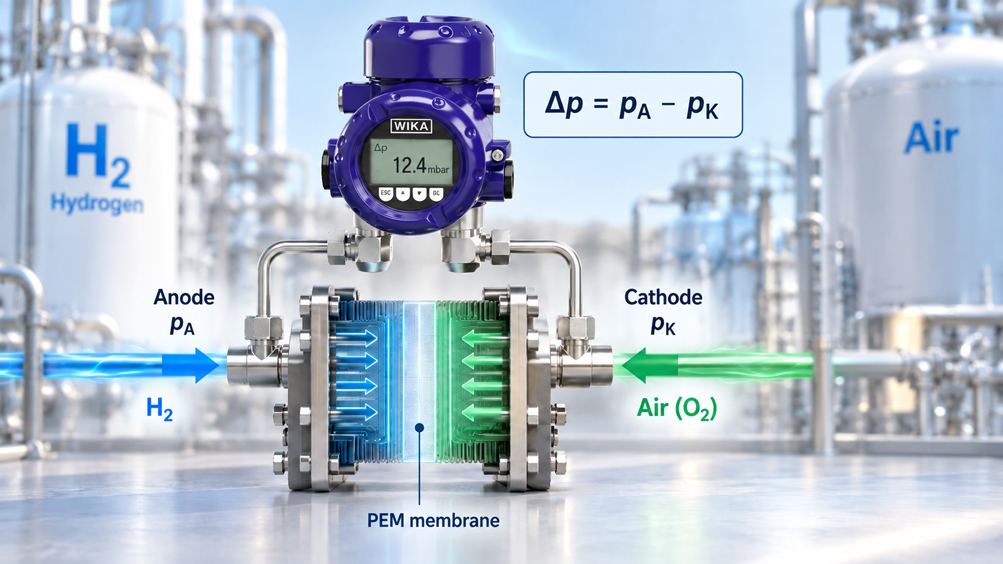
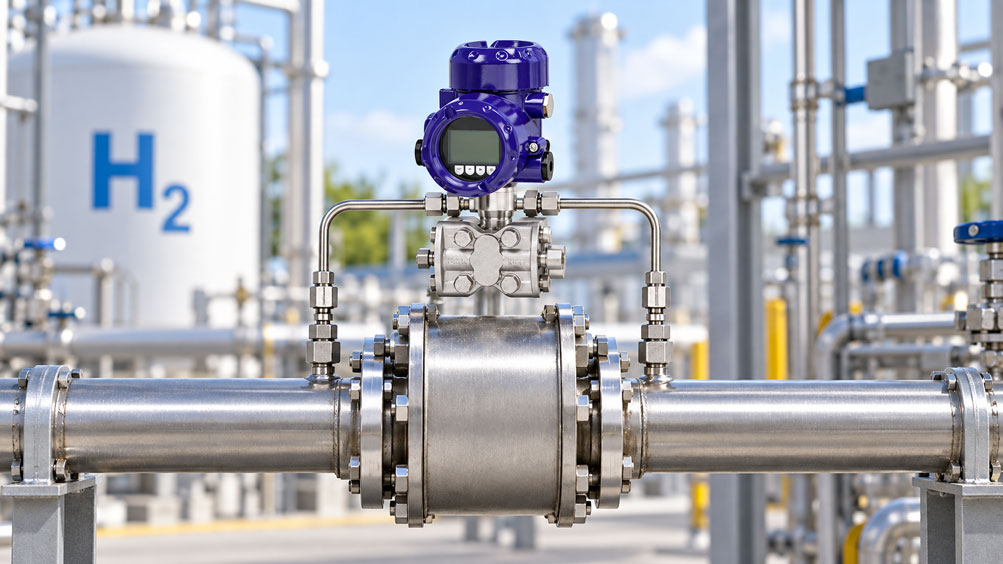
Hydrogen pressure measurement with many load cycles: taking pressure cycling and measuring diaphragm fatigue into account

A hydrogen pressure sensor has a measuring range of 0 ... 400 bar and is used in an application in which the pressure regularly cycles between 30 bar and...

Beitrag

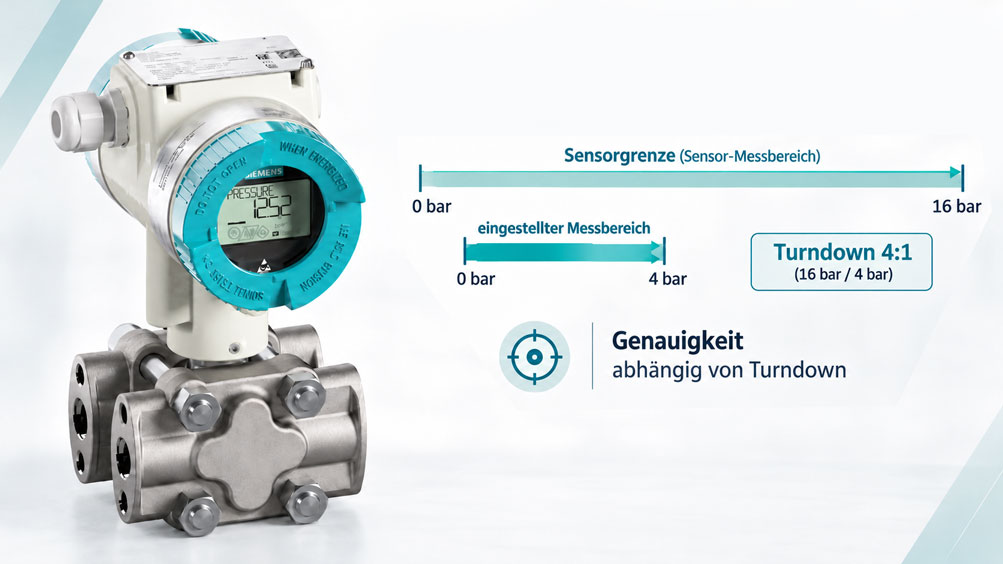
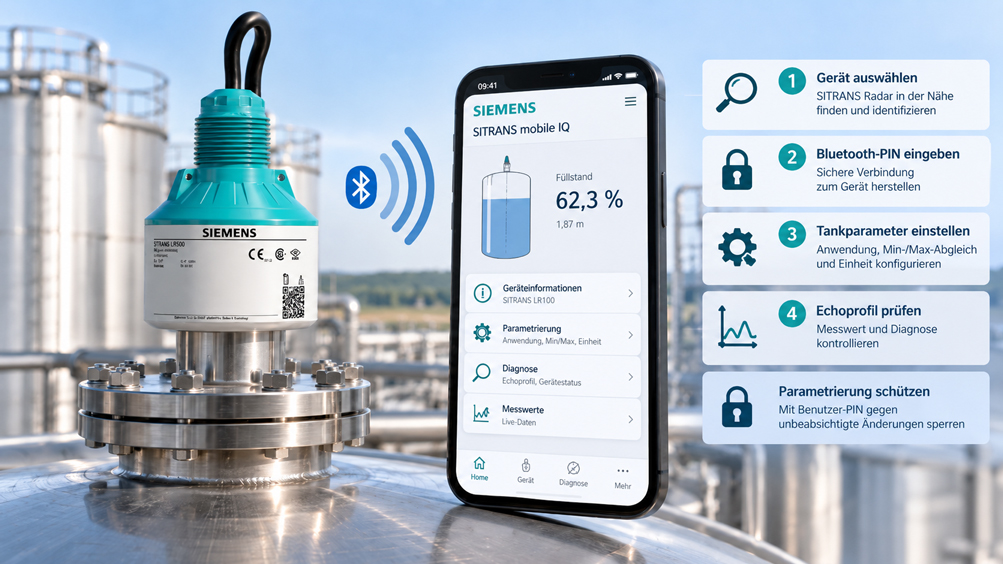
SITRANS P320 with pulsating process pressure: correctly distinguishing electronic damping from real pressure peaks

A SITRANS P320 measures the pressure downstream of a pump. Without additional damping, the displayed value fluctuates continuously, for example between...

Beitrag

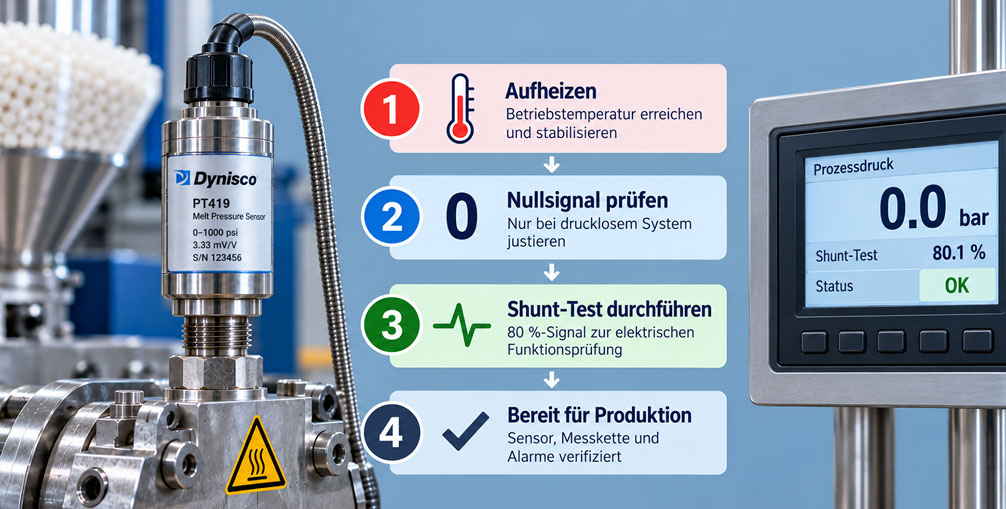
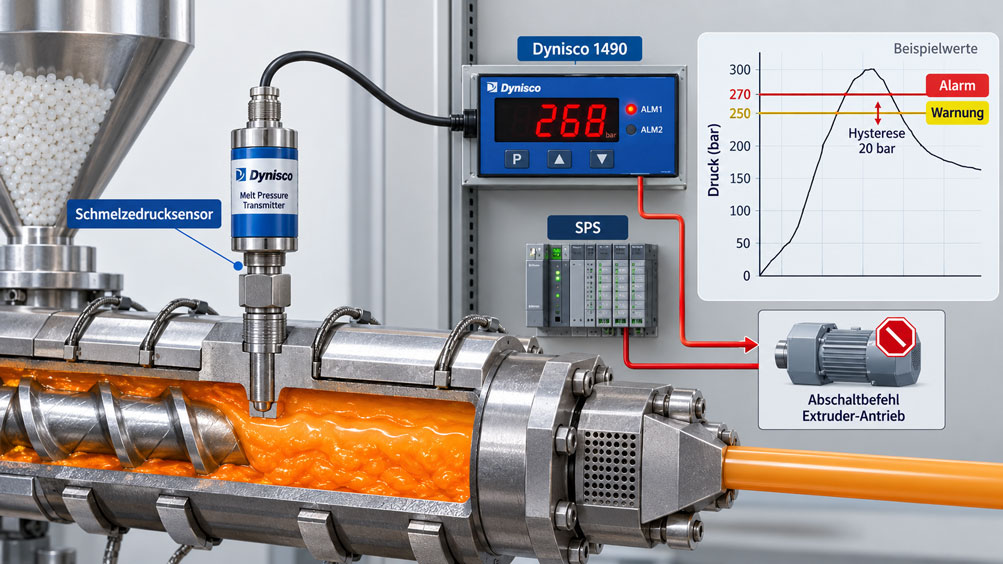
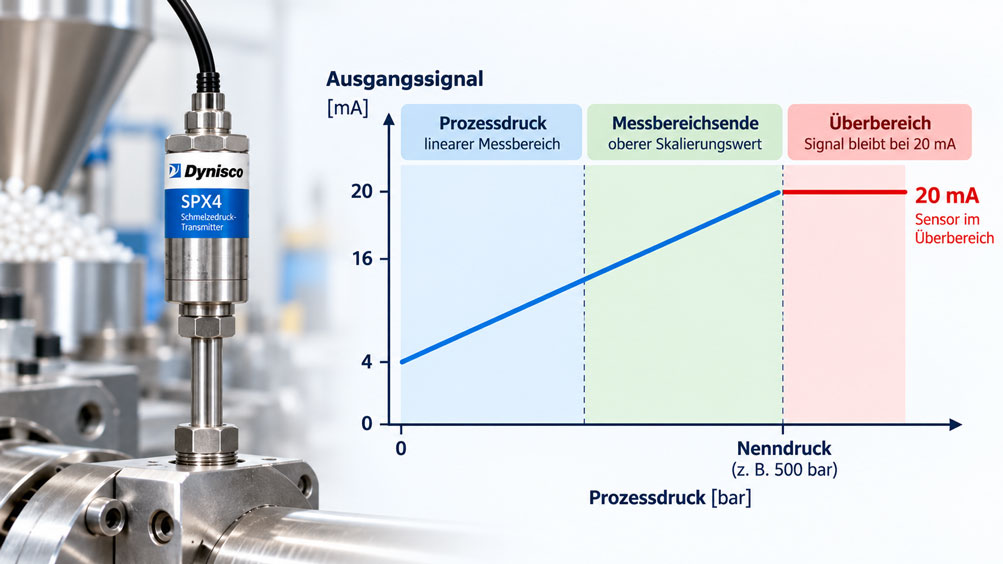
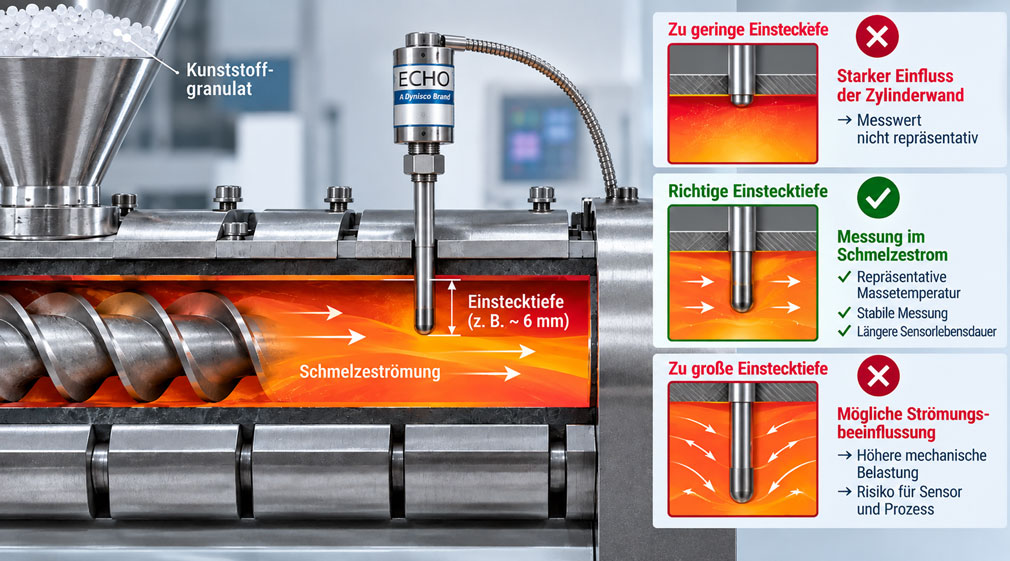
Dynisco melt pressure sensor installed too deep or too shallow: correctly checking diaphragm position in the mounting hole

A melt pressure sensor is screwed back into the extruder after maintenance. The output signal is generally present, but it responds more slowly to process changes than before...

Beitrag

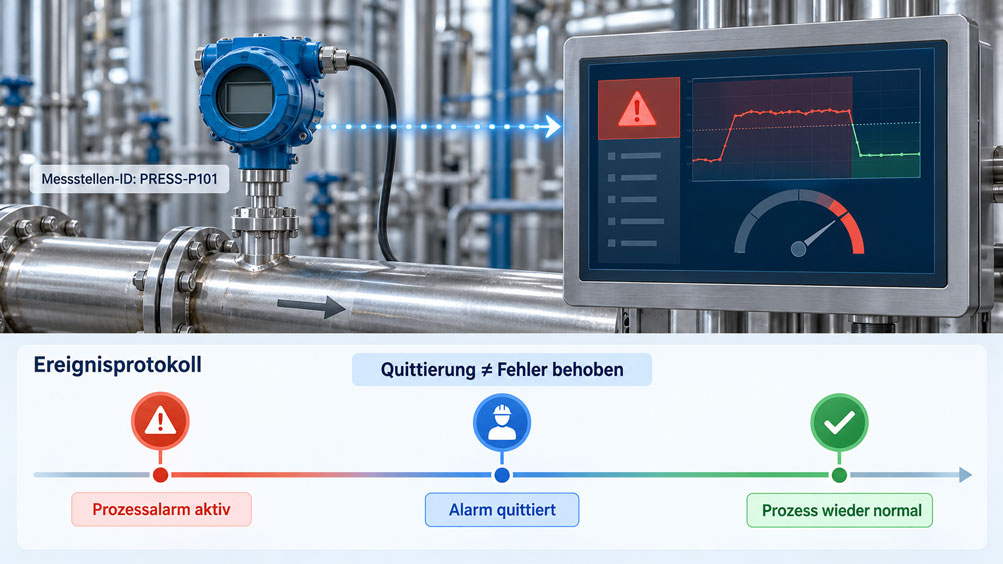
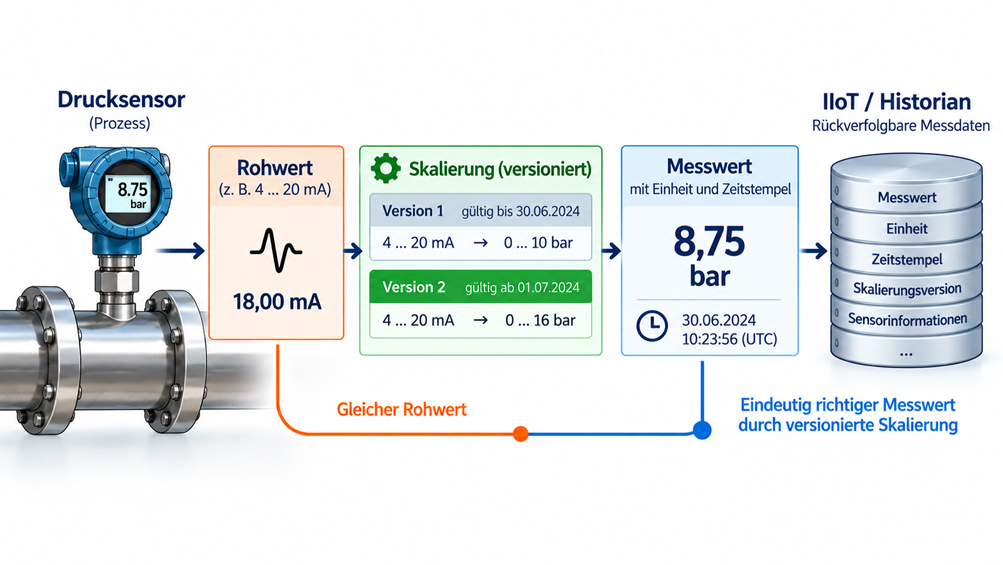
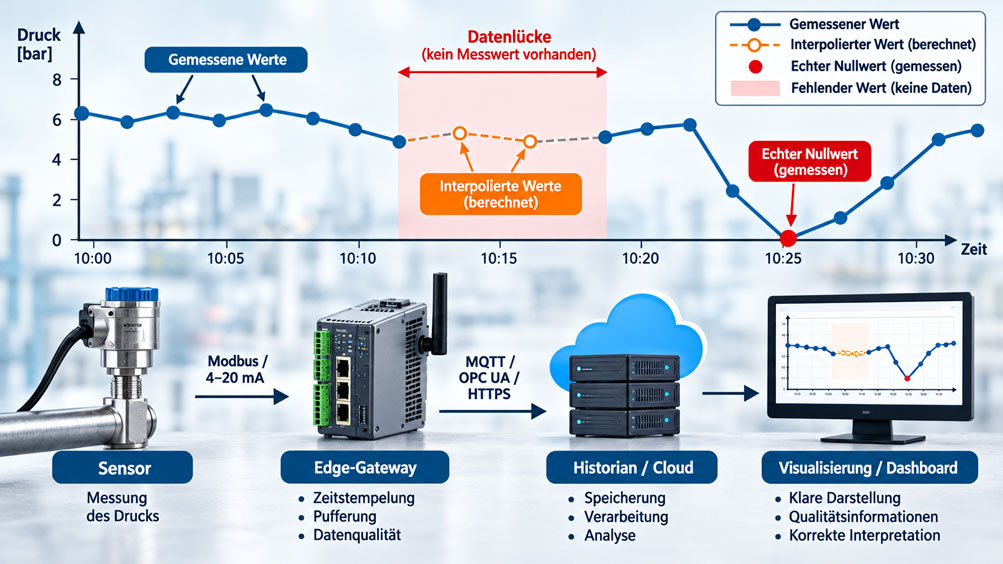
Transmit measured value plus quality status: using Good, Bad and Uncertain meaningfully in IIoT data models

A pressure sensor has been reporting a constant value of 6.42 bar for hours. The trend in the dashboard looks completely stable. In reality, however, communication with...

Beitrag

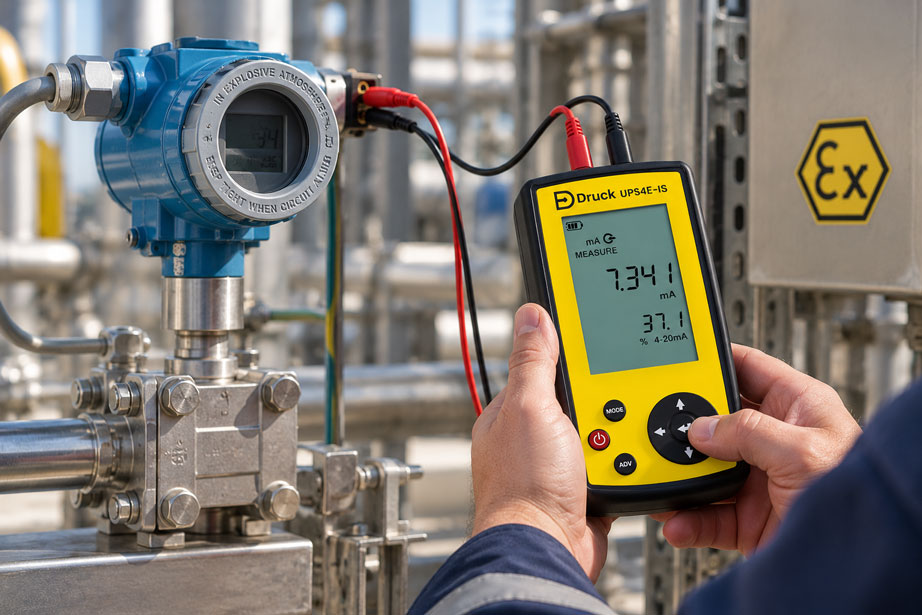
4–20 mA display in the current loop: calculating load, supply voltage and available loop voltage

A two-wire pressure transmitter is supplied with 24 V DC and sends its measurement signal to a 4–20 mA analog input of the PLC. The measurement works reliably...

Beitrag

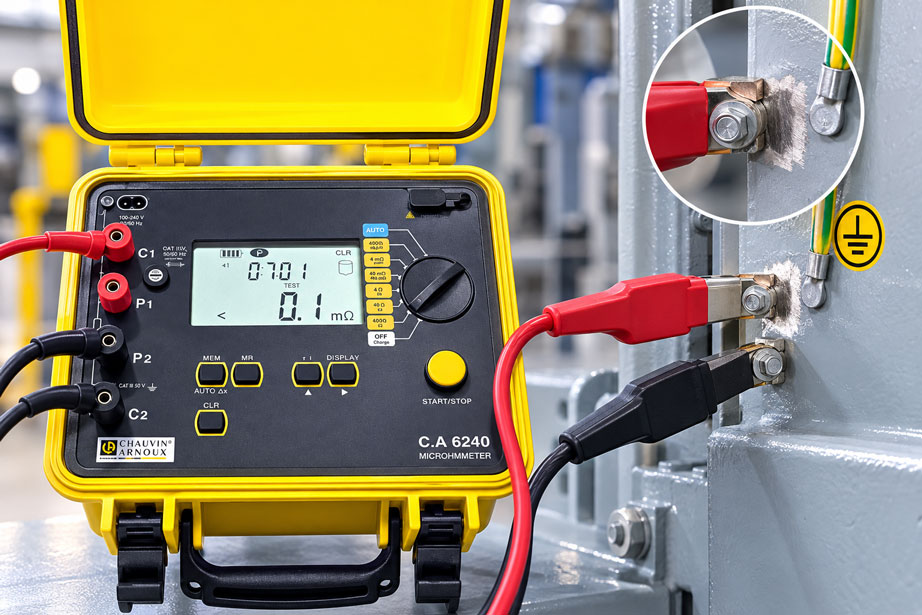
Micro-ohm measurement on busbars using four-wire technology: controlling contact placement and thermoelectric voltages

During maintenance of a switchgear system, the contact resistance of a bolted copper busbar connection is tested. The micro-ohmmeter initially indicates 8.4 µΩ...

Beitrag

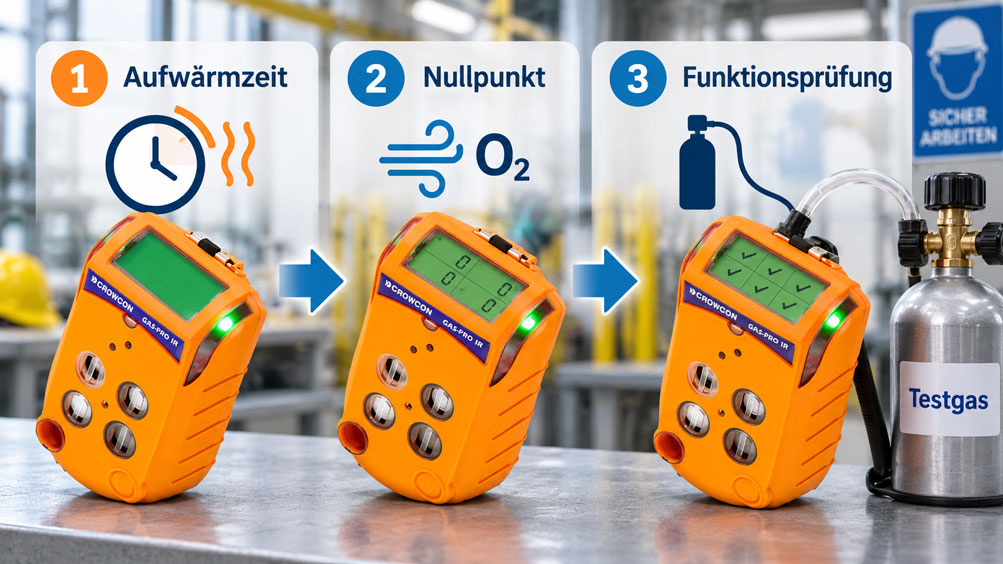
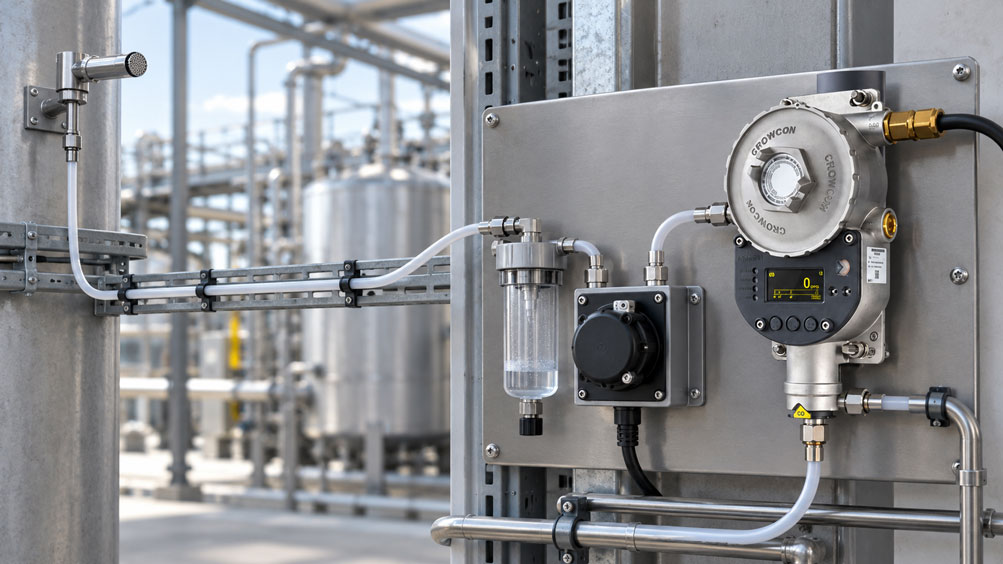
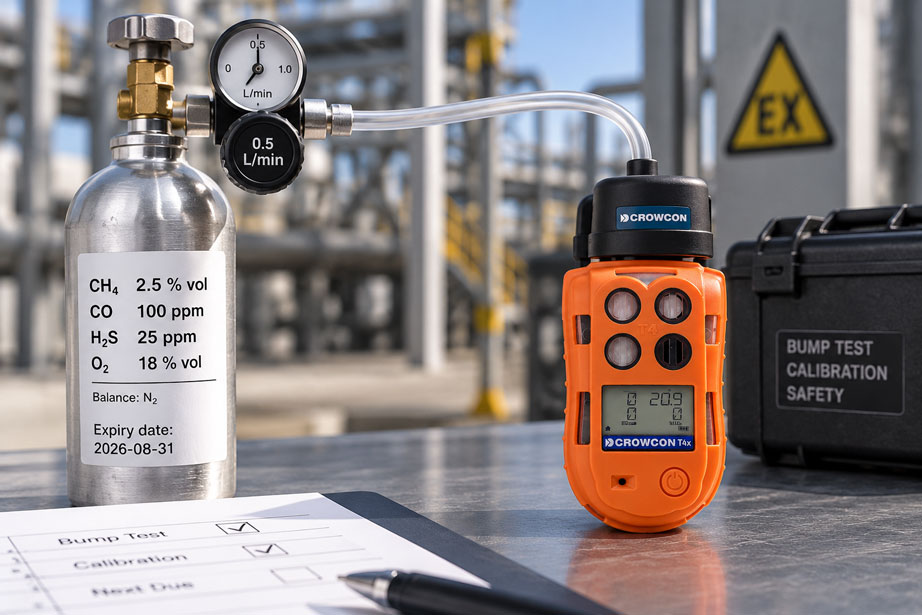
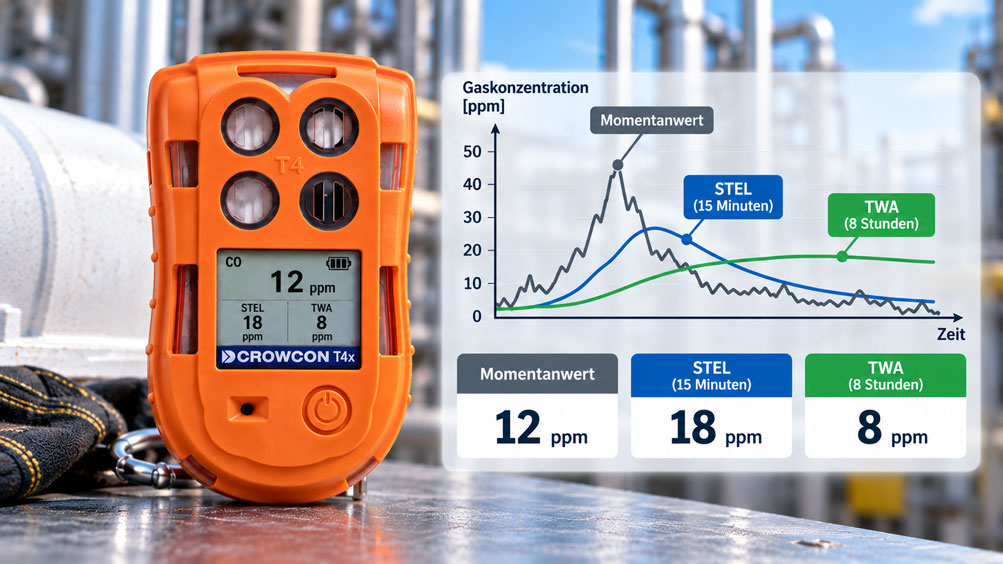
Catalytic LEL sensor after high gas concentration: correctly assessing overrange, recovery time and functional testing

A portable gas detector is exposed to a very high concentration of combustible gas during use. The display reaches 100 % LEL, indicates an overrange...

Beitrag

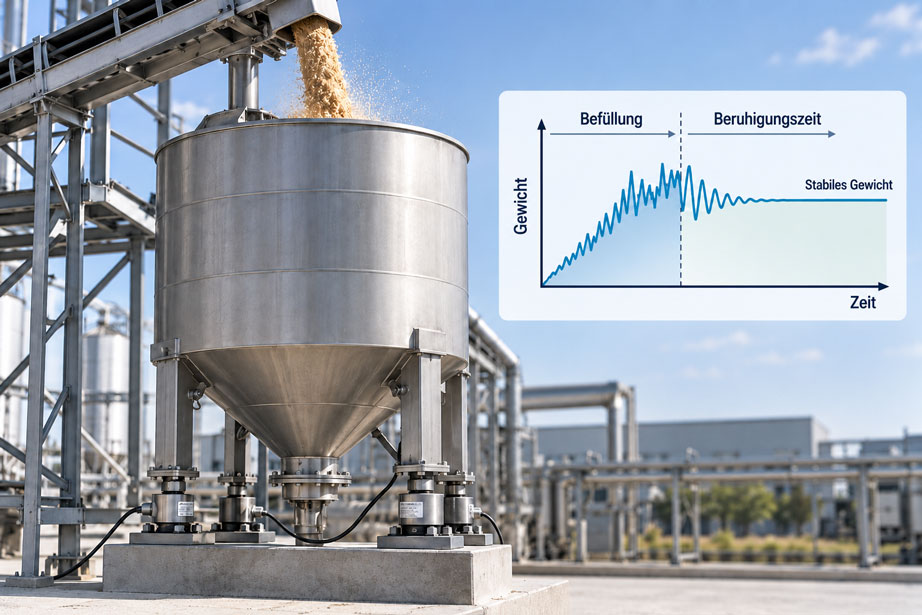
Checking a load cell after shock overload: systematically assess zero point, linearity and mechanical stop

A heavy component accidentally falls onto a weighing platform. Afterwards, the scale is unloaded and the indication no longer returns exactly to zero, but instead...

Beitrag

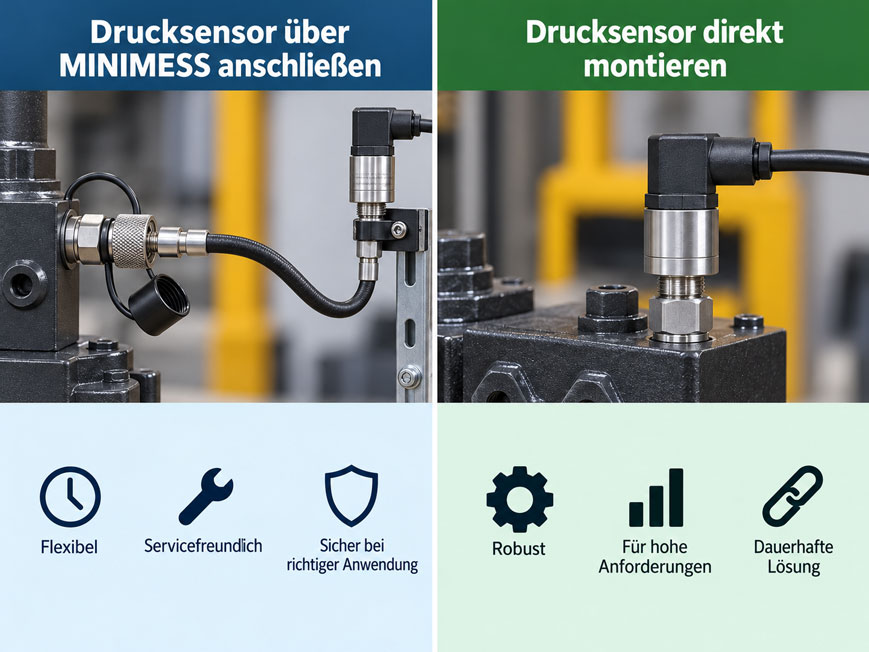
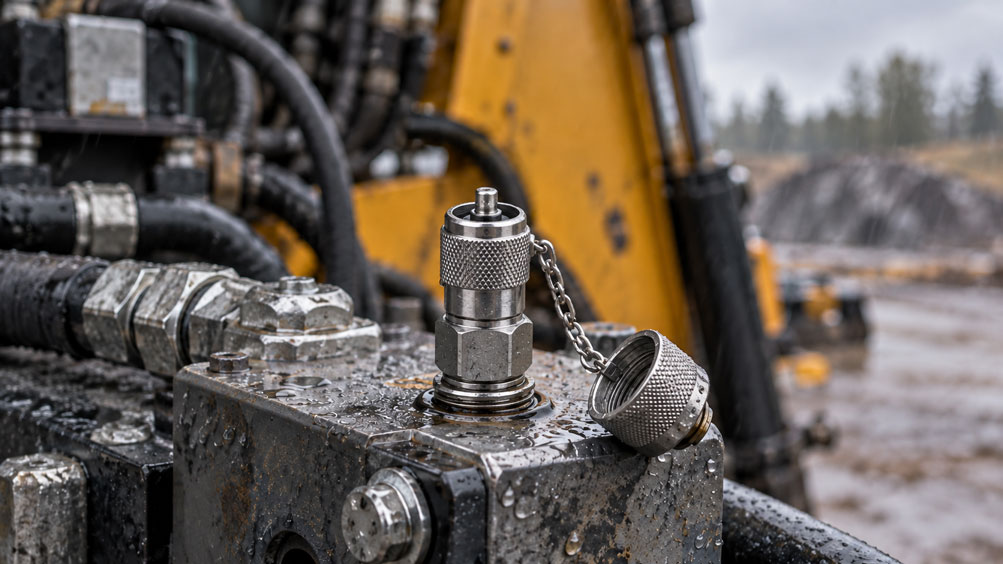
MINIMESS test point at very low pressure: consider check valve opening mechanism and measurement errors

A MINIMESS test point is used on a system to check a comparatively low pressure. The reference measuring instrument is suitable for the range, but it...

Beitrag

Calibrating a pressure switch: check switching point, reset point and hysteresis in both directions

A pressure switch is supposed to switch at 6.0 bar. During the test, the pressure is increased slowly and the contact changes state at 6.08 bar. At first, the test...

Beitrag

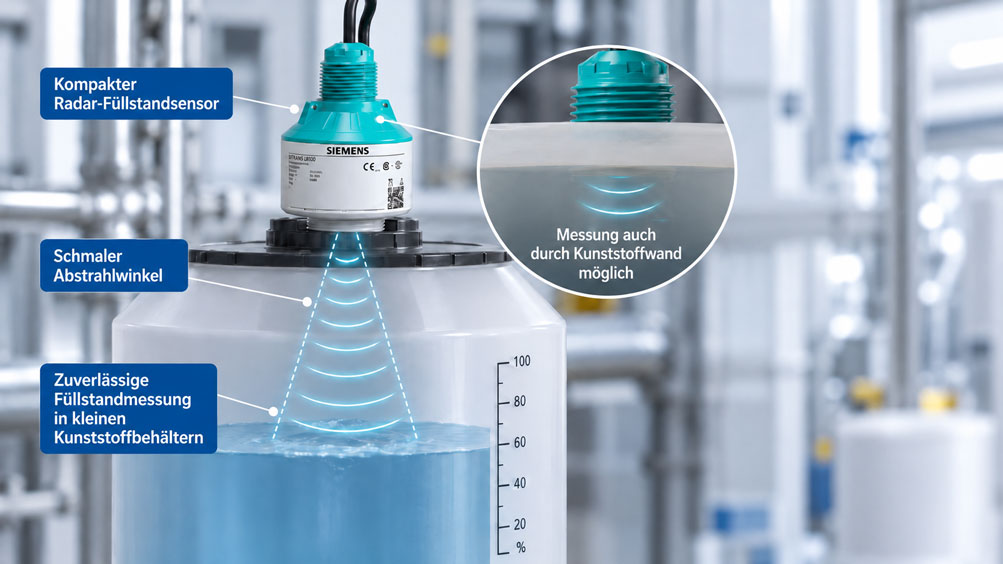
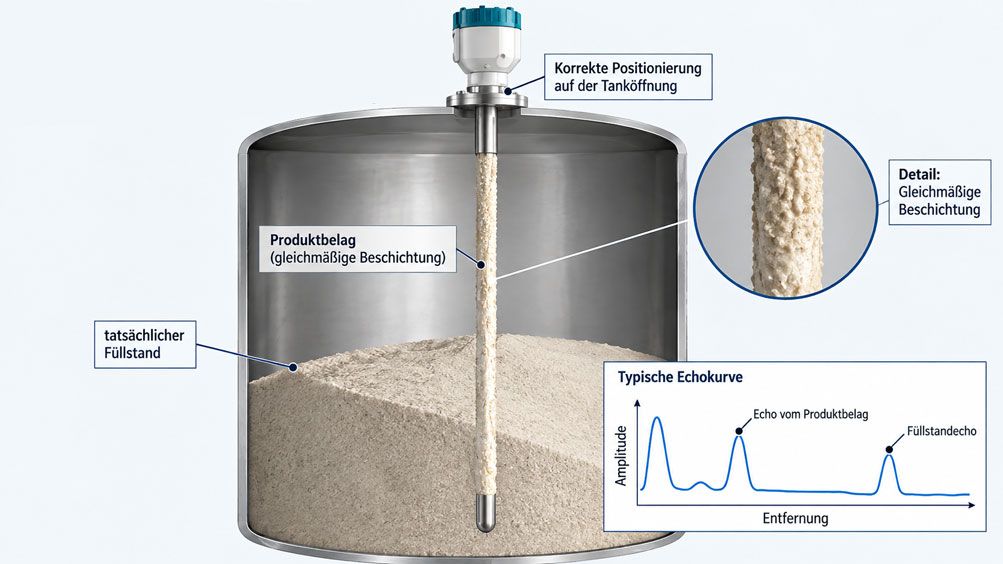
Radar level measurement in a stilling well: correctly considering pipe diameter, openings and deposits

A radar level sensor operates unstably on a vessel with a highly agitated liquid surface. An agitator, inlet flow or foam formation creates changing echoes...

Beitrag

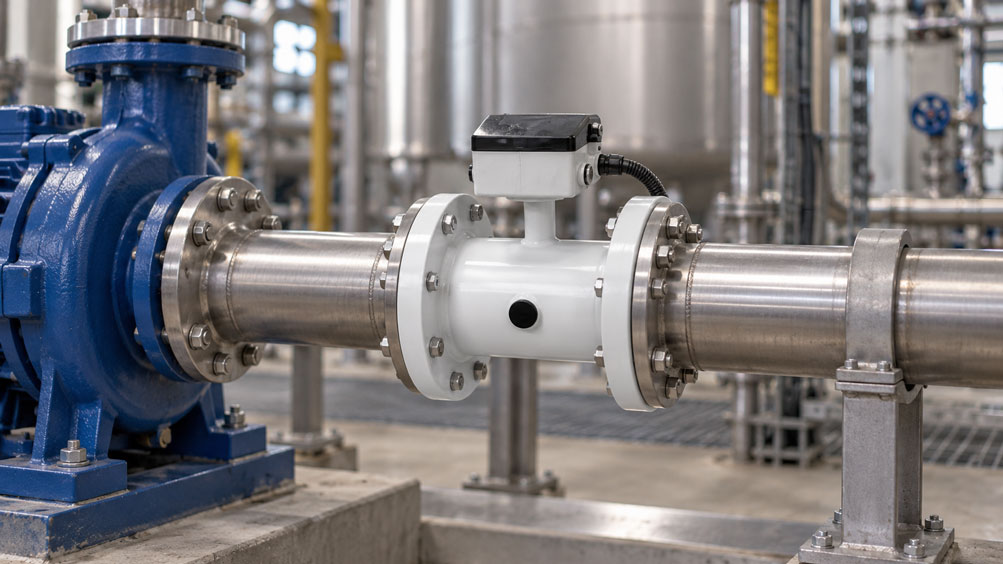
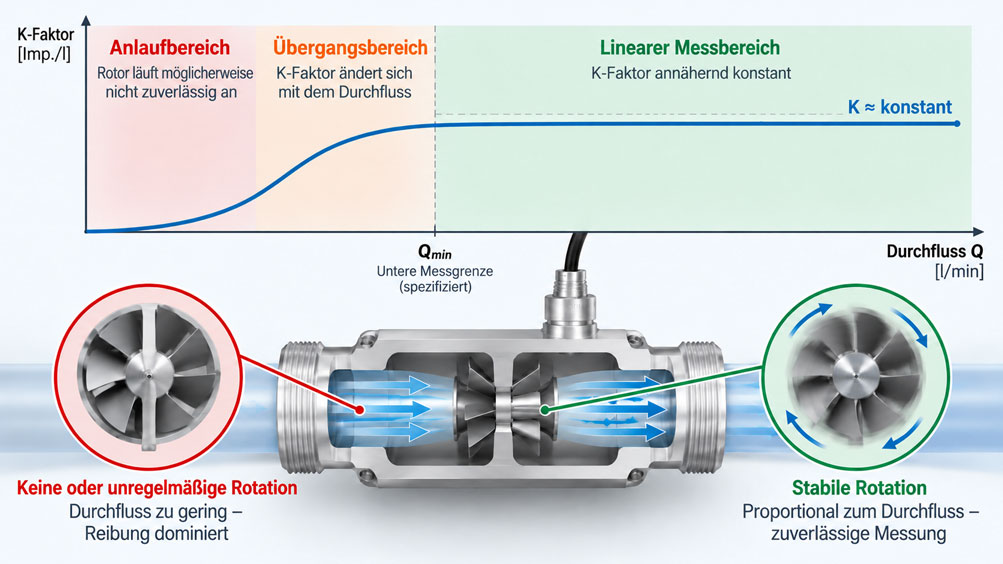
Electromagnetic flowmeters in partially filled pipes: correctly assessing electrode position, empty-pipe detection and measurement errors

An electromagnetic flowmeter shows a stable flow value even though an air pocket has visibly formed in the horizontal pipe. The electrodes of the flow...

Beitrag

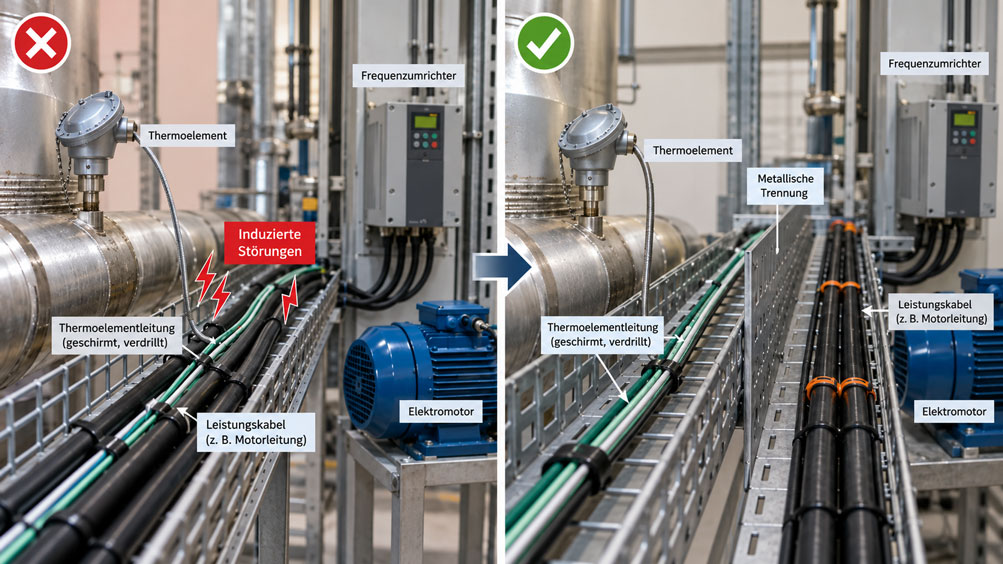
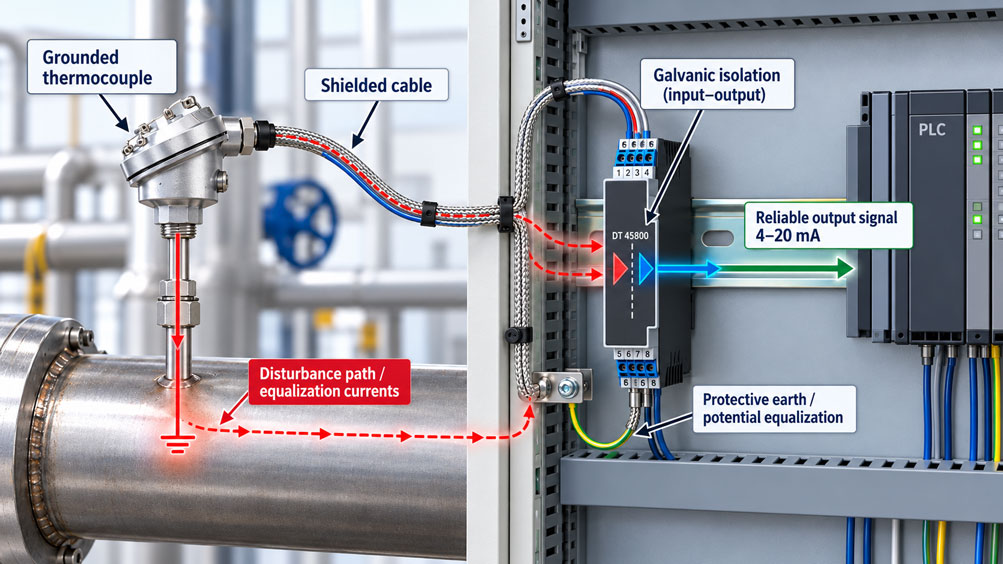
Grounded or ungrounded thermocouple: balancing response time, ground loops and electrical isolation

A Type K thermocouple is installed directly in a metallic machine component and is intended to detect rapid temperature changes. With a grounded measuring junction...

Beitrag

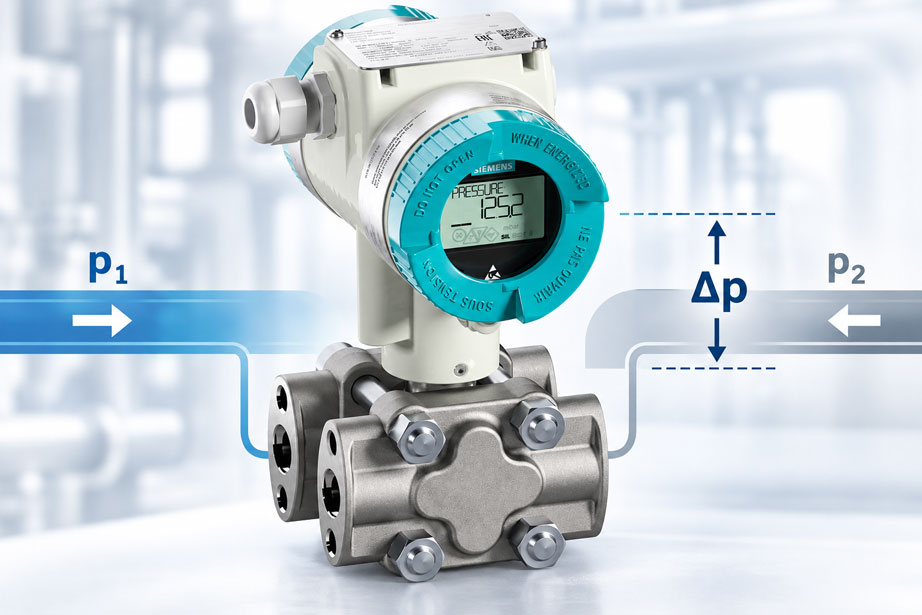
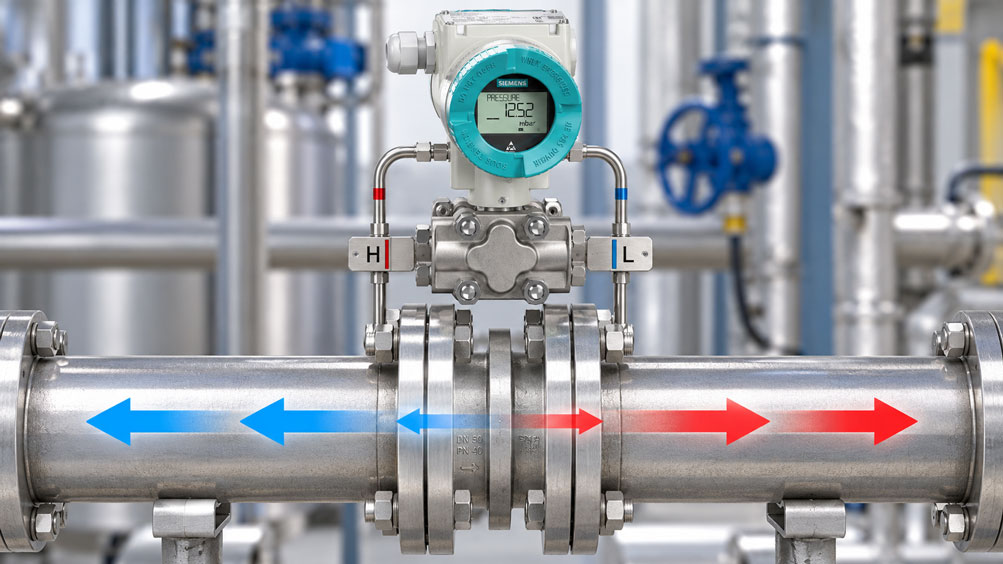
Differential pressure transmitter shows zero point offset after pressurization: check line pressure effect and overload

A differential pressure transmitter initially indicates the correct value of 0 mbar when depressurized. The system is then subjected to line pressure...

Beitrag

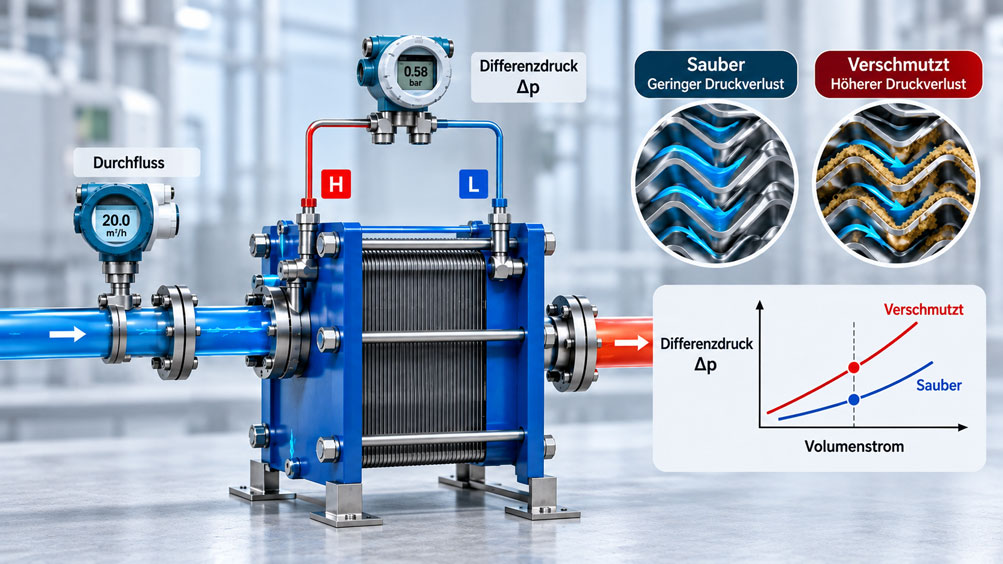
Measure pressure before and after the screen changer: detect contamination via differential pressure in extrusion

The melt pressure upstream of an extruder screen changer is increasing continuously. Is there a problem with the extruder, is the melt too cold, or is the screen pack becoming...

Beitrag

MQTT QoS 0, 1 or 2 for measurement data: balancing delivery reliability and data volume

A sensor transmits its measured value to a broker via MQTT every second. Under normal operating conditions, this produces an apparently complete measurement series...

Beitrag

Pneumatic Pressure Calibration After Rapid Pressure Changes: Consider Adiabatic Temperature Effects and Stabilization

During pneumatic pressure calibration, a test point is often approached as quickly as possible. A pressure controller may, for example, regulate from 0 bar to 10 bar within a short...

Beitrag Beitrag

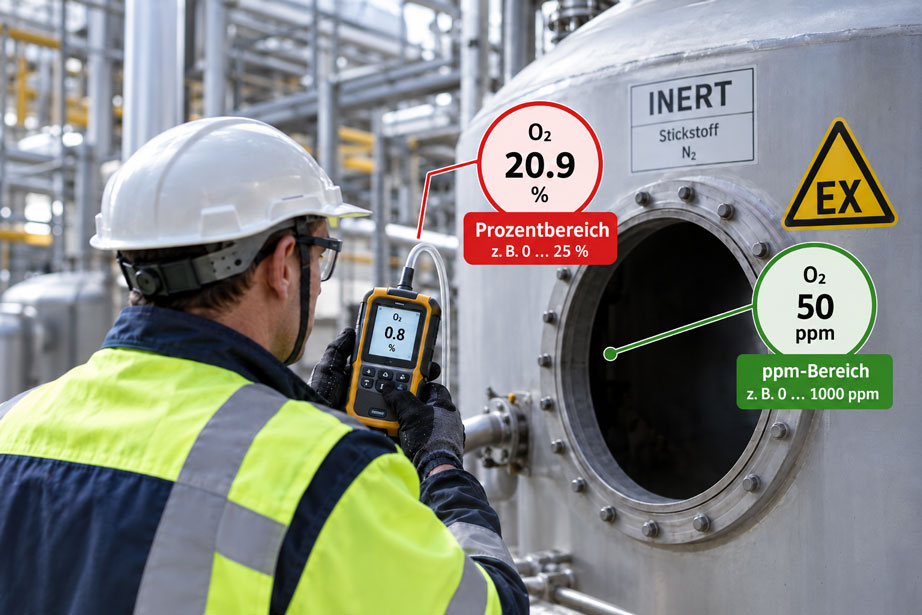
Diffusion or Pump Gas Detector: Choosing the Right Sampling Time, Hose Length and Operating Mode

The available multi-gas detector has suitable sensors. Can the device simply be switched on at the vessel opening and held there for a few seconds? In many applications...

Beitrag

Load Cell Does Not Return to Zero After Unloading: Distinguishing Creep, Hysteresis and Mechanical Stress

A zero point that does not return completely can have various causes that must be assessed very differently from a metrological point of view...

Beitrag

Coriolis Flowmeters with Abrasive Media: Correctly Monitoring Measuring Tube Wear and Zero-Point Trends

A Coriolis flowmeter has been measuring a solids-containing suspension for several years. The mass flow still appears plausible, but during regular zero-point checks...

Beitrag

Gas-Actuated Thermometer with Remote Capillary: Correctly Planning the Capillary, Ambient Temperature and Routing

The temperature is to be measured on a hot pipeline, but the display must be located several meters away on an easily accessible control panel...

Beitrag

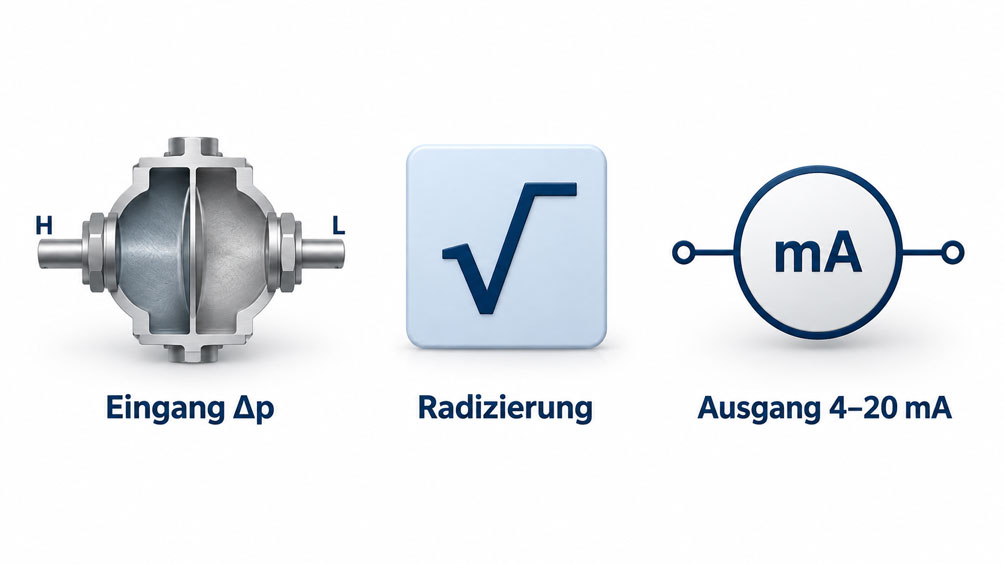
Square-Root Extraction in Differential Pressure Transmitters: Correctly Scaling the 4–20 mA Signal for Differential-Pressure Flow Measurement

For a conventional differential-pressure flow measurement using an orifice plate, nozzle or Venturi tube, normally not. The reason is the physical relationship...

Beitrag

Measuring PV I-V Curves: Detecting Shading, Mismatch and Defective Modules Using I-V Curves

According to the data sheet, a PV string has an open-circuit voltage of approximately 850 V. During testing, 842 V is measured – at first, everything appears...

Beitrag

Measuring Ripple on a 24 V Power Supply: Tracing Sensor Noise and PLC Interference Back to the Power Supply

A pressure transmitter is actually providing a stable 4...20 mA signal, yet the analog value in the PLC fluctuates. A second sensor also shows sporadic jumps...

Beitrag

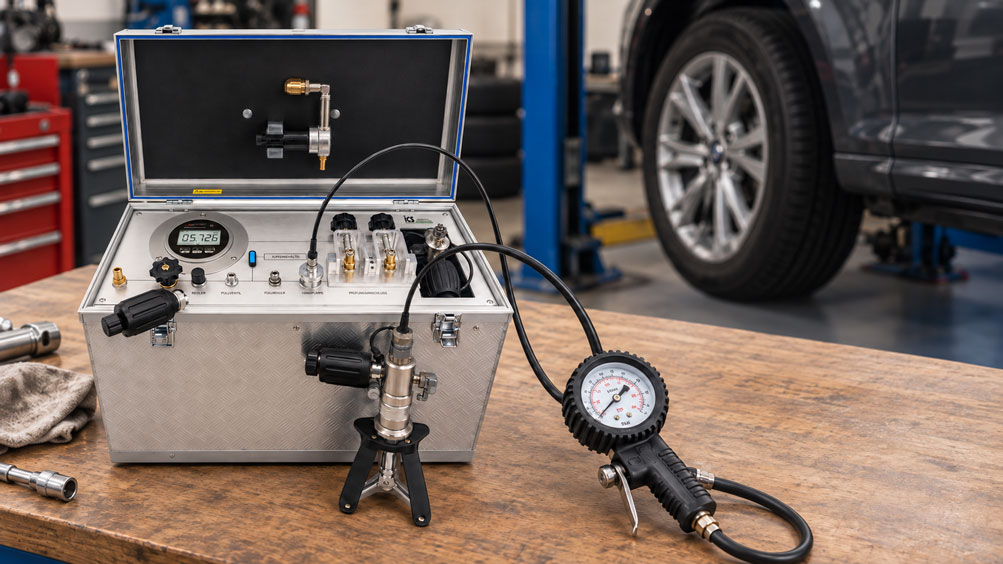
Pressure Calibration Pump Does Not Generate Stable Pressure: Systematically Check Valves, Check-Valve Function and Seals

A hand-operated test pump is pressurized to 10 bar, the fine adjustment valve is no longer moved, and yet the reference pressure gauge slowly drops to 9.8 bar...

Beitrag

Using a PID Gas Detector for VOC Measurement: Understanding Ionization Energy and Correction Factors

A PID gas detector displays, for example, 50 ppm VOC. Does this mean that 50 ppm of toluene, benzene or hexane is actually present?...

Beitrag

Radar Level Measurement with a Low Dielectric Constant: Correctly Assessing Echo Reserve and Antenna Selection

Radar level sensors operate without contact and are therefore an attractive solution for many tanks and process vessels. With water, aqueous media or other...

Beitrag

Operating Pressure Switches with Inductive Loads: Correctly Planning Contact Loading, Arc Suppression and Interposing Relays

A pressure switch is intended to switch a solenoid valve, contactor or relay when the set pressure is reached. The nameplate may state, for example, “10 A at 230 V AC”...

Beitrag

Comparing PV string currents: Detecting partial shading, bypass diode issues and connection faults

Different currents in supposedly identical PV strings are a valuable indication—but not yet a definitive fault diagnosis. The current of a string is influenced...

Beitrag

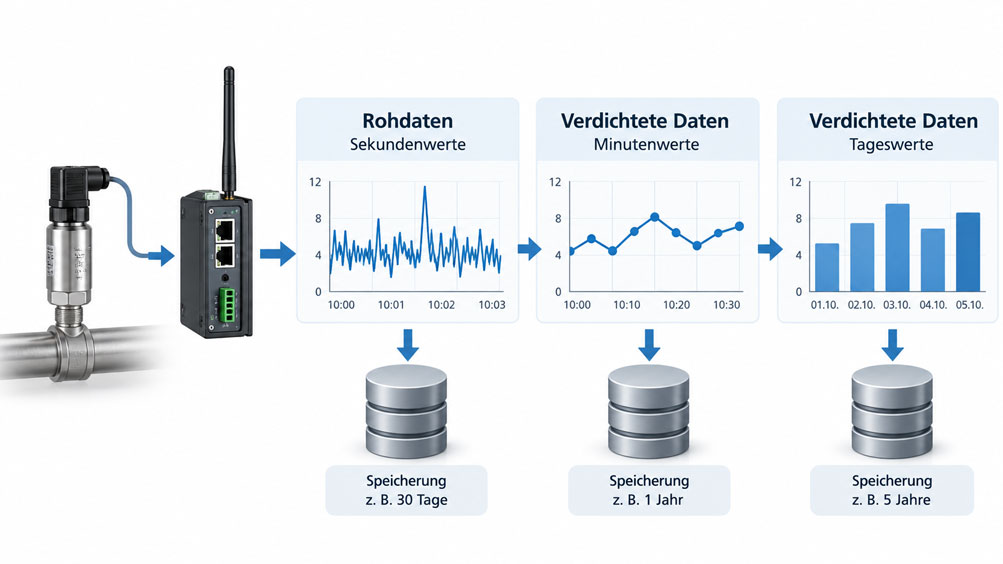
Condensing Measurement Data at the Edge: Combining Average, Minimum, Maximum and Raw Data Effectively

A sensor supplies one measured value every second. With 100 measuring points, this already produces 8.64 million values per day – even before timestamps...

Beitrag

Calibrating a Pressure Sensor with Ascending and Descending Series: Evaluating Hysteresis Separately from Linearity Errors

A pressure sensor can indicate different values at 50% of its measuring range depending on whether the test point was approached from zero or from the upper...

Beitrag

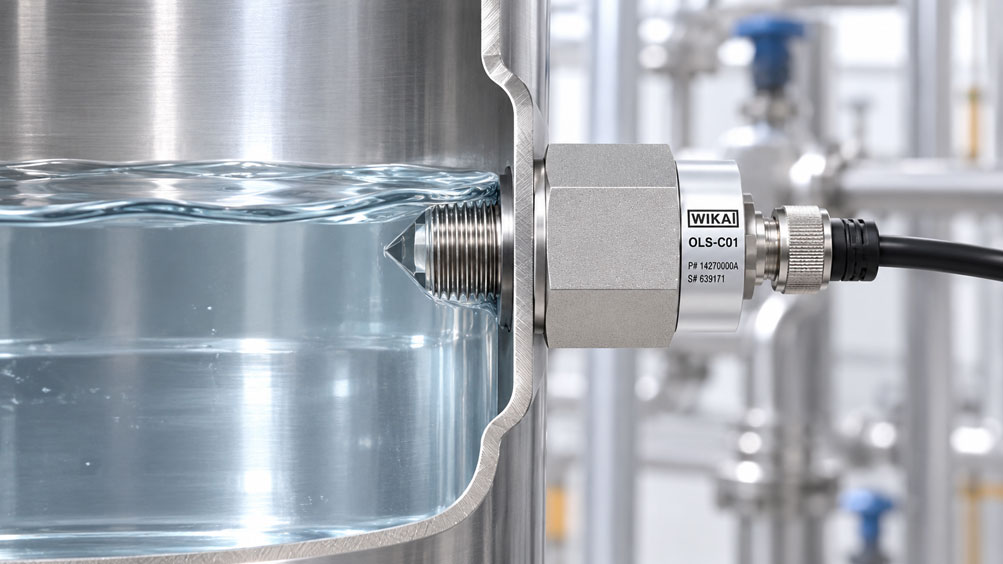
Selecting a Conductive Level Switch: Considering Minimum Conductivity, Electrode Spacing and Build-up

Conductive level switches are a simple and robust solution for detecting water and other electrically conductive liquids. They can be used for overfill protection...

Beitrag

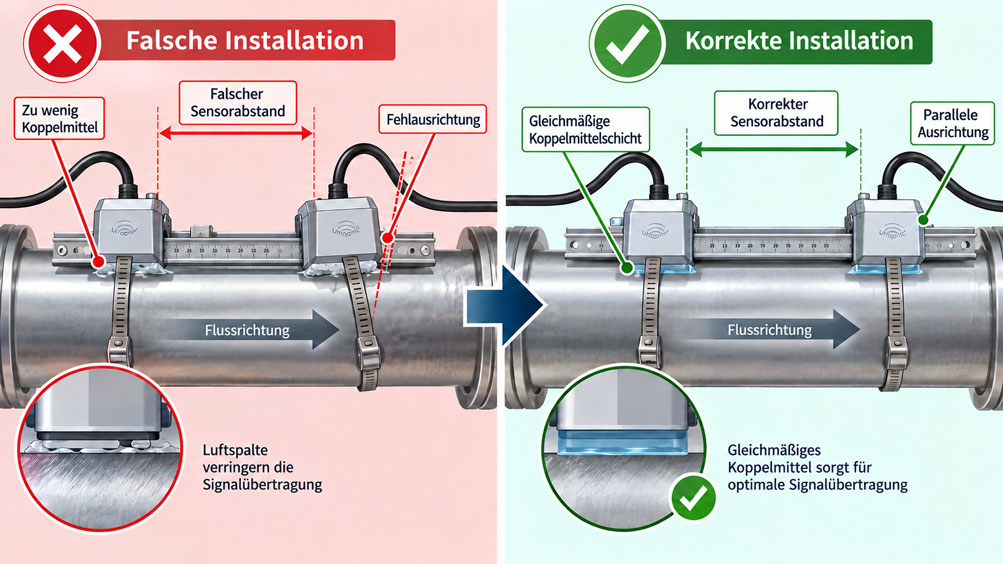
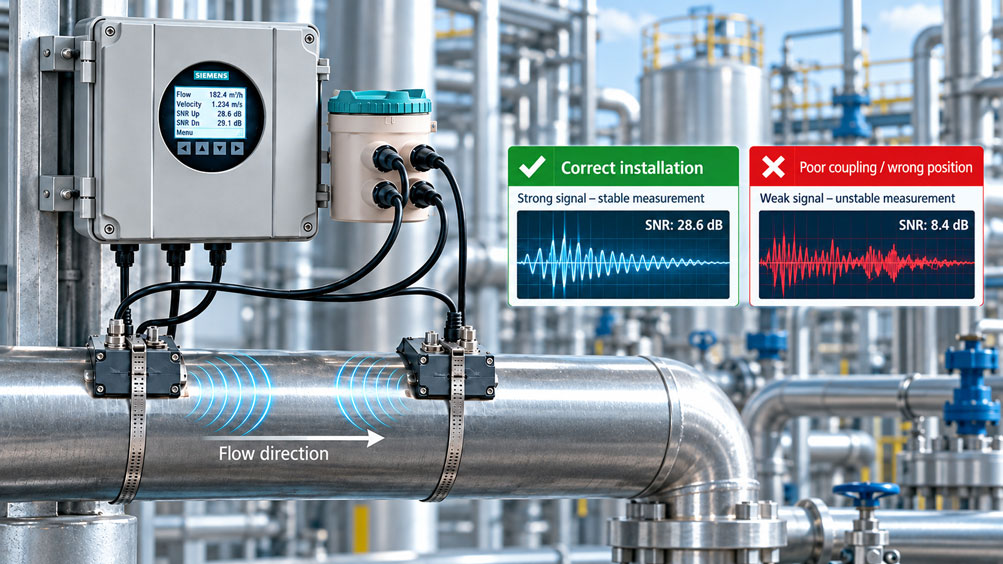
Ultrasonic Measurement in a V, Z or W Path: Choosing the Right Sound Path for the Pipe Diameter and Medium

In clamp-on ultrasonic measurement, the sensors are attached to the outside of the pipe. The pipe does not need to be opened or cut, and the sensors do not come...

Beitrag

Protecting a Pressure Measuring Point Against Overpressure: Correctly Sizing the Overpressure Protector, Measuring Range and Safety Margin

A pressure measuring point operates reliably at 6 bar under normal conditions. However, when the system starts up, a valve closes rapidly or an operating error occurs...

Beitrag

Ring Earth Conductors and Earthing Systems: Assessing Step and Touch Voltages During an Earth Fault

The measured earth resistance of an installation is low, and the connections of the ring earth conductor appear to be electrically continuous. Does this automatically...

Beitrag

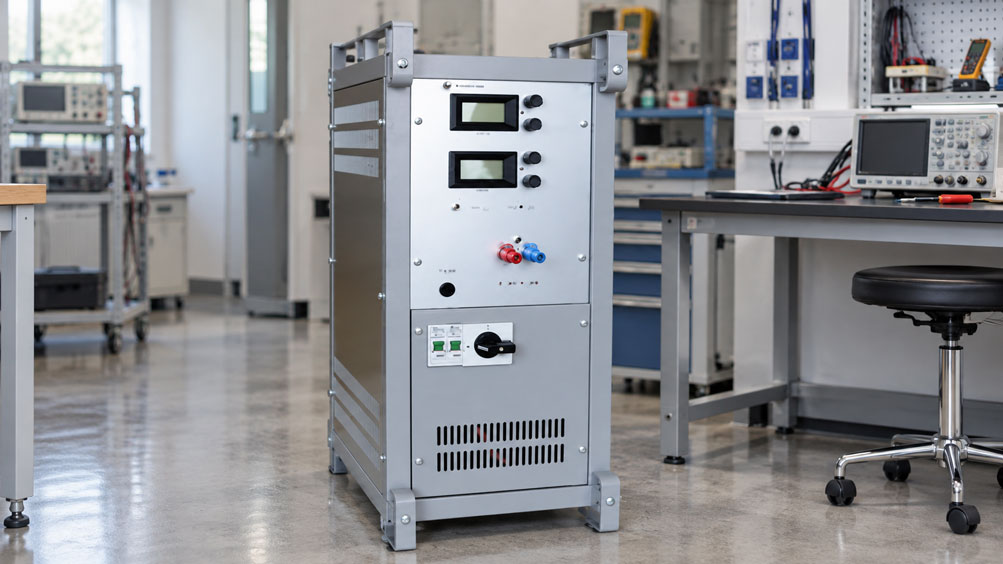
Generating Symmetrical ± Voltages with a Bench Power Supply: Connecting Two Outputs in Series Correctly

Operational amplifiers, instrumentation amplifiers, analog filters and many other analog circuits require more than a single positive supply voltage...

Beitrag

SIL2 Melt Pressure Sensor in an Extruder: Correctly Planning Proof Testing, Diagnostics and the Safety Function

Melt pressure is one of the most important process variables in an extrusion system. Excessive pressure upstream of the screen, die or nozzle can indicate blockage...

Beitrag

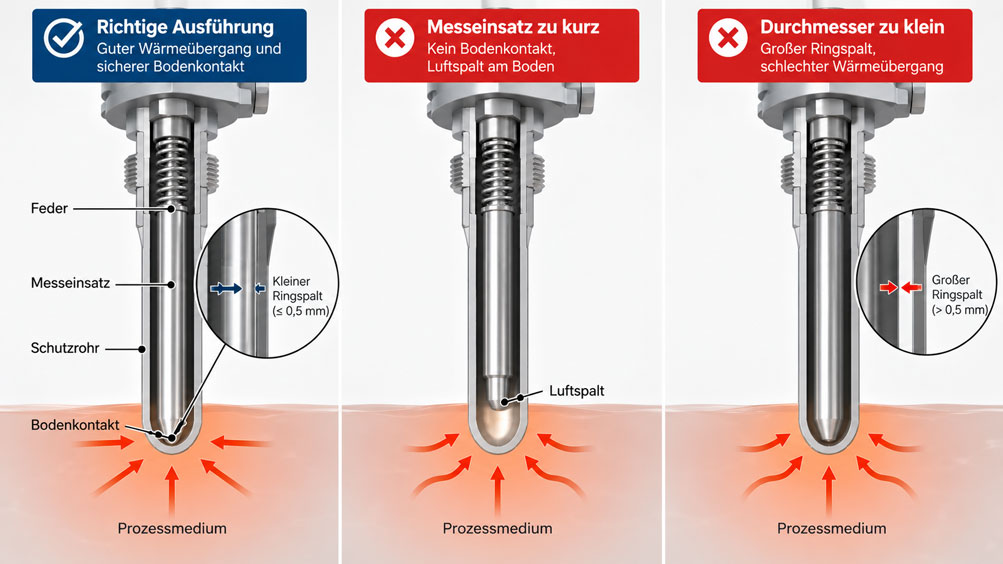
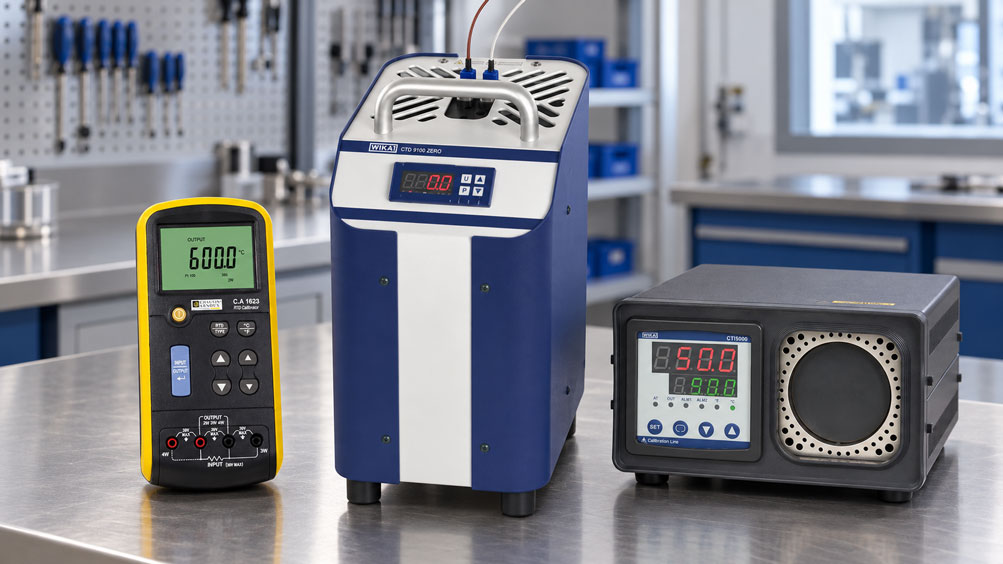
Dry-Block Calibrator with the Wrong Insert: Air Gap, Immersion Depth and Axial Uniformity as Sources of Error

A dry-block calibrator can control temperature very stably and still produce an incorrect calibration result. In such cases, the cause is often not the calibrator...

Beitrag

Testing Circuit Breaker Timing: Measuring Opening Time, Closing Time and Pole Synchronism Correctly

A circuit breaker may appear electrically faultless while still operating mechanically too slowly, unevenly or with poor repeatability. Particularly with medium...

Beitrag

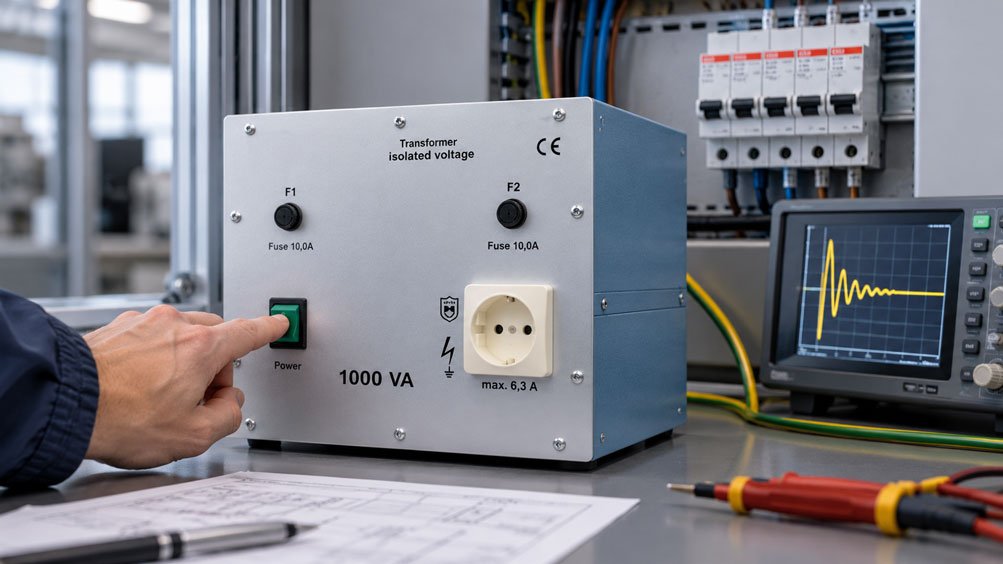
Selecting a Frequency Converter for 50/60 Hz Testing: Correctly Sizing Voltage, Frequency and Load Type

An electrical device designed for 60 Hz cannot be realistically tested in Germany simply because a 230 V mains supply is available. For a reproducible functional test,..

Beitrag

Monitoring a Reference Standard Between Calibrations: Using Check Measurements and Drift Limits Effectively

A valid calibration certificate confirms the condition of a reference standard at the documented calibration dates. However, it does not automatically guarantee that...

Beitrag

Teaching a Capacitive Point Level Switch: Consider Dielectric Constant, Vessel Wall and Buildup

Capacitive point level switches can detect liquids, pastes, slurries, powders and bulk solids. Unlike a float switch, they do not respond to mechanical movement...

Beitrag

Extending Load Cell Cables: Correctly Accounting for 4- and 6-Wire Technology, Sense Lines and Voltage Drop

Load cells often provide only a very small analog output signal in the range of a few millivolts. At the same time, the strain gauge measuring bridge must be supplied...

Beitrag

Polarization Index PI and DAR: Correctly Assessing Insulation Condition

A single insulation resistance value of, for example, 500 MΩ initially only indicates the resistance of the insulation system at a specific point in time, at a specific...

Beitrag

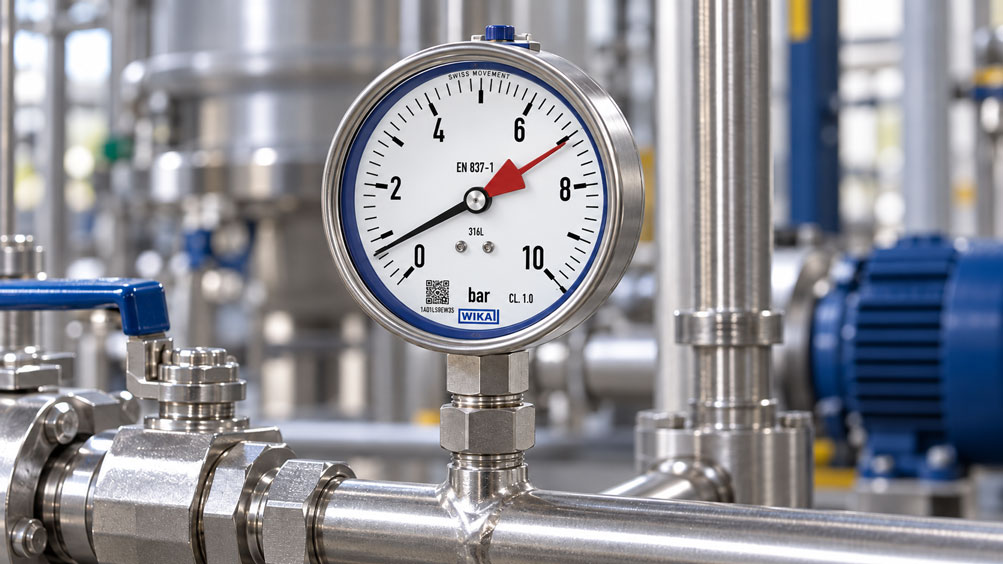
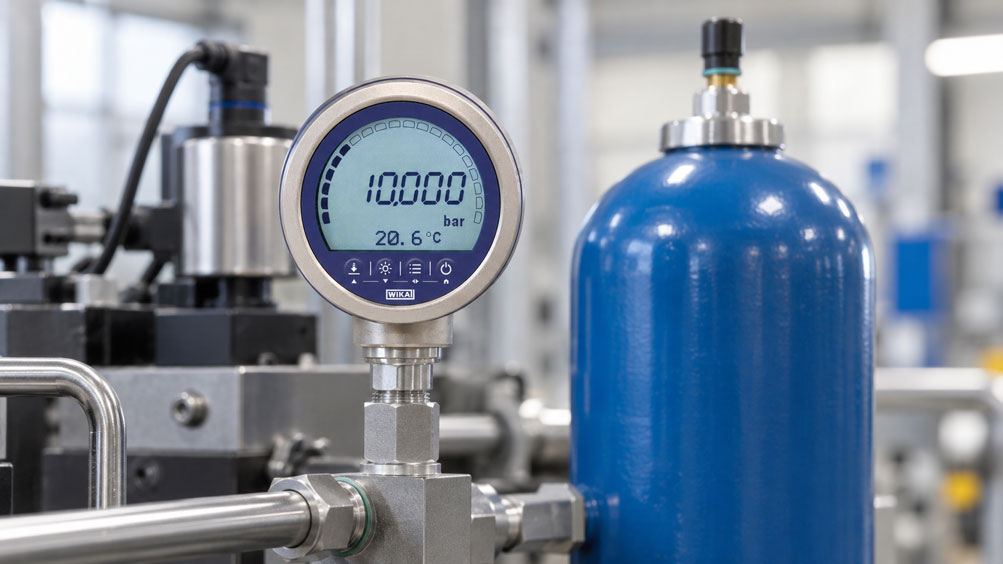
Glycerin or Silicone Oil in Pressure Gauges: Choosing the Right Filling Liquid

Liquid-filled pressure gauges are mainly used where vibrations, pulsating pressures or mechanical shocks cause the indication of an unfilled pressure...

Beitrag

Insulation Testing of Long Cables: Consider Charging Time and Safe Discharge

Long electrical cables do not behave like a simple high-resistance load during an insulation test. Electrical capacitance exists between conductors, shield...

Beitrag

Correctly Sizing Inverters for Motors and Inductive Loads

An electric motor with a rated power of 800 W cannot automatically be operated reliably with an inverter rated for 1,000 W continuous power. During startup...

Beitrag

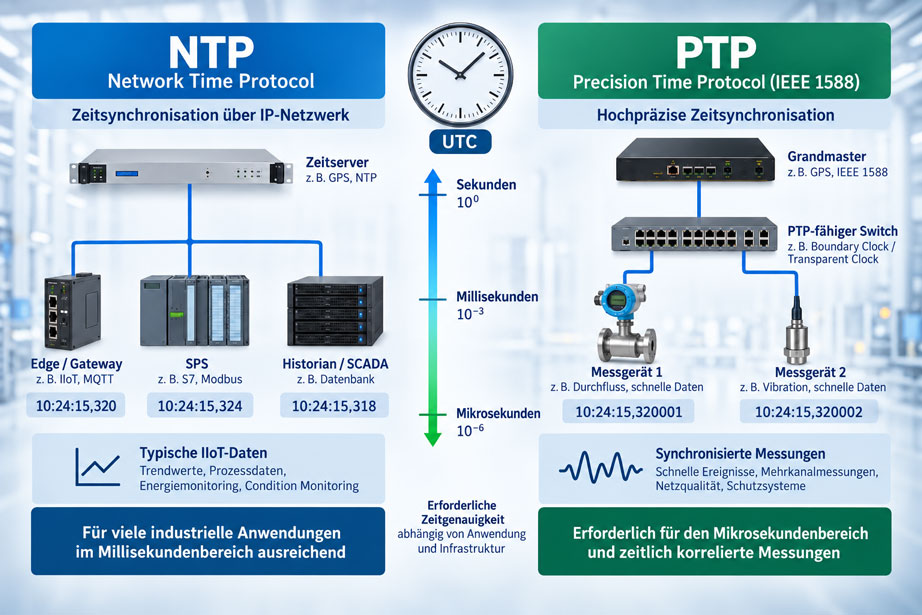
Timestamps for IIoT Measurement Data: Sensor, PLC or Gateway?

A measured value without a reliable time reference is often of only limited use in an IIoT application. This becomes particularly apparent in the case of faults...

Beitrag

Height Difference in Pressure Calibration: Calculating Head Correction Correctly

During pressure calibration, the reference and the device under test should ideally be located at the same hydraulic or pneumatic reference height. In practice, however...

Beitrag

Measuring Compressed Air Consumption Correctly: Understanding Nm³/h and m³/h

Compressed air consumption can only be evaluated unambiguously and compared between different measuring points if it is clearly defined which pressure and...

Beitrag

Pt100 Insulation Faults: Diagnosing Moisture in the Sensor Correctly

A Pt100 can still provide an apparently plausible resistance value electrically while measuring incorrectly if the insulation between the measuring circuit and the metallic...

Beitrag

Variable-Area Flowmeter with Limit Switch: Monitor Min./Max. Flow

A variable-area flowmeter with limit switches combines a directly readable local flow indication with simple electrical min./max. monitoring, without necessarily requiring...

Beitrag

Retrofitting Strain Transducers: Measuring Machine Forces Indirectly

A strain transducer makes it possible to retrofit force measurement to existing machines, presses, steel structures or vessel supports without having to install...

Beitrag

Determining Concentration with Coriolis Density Measurement: Using Temperature Compensation Correctly

Coriolis density measurement can continuously determine the concentration of a liquid mixture in the process when the relationship between density, temperature and...

Beitrag

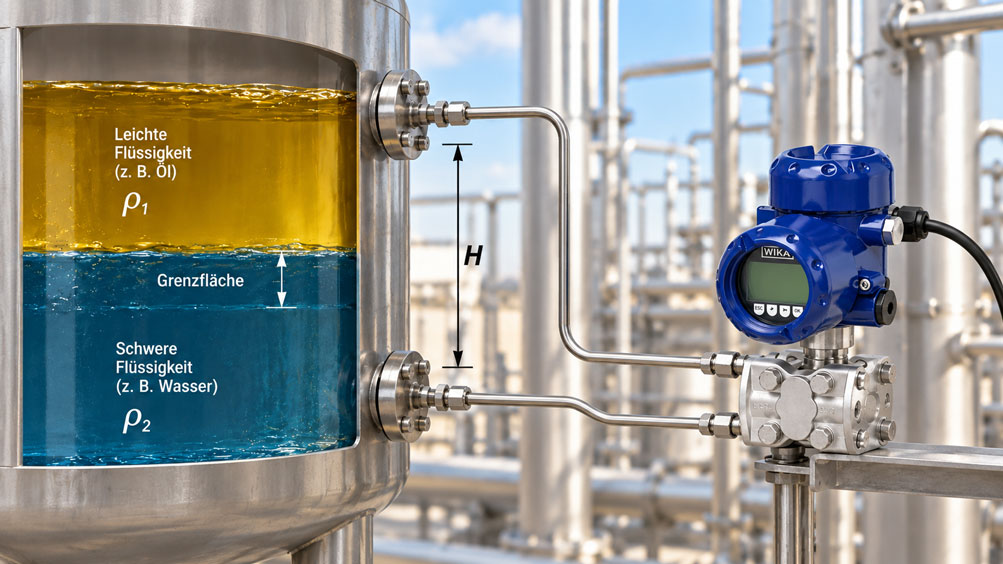
Measuring Level in a Pressurized Tank: Correctly Compensating Gas-Space Pressure

In a closed, pressurized tank, the level can only be determined reliably by hydrostatic measurement if the gas-space pressure acting on the...

Beitrag

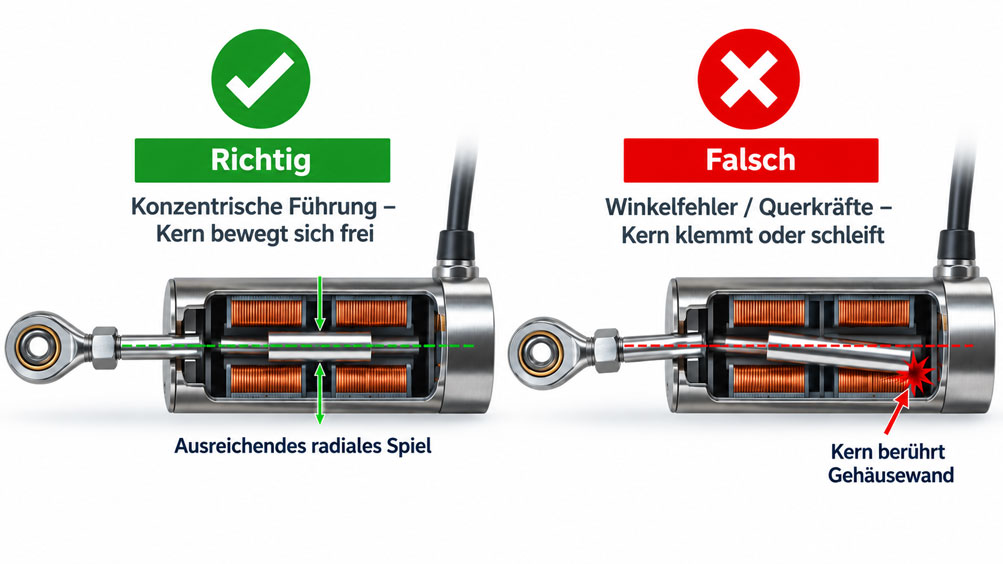
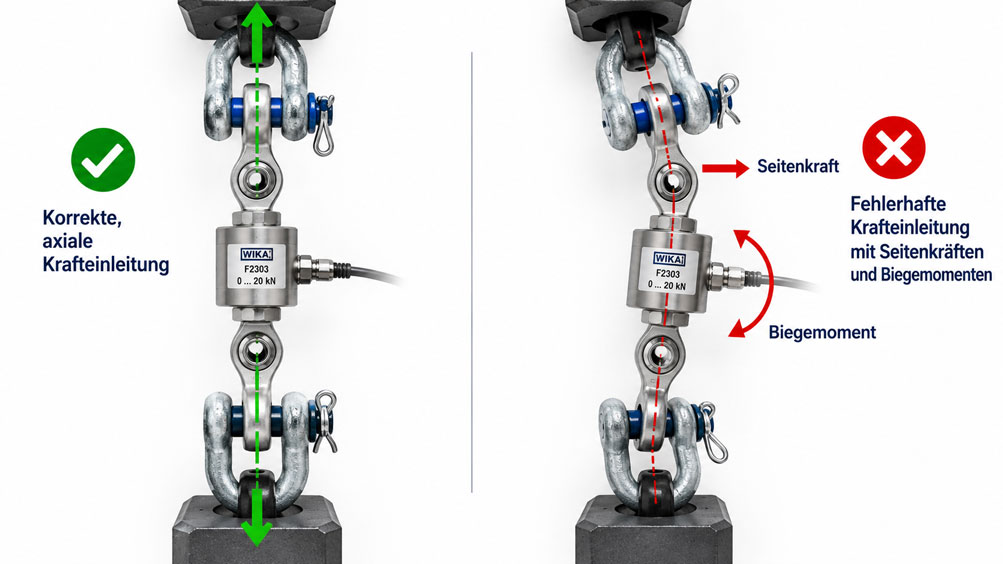
Ring Load Cells for Bolt Preload: Avoid Transverse Forces

A ring load cell can directly measure the actual preload force of a bolted joint when the bolt force is transmitted through the sensor concentrically, axially and...

Beitrag

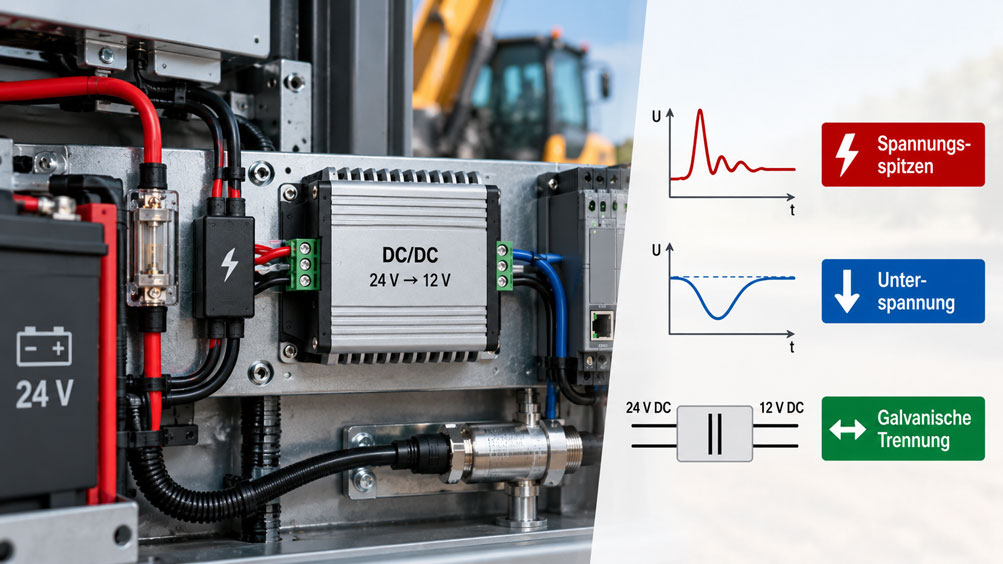
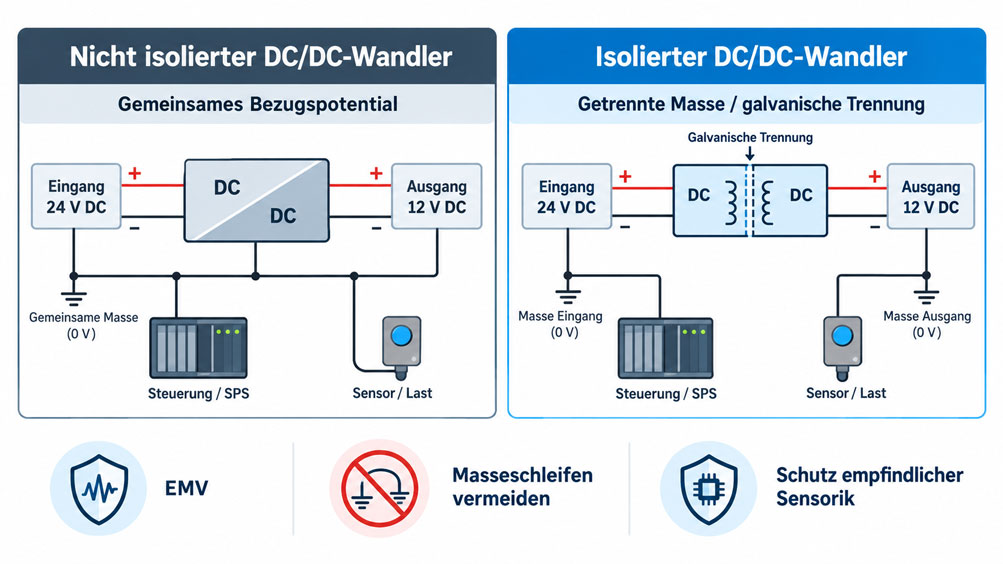
Galvanically Isolated DC/DC Converters: Safely Separating Ground Potentials

Two circuits can both operate at 24 V DC and still have different ground potentials that can lead to measurement errors, equalizing currents or difficult-to-trace EMC problems...

Beitrag

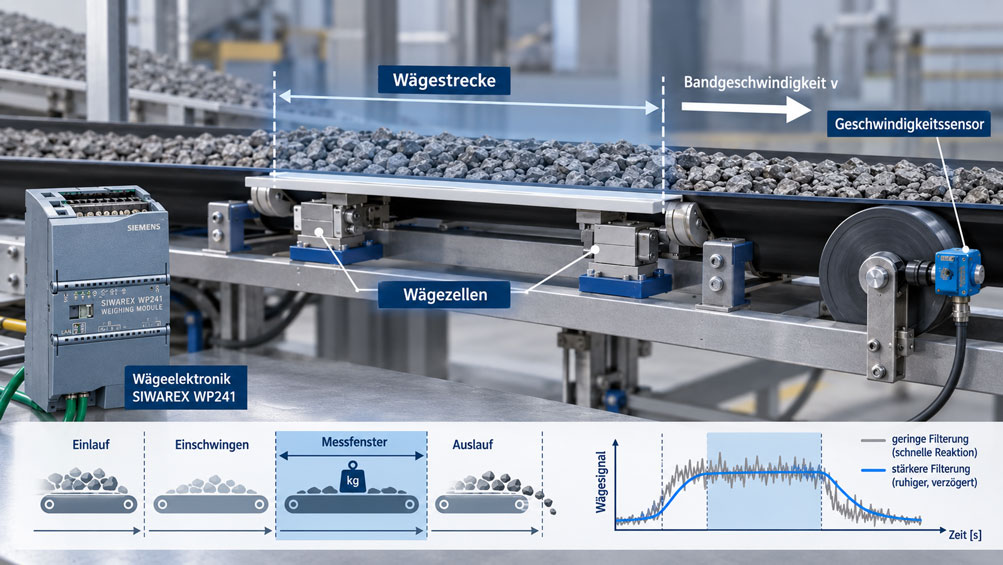
Calibrating a Belt Scale: Correctly Recording Zero Point, Belt Speed and Test Load

A belt scale can only provide reproducible flow-rate and totalized quantity values when the weighbridge, conveyor belt, speed measurement and...

Beitrag

Designing Reed Level Transmitters: Selecting Resolution and Float Magnet Correctly

A reed level transmitter can measure liquid level reliably and continuously when the float, magnet, reed measuring chain and mechanical design are consistently...

Beitrag

Power Supply Derating in Control Cabinets: Planning Temperature Reserves Correctly

A switching power supply can deliver its rated power without any problems in an air-conditioned test room and still reach its thermal operating limit inside...

Beitrag

Monitoring Mains Frequency: Recording Underfrequency and Overfrequency Events Correctly

For troubleshooting, the mains frequency must therefore not only be measured instantaneously, but recorded over a sufficiently long period of time. The following are...

Beitrag

Scaling a 4–20 mA Digital Indicator: Displaying the Process Value Correctly

When configuring a 4–20 mA digital indicator, the input signal, lower and upper display value, decimal point and, where applicable, engineering unit must therefore...

Beitrag

Measuring Transformer Winding Resistance: Applying Temperature Correction Correctly

After the DC test current is switched on, it may therefore take some time for the current to stabilise and for a reliable resistance value to be obtained...

Beitrag

Connecting Laboratory Power Supplies in Parallel or Series: Observe Limits and Protection

An obvious solution is therefore to combine two power supply outputs. There are basically two different configurations...

Beitrag

Testing Welding Equipment in Accordance with DIN EN IEC 60974-4: Performing Measurements Correctly

An arc welding machine is electrically significantly more complex than many conventional portable electrical appliances. In addition to the mains circuit, it has a galvanically...

Beitrag

S3 Safety Pressure Gauges: Selecting the Correct Solid Front and Blow-Out Direction

A pressure gauge is installed directly on a pressure line and is regularly read by operating personnel. Under normal operating conditions, the measuring point...

Beitrag

Installing Rotameters Correctly: Consider Installation Position, Back Pressure and Pulsation

A variable-area flowmeter shows a stable flow rate in the test setup. After installation in the system, however, the pointer begins to fluctuate, the measured value...

Beitrag

Submersible Probe Shows Incorrect Level: Protect the Vent Cable Properly

A hydrostatic submersible probe reliably measures the level of an open tank for months. After a change in weather, however, the measured value suddenly deviates...

Beitrag

Checking Corner Load on Platform Scales: Correctly Balancing Four Load Cells

The zero point and central calibration can therefore be correct while the scale displays different values depending on the position of the load...

Beitrag

Pressure Balances and Local Gravity: Correctly Adjusting the Reference Pressure

If a nominal test point of 100 bar is set, the same mass does not generate exactly 100 bar there, but a slightly higher pressure due to the higher gravitational force...

Beitrag

Selecting SF₆ Service Couplings: Plan Self-Sealing Function and Dead Volume for Minimal Gas Loss

An SF₆ service unit is to be connected to a gas-insulated switchgear system. The system connection may, for example, have a larger nominal size, while the...

Beitrag

Modbus RTU in the Control Cabinet: Correctly Setting Termination, Biasing and Addresses

Several Modbus I/O modules are mounted on the DIN rail, the supply voltage is present and each device works individually. However, as soon as all...

Beitrag

THD or TDD: Correctly Interpreting Harmonic Values Under Varying Load

A frequency converter is operating at low load. The power quality analyzer suddenly shows: THD-I = 42 % At full load, however, it was only THD-I = 18 %...

Beitrag

G1/4 EN 837 or G1/4 DIN 3852: Correctly Distinguishing the Sealing Principle on Pressure Gauges

A pressure gauge is marked: G 1/4 and the existing connection on the machine also has a G 1/4 thread. The measuring instrument should therefore fit. However, when it is...

Beitrag

Thermocouple Cold Junction Compensation: Avoiding Connection Errors at Terminals

A Type K thermocouple measures, for example: 500 °C in the process and is connected several meters away to a PLC or temperature transmitter. Along the way...

Beitrag

Sizing an Orifice Plate: Balancing Beta Ratio and Permanent Pressure Loss Correctly

An orifice plate is intended to measure the flow rate in a pipeline. This quickly raises the question: How large should the orifice bore be? A smaller bore generates...

Beitrag

Using Sight Glass Level Indicators Safely with Hot Media

A sight glass level indicator provides a particularly simple way of checking the level: the operator can directly see how high the liquid level is inside the vessel...

Beitrag

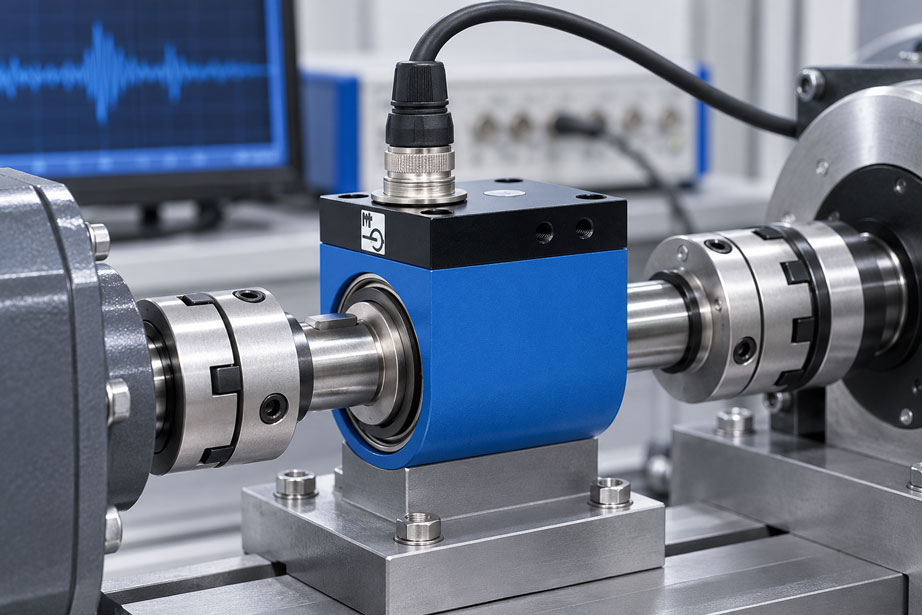
Statically Testing a Torque Sensor: Using Force and Lever Arm as a Reference

A torque sensor is to be tested at 100 Nm. A second torque transducer is not necessarily required for this purpose. A known torque can also be generated using a...

Beitrag

Test Gas for Gas Analyzers: Selecting Zero Gas and Span Gas Correctly

A gas analyzer has a measuring range of 0 … 1,000 ppm CO. Test gases with 100 ppm, 500 ppm and 900 ppm CO are available for verification. Which one is the correct...

Beitrag

Calibrating an Absolute Pressure Sensor with a Gauge Pressure Reference: Correctly Applying Barometric Correction

An absolute pressure sensor is to be tested at 6 bar absolute. However, only a high-accuracy gauge pressure reference is available. Can it still be used for calibration...

Beitrag

Avoiding IIoT Alarm Floods: Configuring Hysteresis and Delay Correctly

A pressure sensor monitors a filter and is intended to trigger an alarm at a differential pressure of 2.0 bar. However, the actual measured value fluctuates between...

Beitrag

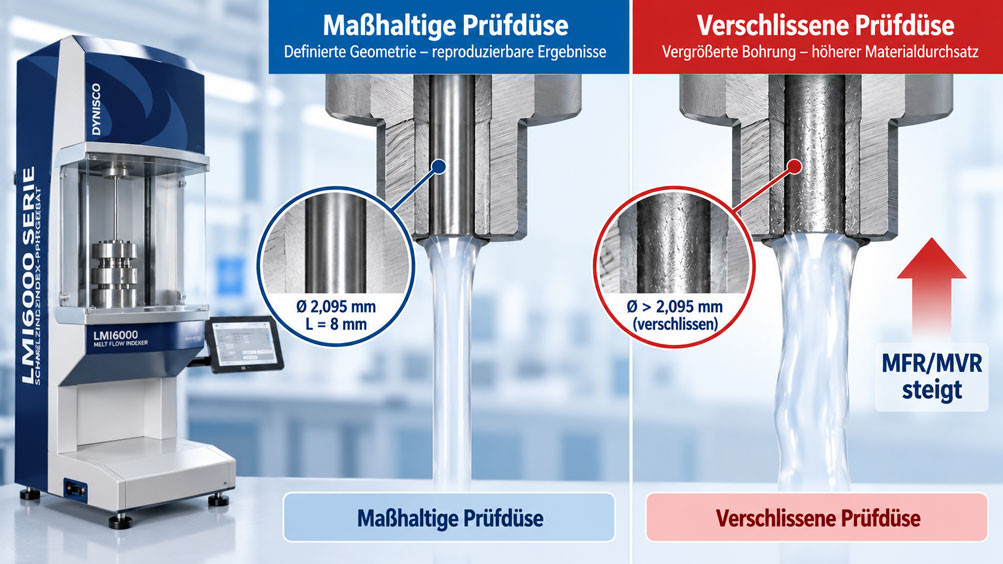
MFR or MVR: Correctly Distinguish Melt Mass-Flow Rate and Melt Volume-Flow Rate

A polypropylene is specified with an MFR of 12 g/10 min, while the test instrument reports an MVR of 15 cm³/10 min for another batch. Are the two materials therefore...

Beitrag

Dose Rate and Distance: Applying the Inverse Square Law in Radiation Protection

If a dose rate of 100 µSv/h is measured at a distance of 1 m from a radioactive point source, an immediate question arises when planning the measurement: What dose...

Beitrag

Voltage Transformers for Measuring Circuits: Correctly Select Ratio, Burden and Protection

A voltage transformer with a ratio of 400 V / 100 V initially seems simple to select: 400 V is applied on the primary side and the measuring instrument receives...

Beitrag

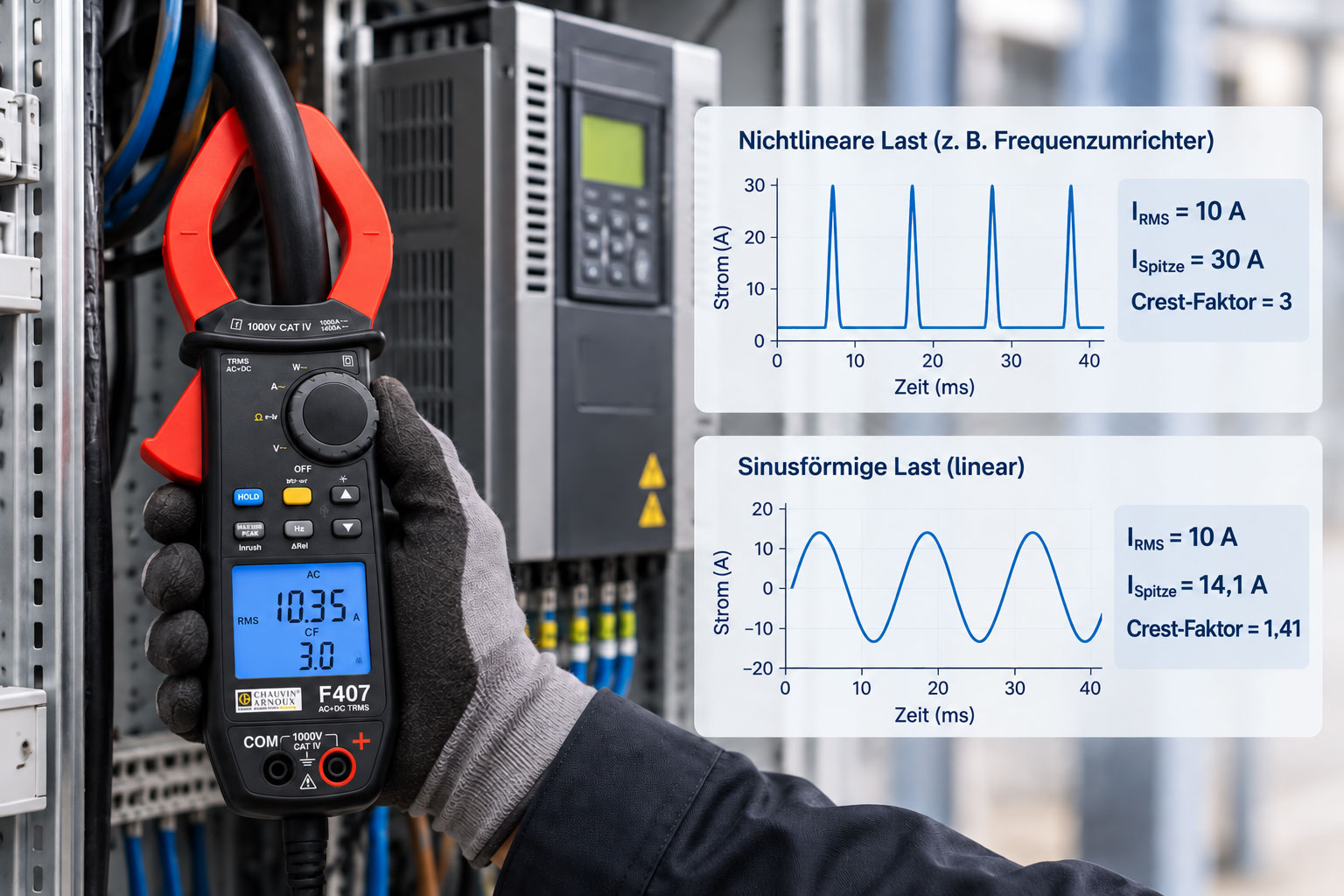
Cos φ and True Power Factor: Correctly Evaluate Power Factor with Variable Frequency Drives

A variable frequency drive may, for example, show a cos φ of 0.98 on the mains side, while the power analyzer measures a total power factor...

Beitrag

Connect a Pressure Gauge Radially or Axially: Choose the Right Installation Position

A pressure gauge with a measuring range of 0 … 10 bar can be perfectly suited to the application from a metrological perspective and still turn out to be the...

Beitrag

Connect a Temperature Switch to a PLC: Understanding PNP and Switching Logic

An electronic temperature switch may, for example, correctly show 72 °C on its display while the PLC input remains permanently at 0. In another case...

Beitrag

Correctly Evaluate Oil Condition Sensors: Detect Aging Trends Early

A single measurement of dielectric constant or conductivity is not enough to reliably determine whether hydraulic or lubricating oil needs to be changed. Two different fresh...

Beitrag

Convert Level to Liters: Correctly Linearize a Horizontal Cylindrical Tank

A fill level of 50 % in a horizontal cylindrical tank actually corresponds to 50 % of the tank volume. However, at 25 % fill height, the tank does not contain 25 % of...

Beitrag

Calculate Speed Sensor PPR: Correctly Determine Pulse Frequency and Rotational Speed

A speed sensor may appear suitable for 10.000 min⁻¹ and still reach its frequency limit at a significantly lower rotational speed. The decisive factor...

Beitrag

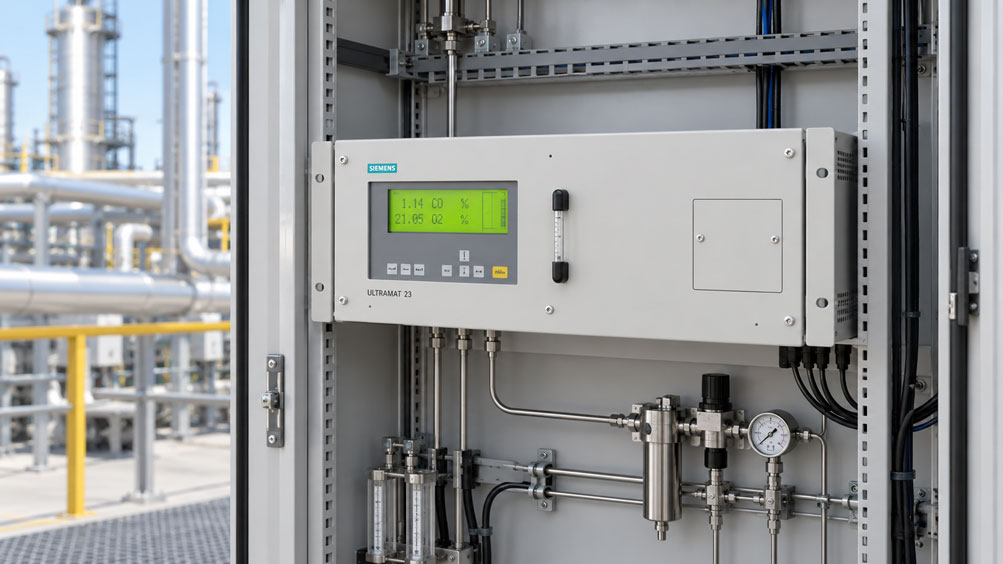
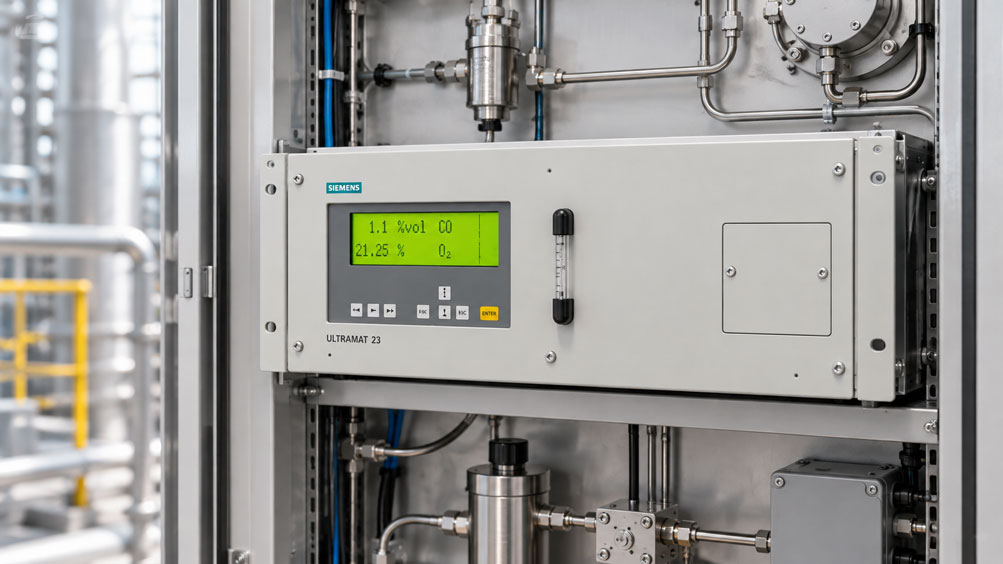
Oxygen Analysis in Process Applications: How to Compare Paramagnetic, Electrochemical and Other Measurement Principles

An oxygen concentration of 2 % can place completely different demands on measurement technology depending on the process. In a combustion plant, the O₂ value...

Beitrag

Measurement Uncertainty with a Dry Block Calibrator: Considering Stability, Uniformity and Reference Probe Separately

A dry block calibrator can display an almost unchanged temperature for several minutes and still produce different temperatures in two different wells. Likewise, a highly...

Beitrag

Modbus TCP Gateway Overloaded: Correctly Sizing Polling Interval, Number of Connections and Timeout

A Modbus TCP gateway may initially work perfectly after commissioning, but with every additional measuring device and every new visualization, response times...

Beitrag

Wiring Melt Pressure Sensor Connectors: Correctly Connecting Signal, Supply and Shielding on Extruders

A melt pressure sensor can be mechanically installed correctly in an extruder and still provide an incorrect, unstable or no measured value at all. In such cases, the cause is often...

Beitrag

Dose Rate Meter at Very High Ambient Dose Rates: Safely Evaluating Overrange, Saturation and Measuring Range Changes

When approaching an unknown radiation source, the indicated dose rate can increase by several orders of magnitude over a short distance. As long as the measured value...

Blog Posts → View all posts

Beitrag

Measuring oil content in compressed air: assessing aerosol and oil vapour as different contaminants

A compressed air system is monitored downstream of an activated carbon filter using a residual oil measuring device. The instrument displays, for example, only...

Beitrag

Statistically evaluating contamination measurements: correctly interpreting counting time, count rate and detection limit

A contamination monitor initially shows 18 Ip/s on a surface, a few seconds later 23 Ip/s and during another measurement 20 Ip/s. Has the contamination actually...

Beitrag

Distinguishing SF6 gas density and gas pressure during filling: understanding temperature compensation correctly

An SF6-insulated switchgear system is to be refilled after maintenance. The system documentation specifies, for example, a defined filling pressure...

Beitrag

Assessing a pH electrode: identifying slope, zero point and aging from calibration

A pH electrode can still be calibrated successfully, but the process takes increasingly longer. In the calibration record, the slope is no longer approximately...

Beitrag

Hydrogen pressure measurement with many load cycles: taking pressure cycling and measuring diaphragm fatigue into account

A hydrogen pressure sensor has a measuring range of 0 ... 400 bar and is used in an application in which the pressure regularly cycles between 30 bar and...

Beitrag

SITRANS P320 with pulsating process pressure: correctly distinguishing electronic damping from real pressure peaks

A SITRANS P320 measures the pressure downstream of a pump. Without additional damping, the displayed value fluctuates continuously, for example between...

Beitrag

Dynisco melt pressure sensor installed too deep or too shallow: correctly checking diaphragm position in the mounting hole

A melt pressure sensor is screwed back into the extruder after maintenance. The output signal is generally present, but it responds more slowly to process changes than before...

Beitrag

Transmit measured value plus quality status: using Good, Bad and Uncertain meaningfully in IIoT data models

A pressure sensor has been reporting a constant value of 6.42 bar for hours. The trend in the dashboard looks completely stable. In reality, however, communication with...

Newsletter Subscription

How often is the newsletter sent?
1 x per month

What content is provided?
Special offers
Informative articles
Product presentations
News

News

Product

We present the new PM620LP ‚Ultra-low‘ - pressure module by DRUCK.

→ more info

Job Offers

We are looking for a Technical Sales Representative (m/f/d) for measurement and calibration technology.

→ more info

Promotions

The ICS product catalog for DRUCK (Baker Hughes) products offers a comprehensive overview of the current range.

→ View catalog

Promotions

Chauvin Arnoux offers exclusive deals in the new brochure. The special offer is valid until August 21, 2024.

→ View catalog

News

Job Offers

We are looking for a Technical Sales Representative (m/f/d) for measurement and calibration technology.

→ more info

Promotions

The ICS product catalog for DRUCK (Baker Hughes) products offers a comprehensive overview of the current range.

→ View catalog

Promotions

Chauvin Arnoux offers exclusive deals in the new brochure. The special offer is valid until August 21, 2024.

→ View catalog

Newsletter Subscription

How often is the newsletter sent?
1 x per month

What content is provided?
Special offers
Informative articles
Product presentations
News