


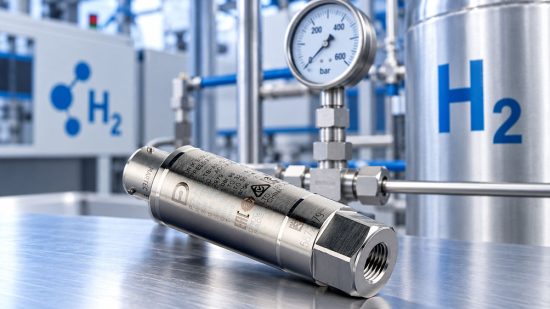
Releasing a Hydrogen Test Bench After Sensor Replacement: Leak Testing, Zero-Point Verification and Functional Checks
Replacing a pressure sensor on a hydrogen test bench involves more than routine maintenance. Opening...
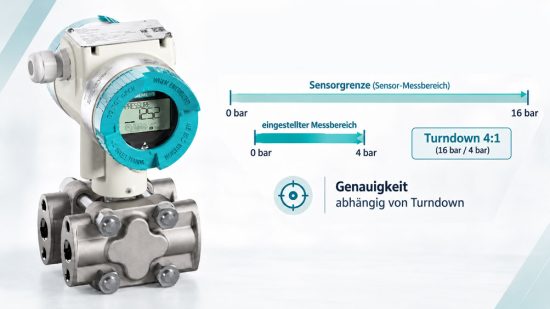
Using SITRANS P320 Turndown Correctly: Understanding Sensor Limits, Configured Measuring Range and Accuracy
The Siemens SITRANS P320 is a digital process pressure transmitter whose measuring span can be...

Checking a Dynisco Sensor Before Production Start-Up: Heating Phase, Zero Signal and Shunt Test in the Correct Sequence
A reliable melt pressure signal is an essential requirement for the controlled start-up of extruders...
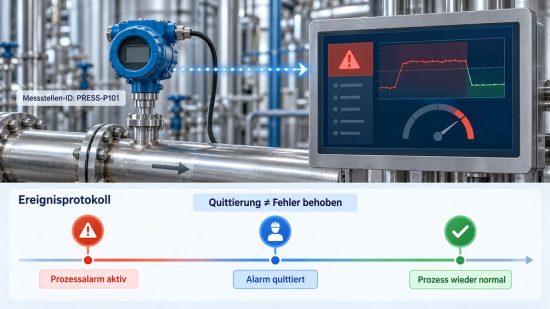
Separating Alarm Acknowledgement and Event Logging: Correctly Documenting Operator Actions and Process Events
In an industrial plant, an IIoT system monitors the pressure of a pump. When the...
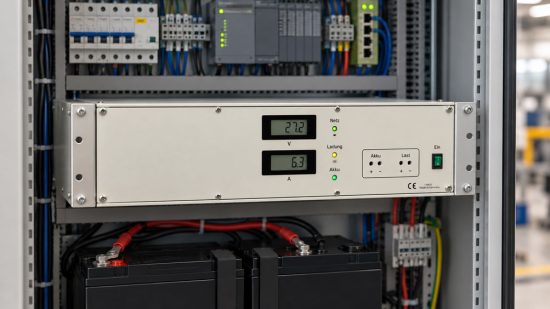
Buffer Charger Supplying a 24 V Load Simultaneously: Sizing Charging Current and Load Current Separately
In an industrial control cabinet, a 24 V buffer charger supplies a PLC, several transmitters,...
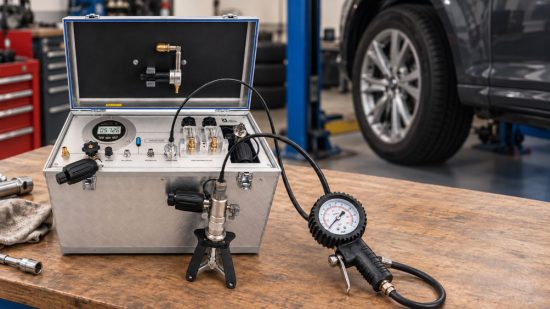
Test Pressure in a Tire Inflation Gauge Is Unstable: Systematically Checking Leaks, Couplings, Volume and Temperature
A tire inflation pressure gauge needs to be tested in an automotive workshop. The instrument...
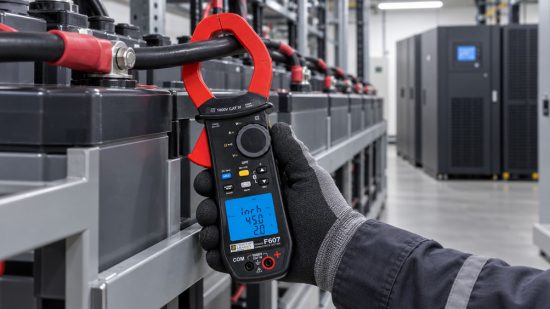
Measuring Ripple Current in UPS Battery Strings: Evaluating AC Components, Chargers and Cell Stress
During maintenance of an uninterruptible power supply (UPS), it is observed that individual batteries are...
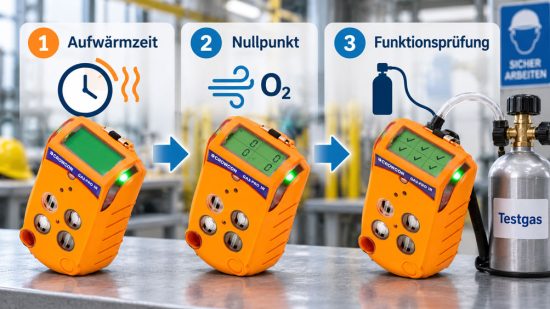
Reusing a Gas Detector After Extended Storage: Warm-Up Time, Zero Point and Functional Testing
A portable multi-gas detector has been stored in a tool cabinet for several months following...
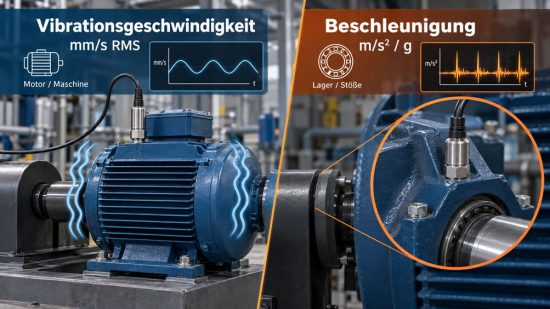
Measuring Vibration Velocity or Acceleration: Selecting the Right Parameter for Bearings, Motors and Machines
An electric motor in a production plant is regularly monitored for unusual vibrations. The measured...

Color-Coding MINIMESS Service Points: Reducing Confusion Between Pressure Circuits and Media During Maintenance
Several MINIMESS service points are located close together on a hydraulic power unit. Maintenance personnel...