


Category Archives: Beitrag

Protecting a Pressure Measuring Point Against Overpressure: Correctly Sizing the Overpressure Protector, Measuring Range and Safety Margin
A pressure measuring point operates reliably at 6 bar under normal conditions. However, when the...
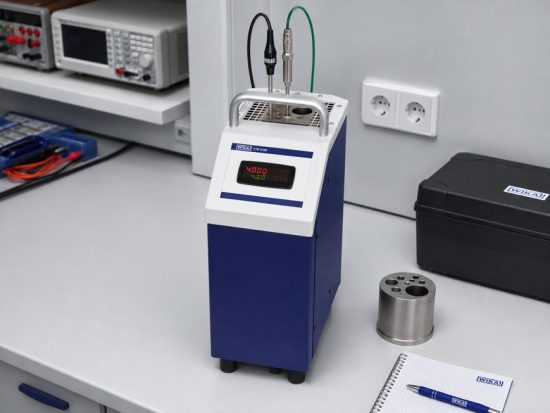
Dry-Block Calibrator with the Wrong Insert: Air Gap, Immersion Depth and Axial Uniformity as Sources of Error
A dry-block calibrator can control temperature very stably and still produce an incorrect calibration result....

Testing Circuit Breaker Timing: Measuring Opening Time, Closing Time and Pole Synchronism Correctly
A circuit breaker may appear electrically faultless while still operating mechanically too slowly, unevenly or...

Monitoring a Reference Standard Between Calibrations: Using Check Measurements and Drift Limits Effectively
A valid calibration certificate confirms the condition of a reference standard at the documented calibration...

Teaching a Capacitive Point Level Switch: Consider Dielectric Constant, Vessel Wall and Buildup
Capacitive point level switches can detect liquids, pastes, slurries, powders and bulk solids. Unlike a...
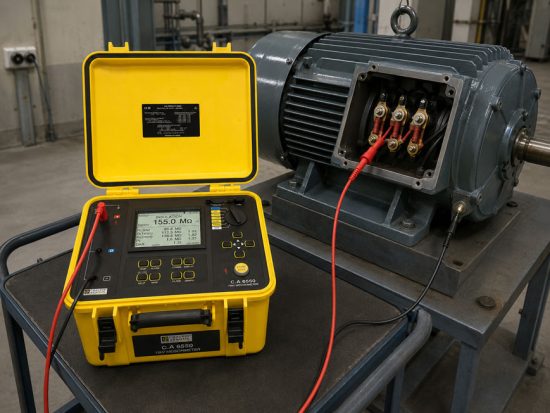
Polarization Index PI and DAR: Correctly Assessing Insulation Condition
A single insulation resistance value of, for example, 500 MΩ initially only indicates the resistance...

Glycerin or Silicone Oil in Pressure Gauges: Choosing the Right Filling Liquid
Liquid-filled pressure gauges are mainly used where vibrations, pulsating pressures or mechanical shocks cause the...

Designing Reed Level Transmitters: Selecting Resolution and Float Magnet Correctly
A reed level transmitter can measure liquid level reliably and continuously when the float, magnet,...
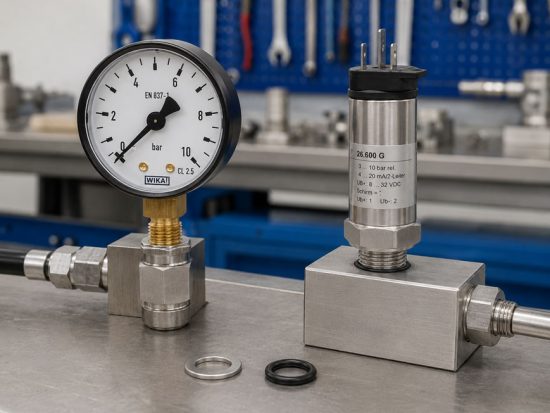
G1/4 EN 837 or G1/4 DIN 3852: Correctly Distinguishing the Sealing Principle on Pressure Gauges
A pressure gauge is marked: G 1/4 and the existing connection on the machine also...

Using Sight Glass Level Indicators Safely with Hot Media
A sight glass level indicator provides a particularly simple way of checking the level: the...