


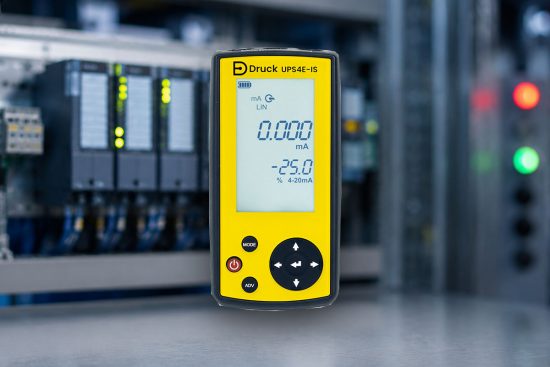
How Do I Test a Pressure Transmitter Without a PLC or Control System? – A Step-by-Step Guide for Service and Commissioning
Pressure transmitters are among the most important sensors used in industrial facilities. They measure pressure...
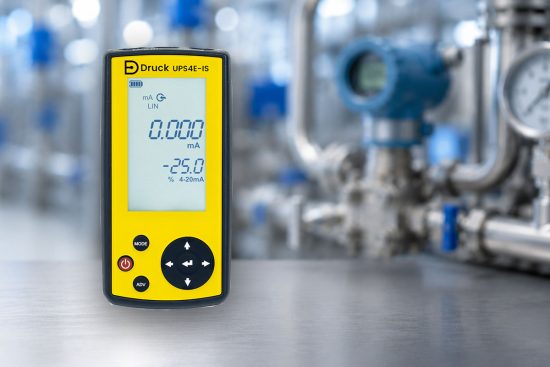
Calibrating 4–20 mA Pressure Transmitters – A Step-by-Step Guide for Accurate Measurement Results
4–20 mA pressure transmitters are among the most widely used measuring instruments in industrial measurement...
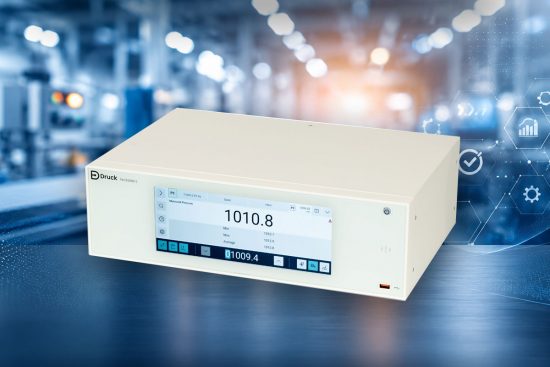
End-of-Line Testing with the PACE6000E – Automated Pressure Testing Directly in Production
In modern production environments, components and assemblies must not only be manufactured quickly but also...
What Is Auto-Ranging? Achieving Higher Accuracy Without Changing Pressure Ranges
When calibrating pressure sensors, pressure transmitters, pressure switches, or digital pressure gauges, selecting the correct...
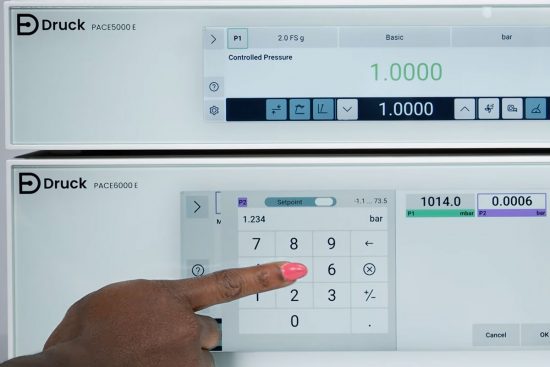
Automated Pressure Calibration with the PACE6000E
In modern calibration laboratories, manufacturing facilities, and test benches, the demands for accuracy, documentation, and...
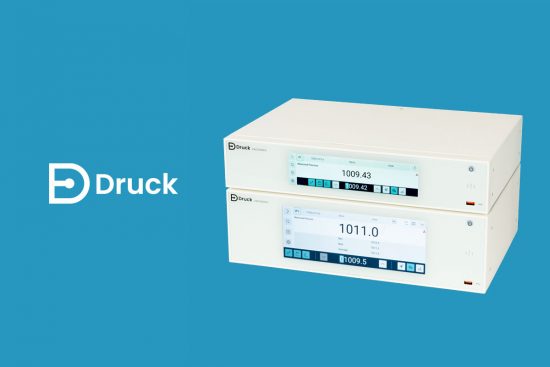
PACE6000E vs. PACE5000E – Which Pressure Controller Is the Right Choice?
With the introduction of the new PACE5000E and PACE6000E pressure controller generation, Druck offers two...
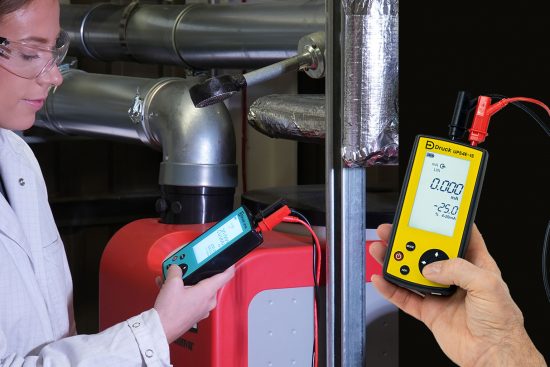
How Can I Quickly Find Faults in a 4–20 mA Current Loop?
The 4–20 mA current loop has been one of the most important signal standards in...

How Can I Safely Test Pressurized Systems?
Pressure vessels, fittings, valves, sensors, pipelines, and complete assemblies must be tested regularly in many...
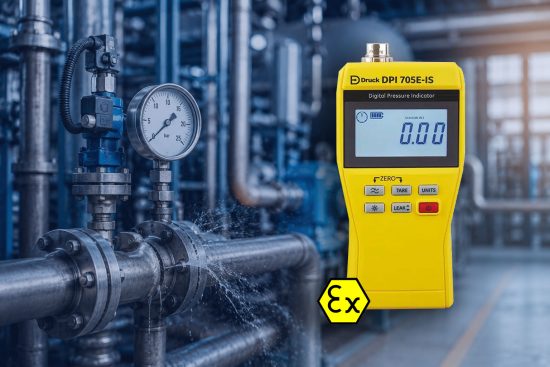
How to Quickly Detect Leaks and Faulty Pressure Transmitters
In maintenance, every minute counts. Production downtime, unnecessary service interventions, and increased energy consumption can...
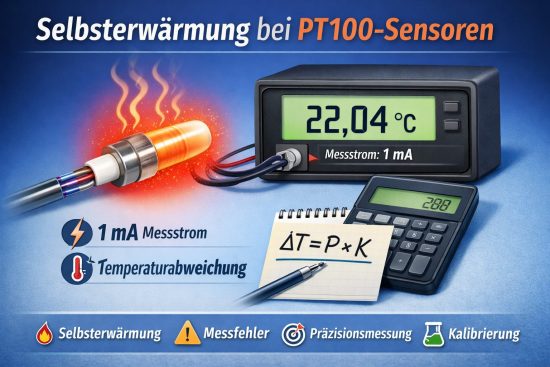
Self-Heating Effects in PT100 Sensors – A Frequently Overlooked Measurement Issue
Resistance thermometers of the PT100 type are among the most widely used temperature sensors in...