



Load Pins in Cranes and Hoists: Correctly Planning the Bearing Arrangement, Force Direction and Safety Margin
Load pins, force-measuring pins or instrumented load bolts enable direct force measurement at bearing points,...
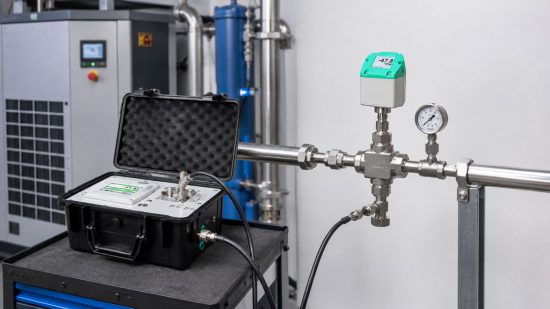
Distinguishing Pressure Dew Point from Atmospheric Dew Point: Converting Compressed-Air Values Correctly
When assessing compressed-air systems, dew point values are often compared even though they were measured...

Oil-Water Interface Measurement: Selecting Guided Wave Radar and Float Systems Correctly
Separators, storage tanks and process vessels often contain two immiscible liquids. Typical examples include water...

Oval Gear Meters for Viscous Media: Correctly Sizing Viscosity, Pressure Loss and Pulsation
Oval gear meters are particularly well suited for measuring and dosing the volumetric flow of...
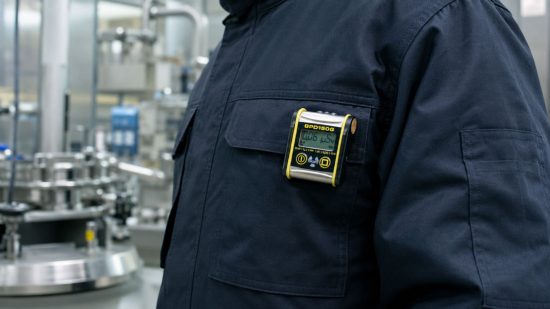
Setting Personal Dosimeter Alarms Correctly: Distinguishing Between Dose, Dose Rate and Warning Thresholds
An electronic personal dosimeter can warn of two different hazards at the same time: an...
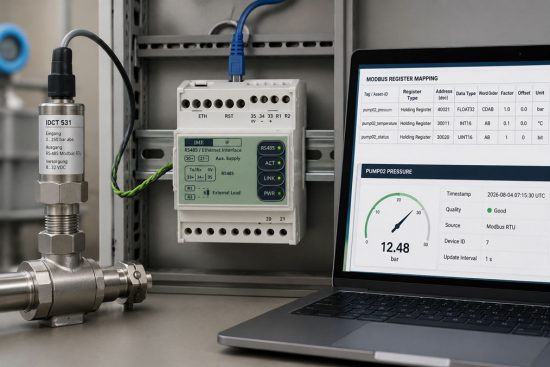
Bringing Modbus Sensors into IIoT: Clearly Document Register Mapping, Scaling and Units
Modbus sensors can be connected comparatively easily to a PLC, data logger or edge gateway....
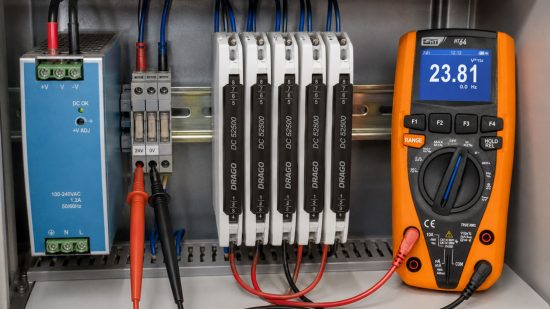
Dimensioning a 24 V DC Power Supply: Correctly Calculating Inrush Currents, Reserve Capacity and Voltage Drop
In machines and control cabinets, a 24 V DC power supply often supplies PLCs, HMIs,...
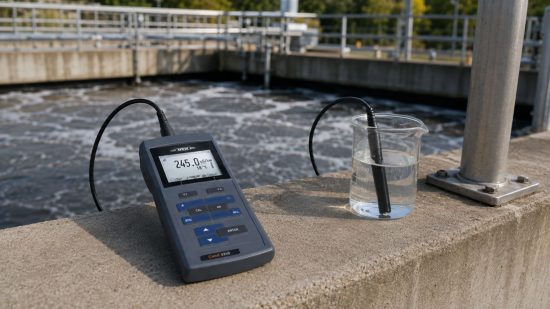
Measuring Dissolved Oxygen: Correctly Considering Air Calibration, Zero Point and Flow Dependence
The concentration of dissolved oxygen is a key measured variable in wastewater treatment plants, aquaculture...
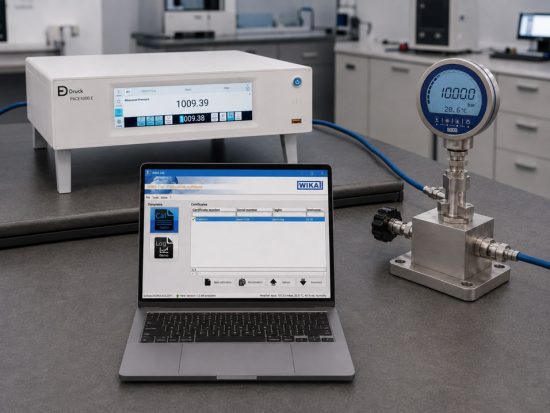
Guardbanding in Calibrations: Correctly Defining Tolerance, Measurement Uncertainty and Pass/Fail Decisions
A calibration result lies within the specified tolerance. Does this automatically mean that the measuring...
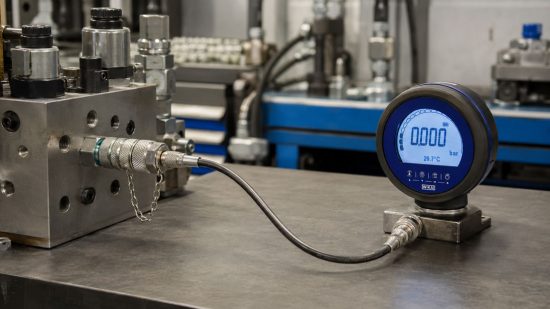
Using MINIMESS® Test Hoses Safely: Consider Pressure Rating, Ageing and Hose Whip
MINIMESS® test hoses enable rapid pressure measurements on hydraulic systems, mobile machinery and test benches....