


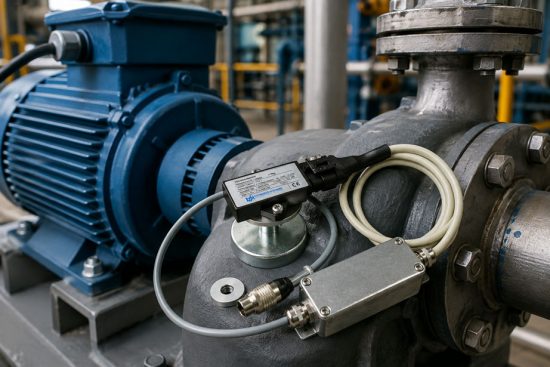
Mounting a Vibration Sensor: Screw, Adhesive or Magnet and Their Influence on Frequency Response
A vibration sensor is initially attached to an electric motor using a magnetic base. The...
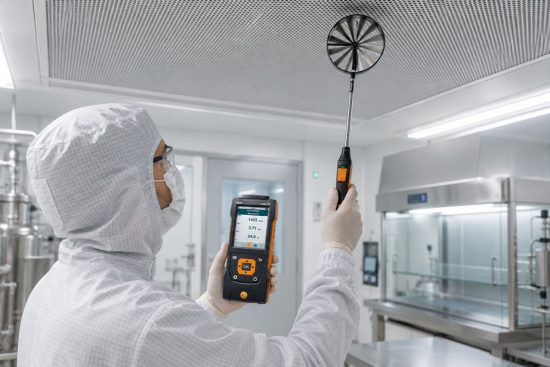
Testing Laminar Flow and Cleanroom Airflow: Measuring Air Velocity, Grid Points and Filter Area Correctly
During the qualification of a cleanroom or laminar-flow unit, a single air velocity value is...
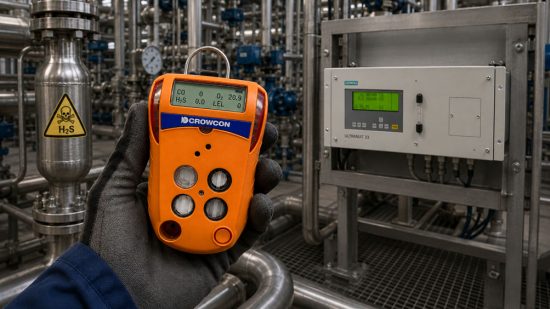
Cross-Sensitivities in Gas Detectors: Correctly Assessing False Alarms and Masked Gas Hazards
A portable gas detector suddenly triggers a CO alarm even though, according to the operator,...
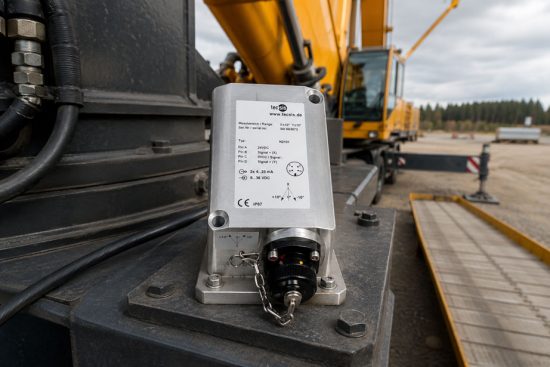
Commissioning a Dual-Axis Inclination Sensor: Checking Zero Point, Axis Direction and Cross-Axis Sensitivity
A dual-axis inclination sensor is mounted on the frame of an aerial work platform. The...
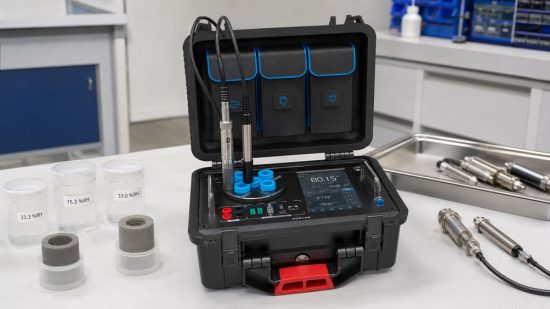
Feuchtesensor mit Salzlösung oder Feuchtekammer kalibrieren: Gleichgewicht und Temperatur beachten
Ein Feuchtesensor wird in eine Referenzkammer eingesetzt und zeigt nach wenigen Minuten 72 % rF...
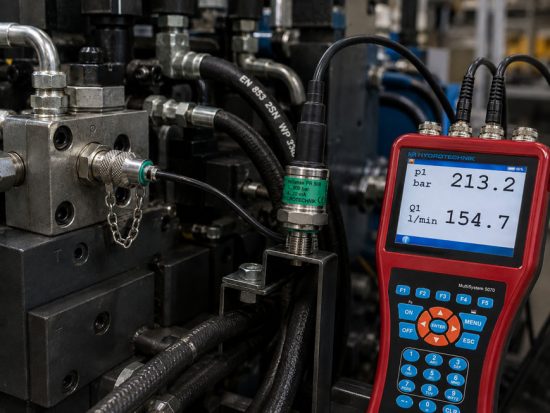
Connecting a Temporary Pressure Sensor to MINIMESS: Planning the Measuring Range, Adapter and Cable Safely
A hydraulic system shows sporadic faults, but the permanently installed pressure sensor provides only a...
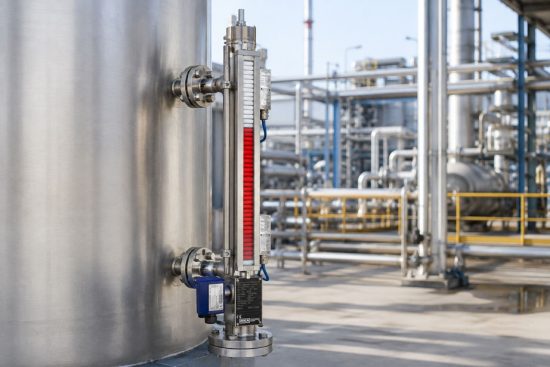
Designing a Bypass Level Indicator: Defining Installation Length, Density and Process Connections Correctly
A bypass level indicator is ordered to match the vessel, installed and commissioned – yet...
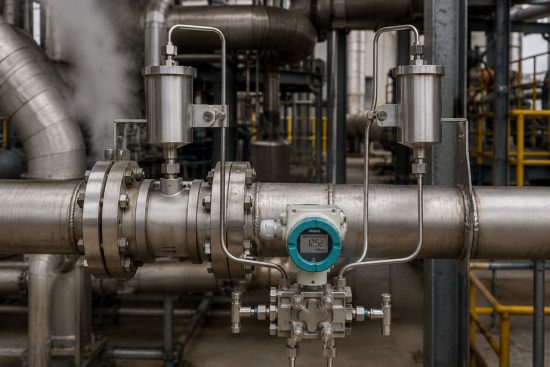
Differential Pressure Flow Measurement for Steam: Designing Condensate Pots and Impulse Lines Symmetrically
A steam flow measurement using an orifice plate, flow nozzle or Venturi tube shows a...
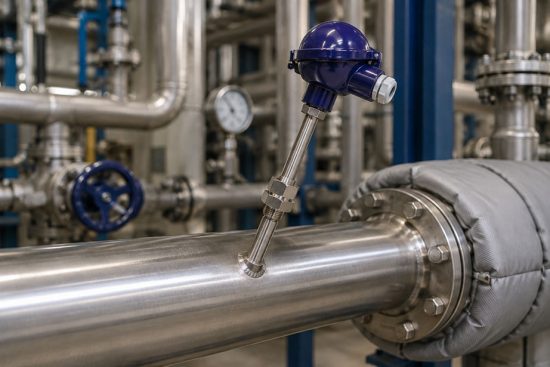
Temperature Sensors in Pipelines: Identifying Heat Conduction and Insufficient Immersion Depth as Measurement Errors
A Pt100 in a pipeline consistently indicates 4 or 5 °C less than a reference...

Measuring Differential Pressure Across Filters: Detecting Condensate, Clogged Impulse Lines and Zero-Point Errors
The differential pressure across a filter continues to increase – even though the filter was...