

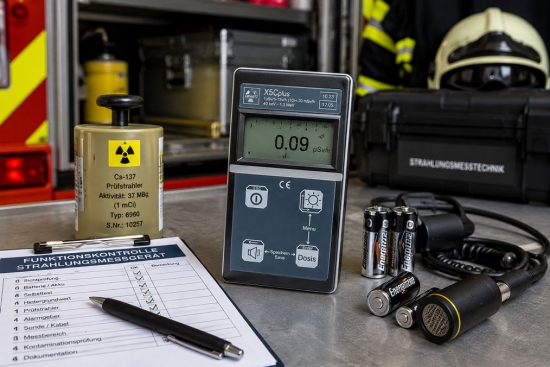
Checking a Radiation Measuring Instrument Before Use: Battery Test, Check Source and Background Check
The radiation measuring instrument has a valid calibration certificate and has been stored properly since...
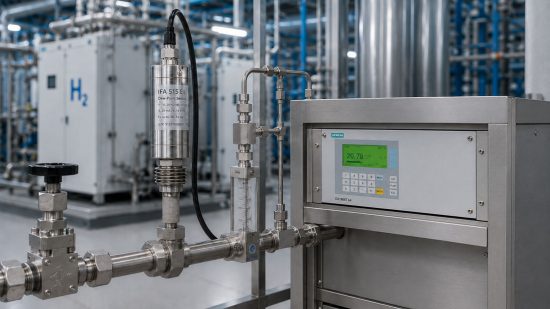
Checking Hydrogen Quality Downstream of the Electrolyzer: Correctly Monitoring Moisture, Oxygen and Purity
The electrolyzer is producing hydrogen, pressure and flow are within the intended range, and the...
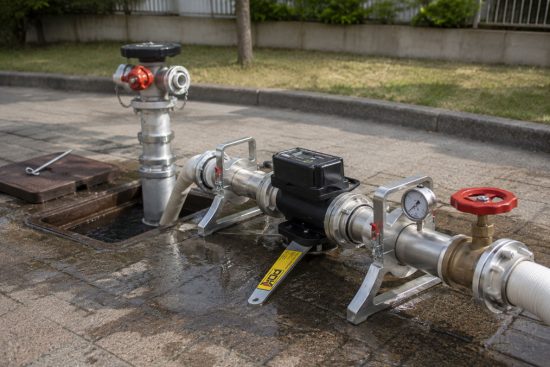
How to Perform a Hydrant Test Correctly: Evaluate Static Pressure, Flow Pressure and Available Water Flow
A hydrant may show what appears to be a good pressure of, for example, 5...
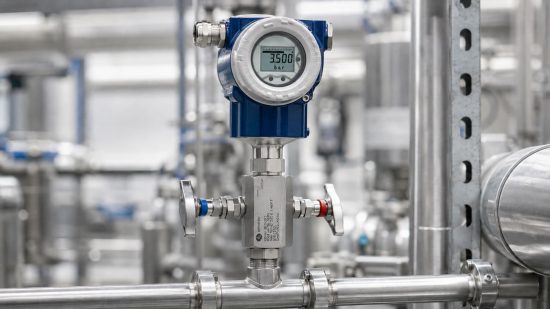
Block-and-Bleed Valve on a Pressure Transmitter: Isolate, Vent and Test Without Process Errors
A pressure transmitter needs to be checked while the plant remains in operation. The block...
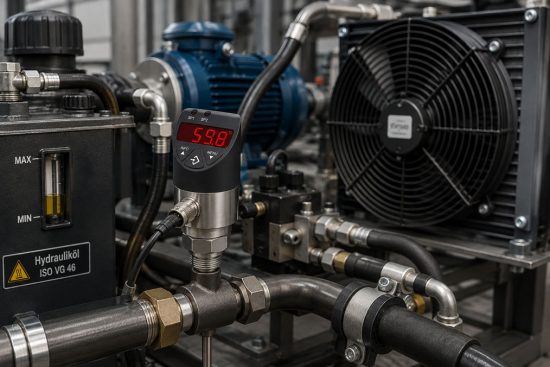
Temperature Switch Cycles Too Frequently: Correctly Set Hysteresis, Deadband and Sensor Position
A fan switches on, turns off again a few seconds later and shortly afterwards switches...
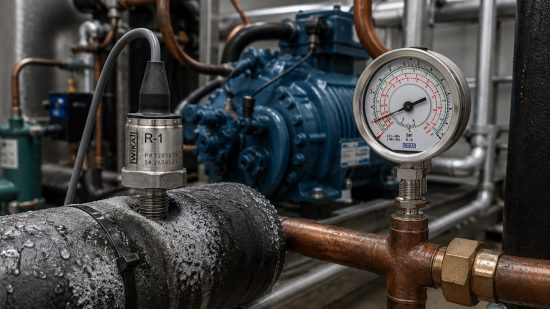
Pressure Measurement in Refrigeration Systems: Correctly Accounting for Refrigerants, Pulsations and Low Temperatures
A pressure sensor on the high-pressure side of a refrigeration system shows plausible values while...
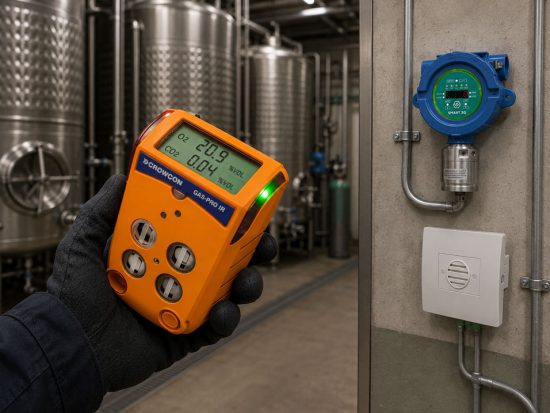
Oxygen Deficiency or CO₂ Hazard: Why an O₂ Sensor Does Not Replace Carbon Dioxide Monitoring
An oxygen sensor is installed in a cold room, fermentation cellar or laboratory. The display...
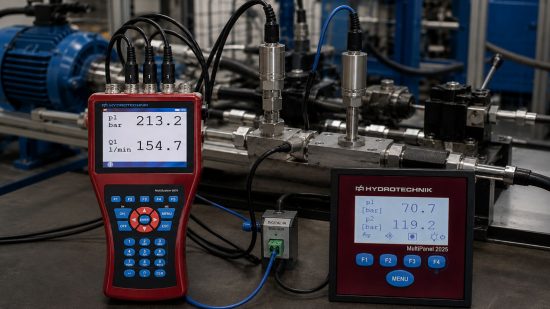
Synchronising Multiple Data Loggers: Correctly Comparing Clock Deviations and Measurement Channels
Three data loggers are monitoring a test bench simultaneously. One device records pressure, another temperature...
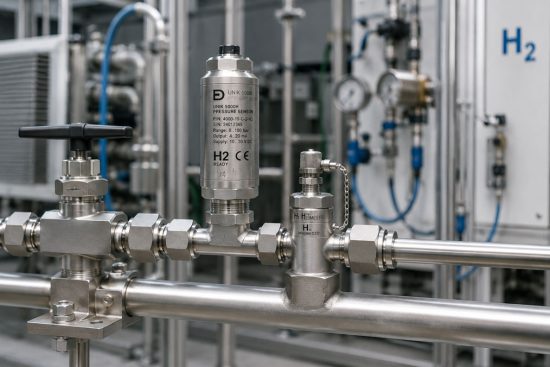
Checking a Hydrogen Measuring Point for Leaks: Correctly Assess Threads, Adapters and Leak Rate
A pressure sensor is installed on a hydrogen line, the thread is firmly tightened and...