


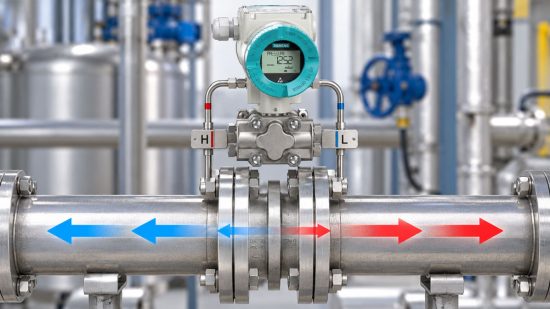
Measuring Bidirectional Flow Using Differential Pressure: Correctly Planning Sign Convention, Zero Point and Symmetric Evaluation
In an industrial pipeline, water normally flows from a supply station to a storage tank....
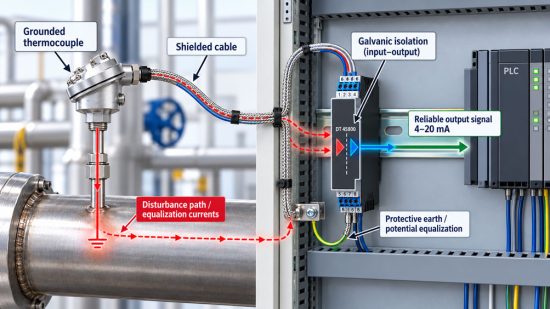
Temperature Transmitters with Grounded Thermocouples: Designing Input Isolation and Shielding to Prevent Equalising Currents
A Type K thermocouple measures the temperature of a heated pipeline. When the plant is...
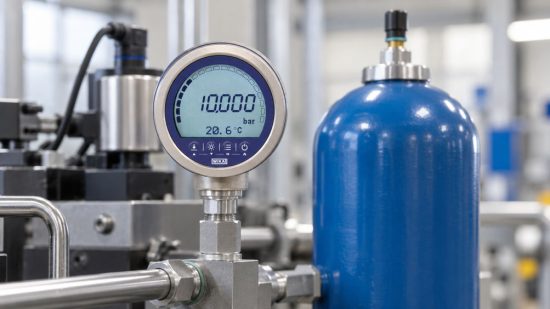
Monitoring Pressure in Hydraulic Accumulators: Correctly Distinguishing Gas Precharge from Hydraulic Operating Pressure
A hydraulic accumulator is intended to supply additional hydraulic fluid for a short period when...
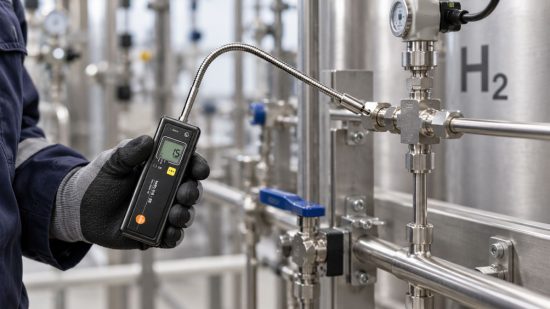
Hydrogen Leak Detection at Fittings: Combining Pressure Decay, Sniffer Testing and Tracer Gas Effectively
A hydrogen test bench is tested for leaks again after several tube fittings have been...

ULTRAMAT 23 with Fluctuating Sample Gas Flow: Checking the Pump, Filters and Flow as Potential Fault Sources
A Siemens ULTRAMAT 23 has been operating reliably in an industrial process gas analysis system...

Bagley Correction in Capillary Rheometry: Separating Entrance Pressure Loss from Material Viscosity
A plastics laboratory tests the same polymer melt using two capillary dies with different length-to-diameter...

Planning Firmware Updates for IIoT Gateways: Maintenance Windows, Rollback and Measurement Data Loss
An IIoT gateway has been reliably transmitting pressure, temperature and level data to a central...
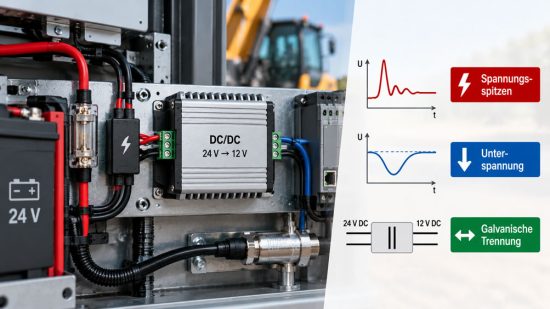
DC/DC Converters in Mobile 24 V Systems: Accounting for Input Voltage Spikes, Undervoltage and Galvanic Isolation
A DC/DC converter supplies sensors, control units or electronic measurement systems from a mobile 24...
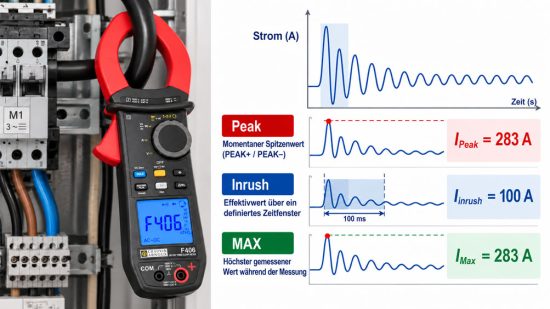
Measuring Inrush Current with a Clamp Meter: Using Peak, Inrush and Measurement Windows Correctly
An electric motor operates with a normal running current, yet the circuit breaker occasionally trips...
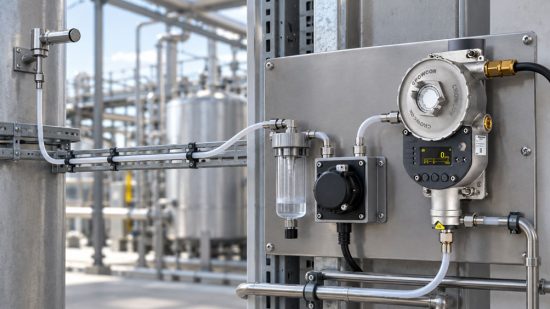
Fixed Gas Sampling with Long Sample Lines: Managing Condensation, Dead Time and Material Compatibility
A fixed gas detection system displays the expected gas concentration during routine testing. The alarm...