



Designing Reed Level Transmitters: Selecting Resolution and Float Magnet Correctly
A reed level transmitter can measure liquid level reliably and continuously when the float, magnet,...
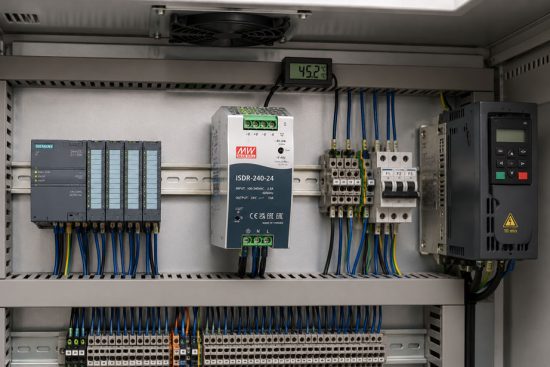
Power Supply Derating in Control Cabinets: Planning Temperature Reserves Correctly
A switching power supply can deliver its rated power without any problems in an air-conditioned...
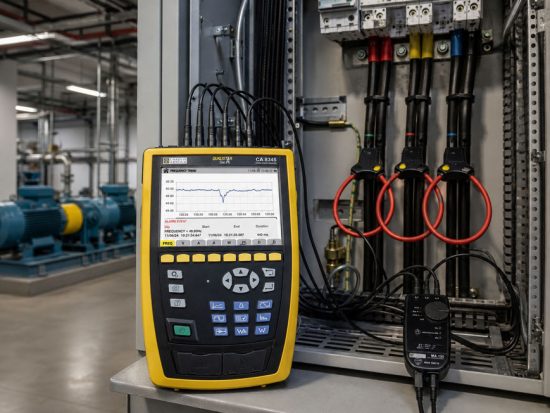
Monitoring Mains Frequency: Recording Underfrequency and Overfrequency Events Correctly
For troubleshooting, the mains frequency must therefore not only be measured instantaneously, but recorded over...
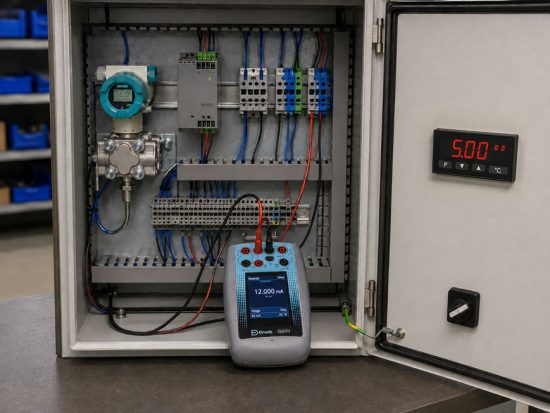
Scaling a 4–20 mA Digital Indicator: Displaying the Process Value Correctly
When configuring a 4–20 mA digital indicator, the input signal, lower and upper display value,...
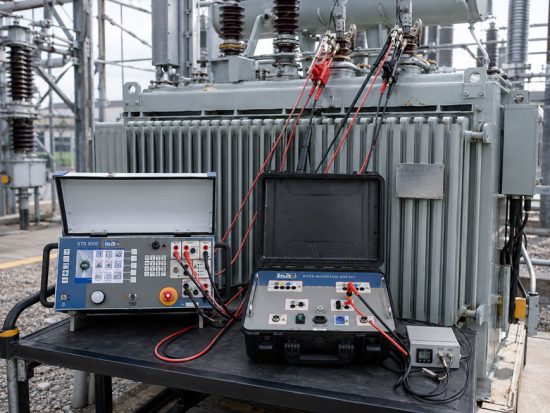
Measuring Transformer Winding Resistance: Applying Temperature Correction Correctly
After the DC test current is switched on, it may therefore take some time for...
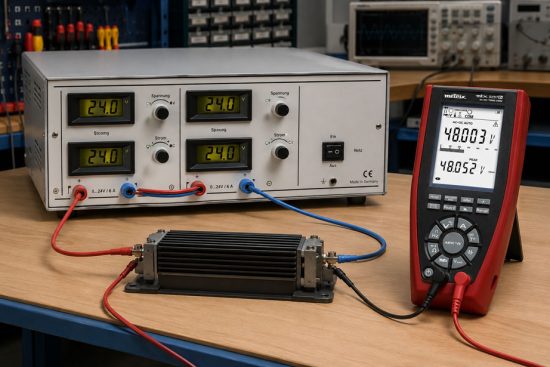
Connecting Laboratory Power Supplies in Parallel or Series: Observe Limits and Protection
An obvious solution is therefore to combine two power supply outputs. There are basically two...
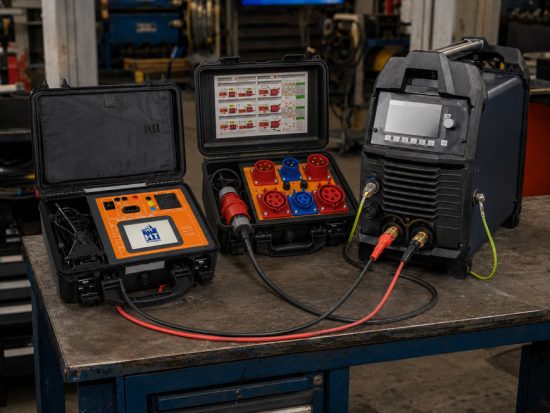
Testing Welding Equipment in Accordance with DIN EN IEC 60974-4: Performing Measurements Correctly
An arc welding machine is electrically significantly more complex than many conventional portable electrical appliances....

S3 Safety Pressure Gauges: Selecting the Correct Solid Front and Blow-Out Direction
A pressure gauge is installed directly on a pressure line and is regularly read by...
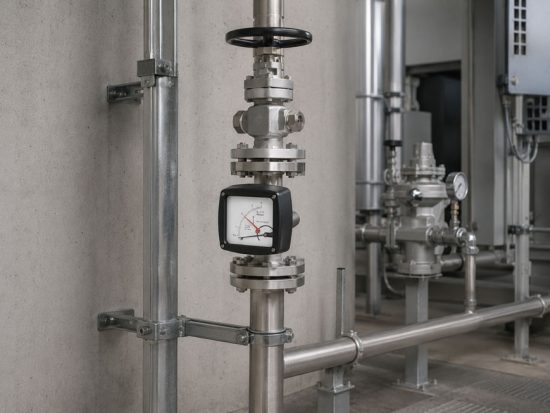
Installing Rotameters Correctly: Consider Installation Position, Back Pressure and Pulsation
A variable-area flowmeter shows a stable flow rate in the test setup. After installation in...
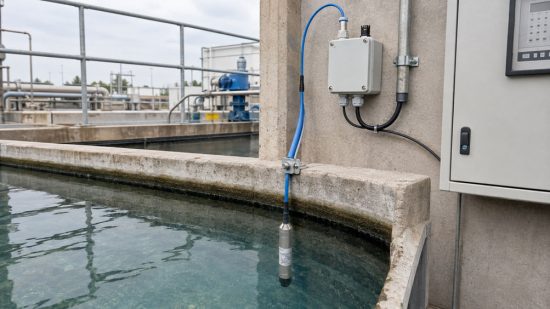
Submersible Probe Shows Incorrect Level: Protect the Vent Cable Properly
A hydrostatic submersible probe reliably measures the level of an open tank for months. After...