


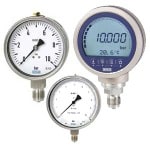
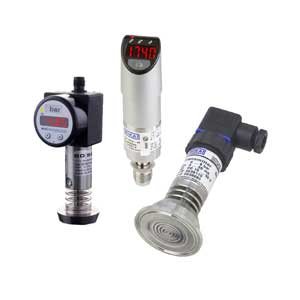
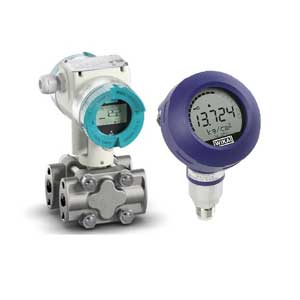
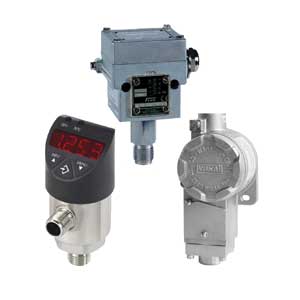


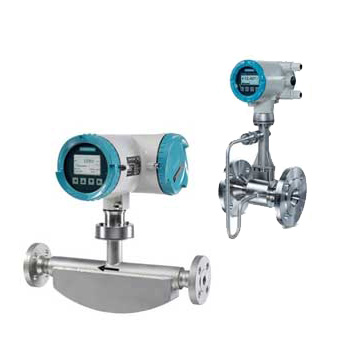
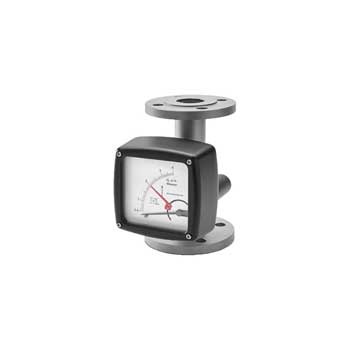
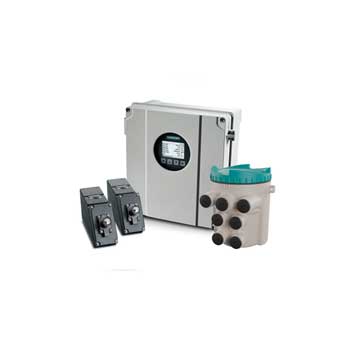
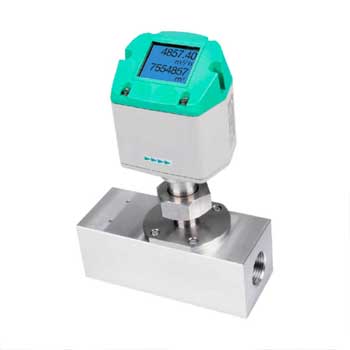
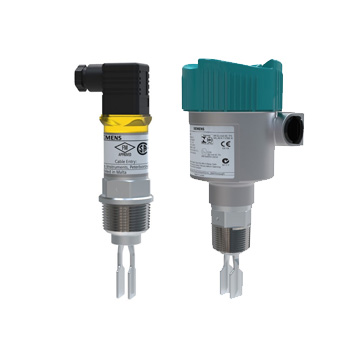
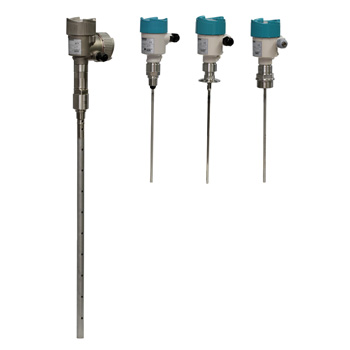
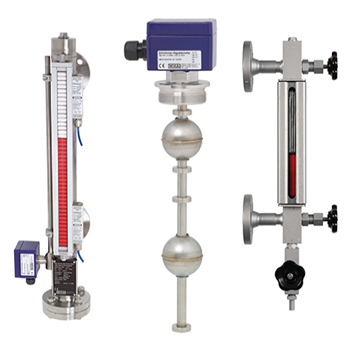



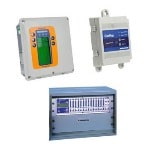
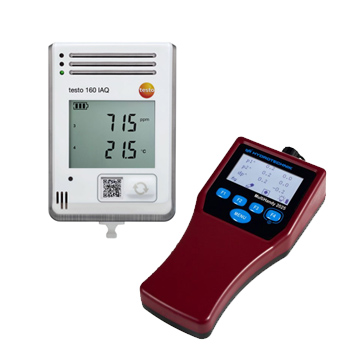
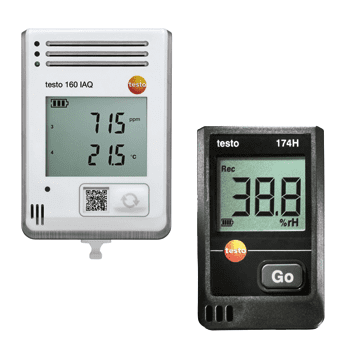
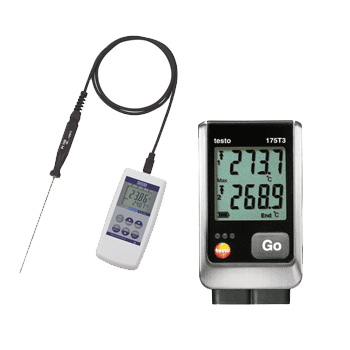
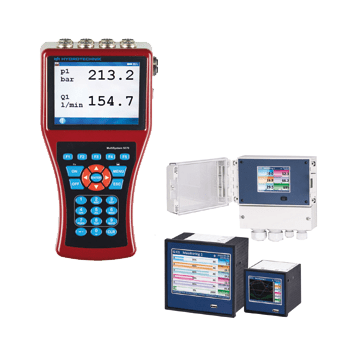
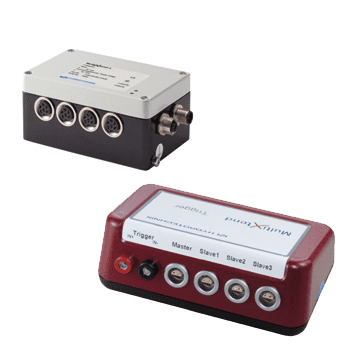
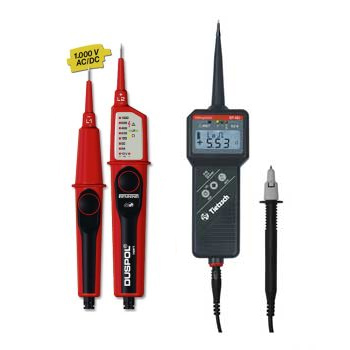
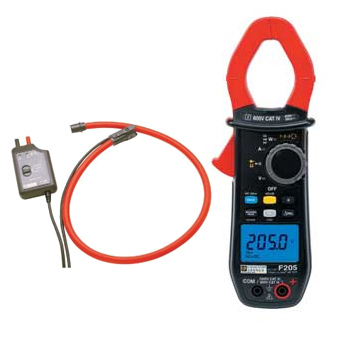


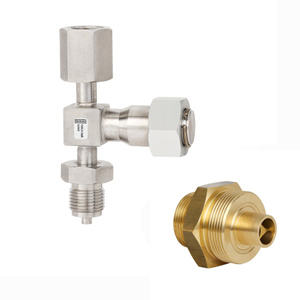



























Measurement technology for industrial gases
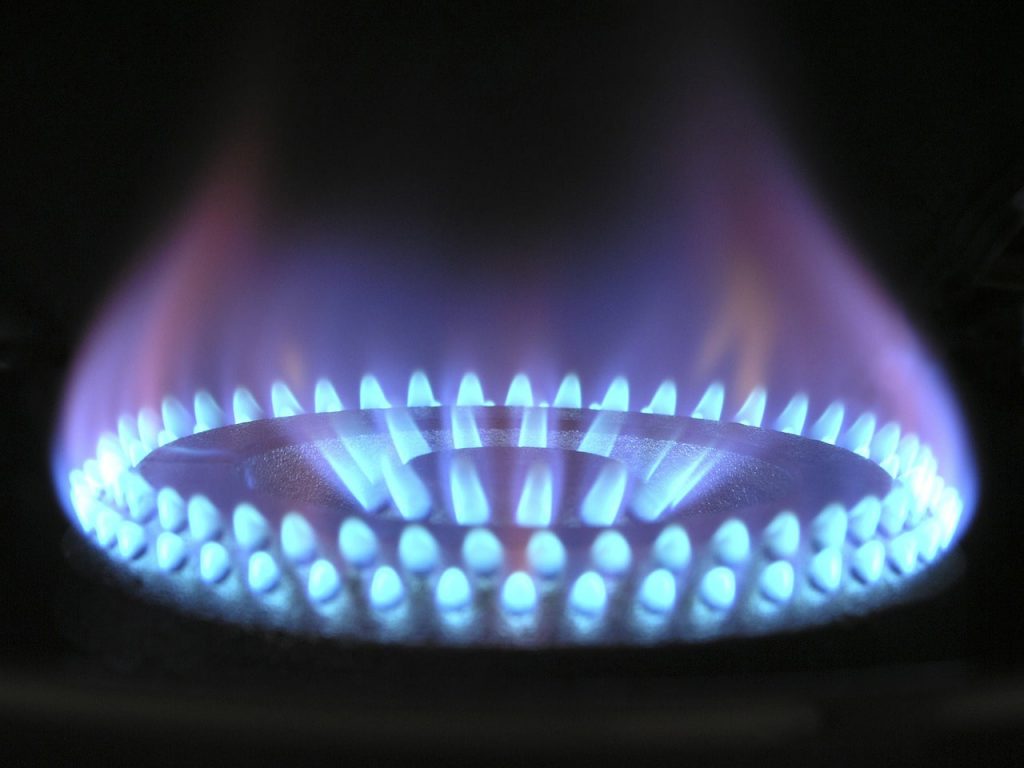
Industrial gases are essential “building blocks” of numerous industrial, commercial and technical processes.
They are used in many forms – as pure gases, in liquid or cryogenic form, as gas mixtures or as compressed gases.
Whether for welding and cutting processes, protective atmospheres, cooling, food packaging, chemical processes or cryogenics:
the right gas selection is crucial for efficiency, safety and product quality.
Several factors are important when selecting and using industrial gases:
• The chemical or physical properties of the gas (e.g. reactive, inert, cryogenic)
• The intended purpose (welding, cooling, inerting, storage, etc.)
• Requirements regarding purity, pressure, handling and safety
• Cost-effectiveness, availability and delivery form (cylinder, liquid gas, on-site generation)
Overview: gases, properties and typical applications
| Gas / gas mixture | Main applications | Typical properties / advantages |
|---|---|---|
| Oxygen (O₂) | Welding, cutting, combustion processes, chemical processes, water treatment | Reactive, oxidising, promotes combustion / process reactions |
| Nitrogen (N₂) | Inerting, protective atmospheres, food packaging, compressed air, cryogenics | Inert, non-flammable, displaces oxygen, versatile |
| Argon (Ar) | Welding (TIG/MIG), metal processing, semiconductor production, shielding atmospheres | Noble gas, inert, non-reactive, prevents oxidation and contamination |
| Carbon dioxide (CO₂) | Food & beverage industry (carbonation, packaging), fire extinguishing systems, welding, process gas | Economically available, versatile, partly inert |
| Hydrogen (H₂) | Chemical / petrochemical industry, fuel cells, heat treatment, special processes | Very light, high energy/thermal properties, highly versatile |
| Helium (He) | Cryogenics, leak detection, shielding gas applications, electronics, research | Inert, very low density, high thermal conductivity, non-flammable |
| Acetylene (C₂H₂) / fuel gases | Oxy-fuel welding and cutting, very high flame temperatures | High flame temperature, efficient & flexible for metalworking processes |
Depending on the industry and application, requirements vary greatly – from high purity and compressed gas storage
to cryogenic temperatures or gas mixtures.
Industrial gases enable significant increases in efficiency, quality improvements and process safety in many applications.
At the same time, safe handling, storage and process control are essential for their proper use.
Applications
Cryogenic tanks
Cryogenic tanks are used for the safe storage and supply of deeply refrigerated liquefied gases such as
nitrogen (–196 °C), oxygen (–183 °C), argon (–186 °C), carbon dioxide or helium (–269 °C).
They are a central element in the supply of industrial gases and are used across many industries –
from laboratories, medical technology and the food industry to chemicals, metal processing and cryogenics.
With their special double-wall or vacuum insulation, cryogenic tanks minimise heat ingress and ensure
stable temperatures over long periods. Precise control and monitoring systems ensure that
pressure, fill level and temperature always remain within safe limits. Modern tanks also offer
digital interfaces to monitor operating conditions in real time and automate processes.
Typical requirements for cryogenic tanks
- Excellent thermal insulation to minimise boil-off losses
- High operational safety through pressure regulation and multi-level safety valve systems
- Suitable for a wide range of storage capacities – from laboratory vessels to large storage tanks
- Compatibility with stationary installations and distribution systems
- Robust construction for continuous industrial use
- Possibility of automated monitoring and remote maintenance
Depending on the gas type and technical requirements, different tank designs are used.
The following table provides an overview of typical cryogenic tank types.
Overview of typical cryogenic tank types
| Tank type | Application | Capacity / size | Special characteristics |
|---|---|---|---|
| Stationary vacuum-insulated tanks | Industry, medical sector, laboratories, gas supply centres | 500–100,000 litres | Very low boil-off rate, durable construction, ideal for central gas supply |
| Cryogenic transport tanks | Transport and distribution of liquefied gases | 1,000–30,000 litres | Mobile, robust vehicle units; shock- and vibration-resistant |
| Dewar vessels | Laboratory, research, medical applications | 1–100 litres | Easy handling, lightweight, ideal for frequent withdrawals |
| High-pressure cryogenic tanks | Industrial processes with elevated operating pressure | 500–20,000 litres | Combination of low temperature and increased operating pressure |
| MicroBulk tanks | Small businesses, laboratories, clinics | 230–1,500 litres | Replacement for cylinder bundles, low boil-off losses, automated filling |
The choice of a suitable cryogenic tank depends heavily on the type of gas, consumption profile,
supply chain and safety requirements. Modern tanks ensure a reliable supply even in demanding
environments and contribute significantly to process safety and efficiency.
With increasing digitalisation, cryogenic tanks are often integrated into higher-level monitoring
and control systems to automatically record fill levels, pressure conditions and operating data.
This improves planning reliability, reduces energy losses and enables cost-efficient operation.
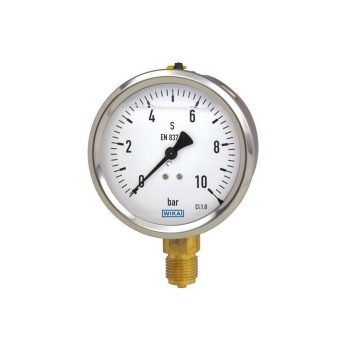
- Very good vibration and shock resistance
- Especially robust design
- Type approval for the shipbuilding industry
- Scale ranges to 0 ... 1,000 bar or 0 ... 15,000 psi
 Datenblatt Datenblatt
|
|
Bedienungsanleitung
|
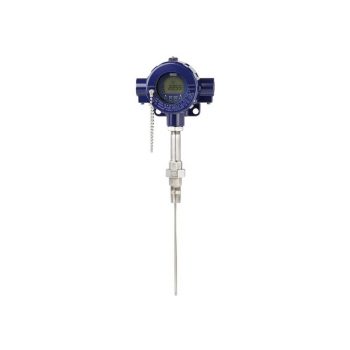
- For many variants of temperature transmitters including field transmitter
- For mounting in all standard thermowell designs
- Spring-loaded measuring insert (replaceable)
- Explosion-protected versions (option)

 Datasheet Datasheet
|
|
User Manual
|
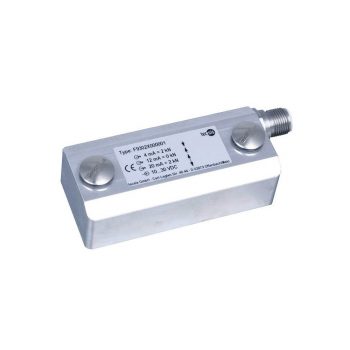
- Measuring ranges strains from 0 ... 200 με up to max. 0 ... 1,000 με
- Good long-term stability, high shock and vibration resistance, good reproducibility
- As retrofitting, easy to install
- For use in extreme outdoor applications (IP67)
- Relative linearity error < 2 % Fnom
 Datasheet Datasheet |
| User Manual |
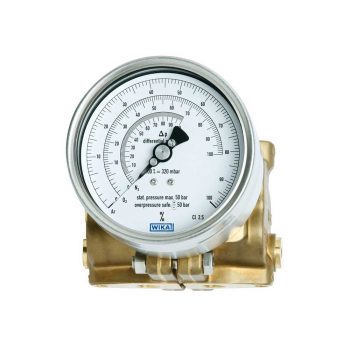
- Differential pressure measuring ranges from 0 … 40 mbar to 0 ... 4,000 mbar
- High working pressure (static pressure) of 50 bar
- Overpressure safety either side up to 50 bar
- Scalable measuring ranges (maximum turndown of 1 : 3.5)
- Compact valve manifold with working pressure indication (optional)
| Datasheet |
| User Manual |
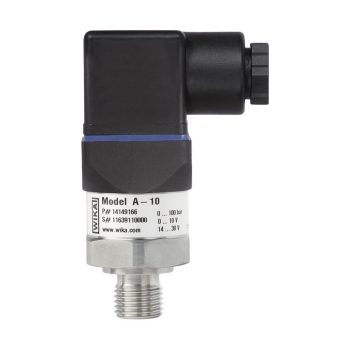
- Measuring ranges from 0 … 0.05 to 0 … 1,000 bar
- Non-linearity 0.25 % or 0.5 %
- Output 4 ... 20 mA, DC 0 ... 10 V, DC 0 ... 5 V and others
- Electrical connection: Angular connector form A and C, circular connector M12 x 1, cable outlet 2 m
- Process connection G ¼ A DIN 3852-E, ¼ NPT and others
|
Datasheet |
| User Manual |

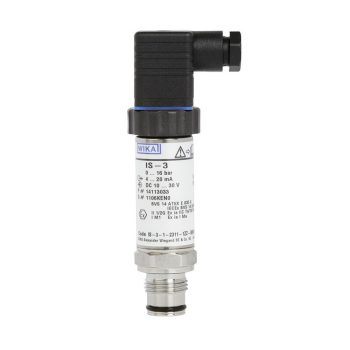
- Measuring ranges from 0 ... 0.1 to 0 ... 6,000 bar [0 ... 3 to 0 ... 15,000 psi]
- Approved for use in hazardous areas, e.g. ATEX, IECEx, FM and CSA
| Datasheet |
| User Manual |
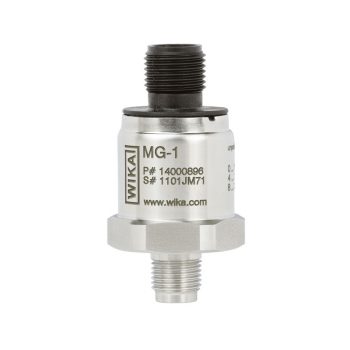
- Measuring ranges from 0 … 6 to 0 … 16 bar [0 ... 100 to 0 ... 200 psi] and from 0 … 200 to 0 … 400 bar [0 ... 3,000 to 0 ... 5,000 psi]
- Output signals 4 … 20 mA, DC 0 … 10 V, DC 0 … 5 V, DC 1 ... 5 V, DC 0.5 … 4.5 V ratiometric
- Oxygen clean in accordance with international standards
- Available in four levels of cleanliness
- Three packaging variants
| Datasheet |
| User Manual |
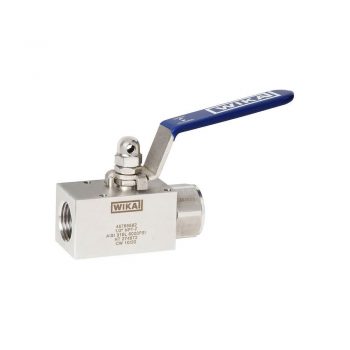
- High-quality machining guarantees smooth operation with low torque and low wear
- Leak-tested tightness in accordance with BS6755 / ISO 5208 leakage rate A
- Large selection of materials and configurations available
- Customer-specific combination of valves and instruments (hook-up) on request
| Datasheet |
![WIKA Model HPAC High-pressure connection adapters and couplings Nominal pressure of 15,000 ... 60,000 psi [1,034 ... 4,136 bar]](https://www.ics-schneider.de/wp-content/uploads/2023/02/fitting-1-350x350.jpg?x73668)
- One-piece design
- Laser marked for identification
- Large selection of materials and configurations available
- Customer-specific combination of adapters, fittings, valves and measuring instruments (instrument hook-up) on request
| Datasheet |
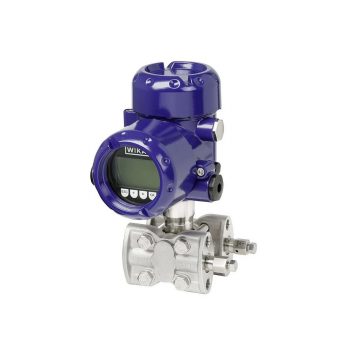
- High measurement accuracy
- Freely scalable measuring ranges
- Developed in accordance with the SIL 2 requirements
- Seven different case variants
- Configuration via DTM (Device Type Manager) in accordance with the FDT (Field Device Tool) concept (e.g. PACTware™)

| Datasheet |
| User Manual |
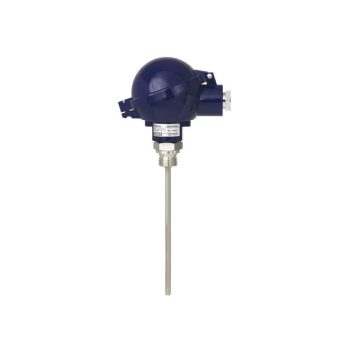
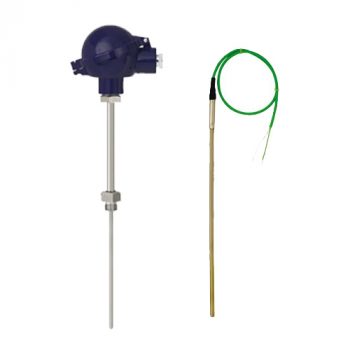
- Sensor ranges from -196 ... +600 °C [-320 ... +1,112 °F]
- For insertion, screw-in with optional process connection
- Connection head form B or JS
- Explosion-protected versions are available for many approval types (see data sheet page 2)
|
Datasheet
|
|
User Manual
|
Welding systems and other industrial equipment
Welding systems and a wide range of industrial equipment rely on a dependable supply of suitable gases
to ensure safe, clean and reproducible process conditions. In metalworking, manufacturing technology,
the automotive industry and mechanical engineering, various welding methods as well as thermal and
mechanical processing techniques are used. The choice of the appropriate gas – whether shielding, active
or process gas – has a decisive influence on the quality, stability and efficiency of these applications.
In addition to classical welding processes such as MIG/MAG, TIG/GTAW or plasma welding, many industrial systems
use gases for hardening and heat treatment, surface processes, cutting technology or protective atmospheres.
The determining factors include the chemical properties of the gases, their purity and their ability to either
promote or inhibit specific metallurgical reactions. Modern systems increasingly rely on gas mixtures that
improve process quality while reducing material distortion or spatter formation.
Typical requirements for welding and industrial equipment
- High process stability and consistent gas quality
- Suitable selection of shielding and process gases depending on material and method
- Clean and controlled atmospheres for precise metallurgical results
- Safe gas supply with regulated pressure and constant flow
- Robust supply systems for continuous industrial operation
- Compatibility with automated production lines and robotic systems
The following table provides a structured overview of common system types, the gases used
and their characteristic advantages in industrial production.
Overview of common welding and industrial systems
| System type | Typical gases / gas mixtures used | Application | Special characteristics |
|---|---|---|---|
| MIG/MAG welding systems | Argon, CO₂, Ar/CO₂ mixtures | Steel construction, automotive industry, manufacturing | High deposition rate, stable arc, versatile application |
| TIG/GTAW welding systems | Argon, helium, He/Ar mixtures | Stainless steel, aluminium, thin-walled components | Very clean weld seams, precise control, no spatter formation |
| Plasma welding systems | Argon, hydrogen, helium | High-precision welding, pipe and vessel construction | Extremely concentrated arc, high welding speed |
| Laser welding & cutting systems | Nitrogen, argon, helium | Automotive industry, precision mechanics, mass production | Very high precision, minimal heat-affected zone, clean cutting edges |
| Heat treatment & hardening systems | N₂, H₂, NH₃ mixtures | Metallurgy, hardening plants, chemical facilities | Inert or reactive atmospheres for structural modification |
| Industrial oxy-fuel cutting systems | O₂, acetylene, propane | Steel processing, heavy-plate machining | High cutting temperatures, robust process performance |
| Furnace and protective gas systems | N₂, Ar, forming gases | Heat treatment, sintering processes, surface treatments | Prevents oxidation, enables reproducible process atmospheres |
The optimal combination of gas supply, welding technology and process control determines the
quality, efficiency and safety of industrial systems. Modern solutions integrate automatic gas
regulation, digital monitoring and demand-oriented supply strategies to ensure stable and economical
production processes.
As a result, welding and industrial systems form an indispensable part of modern manufacturing
and benefit significantly from a reliable, high-quality gas supply – from standard gas mixtures
to specially developed process gases.
- High-quality machining guarantees smooth operation with low torque and low wear
- Leak-tested tightness in accordance with BS6755 / ISO 5208 leakage rate A
- Large selection of materials and configurations available
- Customer-specific combination of valves and instruments (hook-up) on request
| Datasheet |

- Accuracy 0.1 %, without additional temperature error in a range of 10 ... 60 °C
- Optional accuracy of 0.05 % (full scale) available
- Fast measuring rates up to 1 kHz
- Analogue, USB and CANopen® output signals available
- On-site calibration possible using product software
| Datasheet |
| User Manual |
Valves with integrated pressure regulators
Valves with integrated pressure regulators are essential components in gas supply and industrial systems
where a constant and safe working pressure must be ensured. They combine the function of a shut-off valve
with a precise pressure regulator in a single component – a space-saving, reliable and highly economical
solution for numerous applications in gas supply, welding technology, laboratory automation,
process engineering and cryogenics.
Thanks to their integrated control mechanism, these valves maintain the downstream working pressure
constant regardless of fluctuations in inlet pressure. This protects downstream equipment, improves
process stability and enables uniform gas withdrawal. At the same time, they reduce installation effort,
potential leak points and downtime during operation. Depending on the design, modern valves offer adjustable
or fixed pressure ranges as well as safety functions such as overpressure protection or backflow prevention.
Typical advantages of integrated pressure-regulating valves
- Combination of shut-off and pressure regulation in a single component
- Constant and stable gas supply even with fluctuating inlet pressures
- Reduced installation and service costs
- Fewer connection points → lower risk of leakage
- Long service life thanks to robust design and precise spring/membrane technology
- Ideal for laboratory, industrial and high-safety applications
The following table provides a structured overview of common valve types with integrated pressure regulation
along with their key characteristics and application areas.
Common valve types with integrated pressure regulators
| Valve type | Application | Pressure regulation range | Special characteristics |
|---|---|---|---|
| Cylinder pressure regulator valves | Industrial gases, welding technology, laboratory supply | Low pressure: 0.5–12 bar Medium pressure: up to 50 bar |
Integrated directly into the gas cylinder, minimises installation effort |
| Pilot-operated pressure regulating valves | Process plants, chemical industry, large distribution systems | Wide adjustment ranges up to 200 bar | High accuracy, suitable for high flow rates |
| Membrane pressure regulating valves | Air gases, high-purity gases, pharma and laboratory | Highly precise low-pressure ranges | Low sensitivity to vibration, excellent repeatability |
| Valves with fixed set pressure | Automated systems, OEM equipment, cryogenics | Fixed pressure point, no readjustment required | Highly reliable and low-maintenance |
| Changeover valves with integrated pressure regulation | Dual-cylinder systems, emergency supply systems | Low-pressure regulation up to 20 bar | Automatic changeover when one cylinder is empty, uninterrupted supply |
Valves with integrated pressure regulators are therefore key components of modern gas supply systems.
They increase operational safety, reduce maintenance requirements and ensure precise,
consistent gas delivery – whether in industrial production lines, laboratory applications
or safety-critical supply systems.
Thanks to their compact design and robust construction, they enable particularly reliable
and economical gas regulation – a decisive advantage for companies that prioritise
process stability and quality control.
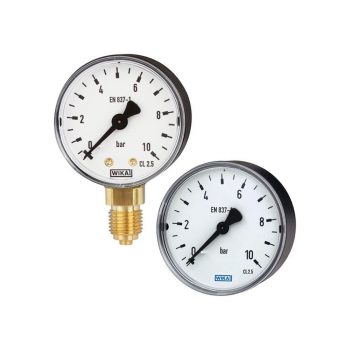
- Reliable and cost-effective
- Design per EN 837-1 or ASME B40.100
- Nominal size 40 [1 ½"], 50 [2"], 63 [2 ½"], 80 [3"], 100 [4"] and 160 [6"]
- Scale ranges to 0 ... 400 bar [0 ... 6,000 psi]
|
Datasheet |
![WIKA Model 131.11 Bourdon tube pressure gauge, stainless steel Compact version, NS 40 [1 ½"], 50 [2"] and 63 [2 ½"]](https://www.ics-schneider.de/wp-content/uploads/2020/03/Typ-131.11-350x350.jpg?x73668)
- Case and wetted parts from stainless steel
- Version per EN 837-1 or ASME B40.100
- Cost-effective and reliable
- Scale ranges from 0 ... 1 to 0 … 1,000 bar [0 ... 15 to 0 ... 15,000 psi]
|
Datasheet |
| User Manual |
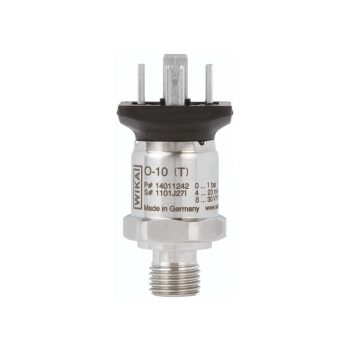
- Measuring ranges from 0 ... 6 bar to 0 ... 600 bar
- Non-linearity 0.5 %
- Standard industrial signals
- Electrical connection: Angular connector form A and C, circular connector M12 x 1, Metri-Pack series 150, cable outlet 2 m unshielded or shielded
- Many internationally customary process connections
| Datasheet |
| User Manual |
Gas cylinder cabinets
Gas cylinder cabinets provide safe storage for compressed gas cylinders in laboratories, workshops,
production areas and technical facilities. They meet strict requirements for fire protection,
ventilation, stability and access security. Selecting and designing the appropriate cabinet
ensures both safe handling of gases and compliance with legal requirements
according to TRGS, DIN standards and fire protection regulations.
Modern gas cylinder cabinets not only protect people and equipment, but also enable
organised, clearly arranged and space-saving storage of various cylinder types.
Depending on the operating environment, ventilated, fire-resistant or fully enclosed systems are used.
Many cabinets can be connected directly to central gas supply lines, pressure regulation modules
or automatic changeover units.
Typical requirements for gas cylinder cabinets
- Compliance with applicable safety and fire protection regulations
- Natural or mechanical ventilation to prevent dangerous gas accumulation
- Sufficient stability against tipping and external influences
- Secure fixation of cylinders using chains or holding systems
- Protection against unauthorised access (lockable designs)
- Option to integrate gas detection or monitoring systems
The following table provides a structured overview of common types of gas cylinder cabinets
and their typical characteristics.
Overview of common gas cylinder cabinets
| Cabinet type | Application | Capacity | Special characteristics |
|---|---|---|---|
| Ventilated gas cylinder cabinet | Workshops, laboratories, industrial environments | 1–4 cylinders | Natural or mechanical ventilation for safe gas discharge |
| Fire-resistant cabinet (F30/F90) | Indoor installation, mixed gases, sensitive areas | 1–2 cylinders | High fire protection, suitable for indoor environments |
| Outdoor cabinet for high-consumption users | Industrial plants, facility supply | 4–20 cylinders | Weather-resistant, high capacity, secure locking |
| Cabinet with integrated gas distribution | Laboratories, research, production | 1–3 cylinders | Preconfigured for pressure regulators, changeover systems & connection lines |
| Cabinet for cryogenic or specialty gases | Medical sector, high-tech, research | 1–2 cylinders or dewars | Additional safety features, optional sensor integration |
Storing gas cylinders in suitable safety cabinets significantly reduces risks such as
gas leaks, fire hazards or physical damage.
Cabinets can often be equipped with gas detection sensors, automatic ventilation systems and
pressure regulation stations – ideal for professional, safe and compliant operation.
Gas cylinder cabinets are therefore an indispensable part of modern gas supply concepts,
ensuring safety, efficiency and organisation in laboratories and industrial facilities.
- Measuring ranges from 0 … 6 to 0 … 16 bar [0 ... 100 to 0 ... 200 psi] and from 0 … 200 to 0 … 400 bar [0 ... 3,000 to 0 ... 5,000 psi]
- Output signals 4 … 20 mA, DC 0 … 10 V, DC 0 … 5 V, DC 1 ... 5 V, DC 0.5 … 4.5 V ratiometric
- Oxygen clean in accordance with international standards
- Available in four levels of cleanliness
- Three packaging variants
| Datasheet |
| User Manual |
- High-quality machining guarantees smooth operation with low torque and low wear
- Leak-tested tightness in accordance with BS6755 / ISO 5208 leakage rate A
- Large selection of materials and configurations available
- Customer-specific combination of valves and instruments (hook-up) on request
| Datasheet |
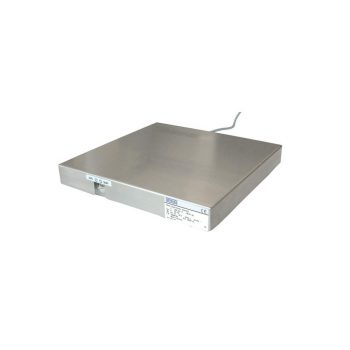
- High overload protection up to 400 %
- 0.1 % FS Accuracy
- Meets the highest EMC requirements
- Measuring ranges 0 ... 27.22 kg to 0 ... 136.08 kg [0 ... 60 lbs to 0 ... 300 lbs]
- High ingress protection, IP65, for outdoor use and processes with high condensation

| Datasheet |
| User Manual |
- One-piece design
- Laser marked for identification
- Large selection of materials and configurations available
- Customer-specific combination of adapters, fittings, valves and measuring instruments (instrument hook-up) on request
| Datasheet |
Medical gases
Medical gases play a central role in modern healthcare. They are used in hospitals,
medical practices, emergency services and laboratories and must meet the highest requirements
for purity, safety and reliability. Whether for ventilation, anaesthesia, therapy,
disinfection or diagnostics – medical gases support vital functions and are essential
for patient care.
In addition to their high purity, medical gases are generally classified as medicinal products
and are subject to strict quality and documentation requirements. Supply is typically provided via
central gas distribution systems, cryogenic containers, cylinder bundles or individual cylinders.
Modern pressure regulation, alarm and monitoring systems ensure that medical gases are always available
in the correct concentration and in a safe form.
Typical requirements for medical gases
- Pharmaceutical purity according to medicinal and medical device regulations
- Reliable supply via central pipeline networks or mobile cylinders
- Clear labelling and colour coding according to standards
- High supply reliability through pressure regulation, alarm systems and redundancy
- Traceability and documentation for hospitals and pharmacies
- Safe handling in critical areas (operating rooms, intensive care, emergency services)
The following table provides a structured overview of key medical gases, their
application areas and special characteristics.
Overview of common medical gases
| Gas / gas mixture | Medical application | Typical properties | Special requirements |
|---|---|---|---|
| Medical oxygen (O₂) | Ventilation, intensive care, emergency medicine | Life-sustaining, high purity, oxidising | High purity (>99.5%), safe piping, fire protection |
| Medical air | Ventilation, respiratory support, anaesthesia | Oil-free, dry, defined composition | Purity monitoring, oil-free generation |
| Nitrous oxide (N₂O) | Anaesthesia, pain therapy | Analgesic, sedative | Strict dosing control, disposal & environmental protection |
| Carbon dioxide (CO₂) | Insufflation in endoscopy, cryotherapy | Inert, well controllable, versatile | Purity requirements, safe supply lines |
| Helium (He) | Laser therapy, MRI cooling (indirect), breathing gas mixtures | Inert, very low density | Complex storage & transport |
| NO/NO₂-containing gas mixtures | Respiration therapy, vasodilation | Reactive, therapeutically effective | Precise dosing, strict monitoring |
| Breathing protection gas mixtures (O₂/N₂/He) | Hyperbaric medicine, intensive therapy | Defined gas fractions, tailored for therapies | High precision in mixing & delivery |
Reliable handling of medical gases is essential for the safety of patients and staff.
Safety devices such as gas detection systems, pressure reduction units, check valves and
overarching monitoring systems help minimise risks and ensure uninterrupted supply.
Overall, medical gases are an indispensable part of modern healthcare,
enabling therapy, diagnostics and vital support across virtually all medical disciplines.
- Measuring ranges from 0 … 6 to 0 … 16 bar [0 ... 100 to 0 ... 200 psi] and from 0 … 200 to 0 … 400 bar [0 ... 3,000 to 0 ... 5,000 psi]
- Output signals 4 … 20 mA, DC 0 … 10 V, DC 0 … 5 V, DC 1 ... 5 V, DC 0.5 … 4.5 V ratiometric
- Oxygen clean in accordance with international standards
- Available in four levels of cleanliness
- Three packaging variants
| Datasheet |
| User Manual |
- High-quality machining guarantees smooth operation with low torque and low wear
- Leak-tested tightness in accordance with BS6755 / ISO 5208 leakage rate A
- Large selection of materials and configurations available
- Customer-specific combination of valves and instruments (hook-up) on request
| Datasheet |
- Reliable and cost-effective
- Design per EN 837-1 or ASME B40.100
- Nominal size 40 [1 ½"], 50 [2"], 63 [2 ½"], 80 [3"], 100 [4"] and 160 [6"]
- Scale ranges to 0 ... 400 bar [0 ... 6,000 psi]
|
Datasheet |
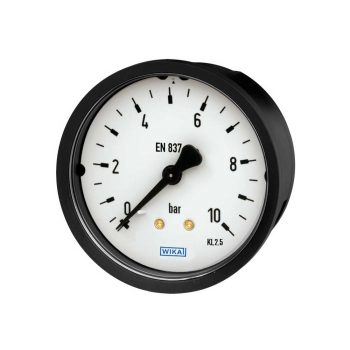
- Specifically for panel mounting
- Reliable and cost-effective
- Version per EN 837-1 or ASME B40.100
- Scale ranges to 0 ... 400 bar or 0 ... 6,000 psi
|
Datasheet |
| User Manual |
- Very good vibration and shock resistance
- Especially robust design
- Type approval for the shipbuilding industry
- Scale ranges to 0 ... 1,000 bar or 0 ... 15,000 psi
|
Datenblatt
|
|
Bedienungsanleitung
|
- Differential pressure measuring ranges from 0 … 40 mbar to 0 ... 4,000 mbar
- High working pressure (static pressure) of 50 bar
- Overpressure safety either side up to 50 bar
- Scalable measuring ranges (maximum turndown of 1 : 3.5)
- Compact valve manifold with working pressure indication (optional)
| Datasheet |
| User Manual |
- Measuring ranges from 0 … 0.05 to 0 … 1,000 bar
- Non-linearity 0.25 % or 0.5 %
- Output 4 ... 20 mA, DC 0 ... 10 V, DC 0 ... 5 V and others
- Electrical connection: Angular connector form A and C, circular connector M12 x 1, cable outlet 2 m
- Process connection G ¼ A DIN 3852-E, ¼ NPT and others
|
Datasheet |
| User Manual |
- Measuring ranges from 0 ... 6 bar to 0 ... 600 bar
- Non-linearity 0.5 %
- Standard industrial signals
- Electrical connection: Angular connector form A and C, circular connector M12 x 1, Metri-Pack series 150, cable outlet 2 m unshielded or shielded
- Many internationally customary process connections
| Datasheet |
| User Manual |
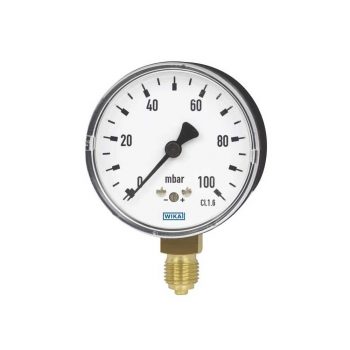
- Zero point setting in front
- Special connection location on request
- Low scale ranges from 0 ... 25 mbar
|
Datasheet |
| User Manual |

- Measuring ranges from 0 ... 0.1 to 0 ... 1,000 bar
- Non-linearity 0.2 % of span (BFSL)
- Output signals: 4 ... 20 mA, DC 0 ... 10 V, DC 0 ... 5 V and others
- Electrical connections: Angular connector form A, circular connector M12 x 1, various cable outlets and others
- Zero point and span adjustable via internal potentiometer
| Datasheet |
| User Manual |
Hydrogen (H₂)
Hydrogen is one of the most versatile industrial gases and is becoming increasingly important
in the context of the energy transition. Whether as a process gas in the chemical industry,
as a shielding gas in metallurgy or as an energy carrier for fuel cells – H₂ is used in numerous
industrial and technological applications. Thanks to its high mass-specific energy density and
reactive properties, hydrogen enables efficient processes and sustainable applications in industry,
mobility and energy systems.
Depending on the production method, a distinction is made between grey, blue, turquoise and green hydrogen.
Green hydrogen – produced from renewable energies via electrolysis – plays a key role in climate-neutral
industrial and energy systems. Nevertheless, due to its properties, H₂ places special demands on storage,
transport and safety technology: Its small molecular size, high diffusion rate and wide ignition range
require high-quality materials, reliable fittings and state-of-the-art monitoring technology.
Typical advantages and properties of hydrogen
- Very high specific energy per unit mass
- Fuel-cell capable with zero direct emissions
- Lightest of all gases → rapid dispersion in ambient air
- Reactive → ideal for chemical and metallurgical processes
- Can be produced renewably (green hydrogen)
- Usable as energy storage and process gas
The following table provides a structured overview of the different types of hydrogen,
their applications and specific requirements.
Hydrogen types and typical application areas
| Hydrogen type | Production / origin | Typical applications | Special requirements |
|---|---|---|---|
| Green hydrogen | Electrolysis using renewable energy | Fuel cells, industrial processes, energy storage | High purity, advanced electrolysis systems |
| Blue hydrogen | Steam reforming with CO₂ capture | Chemicals, refineries, thermal processes | CO₂ sequestration, large production facilities |
| Grey hydrogen | Steam reforming from natural gas | Metallurgy, ammonia synthesis, process industry | No CO₂ capture, established production chain |
| Turquoise hydrogen | Methane pyrolysis | Industrial processes, energy systems | Solid carbon separation, evolving technology |
| Cryogenic hydrogen (LH₂) | Liquefaction at –253 °C | Aerospace, mobility, energy storage | Special cryogenic tanks, boil-off losses, strict safety requirements |
| Compressed hydrogen (CGH₂) | High-pressure storage (e.g. 200–700 bar) | Mobility, industry, laboratories | High-pressure systems, tight fittings, leak monitoring |
Safe handling of hydrogen requires high-quality materials, precise control technology and
reliable sensor systems. Fittings, pipelines and valves must be diffusion- and hydrogen-resistant,
while monitoring systems must detect and report leaks early and reliably. Today, mature solutions
are available for industrial and energy applications – from high-pressure storage systems
and switchover units to complex hydrogen distribution systems.
Hydrogen is a key component of modern industrial and energy systems and will play an even greater role
in decarbonisation, mobility and sustainable production chains in the future.
- High-quality machining guarantees smooth operation with low torque and low wear
- Leak-tested tightness in accordance with BS6755 / ISO 5208 leakage rate A
- Large selection of materials and configurations available
- Customer-specific combination of valves and instruments (hook-up) on request
| Datasheet |
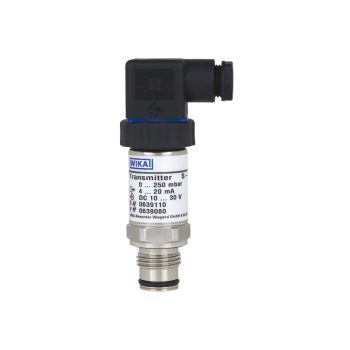
- High-quality product
- Many configurations possible
- Flush process connection
- Large stocks for short delivery times
- Vacuum-tight
| Datasheet |
| User Manual |
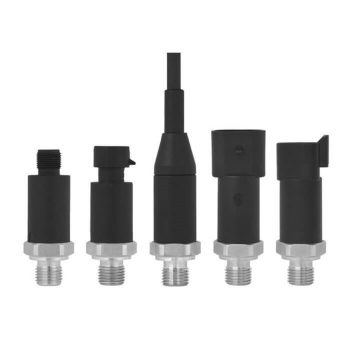
- For extreme operating conditions
- Compact and robust design
- Diagnostic function (option)
- Signal clamping (option)
- Customer-specific modifications possible
| Datasheet |
| User Manual |
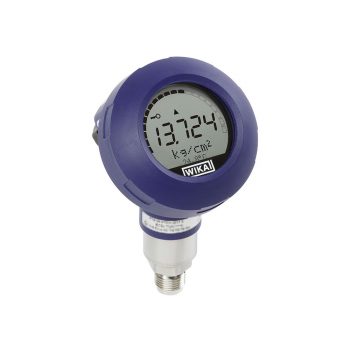
- Multi-functional display
- Simple menu navigation
- Conductive plastic case
- Large LC display, rotatable
- Approvals for hazardous areas

| Datasheet |
| User Manual |

- Differential pressure measuring ranges from 0 ... 16 mbar to 0 ... 40 bar or 0 ...10 inH2O to 0 ... 600 psi
- High operating pressure (static pressure) up to 40 bar [600 psi]
- High overload safety up to 40 bar [600 psi]
- Models 732.31 and 733.31: Case with safety level “S3” per EN 837
- All-welded media chamber
| Datasheet |
| User Manual |

- Excellent load-cycle stability and shock resistance
- All stainless steel construction
- German Lloyd approva
- Scale ranges up to 0 … 1,600 bar
| Datasheet |
| User Manual |
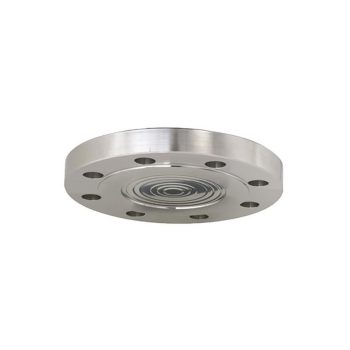
- Flange with flush welded diaphragm
- Common standards and nominal widths available
- Wide variety of different materials and material combinations
| Datasheet |
| User Manual |
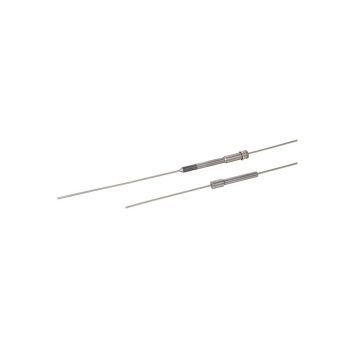
- Versions to customer specification
- Various process connections
- Short response times
- Robust, vibration-resistant design
- Various thermocouple types and electrical connection types
| Datasheet |
| Datasheet |
| User Manual |
| User Manual |
| User Manual |
- One-piece design
- Laser marked for identification
- Large selection of materials and configurations available
- Customer-specific combination of adapters, fittings, valves and measuring instruments (instrument hook-up) on request
| Datasheet |
- Sensor ranges from -196 ... +600 °C [-320 ... +1,112 °F]
- For insertion, screw-in with optional process connection
- Connection head form B or JS
- Explosion-protected versions are available for many approval types (see data sheet page 2)
|
Datasheet
|
|
User Manual
|
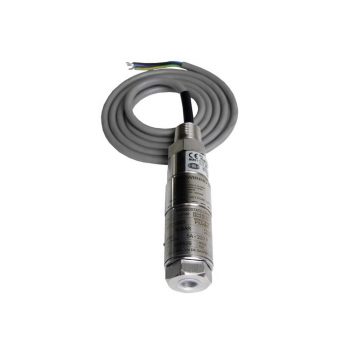
The great advantage of mechanical pressure switches is that no supply voltage is required for the switching process.
- Compact and slim design
- Robust switch enclosure from stainless steel 316, IP66, NEMA 4X
- Wide selection of setting ranges available, 1 … 2.5 bar to 200 … 1,000 bar
- Set point repeatability of ≤ 1 % for reliable switching
- High switching power and large selection of contact variants and electrical connections
| Datasheet |
| User Manual |
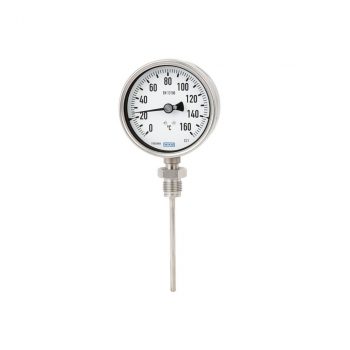
- Scale ranges from -70 ... +600 °C
- For extreme ambient temperatures
- Maintenance-friendly bayonet case
- All stainless steel construction
- Individual stem length from 63 ... 1,000 mm
|
Datasheet
|
|
User Manual
|
- Case and wetted parts from stainless steel
- Version per EN 837-1 or ASME B40.100
- Cost-effective and reliable
- Scale ranges from 0 ... 1 to 0 … 1,000 bar [0 ... 15 to 0 ... 15,000 psi]
|
Datasheet |
| User Manual |
LPG, LNG and CNG accessories
For the safe, efficient and standard-compliant operation of LPG (liquefied petroleum gas),
LNG (liquefied natural gas) and CNG (compressed natural gas) systems, high-quality accessories
are essential. These energy carriers are used in industry, transportation, heating systems
and increasingly in alternative mobility solutions. Each system places different demands on
pressure regulation, material resistance, temperature behaviour and safety mechanisms.
Accessories for LPG, LNG and CNG must be robust, temperature-resistant and tailored to the
respective energy form. While LPG is stored in liquid form at moderate pressures, CNG requires
high-pressure-resistant systems, and LNG must be handled under cryogenic conditions. Accordingly,
fittings, valves, hoses and regulators are specially designed to ensure durability and safety
in everyday operation.
Typical requirements for LPG, LNG and CNG accessories
- High material resistance to low temperatures and high pressures
- Explosion-proof and safety-compliant designs (ATEX, PED, ISO)
- Pressure regulation and gas handling adapted to the storage form
- Secure connection technology with minimal leakage risk
- Compatibility with mobile and stationary systems
- High durability and robust construction for industrial use
The following table provides a structured overview of common accessories for LPG, LNG and CNG
applications and their special features.
Typical accessories for LPG, LNG and CNG
| Accessory type | Application area | Compatible medium | Special features |
|---|---|---|---|
| Pressure control valves | Vehicles, industrial systems, filling stations | LPG, CNG | Precise pressure reduction, high tightness, vibration-resistant |
| Cryogenic valves and fittings | LNG systems, transport, storage | LNG | Suitable for –160 °C, vacuum-insulated design |
| High-pressure hoses | CNG refuelling & gas distribution | CNG | Extremely pressure-resistant (up to >700 bar), flexible braided-metal design |
| Filling couplings / refuelling adapters | LPG & CNG refuelling stations | LPG, CNG | Standardised connections, safe disconnection without gas loss |
| Safety valves & rupture discs | Storage tanks, transport containers, filling stations | LPG, LNG, CNG | Overpressure protection, fast response |
| Vacuum-insulated pipes / cryogenic lines | LNG terminals, industrial plants | LNG | Minimal heat ingress, suitable for low-temperature transfer |
| Shut-off valves & solenoid valves | System control, safety, gas shut-off | All three media | Robust construction, explosion-proof, reliable continuous operation |
| Level and pressure monitoring | Storage tanks, refuelling stations | LPG, LNG | Level control, overpressure protection, digital interfaces |
With modern accessories for LPG, LNG and CNG systems, the operational safety, efficiency and service life
of the entire gas supply can be significantly improved. Advanced fittings, safety valves, pipelines and
monitoring systems help minimise risks and ensure reliable operation of both mobile and stationary systems.
Thus, accessory components form a fundamental basis for the safe handling of alternative energy carriers –
today and in the future.
- High-quality machining guarantees smooth operation with low torque and low wear
- Leak-tested tightness in accordance with BS6755 / ISO 5208 leakage rate A
- Large selection of materials and configurations available
- Customer-specific combination of valves and instruments (hook-up) on request
| Datasheet |
- Excellent load-cycle stability and shock resistance
- All stainless steel construction
- German Lloyd approva
- Scale ranges up to 0 … 1,600 bar
| Datasheet |
| User Manual |
- One-piece design
- Laser marked for identification
- Large selection of materials and configurations available
- Customer-specific combination of adapters, fittings, valves and measuring instruments (instrument hook-up) on request
| Datasheet |
- Reliable and cost-effective
- Design per EN 837-1 or ASME B40.100
- Nominal size 40 [1 ½"], 50 [2"], 63 [2 ½"], 80 [3"], 100 [4"] and 160 [6"]
- Scale ranges to 0 ... 400 bar [0 ... 6,000 psi]
|
Datasheet |
- Very good vibration and shock resistance
- Especially robust design
- Type approval for the shipbuilding industry
- Scale ranges to 0 ... 1,000 bar or 0 ... 15,000 psi
|
Datenblatt
|
|
Bedienungsanleitung
|
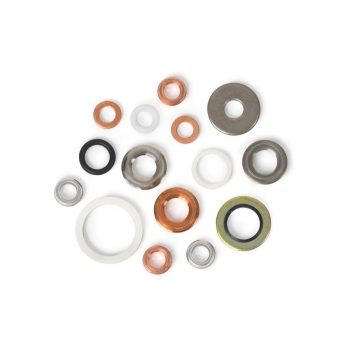
- Large selection of materials and sizes
- Versions: Flat sealing ring per EN 837-1 (and similar), WIKA sealing ring and edge sealing ring
- For process connections with/without centring spigot
|
Datasheet
|

- Scale ranges from -200 ... +700 °C [-328 ... 1.292 °F]
- Fast response behaviour
- Case and stem from stainless steel
- Various connection and case mounting designs
| Datasheet |
| User Manual |
Respiratory protection equipment
Respiratory protection equipment safeguards users from hazardous gases, vapours, particles or oxygen deficiency
and is indispensable in industry, laboratories, chemical plants, medicine, firefighting and rescue services.
Depending on the application, different systems are used – from simple filtering half masks to self-contained
breathing apparatuses that supply the wearer with a safe breathing gas independent of the ambient air.
The selection of suitable respiratory protection equipment depends on the type and concentration of hazardous substances,
duration of use, working environment and legal requirements. Modern respiratory protection devices offer
high wearing comfort, robust materials and reliable protective performance. Especially in explosive, toxic or
oxygen-deficient environments, self-contained devices are mandatory.
Typical requirements for respiratory protection equipment
- High protection against gases, vapours or particles
- Reliable sealing and comfortable fit for the user
- Compliance with relevant standards such as EN 136, EN 137, EN 143, EN 12941
- Resistant materials against chemicals, heat or mechanical stress
- Optional additional functions such as communication, monitoring or breathing-air control
- Easy maintenance and fast operational readiness
The table below provides an overview of common respiratory protection devices and their typical areas of use.
Typical respiratory protection devices and their applications
| Device type | Application area | Protective function | Special features |
|---|---|---|---|
| Filtering half masks (FFP1–FFP3) | Industry, laboratories, crafts, dusty environments | Protection against particles (depending on class) | Lightweight, economical, no external air supply |
| Gas and combination filter masks | Chemical industry, laboratories, industrial environments | Protection against gases, vapours & particles | Replaceable filters, depending on filter type and concentration |
| Powered air-purifying respirators (PAPR) | Paint shops, laboratories, production | Constant airflow, reduced breathing resistance | High comfort, can be combined with visor/helmet |
| Self-contained breathing apparatus (SCBA) | Firefighting, rescue services, oxygen-deficient & toxic environments | Complete independence from ambient air | Compressed air cylinders, high safety, limited operating time |
| Compressed-air line breathing devices | Industrial plants, tanks, maintenance areas | Independent of ambient conditions | Continuous air supply via hose line |
| Escape hoods | Evacuations, light industrial applications | Protection against smoke, toxic gases (depending on model) | Quick to use, ideal for emergencies |
Respiratory protection equipment is a key component of occupational safety and significantly contributes to the
protection of personnel in hazardous working environments. Correct use, regular training and proper maintenance
are essential to ensure full protective performance.
With modern materials, ergonomic designs and integrated monitoring technology, respiratory protection systems
are continuously evolving, offering increasing safety while improving wearer comfort.
- Reliable and cost-effective
- Design per EN 837-1 or ASME B40.100
- Nominal size 40 [1 ½"], 50 [2"], 63 [2 ½"], 80 [3"], 100 [4"] and 160 [6"]
- Scale ranges to 0 ... 400 bar [0 ... 6,000 psi]
|
Datasheet |
- Very good vibration and shock resistance
- Especially robust design
- Type approval for the shipbuilding industry
- Scale ranges to 0 ... 1,000 bar or 0 ... 15,000 psi
|
Datenblatt
|
|
Bedienungsanleitung
|
- Measuring ranges from 0 … 6 to 0 … 16 bar [0 ... 100 to 0 ... 200 psi] and from 0 … 200 to 0 … 400 bar [0 ... 3,000 to 0 ... 5,000 psi]
- Output signals 4 … 20 mA, DC 0 … 10 V, DC 0 … 5 V, DC 1 ... 5 V, DC 0.5 … 4.5 V ratiometric
- Oxygen clean in accordance with international standards
- Available in four levels of cleanliness
- Three packaging variants
| Datasheet |
| User Manual |
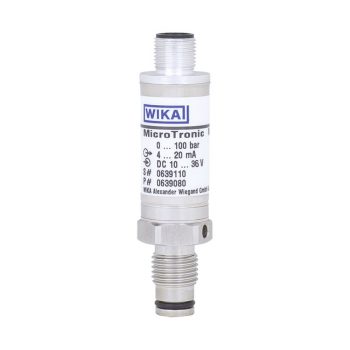
- Measuring ranges from 0 ... 6 to 0 ... 1,000 bar [0 ... 500 to 0 ... 15,000 psi]
- Current and voltage outputs
- Ingress protection IP65 or IP67
- Wetted parts and case from stainless steel
- Vacuum-tight
| Datasheet |
| User Manual |
Gas supply and control systems
Gas supply and control systems form the central backbone of any industrial, scientific
or medical gas infrastructure. They ensure that gases are distributed reliably, safely and in the
correct quality to equipment, processes and work areas. Depending on the application, they include components
such as pressure control sections, changeover units, manifolds, safety valves, sensors, alarm systems and
digital monitoring platforms.
Modern systems not only guarantee uninterrupted supply but also protect downstream processes from overpressure,
contamination or interruptions. In sensitive environments – such as laboratories, hospitals or high-purity
processes – precise control mechanisms are indispensable. In industrial applications, robust systems ensure
stable gas flows even under high pressures, harsh conditions and continuous operation.
Typical requirements for gas supply and control systems
- Constant gas supply irrespective of consumption fluctuations
- Reliable pressure regulation and automatic adjustment to process conditions
- Redundancy and automatic switchover between gas sources
- Protection against overpressure, backflow or gas leaks
- Compatibility with various gas types and purity classes
- Digital monitoring for maximum process safety
The table below provides a structured overview of key gas supply and control system types and their typical functions.
Overview of important gas supply and control systems
| System type | Application area | Typical functions | Special features |
|---|---|---|---|
| Central gas supply | Hospitals, laboratories, industrial plants | Gas distribution via pipeline networks, pressure regulation | High redundancy, strict separation of gas types |
| Automatic changeover units | Cylinder bundles, industrial gases, specialty gases | Automatic switching when a gas source is empty | Uninterrupted supply, remote monitoring possible |
| High-purity gas supply systems | Semiconductor, research, pharmaceuticals | Controlled gas routing without contamination | Media-resistant materials, particle-free design |
| Emergency and safety shut-off systems | Chemical industry, production, hazardous areas | Fast shut-off in case of leaks or overpressure | High response speed, compatible with gas detection systems |
| Digital gas monitoring systems | Industry, research, medical sector | Monitoring of pressure, consumption, reserves, alarms | IoT-enabled, cloud connectivity, real-time analytics |
| Manifold and distribution units | Welding technology, laboratories, production | Gas distribution to multiple consumers | Modular, expandable, individually configurable |
| High-pressure control systems | Hydraulic testing, specialty gases, energy technology | Precise pressure control under high loads | Extremely robust, integrated safety components |
Gas supply and control systems are essential for the safety and efficiency of modern
production and research environments. Through integrated sensors, pressure regulation,
automatic shut-off mechanisms and digital monitoring, risks can be minimised, downtime avoided
and process flows optimised.
With increasing automation and digitalisation, gas supply systems are evolving into
intelligent, networked units that provide maximum transparency and safety throughout
their entire lifecycle.
- Reliable and cost-effective
- Design per EN 837-1 or ASME B40.100
- Nominal size 40 [1 ½"], 50 [2"], 63 [2 ½"], 80 [3"], 100 [4"] and 160 [6"]
- Scale ranges to 0 ... 400 bar [0 ... 6,000 psi]
|
Datasheet |
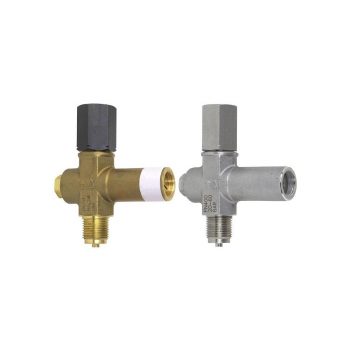
- Version with pressure connection thread in form A or form B
- 7 different setting ranges selectable
- Nominal pressures to 600 bar
- Overpressure safety up to 1,000 bar
- Vacuum protected
| Datasheet |
| Technical Informations |
- High-quality machining guarantees smooth operation with low torque and low wear
- Leak-tested tightness in accordance with BS6755 / ISO 5208 leakage rate A
- Large selection of materials and configurations available
- Customer-specific combination of valves and instruments (hook-up) on request
| Datasheet |

- Safety version with solid baffle wall designed in compliance with the requirements and test conditions of EN 837-1
- Excellent load-cycle stability and shock resistance
- Completely from stainless steel
- Scale ranges from 0 … 0.6 to 0 … 1,600 bar
|
Datenblatt
|
|
Bedienungsanleitung
|
- Excellent load-cycle stability and shock resistance
- All stainless steel construction
- German Lloyd approva
- Scale ranges up to 0 … 1,600 bar
| Datasheet |
| User Manual |
- Measuring ranges from 0 … 0.05 to 0 … 1,000 bar
- Non-linearity 0.25 % or 0.5 %
- Output 4 ... 20 mA, DC 0 ... 10 V, DC 0 ... 5 V and others
- Electrical connection: Angular connector form A and C, circular connector M12 x 1, cable outlet 2 m
- Process connection G ¼ A DIN 3852-E, ¼ NPT and others
|
Datasheet |
| User Manual |
- One-piece design
- Laser marked for identification
- Large selection of materials and configurations available
- Customer-specific combination of adapters, fittings, valves and measuring instruments (instrument hook-up) on request
| Datasheet |
Gas supply and pressure regulation stations
Gas supply and pressure regulation stations form the core of every professional gas infrastructure.
They ensure safe pressure reduction, distribution and control of gases from storage tanks, cylinder bundles,
tank systems or pipeline networks. With precise control technology and high-quality safety components,
they guarantee that downstream processes are continuously supplied with the correct pressure,
the required gas quality and a stable flow rate.
Depending on the application – whether in industrial production, laboratory environments, welding technology,
medical engineering or energy supply – the design, dimensioning and functional scope vary considerably.
Modern pressure regulation stations integrate additional monitoring, safety and automation features and can be
fully monitored digitally via IoT systems. This enables maximum operational safety even in critical
process environments.
Typical requirements for pressure regulation stations
- Constant and reliable pressure reduction under varying inlet pressures
- High leak-tightness and material resistance to different gas types
- Multi-stage safety mechanisms (safety valves, check valves, burst disks)
- Optional redundancy and automatic switching between gas sources
- Easy maintenance, modular expandability and robust construction
- Digital monitoring and alarm functions for maximum process safety
The table below provides a practical overview of common station types
along with their typical applications and features.
Overview of common gas supply and pressure regulation stations
| Station type | Application area | Typical functions | Special features |
|---|---|---|---|
| Single-stage pressure regulation station | Welding technology, industrial plants, general supply | Simple pressure reduction to a fixed outlet pressure | Cost-efficient, robust, suitable for stable inlet pressures |
| Two-stage pressure regulation station | Laboratories, medical applications, high-precision processes | Finer pressure regulation, improved stability | Ideal for varying inlet pressures, constant outlet pressure |
| Automatic changeover station | Cylinder bundles, central supply systems | Automatically switches when the primary supply is empty | Uninterrupted supply, optional remote monitoring |
| High-pressure regulation station | Test facilities, energy systems, special processes | Regulation of high pressures up to several hundred bar | Extremely robust valves, stringent safety requirements |
| Pure and ultra-high-purity gas stations | Semiconductors, research, pharmaceuticals | Contamination-free gas handling | Stainless-steel construction, particle-free design, high purity classes |
| Cryogenic supply station | Liquid gas tanks, LN₂, LOX or LAr supply | Pressure build-up, vaporisation, flow regulation | Vacuum-insulated piping, materials suitable for cryogenic temperatures |
| Gas distribution and manifold stations | Industry, laboratories, production | Distribution to multiple take-off points | Modular, expandable, highly configurable |
Gas supply and pressure regulation stations are essential for process stability, safety and efficiency
in modern facilities. As central elements of the gas flow, they enable controlled, safe and fully
traceable operating conditions.
Advanced systems integrate digital sensing, monitoring and remote management to detect issues early
and optimise gas supply chains.
As such, pressure regulation stations are an indispensable component of any professional gas infrastructure –
from industry and research to medical technology.
- Reliable and cost-effective
- Design per EN 837-1 or ASME B40.100
- Nominal size 40 [1 ½"], 50 [2"], 63 [2 ½"], 80 [3"], 100 [4"] and 160 [6"]
- Scale ranges to 0 ... 400 bar [0 ... 6,000 psi]
|
Datasheet |
- High-quality machining guarantees smooth operation with low torque and low wear
- Leak-tested tightness in accordance with BS6755 / ISO 5208 leakage rate A
- Large selection of materials and configurations available
- Customer-specific combination of valves and instruments (hook-up) on request
| Datasheet |
- Safety version with solid baffle wall designed in compliance with the requirements and test conditions of EN 837-1
- Excellent load-cycle stability and shock resistance
- Completely from stainless steel
- Scale ranges from 0 … 0.6 to 0 … 1,600 bar
|
Datenblatt
|
|
Bedienungsanleitung
|
- Excellent load-cycle stability and shock resistance
- All stainless steel construction
- German Lloyd approva
- Scale ranges up to 0 … 1,600 bar
| Datasheet |
| User Manual |
- Case and wetted parts from stainless steel
- Version per EN 837-1 or ASME B40.100
- Cost-effective and reliable
- Scale ranges from 0 ... 1 to 0 … 1,000 bar [0 ... 15 to 0 ... 15,000 psi]
|
Datasheet |
| User Manual |
- Measuring ranges from 0 ... 0.1 to 0 ... 1,000 bar
- Non-linearity 0.2 % of span (BFSL)
- Output signals: 4 ... 20 mA, DC 0 ... 10 V, DC 0 ... 5 V and others
- Electrical connections: Angular connector form A, circular connector M12 x 1, various cable outlets and others
- Zero point and span adjustable via internal potentiometer
| Datasheet |
| User Manual |
Gas extinguishing systems
Gas extinguishing systems protect rooms, technical installations and sensitive infrastructure from fire
without using water or foam. They are used wherever conventional extinguishing methods would cause damage –
for example in data centres, archives, switchgear rooms, medical facilities or industrial production areas.
By using special extinguishing gases, oxygen is displaced, chemical combustion reactions are interrupted
or heat is removed, allowing the fire to be extinguished quickly and without residue.
These systems operate extremely quickly, often in less than 10 seconds, providing a decisive advantage
over mechanical extinguishing methods. At the same time, they require maximum reliability,
precise system design and safe storage of extinguishing agents. Modern gas extinguishing systems are integrated
into building management systems, feature pressure relief ventilation and include redundant safety devices.
Typical requirements for gas extinguishing systems
- Residue-free fire suppression without damaging sensitive equipment
- Rapid activation and uniform flooding of the protected area
- Extinguishing agents compliant with standards such as EN 15004 or ISO 14520
- Automatic detection and activation through fire alarm systems
- High safety for personnel, including escape routes and acoustic pre-alarms
- Regular leak and functional testing
The table below provides a compact overview of common extinguishing systems and their characteristics.
Overview of typical gas extinguishing systems
| System type | Extinguishing agent | Application area | Special features |
|---|---|---|---|
| Inert gas extinguishing systems | IG-55, IG-541, IG-100, argon, nitrogen | Data centres, archives, industrial facilities | Displaces oxygen, residue-free, high personnel safety |
| Chemical extinguishing systems (FK-5-1-12) | Novec™ 1230 / FK-5-1-12 | IT, medical technology, power distribution | Fast action through heat absorption, very low environmental impact |
| CO₂ extinguishing systems | Carbon dioxide | Industrial processes, machine rooms, enclosed systems | Very effective, but suitable only for unoccupied areas |
| High-pressure inert gas systems | Ar, N₂ or gas mixtures | Large-scale systems, industrial halls | High discharge pressure, suitable for large room volumes |
| Cryogenic extinguishing systems | Liquid inert gases | Laboratories, special applications | Rapid vaporisation, ideal for compact spaces |
Gas extinguishing systems are an integral part of modern fire protection concepts – especially
in environments where downtime, material damage or data loss would have significant economic consequences.
They combine rapid fire suppression with high efficiency and leave no residues that could damage equipment
or sensitive assets.
Thanks to intelligent detection systems, digital monitoring and precise pressure control,
modern gas extinguishing systems provide maximum safety and can be tailored precisely to the spatial and
technical requirements of each protected area.
- Reliable and cost-effective
- Design per EN 837-1 or ASME B40.100
- Nominal size 40 [1 ½"], 50 [2"], 63 [2 ½"], 80 [3"], 100 [4"] and 160 [6"]
- Scale ranges to 0 ... 400 bar [0 ... 6,000 psi]
|
Datasheet |
- High-quality machining guarantees smooth operation with low torque and low wear
- Leak-tested tightness in accordance with BS6755 / ISO 5208 leakage rate A
- Large selection of materials and configurations available
- Customer-specific combination of valves and instruments (hook-up) on request
| Datasheet |
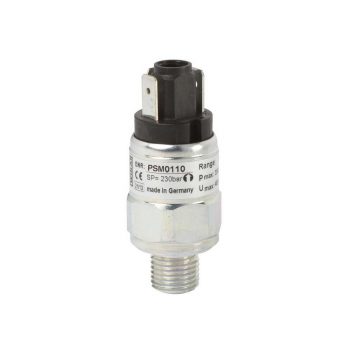
- Setting ranges: 0.2 … 2 bar [3 ... 30 psi] to 30 ... 320 bar [450 ... 4,600 psi] and -0.85 ... -0.15 bar [-25 inHg ... -5 inHg]
- Non-repeatability of the switch point: ≤ 2 % of span
- Switching functions: Normally closed, normally open or change-over contact
- Media: Compressed air, neutral and self-lubricating fluids and neutral gases
| Datasheet |

- Adjustable switch hysteresis
- Setting ranges: 0.2 … 2 bar [3 ... 30 psi] to 30 ... 320 bar [450 ... 4,600 psi] and -0.85 ... -0.15 bar [-25 inHg ... -5 inHg]
- Non-repeatability of the switch point: ≤ 2 %
- Switching functions: Normally closed, normally open or change-over contact
- Media: Compressed air, neutral and self-lubricating fluids and neutral gases
|
Datasheet
|
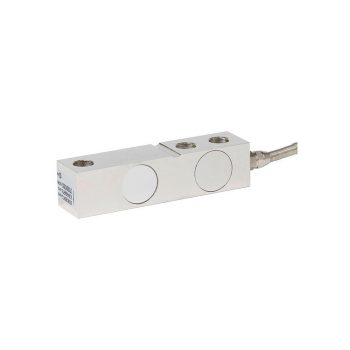
- Measuring ranges 0 … 500 kg up to 0 ... 10.000 kg
- Steel/stainless steel
- High long-term stability
- High side load tolerance
| Datasheet |
- Measuring ranges from 0 … 0.05 to 0 … 1,000 bar
- Non-linearity 0.25 % or 0.5 %
- Output 4 ... 20 mA, DC 0 ... 10 V, DC 0 ... 5 V and others
- Electrical connection: Angular connector form A and C, circular connector M12 x 1, cable outlet 2 m
- Process connection G ¼ A DIN 3852-E, ¼ NPT and others
|
Datasheet |
| User Manual |
- One-piece design
- Laser marked for identification
- Large selection of materials and configurations available
- Customer-specific combination of adapters, fittings, valves and measuring instruments (instrument hook-up) on request
| Datasheet |
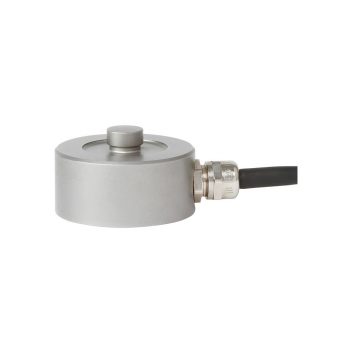
- Measuring ranges 0 ... 5 t to 0 ... 30 t
- 1,000 intervals per OIML R60 Class C
- Measuring element from stainless steel
- Hermetically sealed and welded, ingress protection IP68
| Datasheet |
| User Manual |
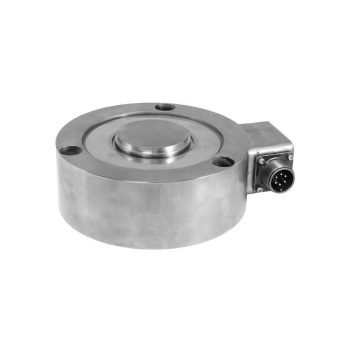
- Measuring ranges 0 ... 0.02 kN to 0 ... 2,200 kN (0 ... 5 lbs to 0 ... 500,000 lbs)
- Robust version
- Material: Stainless steel
- Ingress protection as of IP66
- Relative linearity error as of 0.1 % Fnom
| Datasheet |
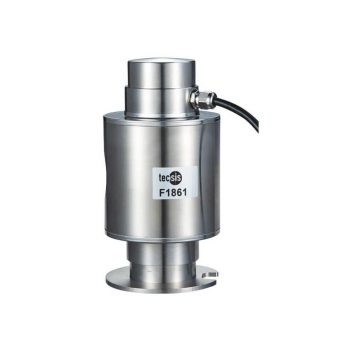
WIKA Model F1861 Compression force transducer With bilateral spherical force introduction up to 50 t
- Measuring ranges 0 ... 10 t to 0 ... 50 t
- Relative linearity error 0.03 % Fnom
- Material: Stainless steel version, IP67
- Self-centring rocker pins with dual spherical force introduction
- Adapter plates available
| Datasheet |