


A gas detector is a device used to detect gases in the air. It is commonly used in industrial settings, mining, the oil and gas industry, as well as in residential homes to detect potentially hazardous gas leaks. In this article, we will explain in detail the different types of gas detectors and how they work.
Gas detectors are capable of detecting and measuring various types of gases in the air. Most gas detectors are specialized for specific types of gases, such as carbon monoxide, methane, propane, or hydrogen. However, some detectors are capable of detecting multiple types of gases simultaneously.
Types of Gas Detectors
There are three main types of gas detectors: electrochemical, catalytic, and infrared detectors.
Electrochemical Detectors
Electrochemical gas detectors work by oxidizing the gas at an electrode. When the gas is oxidized, it produces a current that is proportional to the concentration of the gas. This current is measured by a microprocessor in the detector and converted into a concentration unit.
Electrochemical detectors are very sensitive and can detect very low concentrations of gases. However, they are prone to false alarms and can be affected by other gases or chemicals.
Catalytic Detectors
Catalytic gas detectors work by burning the gas on a catalyst. When the gas is burned, heat is released, which is measured by a thermistor in the detector. The temperature increase is proportional to the concentration of the gas.
Catalytic detectors are very sensitive and can detect a variety of gases. However, they are prone to false alarms and can be affected by other chemicals.
Infrared Detectors
Infrared detectors work by measuring the absorption of infrared light by the gas. Each gas has a unique absorption pattern in the infrared spectrum that distinguishes it from other gases. The detector sends infrared light through the gas and measures the absorption. The measured absorption is proportional to the concentration of the gas.
Infrared detectors are very specific and can detect certain gases very accurately. However, they are more expensive than electrochemical and catalytic detectors and can be affected by other infrared-absorbing gases.
How a Gas Detector Works
Regardless of the type of gas detector, there are certain steps the device goes through to detect a gas leak.
Sampling
First, a sample of the air that is to be tested for the presence of gases must be taken. This is done through an inlet system placed near the potential gas source. The air sample is then drawn through the gas detector to measure the gas concentration.
Gas Detection
Once the air sample is introduced into the gas detector, the device begins gas detection. Depending on the type of detector, this can be done through an electrochemical reaction, catalytic combustion, or infrared absorption.
Signal Processing
After the gas is detected, the signal from the detector is sent to a microprocessor, which processes the signal and converts it into a concentration unit. The concentration is then displayed on the gas detector's display.
Alarm
If the measured gas concentration exceeds a certain threshold, the detector triggers an alarm. Most gas detectors have an acoustic alarm that emits a loud sound to indicate the presence of gas. Some detectors also have visual alarms, such as flashing lights or a changing display.
Applications of Gas Detectors
Gas detectors have many applications in various industries and environments. Here are some examples:
Industrial Applications
In industry, gas detectors are frequently used to ensure worker safety. Particularly in the chemical industry, oil and gas industry, and in the production of industrial gases, gas detectors are used to monitor potentially hazardous gases such as carbon monoxide, hydrogen sulfide, or methane.
Mining
In mines, gas detectors are used to monitor the concentration of methane and carbon monoxide. Methane is a flammable gas and can cause explosions at high concentrations. Carbon monoxide is a colorless, odorless gas that can be fatal at high concentrations.
Residential Applications
Gas detectors are also used in residential homes to detect carbon monoxide leaks. Carbon monoxide is an odorless, colorless gas that can be produced by combustion sources such as furnaces, heaters, and fireplaces. Inhaling it in high concentrations can be fatal.
Conclusion
Gas detectors are an important part of safety in various industries and environments. There are different types of gas detectors that are specialized for different types of gases. The operation of a gas detector is based on sampling, gas detection, signal processing, and alarm. Gas detectors are essential in many applications to ensure the health and safety of workers and the public.
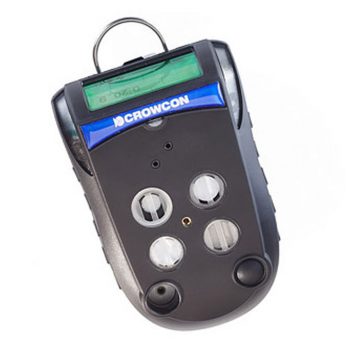
- Designed specifically for tank inspection in tanks and vessels containing inert gases
- Detects combustible gases from Vol.% levels down to low % LEL concentrations
- Automatic range switching between % LEL and % Vol depending on gas concentration
- Monitors oxygen levels to support safe tank entry and system access decisions
- Tank testing mode with alarms disabled to avoid nuisance alarms at high gas concentrations
- Automatic flow plate detection with sampling possible from up to 30 m distance
- Lightweight portable device with simple one-hand operation, even when wearing gloves
- Can also be used as a personal gas detector with audible, visual and vibrating alarms
 Datasheet Datasheet |

- Portable multi-gas detector for monitoring up to 5 gases
- Optional integrated pump for sampling and pre-entry testing
- Large top-mounted display for easy and quick readings
- Simple one-button operation with ergonomic, hand-friendly design
- PID technology for detection of volatile organic compounds (VOC)
- Supports both diffusion and pumped operation
- Rugged housing with IP65 / IP66 protection for harsh industrial environments
- Powerful pump enables sampling from distances up to 30 m
|
Datasheet
|

The Gas-Pro IR is ideal for the oil and gas industry. This personal multigas monitor can detect methane, pentane or propane using infrared (IR) sensor technology. The Gas-Pro IR is ideal for detecting potentially explosive gases where traditional, ”pellistor”, catalytic sensors will struggle – especially in a low oxygen environment.

|
Datasheet
|
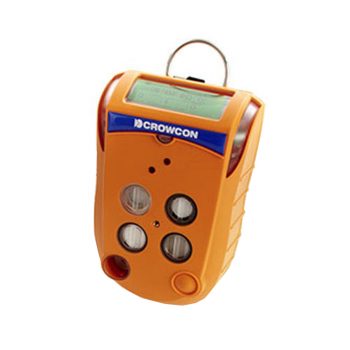
- Portable multi-gas detector for monitoring up to 5 gases
- Optional integrated pump for sampling and pre-entry testing
- Large top-mounted display for quick and clear readings
- Simple single-button operation – even when wearing gloves
- Compatible with IR, PID and electrochemical sensors
- Rugged housing with IP65 / IP67 protection for harsh industrial environments
- High-capacity lithium-ion battery with more than 14 hours runtime
- Automatic reminders for bump tests and calibration
|
Datasheet
|
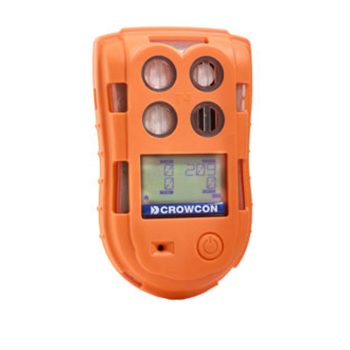
- Portable 4-gas detector for protection against CO, H₂S, combustible gases and oxygen deficiency
- Extended battery life of up to 18 hours for full work shifts
- Large backlit display with 180° flip function for easy readability
- Rugged design with 4 m drop protection and IP65 / IP67 protection rating
- ATEX and UL certified for use in hazardous environments
- Traffic-light status indicator for quick overview of device status
- Powerful 95 dB audible alarm with LED visual and vibration alerts
- Simple one-button operation – even when wearing gloves
|
Datasheet
|
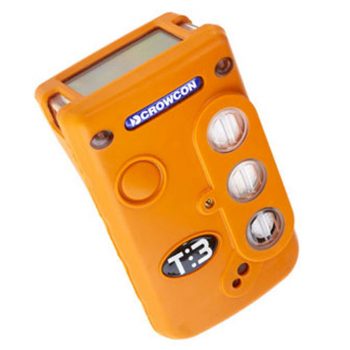
The Tetra:3 multigas monitor is a compact, robust and easy-to-use diffusion based detector. Single button operation, small size and clear top-mounted display make it a favourite in the market amongst those working in demanding industrial environments, such as those in the water, telecoms, food, brewing or hydrocarbons sectors.

| Datasheet |
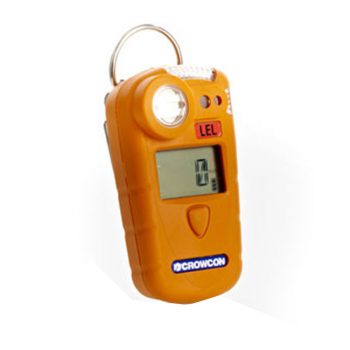
- Compact personal single gas detector for industrial safety applications
- Rugged polycarbonate housing with IP65 protection rating
- 95 dB audible alarm, bright LED visual alarm and vibration alert
- Available for flammable gases, oxygen and toxic gases
- Rechargeable versions available for all gas types
- Simple one-button operation with easy-to-read display
- TWA and peak value display for reliable gas monitoring
- Lightweight ergonomic design for comfortable everyday use
| Datasheet |
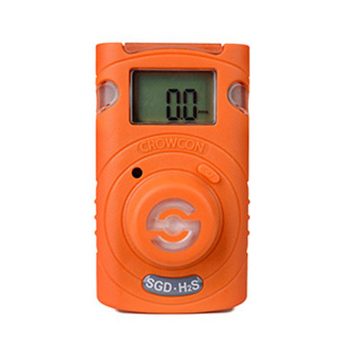
- Maintenance-free personal single gas detector for industrial safety applications
- Continuous gas monitoring with up to 2 years operational lifetime
- Available for hydrogen sulfide (H₂S), carbon monoxide (CO) or oxygen (O₂)
- Configurable alarm thresholds for flexible safety requirements
- Bump test warning indication and simple configuration via docking station
- Compact lightweight design with simple single-button operation
- Rugged housing with IP66 / IP67 protection for harsh industrial environments
- Real-time gas readings and countdown display for device status monitoring
|
Datasheet
|
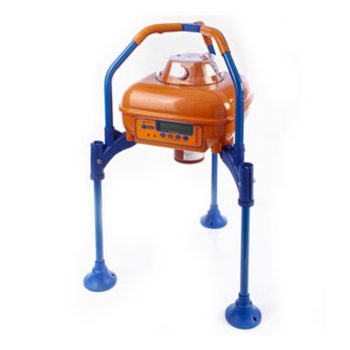
Detective+ is a multi-gas temporary area monitor for use in turnaround/shutdown procedures, hot work maintenance, confined space entry work and many other utility, construction and oil and gas industry applications. Go solo or link together using Detective Net to form a perimeter, Detective+ gives a loud and clear alarm providing effective warning of gas hazards. The rugged, water and impact resistant design make Detective+ the ideal choice for your transportable gas detection needs.
| Datasheet |
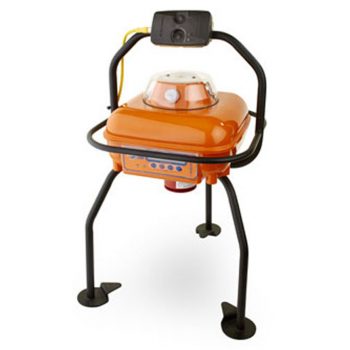
Detective Wireless is a module that can replace interconnecting cables for Detective+. Detective Wireless will transmit gas alert signals and other alarms wirelessly between Detective units using a 433MHz signal up to 100 metres in distance.
| Datasheet |
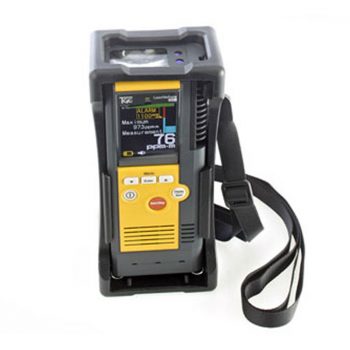
The LaserMethane mini (LMm) is an innovative long-range portable detector which allows methane gas to be detected at distances of up to 100m. This enables easy access to hard-to-reach locations, such as elevated piping or locked premises, and helps keep the operator away from potential leak sources.
Latest development – LMm is now available with Bluetooth connectivity.
Previously only available in a ‘safe-area’ version, Bluetooth is now an available option for the ATEX approved LMm. This allows connection to an Android device using the GasViewer app delivering data storage functionality. This means that important survey data including gas level, time, date and location can be combined, saved or emailed to a central point.
| Datasheet |
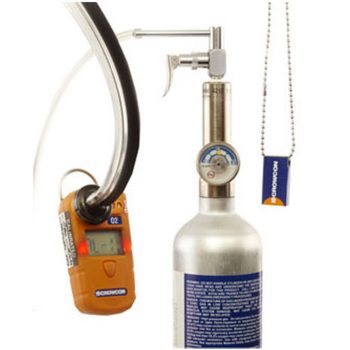
With regulations driving tighter calibration routines and the requirement for daily bump testing, there is a real need for test gas. Gas detectors play a key part for people and plant safety so equipment cannot afford to be out of service.
| Datasheet |