


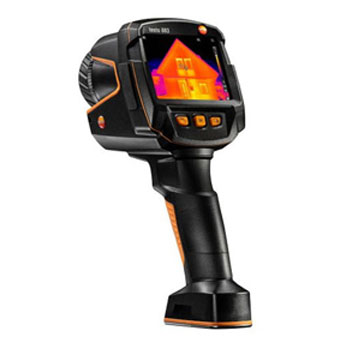






















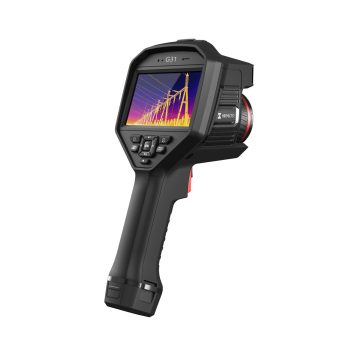
- Thermal resolution: 384 x 288 (110,592 pixels), NETD: < 35 mK (@ 25 °C, F#=1.0)
- Temperature measurement range: -20 °C to 650 °C (-4 °F to 1202 °F)
- Accuracy: Max (±2°C/3.6°F, ±2%)
- 1.x to 8.x continuous digital zoom
- Manual, automatic, and 1-Tap Level and Span
- GPS & compass annotation functions
- Long-distance laser light supplement for thermography targets
- LED light supplement provides light in dark scenarios
 Datasheet Datasheet
|
|
Flyer
|
|
User Manual
|
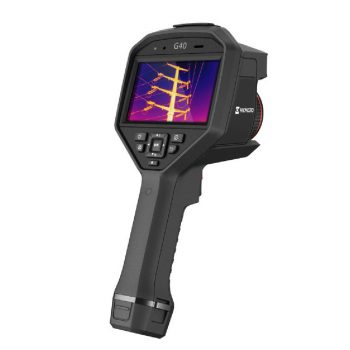
- 480 x 320 (153.600 Pixel) IR-Auflösung
- 3 Arten von Fokusmodi (automatischer Fokus, manueller Fokus und Fokus des Lasermessassistenten) für klare Bilder und genauere Temperaturmessungen
- Option für Wechselobjektive für verschiedene Szenarien
- Eingebetteter Laser-Entfernungsmesser
- Stellen Sie eine Verbindung zu mobilen Wi-Fi-Geräten her und verwenden Sie die Viewer-App, um Bilder schnell zu teilen
- 50Hz Bildfrequenz
- Enthält eine akustische Warnung bei hoher Temperatur
- Mess-Presets: Center-Spot, Hot-Spot, Cold-Spot, 10 Punkt-Presets, 1 Linien-Preset, 3 Bereichs-Presets
- Ermöglicht bis zu 64 GB Micro-SD-Speicher
- IP54 wasser- und staubdicht
|
Datasheet
|
| Flyer |
|
User Manual
|
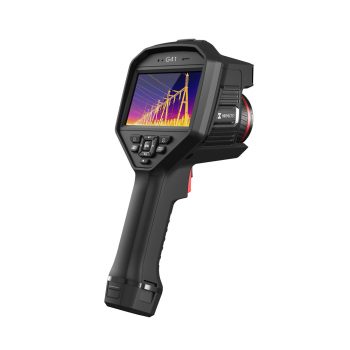
- Thermal resolution: 480 x 360 (172,800 pixels), NETD: < 35 mK (@ 25 °C, F#=1.0)
- Temperature measurement range: -20 °C to 650 °C (-4 °F to 1202 °F)
- Accuracy: Max (±2°C/3.6°F, ±2%)
- 1.x to 8.x continuous digital zoom
- Manual, automatic, and 1-Tap Level and Span
- GPS & compass annotation functions
- Long-distance laser light supplement for thermography targets
- LED light supplement provides light in dark scenarios
| Datasheet |
| Flyer |
| User manual |
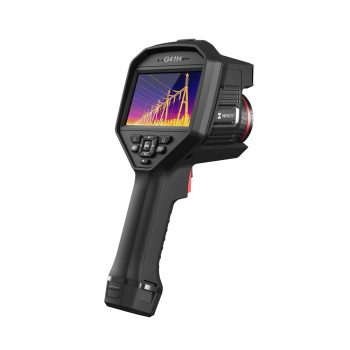
- Thermal resolution: 480 x 360 (172,800 pixels), NETD: < 35 mK (@ 25 °C, F#=1.0)
- Temperature measurement range: -20 °C to 2000 °C (-4 °F to 3632 °F)
- Accuracy: Max (±2°C/3.6°F, ±2%)
- 1.x to 8.x continuous digital zoom
- Manual, automatic, and 1-Tap Level and Span
- GPS & compass annotation functions
- Long-distance laser light supplement for thermography targets
- LED light supplement provides light in dark scenarios
| Datasheet |
| Flyer |
| User Manual |
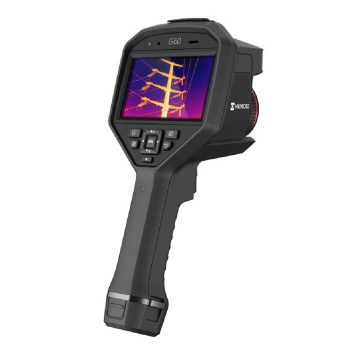
- Thermische Auflösung: 640 × 480 (307.200 Pixel) IR-Auflösung
- NETD: < 35 mK (bei 25 °C, F#=1,0)
- Temperaturmessbereich: -20°C - 650°C
- 3 Arten von Fokusmodi (automatischer Fokus, manueller Fokus und Fokus des Lasermessassistenten) für klare Bilder und genauere Temperaturmessungen
- Genauigkeit: Max. (±2 °C, ±2 %)
- Messvoreinstellungen: Center-Spot, Hot-Spot, Cold-Spot, 10 Punkt-Presets, 1 Linien-Preset, 3 Bereichs-Presets
- Option für Wechselobjektive für verschiedene Szenarien
- Weitwinkel mit 25° × 19°
- 50Hz Bildfrequenz
- 3,5-Zoll-LCD-Touchscreen-Display mit 640 × 480 Auflösung
- Integrierter Laser-Entfernungsmesser
- Stellen Sie eine Verbindung zu mobilen Wi-Fi-Geräten her und verwenden Sie die Viewer-App, um Bilder schnell zu teilen
- Enthält eine akustische Warnung bei hoher Temperatur
- Ermöglicht bis zu 64 GB Micro-SD-Speicher
- IP54 wasser- und staubdicht
|
Datasheet
|
| Flyer |
|
User Manual
|
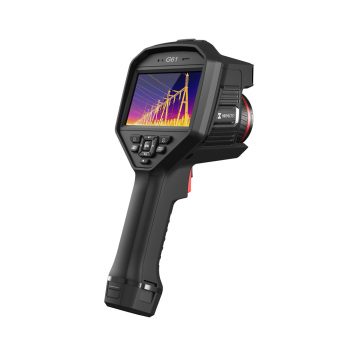
- Thermal resolution: 640 x 480 (307,200 pixels), NETD: < 35 mK (@ 25 °C, F#=1.0)
- Temperature measurement range: -20 °C to 2000 °C (-4 °F to 3632 °F)
- Accuracy: Max (±2°C/3.6°F, ±2%)
- 1.x to 8.x continuous digital zoom
- Manual, automatic, and 1-Tap Level and Span
- GPS & compass annotation functions
- Long-distance laser light supplement for thermography targets
- LED light supplement provides light in dark scenarios
| Datasheet |
| Flyer |
| User Manual |
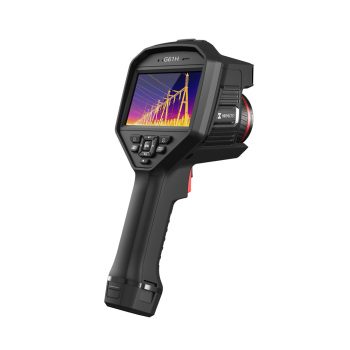
- Thermal resolution: 640 x 480 (307,200 pixels), NETD: < 35 mK (@ 25 °C, F#=1.0)
- Temperature measurement range: -20 °C to 2000 °C (-4 °F to 3632 °F)
- Accuracy: Max (±2°C/3.6°F, ±2%)
- 1.x to 8.x continuous digital zoom
- Manual, automatic, and 1-Tap Level and Span
- GPS & compass annotation functions
- Long-distance laser light supplement for thermography targets
- LED light supplement provides light in dark scenarios
| Datasheet |
| Flyer |
| User Manual |
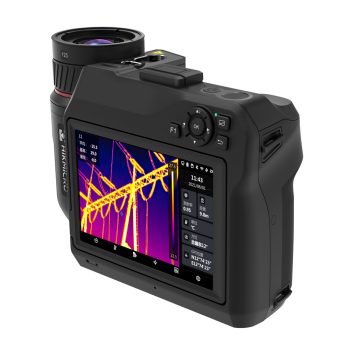
- Thermal resolution: 480 × 360 (172,800 pixels), NETD: < 30 mK (@ 25 °C,F#=1.0)
- Temperature measurement range: -20 °C to 650 °C (-4 °F to 1202 °F)
- Accuracy: Max (±2°C/3.6°F, ±2%)
- The 90° rotating screen and the 180° rotating lens design
- 1.x to 12.x continuous digital zoom
- Manual, automatic, and 1-Tap Level and Span
- 30 Hz image frequency
- Up to 4 hours continuous running
| Datasheet |
| Flyer |
| User Manual |
- Thermal resolution: 480 × 360 (172,800 pixels), NETD: < 30 mK (@ 25 °C, F#=1.0)
- Temperature measurement range: -40°C to 2200°C (-40°F to 3992°F)
- Accuracy: Max. (±1°C (±1.8°F): 0 to 100°C (32 to 212°F); ±1%: 100 to 150°C (212 to 302°F))
- The 90° rotating screen and the 180° rotating lens design
- 1.x to 12.x continuous digital zoom
- Manual, automatic, and 1-Tap Level and Span
- 30 Hz image frequency
- Up to 4 hours continuous running
| Datasheet |
| Flyer |
| User Manual |
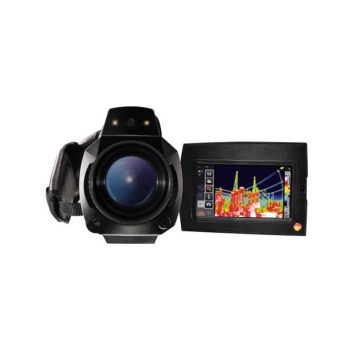
- testo 890 professional thermal imager: resolution 640 × 480 pixels, upgradable to 1280 × 960 pixels with SuperResolution technology, thermal sensitivity < 40 mK
- Super-telephoto lens with a 6.6° x 5° field of view for the accurate recording of extremely distant objects
- Sequence capturing in the instrument a possible option, humidity calculation, SiteRecognition, panorama image assistant, JPEG storage function and other practical features
 Datasheet Datasheet
|
|
User Manual
|
|
User Manual
|
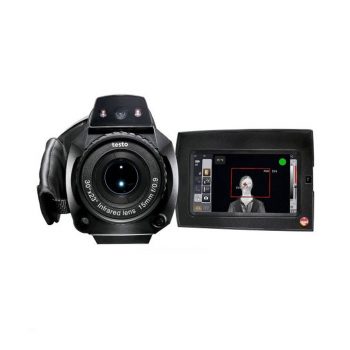
- testo 890 thermal imager with FeverDetection feature for detecting elevated facial surface temperatures
- Reliable: 640 x 480 pixel resolution and extremely good thermal sensitivity
- Secure: Visual or acoustic alarm indicates individuals with elevated body surface temperatures
- Flexible: Thanks to an HDMI interface for data transfer to an external screen, it can also be used in semi-stationary applications such as security checks
|
Datasheet
|
|
User Manual
|
|
User Manual
|
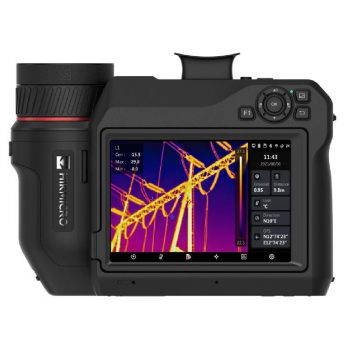
- Thermal resolution: 640 × 480 (307,200 pixels), NETD: < 30 mK (@ 25°C, F# = 1.0)
- Temperature measurement range : -20°C to 650°C (-4°F to 1202°F)
- Accuracy: Max. (± 2°C/3.6°F, ± 2%)
- The 90° rotating screen and the 180° rotating lens design
- 1024 × 768 OLED electronic viewfinder and auto-brightness 5-inch color LCD display
- 1.0× to 12.0× continuous digital zoom
- Manual, automatic, and 1-Tap Level and Span
- Manual focus, continuous autofocus, autofocus, and laser-assisted focus
- GPS & compass annotation functions
- 25 Hz image frequency
- 8 MP Optical camera
- Up to 4 hours continuous running
| Datasheet |
| Flyer |
| User Manual |
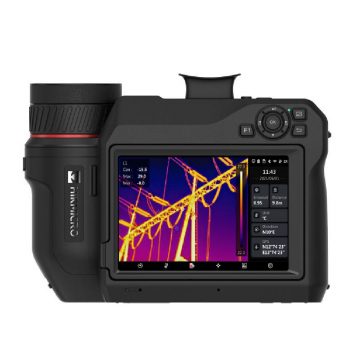
- Thermal resolution: 640 × 480 (307,200 pixels), NETD: < 30 mK (@ 25°C, F# = 1.0)
- Temperature measurement range : -40°C to 2200°C (-40°F to 3992°F)
- Accuracy: Max. (±1°C (±1.8°F): 0 to 100°C (32 to 212°F); ±1%: 100 to 150°C (212 to 302°F))
- The 90° rotating screen and the 180° rotating lens design
- 1024 × 768 OLED electronic viewfinder and auto-brightness 5-inch color LCD display
- 1.0x to 12.0x continuous digital zoom
- Manual, automatic, and 1-Tap Level and Span
- Manual focus, continuous autofocus, autofocus, and laser-assisted focus
- GPS & compass annotation functions
- 25 Hz image frequency
- 8 MP Optical camera
- Up to 4 hours continuous running
| Datasheet |
| Flyer |
| User Manual |
