




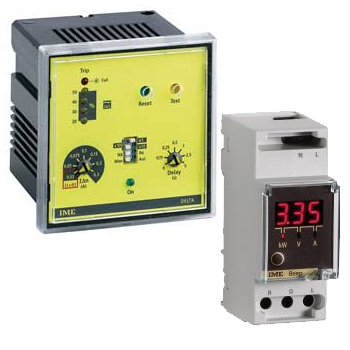

Test Instruments for Control Cabinet Construction / Switchgear Panel Testing Devices
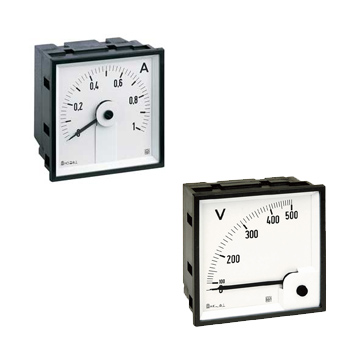
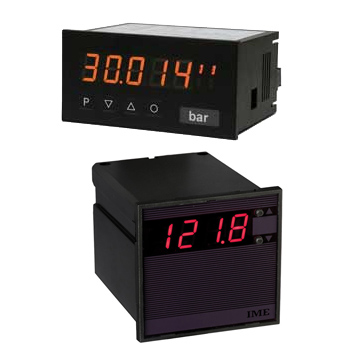
Test instruments for control cabinet construction comprise a broad range of diagnostic and measurement tools used to test, verify and document electrical installations and switchgear panels. These include devices for voltage and current measurement, insulation testing, earth and loop impedance measurement, phase sequence verification, short-circuit simulation as well as advanced multifunction testers. They support technicians in commissioning, inspection, maintenance and fault diagnostics of electrical control cabinets and distribution panels — safely, reliably and in accordance with standards.
Which measurement tasks are typical during control cabinet assembly?
Typical tasks include single- and three-phase voltage testing, current draw and load testing, insulation resistance measurement between live conductors and protective earth, earth and loop impedance measurement, phase sequence verification, protective function checks, short-circuit simulation and documentation of results for acceptance or quality assurance.
Why are testing instruments for control cabinet construction important?
They ensure that electrical installations are assembled safely and in compliance with standards — errors such as incorrect wiring, poor earthing or wrong phase sequence can be detected. This protects personnel and equipment from electrical hazards, prevents failures, and enables reliable documentation for commissioning and maintenance.
What types of instruments exist for switchgear testing?
There are basic handheld testers for fundamental checks, dedicated instruments for insulation or grounding tests, and multifunction measuring systems combining various tests (e.g. voltage, insulation, loop impedance, phase sequence) — often with memory and interface options for documentation. For production lines or series installations, devices with digital outputs or automated test sequences are commonly used.
Which standards and safety requirements apply?
Test instruments for control cabinet construction should meet national and international standards (e.g. IEC, VDE). Requirements include appropriate overvoltage category (e.g. CAT III / CAT IV), defined insulation and test voltages, robust measurement leads, safe handling, and traceable documented test results. The measuring equipment must be suitable for the intended environment and application.
What should be considered when selecting such an instrument?
Important selection criteria are measurement ranges (voltage, current, resistance), test voltages, safety category, connectivity for documentation, measurement accuracy, robustness, and ease of use. For professional applications a device offering multiple functions in one unit, clear operation and minimal risk is often preferred.
Can a multifunction instrument replace many individual testers?
Yes — multifunction testers combine several measurement tasks in a single device, replacing multiple specialized instruments. They simplify testing and documentation, save space, reduce possible errors, and offer consistent workflows. For complex switchgear they are particularly efficient and practical.
Which extra functions and interfaces can be useful?
Useful features include data logging, automated test routines, interfaces (USB, RS-232, Bluetooth), print or PDF report generation, storage of test records, scheduled tests, automatic fault detection and safety shutdown on critical values. These functions support documentation, series testing and integration in maintenance or testing workflows.
How do environmental conditions affect measurement results?
Humidity, temperature and contamination can influence insulation and resistance measurements. It is recommended to perform measurements under suitable conditions, protect the device if necessary, and keep test leads and contacts clean. Errors should be minimized — especially for safety-critical tests.
When is calibration or verification of measuring instruments required?
Regular calibration or functional testing is required to ensure measurement accuracy and safety. For standard-compliant tests, series installations or audits, traceable calibration, documented procedures and possibly calibration certificates are needed to validate measurement results and ensure liability.
What are the advantages of using specialized instruments in control cabinet construction?
Specialized test instruments offer greater safety, more accurate diagnostics, standard-compliant checks, efficient workflows and improved documentation. They reduce the risk of electrical faults, shorten testing time and enable professional quality assurance as well as traceable records for commissioning or maintenance.