


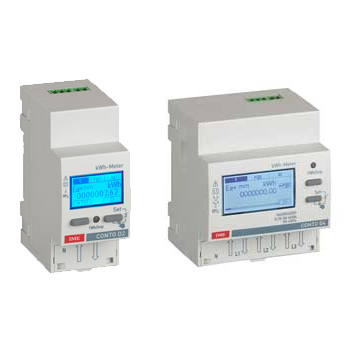
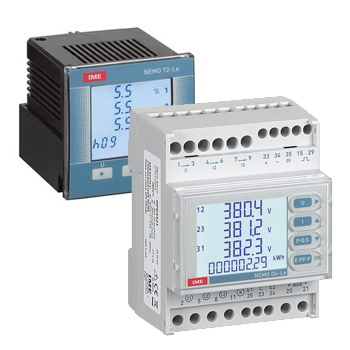
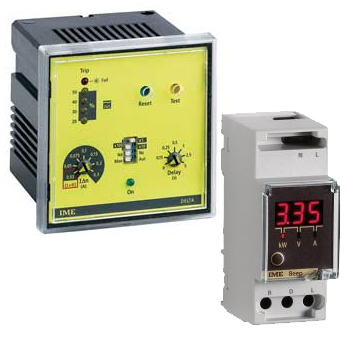
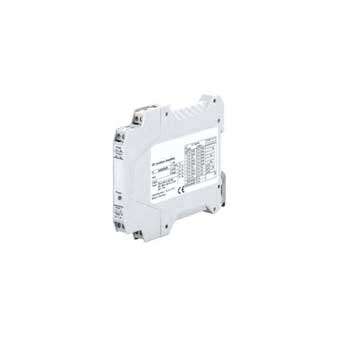
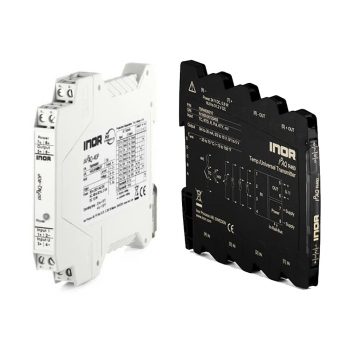






















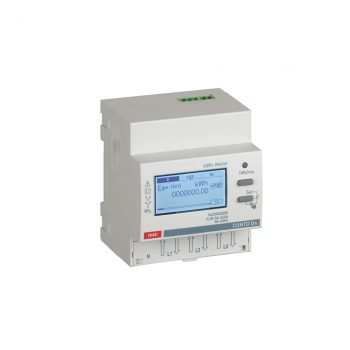
Conto D4-Pd -Energy meter, active (cl.1) and reactive (cl.2) Connection: direct - Network: three-phase 4-wires unbalanced - Dimension: 4 DIN modules - Output: RS485, protocol JBUS/MODBUS - Current: 63A - Voltage: 230-400V (phase-phase) - Aux: self-supplied
| CURRENT | 63A |
|---|---|
| AUX | Selfsupplied |
| VOLTAGE | 230-400Vac |
| CLASS | 1/2 |
| FREQUENCY | 50-60Hz |
| OUTPUT | RS485 |
| PROTECTION INDEX | IP20 |
| MODULES | 4 |
 Datasheet Datasheet |
- Active positive and negative energy at the terminals (MID)
- Active and reactive energy on the primary side (CT/VT)
- Active and reactive energy tariff 1 and tariff 2
- Partial resettable active and reactive energy
- Current / Voltage / Frequency
- Power factor
- Active, reactive and apparent power
- Average active power and peak average power
- Programmable hour meter (start counting from 0 ... 50% of the positive rated power)
- Digital input (Double tariff / pulses from external meters)
| Datasheet |
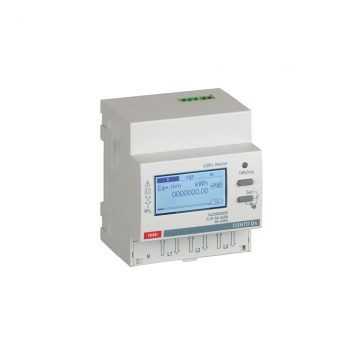
Conto D4-Pd MID - Energy meter, active MID (cl.B) and reactive (cl.2) Connection: direct - Network: three-phase 4-wires unbalanced - Dimension: 4 DIN modules - Output: M-bus - Current: 0.5-10(63)A - direct - Voltage: 3x230V and 3x400V - direct - Aux: self-supplied
| CURRENT | 63A |
|---|---|
| AUX | Selfsupplied |
| CLASS | B |
| FREQUENCY | 50-60Hz |
| OUTPUT | M-bus |
| PROTECTION INDEX | IP20 |
| MODULES | 4 |
| Datasheet |
| User Manual |
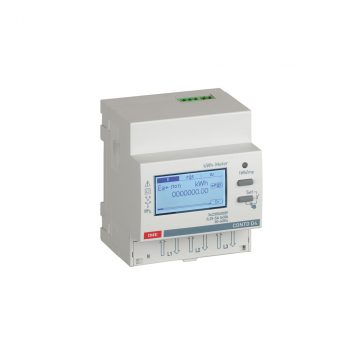
Conto D4-Pt -Energy meter, active (cl.1) and reactive (cl.2) Connection: via CT - Network: three-phase 4-wires unbalanced - Dimension: 4 DIN modules - Output: M-Bus - Current: 5/63A - Voltage: 230-400V (phase-phase) - Aux: self-supplied
| CURRENT | 1A-5A |
|---|---|
| AUX | Selfsupplied |
| VOLTAGE | 400...415Vac |
| CLASS | 1/2 |
| FREQUENCY | 50Hz |
| OUTPUT | M-bus |
| PROTECTION INDEX | IP20 |
| MODULES | 4 |
| Datasheet |
| User Manual |
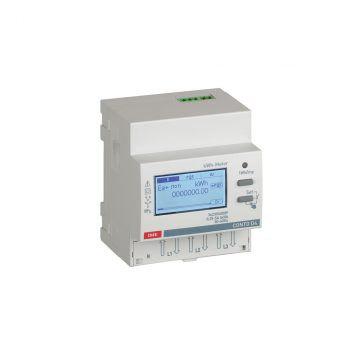
Conto D4-Pt MID - Energy meter, active MID (cl.B) and reactive (cl.2) Connection: via CT (5A) - Network: three-phase 4-wires unbalanced - Dimension: 4 DIN modules - Output: M-Bus - Current: 63A - Voltage: 3x230/400V - Aux: self-supplied
| CURRENT | 5/63A |
|---|---|
| AUX | Selfsupplied |
| VOLTAGE | 230-400Vac |
| CLASS | B |
| FREQUENCY | 50-60Hz |
| OUTPUT | M-bus |
| PROTECTION INDEX | IP20 |
| MODULES | 4 |
| Datasheet |
| User Manual |
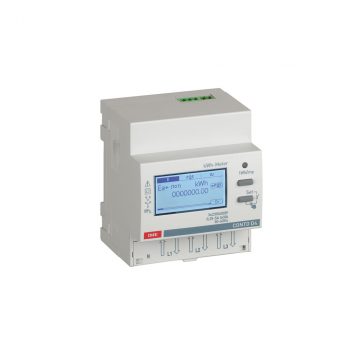
Conto D4-Sh -Energy meter, active (cl.1) and reactive (cl.2) Connection: via CT - Dimension: 4 DIN modules - Output: pulse - Current: 5/63A - Voltage: 230-400V (phase-phase) - Aux: self-supplied
| CURRENT | 1A-5A |
|---|---|
| AUX | Selfsupplied |
| VOLTAGE | 400...415Vac |
| CLASS | 1/2 |
| FREQUENCY | 50Hz |
| OUTPUT | Pulse |
| PROTECTION INDEX | IP20 |
| MODULES | 4 |
| Datasheet |
| User Manual |
