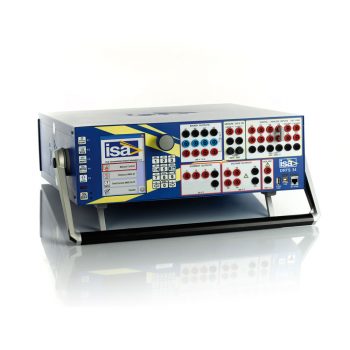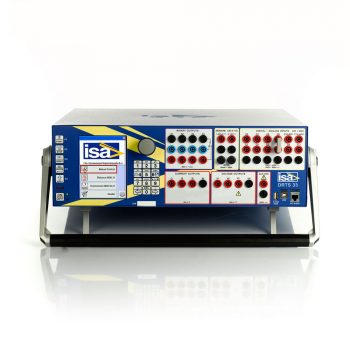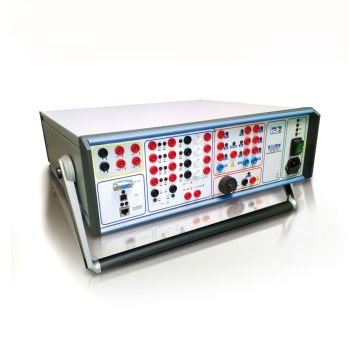
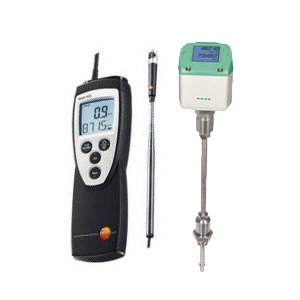
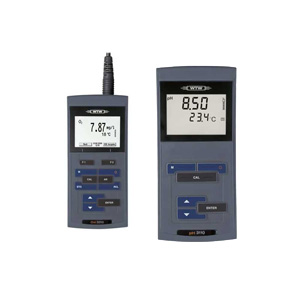
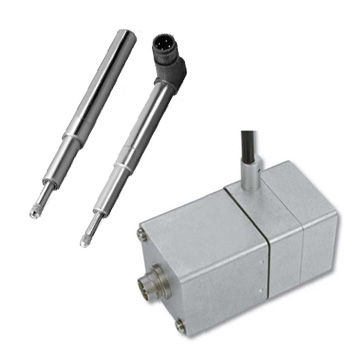
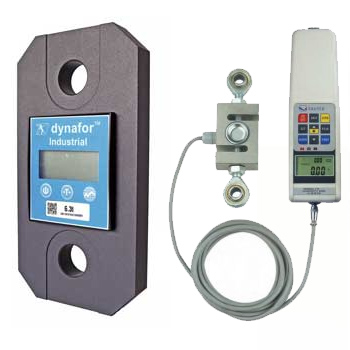
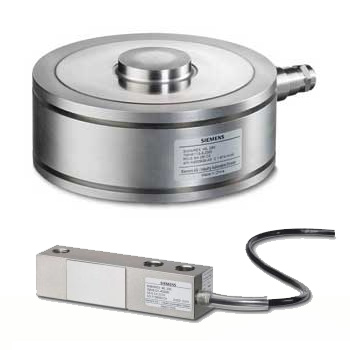
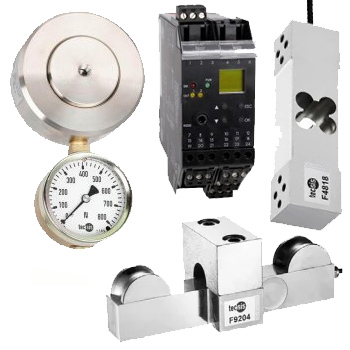
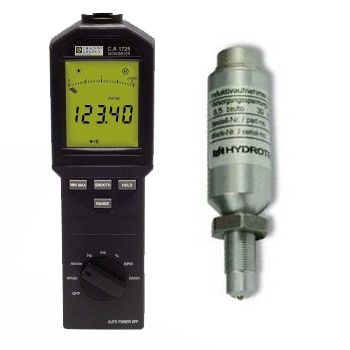
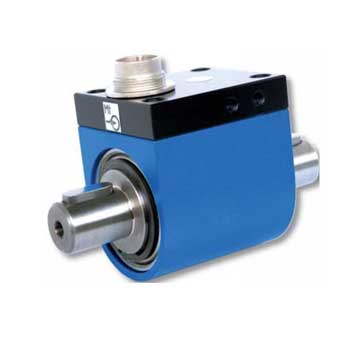
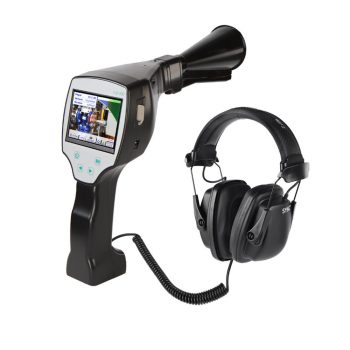
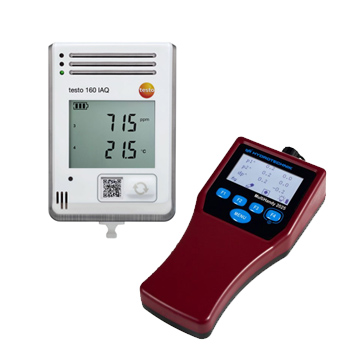
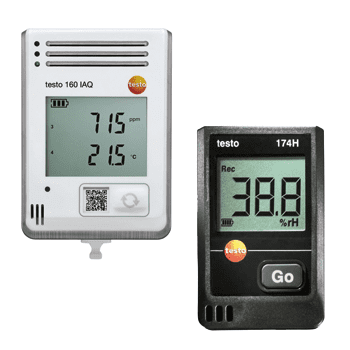
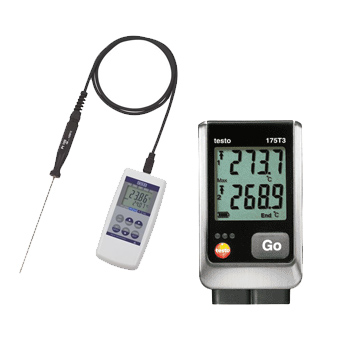
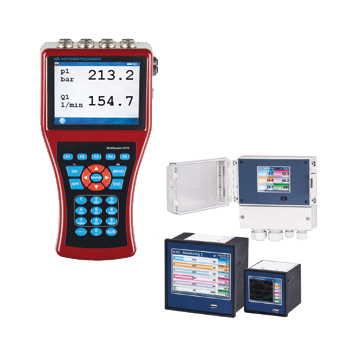
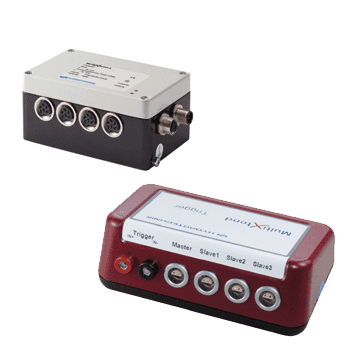
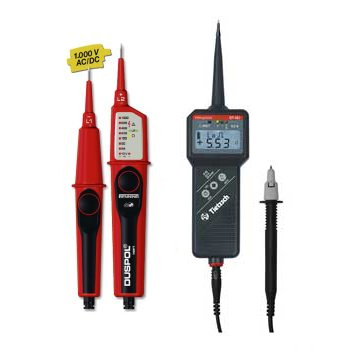
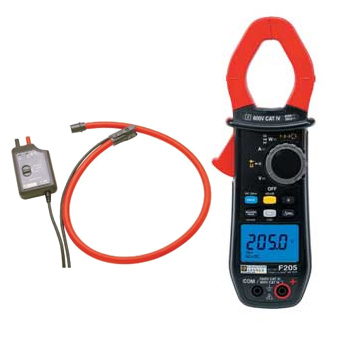
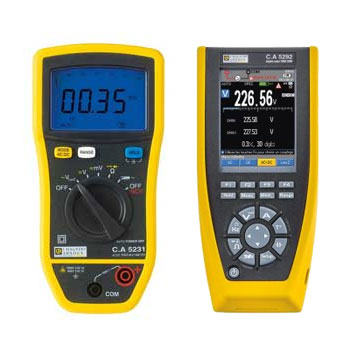
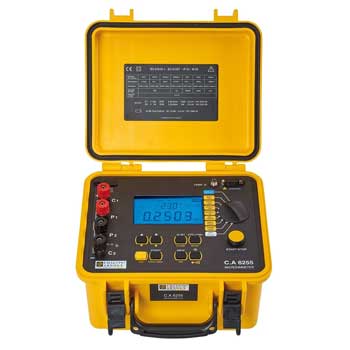
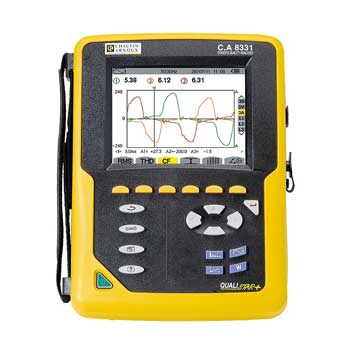
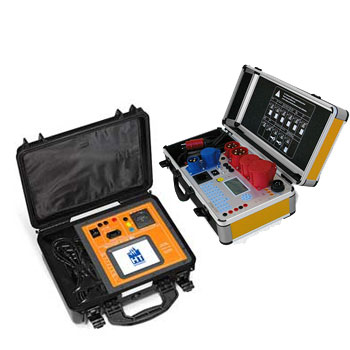
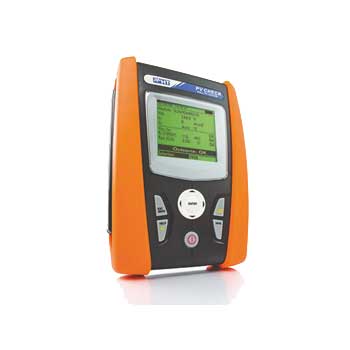
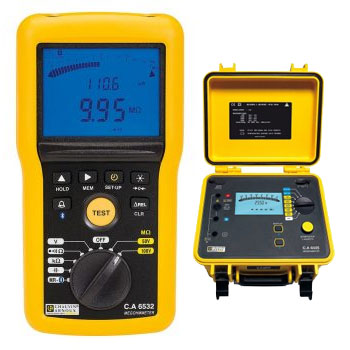
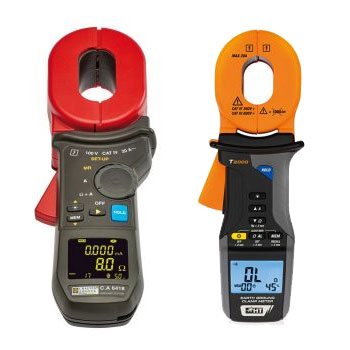
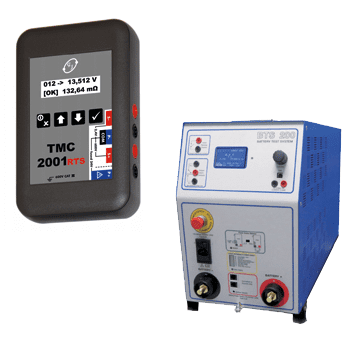
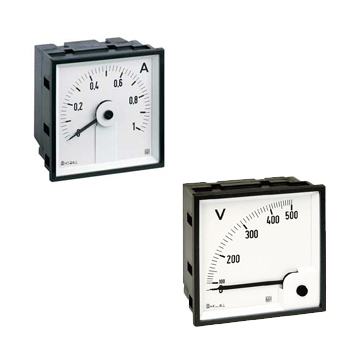
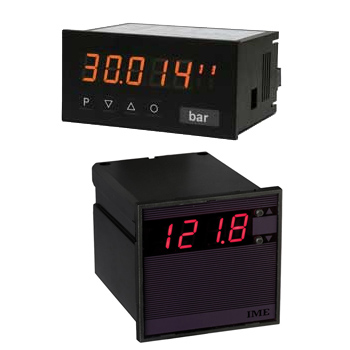
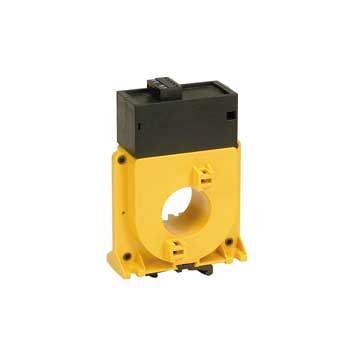
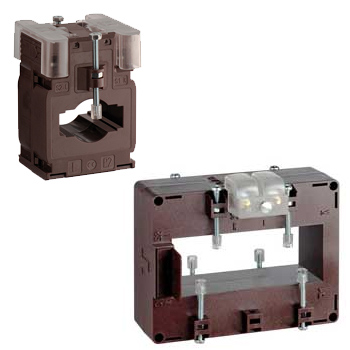
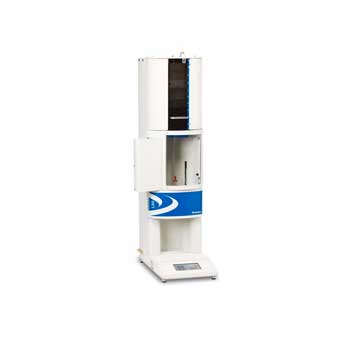
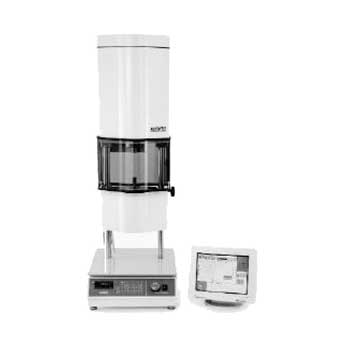

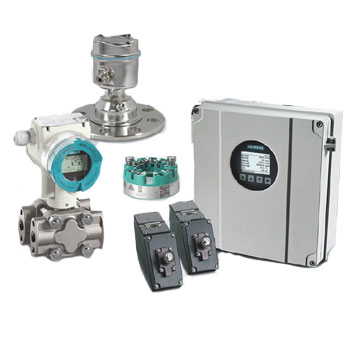
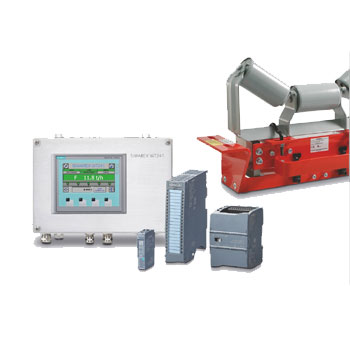
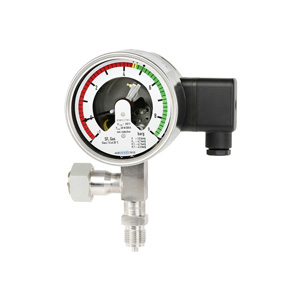
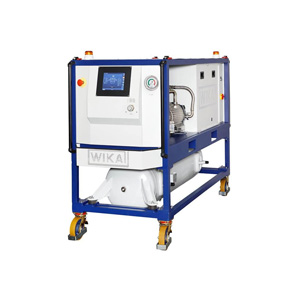
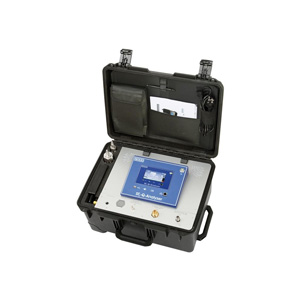
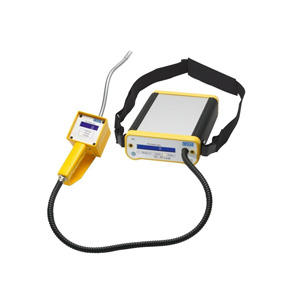
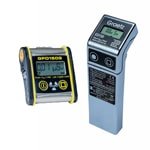
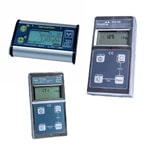
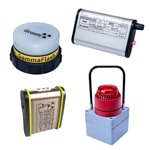
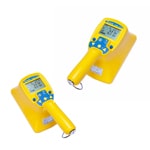
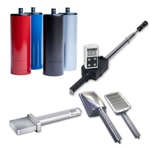
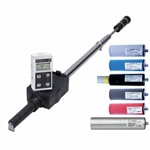
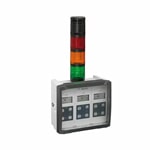
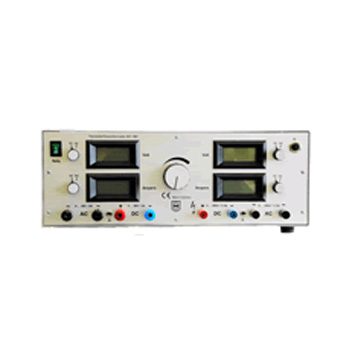
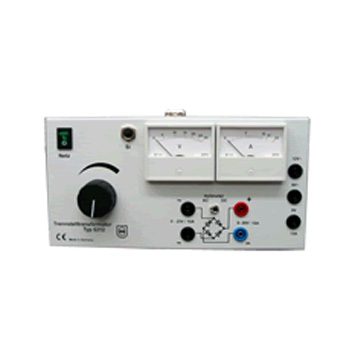
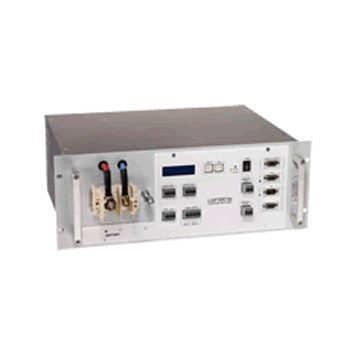
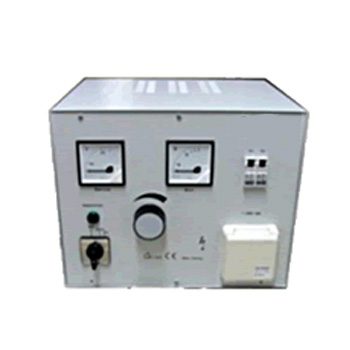
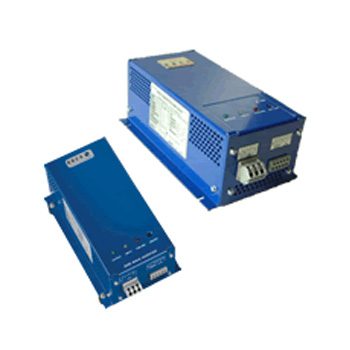
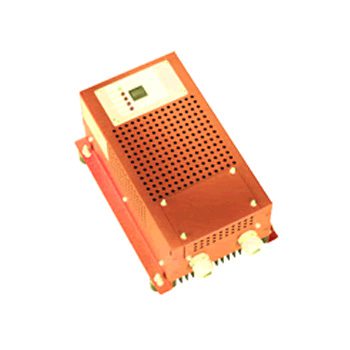


























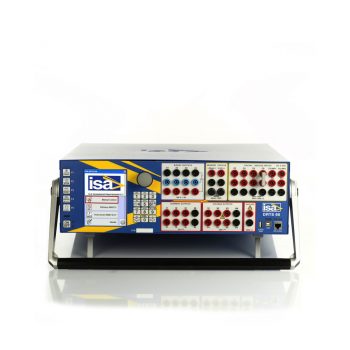
DRTS 66 is the most powerful diagnostic test set designed to perform accurate tests on protection relays, transducers, energy and power quality meters. This advanced test equipment is also thought to satisfy all the needs related to commissioning and substation maintenance. 6 Current and 6 Voltage generators simultaneously available.
Datasheet |
DRTS 64 is the most powerful diagnostic test set designed to perform accurate tests on protection relays, transducers, energy and power quality meters. This advanced test equipment is also thought to satisfy all the needs related to commissioning and substation maintenance. 6 Current and 4 Voltage generators simultaneously available.
Datasheet |
DRTS 6 is designed to perform accurate tests on protection relays, transducers, energy and power quality meters. This diagnostic and calibration equipment is the perfect solution to perform automatic testing on protection devices.
Datasheet |
DRTS 3 PLUS power system simulator is designed to give the highest accuracy when testing and calibrating protective relays, energy meter, transducer and power quality devices. This diagnostic and calibration equipment is the perfect solution to perform automatic testing on protection devices.
Datasheet |
DRTS 34 is the most powerful diagnostic test set designed to perform accurate tests on protection relays, transducers, energy and power quality meters. This advanced test equipment is also thought to satisfy all the needs related to commissioning and substation maintenance. 3 Current and 4 Voltage generators simultaneously available.
Datasheet |
DRTS 33 is the most powerful diagnostic test set designed to perform accurate tests on protection relays, transducers, energy and power quality meters. This advanced test equipment is also thought to satisfy all the needs related to commissioning and substation maintenance. 3 Current and 3 Voltage generators simultaneously available.
Datasheet |
Meter & Transducer Testing
Meter and transducer testing refers to the inspection and calibration of measuring transformers and transducers (e.g. current transformers, voltage transformers, power/energy transducers) as well as measuring devices and sensors that convert electrical quantities into measurable or controllable signals. The goal is to verify accuracy, function and safety of these instruments to ensure correct measurements, reliable protection and regulation, and precise energy or power metering.
FAQ
What does meter & transducer testing include?
It includes tests of measuring transformers and transducers — devices that convert electrical quantities like current, voltage or power into measurable secondary values. Tests include calibration, ratio and error checking, insulation and burden testing, polarity and phase check, and functional tests under defined conditions.
Why is testing of transformers and transducers necessary?
Because these devices are often used in protection, metering or control systems. Faulty or inaccurate transformers lead to incorrect measurements, malfunctioning protection, or billing errors. Regular testing ensures reliable measurement and operation.
Which types of devices are covered?
Current transformers (CT), voltage / potential transformers (VT/PT), energy and power transducers, metering devices for energy measurement, sensors for voltage, current, frequency or power, and combined measuring and transducer units used in modern grid and distribution systems.
Which parameters are usually checked?
Transformation ratio, conversion accuracy, phase shift, polarity, winding resistance, burden (load), insulation resistance, secondary current or voltage, load behaviour and signal stability.
How does a typical test procedure look like?
Visual inspection, connection to test equipment, applying defined primary current or voltage, measuring secondary outputs, comparing measured values with nominal or standard values, performing burden/load tests if applicable, and documenting results.
What is a burden (load) test?
During a burden test the transformer is loaded with its typical or defined load to verify that accuracy and functionality remain under realistic conditions.
Which defects or ageing effects can tests reveal?
Errors in transformation ratio, phase displacement, insulation breakdown, overheating, core saturation, winding degradation, corrosion, moisture ingress or load-related distortions.
When should meters/transducers be tested?
Before commissioning, after maintenance or modifications, after faults, and periodically according to maintenance schedules — especially if used in protection or metering functions.
Who should perform meter & transducer testing?
Qualified personnel with experience in metering and protection technology, using appropriate test equipment and following safety and calibration procedures.
Why is documentation of test results important?
It provides evidence of functionality, supports trend analysis and maintenance planning, and ensures traceability — important for operational safety, compliance and accurate metering or protection performance.
How does load or burden affect test accuracy?
A transformer must be tested under realistic burden; testing without load may mask errors that only appear under normal operating conditions.
Do modern transducers support digital outputs or communication interfaces?
Yes — many contemporary measurement transducers provide analog outputs (e.g. 4–20 mA, 0–10 V) or digital communication (e.g. serial, Ethernet, fieldbus) for control, remote monitoring, energy management or grid monitoring. These functionalities should be included in the test scope.
What happens if a transducer fails the test?
It must be repaired or replaced. In metering or protection systems, a faulty transducer may cause incorrect readings or unsafe operation, therefore its use is not acceptable.
Why is insulation testing important for transducers?
It ensures primary and secondary sides — or live parts and ground — are properly isolated, preventing leakage currents, faults or unsafe voltage transfer, especially in high-voltage or high-power applications.


Datasheet
Datasheet