
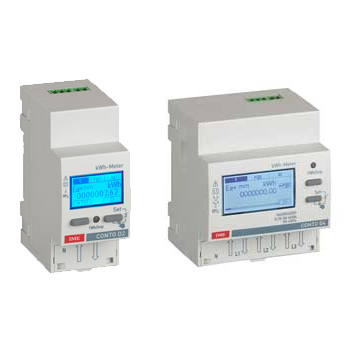
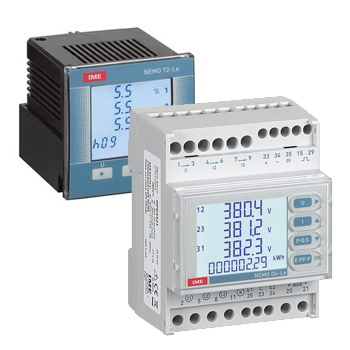
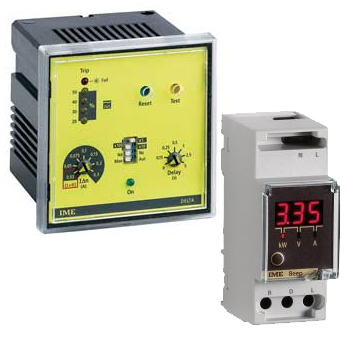
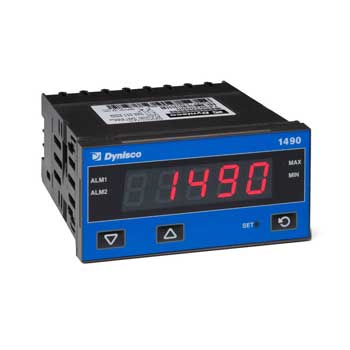

























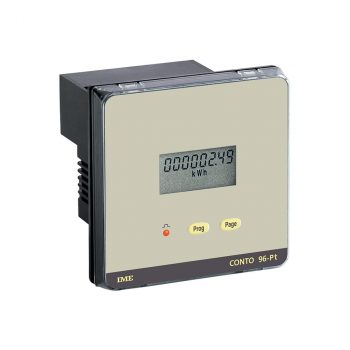
Multifunction CT connected active (class 1) and reactive (class 2) energy meter

AUX Selfsupplied
OUTPUT pulses (Wh or varh)
FORMAT 96x96 mm
CURRENT 1 and 5 A
VOLTAGE 80...150 V (phase-phase)
VOLTAGE OPTIONS da TV (rapporto programmabile)
CURRENT OPTIONS from CT (programmable ratio)
TYPE Multifunction CT connected active (class 1) and reactive (class 2) energy meter
MAIN single or three-phase 3/4 wire balanced or unbalanced load
Datasheet
User Manual


96 × 96 mm Panel-Mount Energy Meters

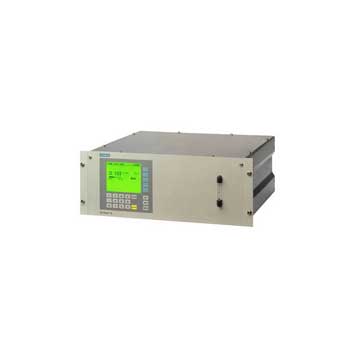
A 96 × 96 mm panel-mount energy meter is a compact meter designed for flush-mounting into a 96 × 96 mm cut-out in a control- or distribution-panel. This standard format allows easy integration into switchboards, distribution cabinets or machine panels. These meters measure electrical parameters such as voltage, current, power, energy and power factor — often across single-phase or three-phase networks — and present them on a clear front display. They are built for reliable, precise measurements even under demanding industrial conditions. :contentReference[oaicite:6]{index=6}

Such meters are particularly suitable when space is limited, a tidy panel layout is required, or when a front-facing display and easy readability of network data is desired. Their standardised size ensures compatibility with many control-cabinet designs, and they deliver all relevant electrical data in a compact and professional format. :contentReference[oaicite:7]{index=7}

Questions & Answers on 96×96 Panel-Mount Energy Meters

What does “96 × 96 mm” refer to?

It refers to the required panel cut-out size (width × height) for flush mounting the meter into a control- or distribution-panel.

Why choose a 96×96 panel meter over a DIN-rail meter?

Because it allows flush, space-saving installation with a clean front appearance — ideal for control panels, distribution boards, or machines where front-panel space is limited.

Which network types can be measured?

Both single-phase and three-phase AC networks; many meters support direct connection up to certain voltages or can be used with external current transformers for higher loads. :contentReference[oaicite:8]{index=8}

What electrical parameters are typically measured?

Energy (kWh), voltage, current, power, power factor — and depending on the model, additional parameters like frequency, reactive or apparent power. :contentReference[oaicite:9]{index=9}

How is a 96×96 meter installed?

By creating a 96 × 96 mm opening in the panel front and mounting the device flush, usually secured with clamps or retaining brackets so that the front stands flush and neat. :contentReference[oaicite:10]{index=10}

How does this form factor compare to DIN-rail devices?

The front is more compact and cleaner, but behind the panel there may be less space and less flexibility for modular expansion compared to DIN-rail mounted meters.

Can 96×96 panel meters handle high currents?

Yes — if designed for it, or with external current transformers. Many models allow programmable transformer ratios to match higher loads. :contentReference[oaicite:11]{index=11}

What are typical advantages of panel-mount meters?

Good readability, space-saving front installation, professional appearance, suitability for retrofit or compact installations, and easy integration into panels or distribution boards.

What are potential drawbacks?

Installation requires correct panel cut-out; expansion or future modifications are less flexible than with modular DIN-rail solutions. Wiring and maintenance behind the panel can be more challenging.

For which applications are 96×96 panel meters ideal?

For main or sub-distributions, machine control cabinets, building installations, energy monitoring, load tracking, metering points where a clean panel layout and compact measurement solution are needed.

Diese Website benutzt Cookies. Wenn du die Website weiter nutzt, gehen wir von deinem Einverständnis aus.