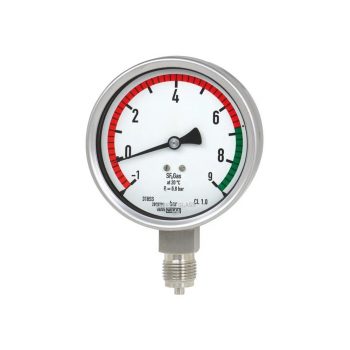
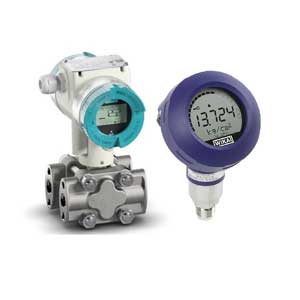
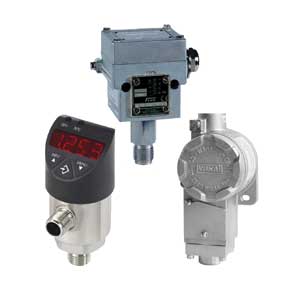
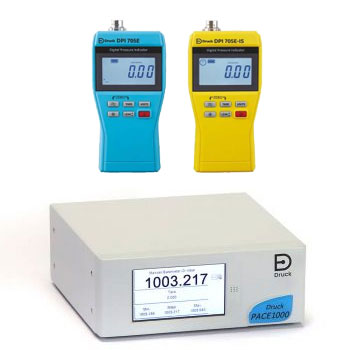
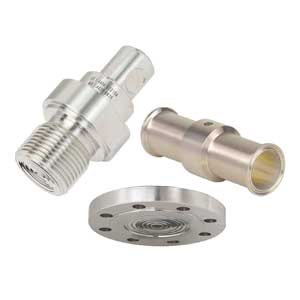
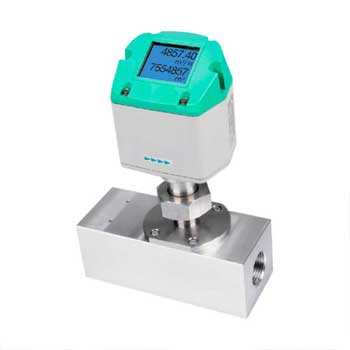
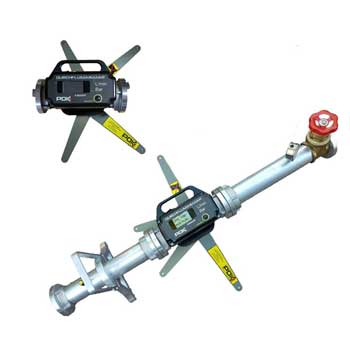
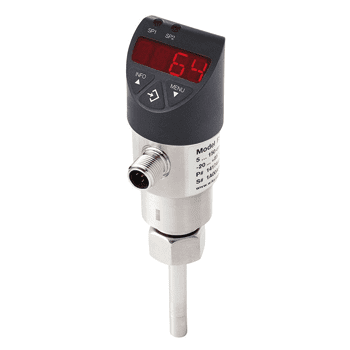
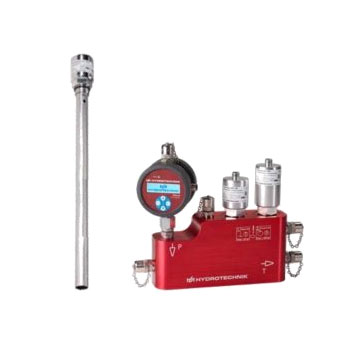
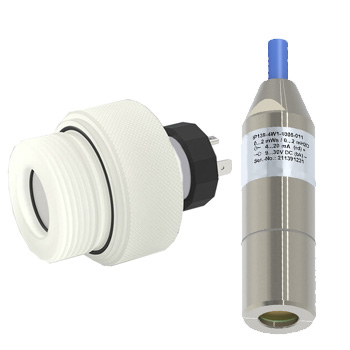
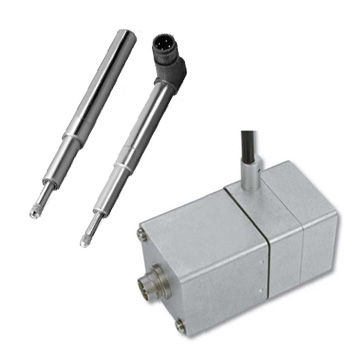
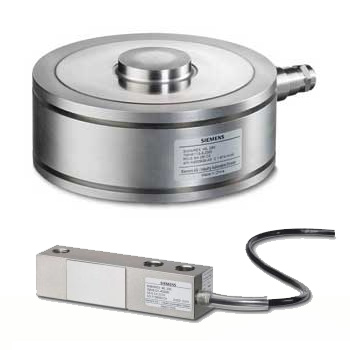
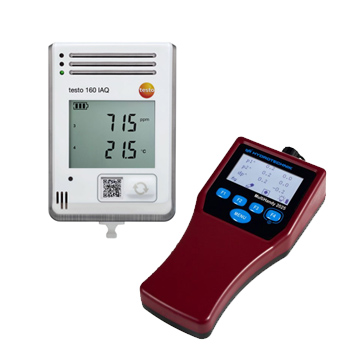
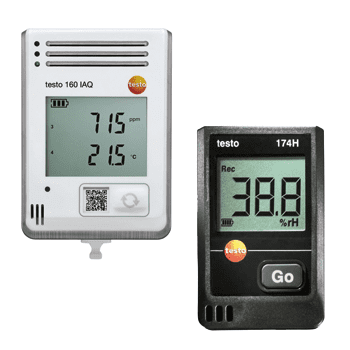
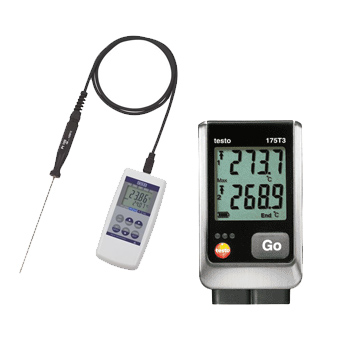
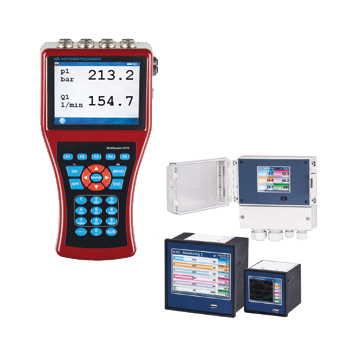
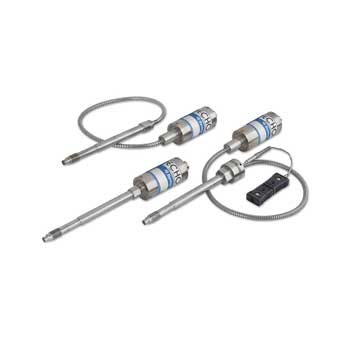
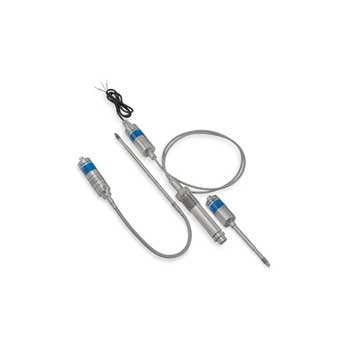
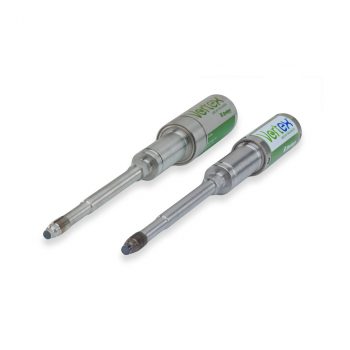
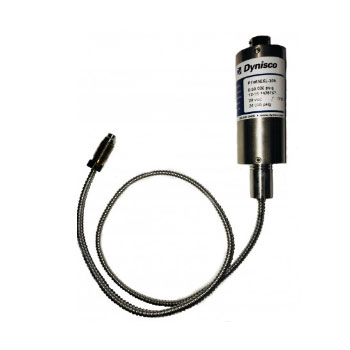
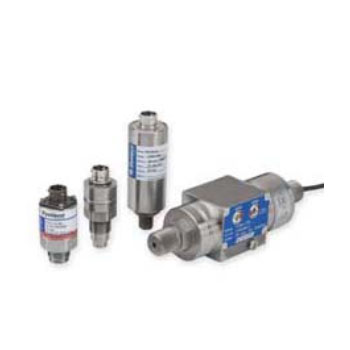

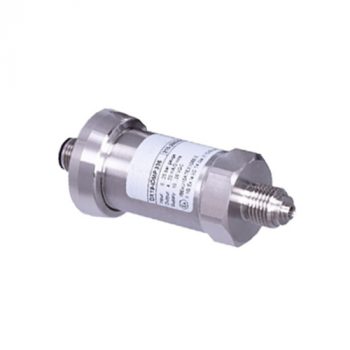
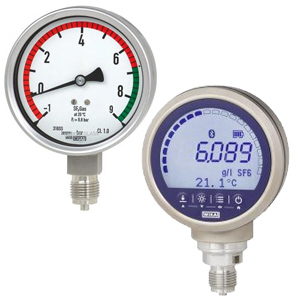
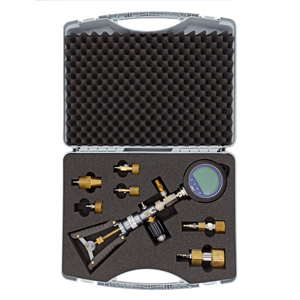
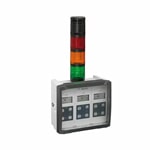



















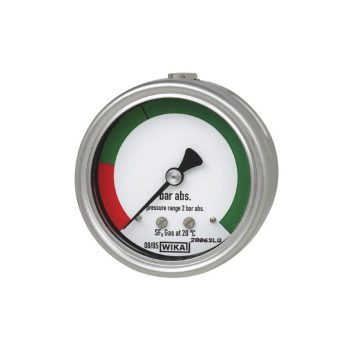
- Case and wetted parts from stainless steel
- On-site display of the pressure standardised to 20 °C [68 °F]
- Temperature-compensated and hermetically sealed, therefore no influence of temperature fluctuations, differences in level and atmospheric pressure fluctuations
- Traceability by serial number
Datasheet
|
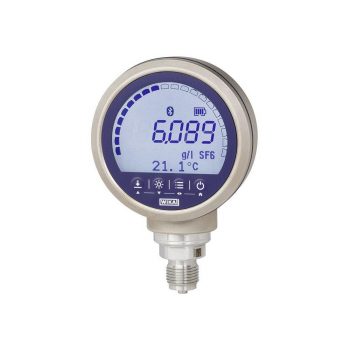
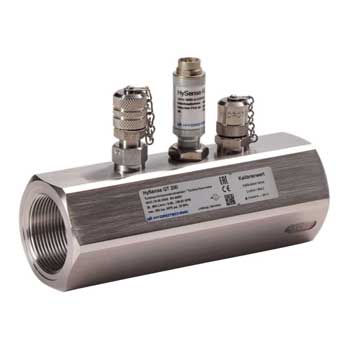
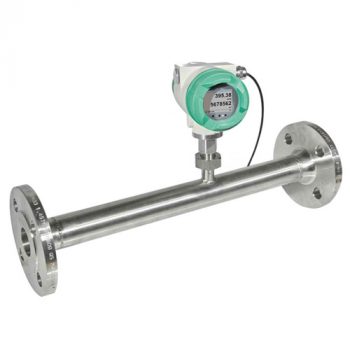
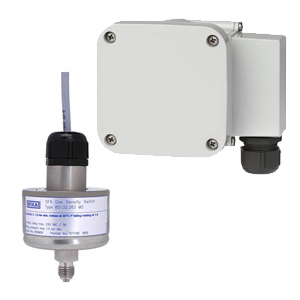
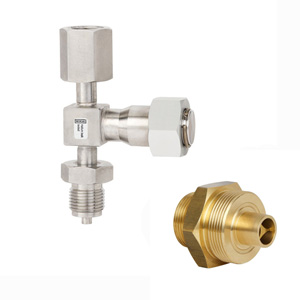
- Case and wetted parts from stainless steel
- On-site display of the pressure standardised to 20 °C [68 °F]
- Temperature-compensated and hermetically sealed, therefore no influence of temperature fluctuations, differences in level and atmospheric pressure fluctuations
- Compensation possible for gas mixtures
- Traceability by serial number
Datasheet
|
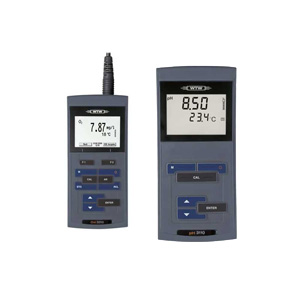
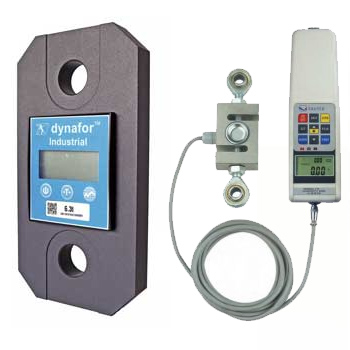
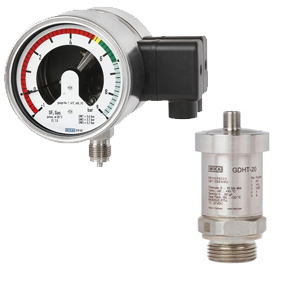
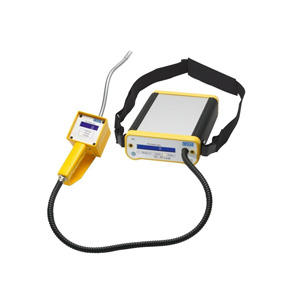
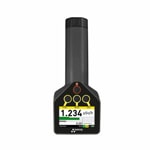
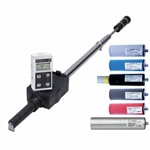
- High-precision on-site display
- Logger function with up to 3 measured values per second
- Communication and data exchange via WIKA-Wireless
Datasheet
|
User Manual
|
WIKA SF6 – Gas Density Indicators & Leak Monitoring
Gas density indicators for SF6 are devices and sensors designed to continuously monitor the gas state — especially density, purity and leak integrity — in gas-insulated high-voltage installations. They enable early detection of pressure loss, leaks or gas degradation, contributing significantly to operational safety, reliability and environmental compliance of SF6 insulation.
Frequently Asked Questions about SF6 Gas Density Indicators and Leak Monitoring
What is an SF6 gas density indicator?
An SF6 gas density indicator is a sensor or monitoring system that measures the density or concentration of the insulating gas inside a sealed system. This allows checking whether the SF6 still meets the required density and purity — especially whether losses or compositional changes due to leaks have occurred.
Which measurement principles are used in these sensors?
Common methods include measuring pressure and temperature and deriving gas density based on gas laws, or — in more sensitive systems — a direct density measurement using two quartz oscillators: one in a reference environment and one in the insulating gas. The difference in resonant frequency indicates the gas density, largely independent of additives or decomposition products. :contentReference[oaicite:10]{index=10}
Why is gas density monitoring necessary in SF6 switchgear?
SF6 acts both as an insulating and arc-quenching gas. If the gas density drops below a critical level — for example due to leakage — the dielectric strength of the insulation decreases significantly. This raises the risk of arcs and electrical faults. Continuous monitoring prevents such operational hazards. :contentReference[oaicite:11]{index=11}
Where are these gas density indicators typically installed?
They are used in gas-insulated switchgear (GIS), transformers, pipeline systems or substations — wherever SF6 is used as an insulating or arc-quenching gas. They are also common in switchgear, circuit breakers and switching units. :contentReference[oaicite:12]{index=12}
Do gas density indicators detect leaks or only density changes?
Yes — modern density or gas-monitoring devices detect both density changes (e.g. due to pressure or temperature variation) and leaks or gas losses. Some devices even detect SF6 concentration in ambient air and alert on escaping gas. :contentReference[oaicite:13]{index=13}
What accuracy and sensitivity do SF6 leak detectors have?
Portable detectors using infrared or ionisation sensors can detect leaks down to a few grams per year — sufficient to reliably identify small leaks at an early stage. :contentReference[oaicite:14]{index=14}
How quickly does a gas leak monitoring system respond to a release?
Many modern detectors use fast sensors (e.g. NDIR or ionisation) and can signal leaks within seconds after detecting elevated SF6 concentration, allowing early hazard detection. :contentReference[oaicite:15]{index=15}
What parameters are monitored — only SF6 concentration or more?
Primarily SF6 gas density or concentration, often combined with pressure and temperature to correctly interpret density changes. Some systems also monitor humidity, gas purity or decomposition products when configured as gas analyzers. :contentReference[oaicite:16]{index=16}
How does gas density monitoring contribute to environmental protection?
SF6 is a potent greenhouse gas. By detecting and remedying leaks early, emissions can be avoided and gas loss minimized, significantly reducing environmental impact. Monitoring also helps to meet legal requirements for F-gas handling and leakage control. :contentReference[oaicite:17]{index=17}
What requirements must gas density indicators meet regarding environment and operation?
The devices must be suitable for the climatic conditions of the installation site — often wide temperature ranges from outdoor cold to hot switchgear rooms. Electromagnetic compatibility, long-term stability and reliability for continuous operation are also important. :contentReference[oaicite:18]{index=18}
How often should gas density monitoring systems be calibrated or maintained?
Depending on manufacturer and operating conditions — regular functional checks and calibration are recommended. After environmental changes, maintenance, or repairs a verification should be done. Some systems offer self-diagnosis to simplify maintenance and operation.
Can gas density indicators be part of a digital monitoring system?
Yes — modern gas density indicators can often be integrated into digital monitoring networks to log data, detect trends and optimize maintenance cycles. This enables continuous supervision and early detection of critical states. :contentReference[oaicite:19]{index=19}
Which protective measures are important when a leak is detected?
If a leak or concentration deviation is detected, the installation should be checked and, if necessary, shut down. Evacuation or ventilation is advisable if SF6 escapes into confined spaces — also personal protective equipment and compliance with safety regulations are important.
Is the use of gas density indicators mandatory?
In many applications and under legal or normative requirements for fluorinated gases, gas monitoring and leak control is mandatory — especially due to the high environmental impact of SF6. Additionally, such systems significantly increase operational safety.
For which installations is the use of an SF6 gas density indicator especially worthwhile?
Especially for gas-insulated switchgear (GIS), transformers, high-voltage switches, substations and anywhere permanent insulation quality and leak safety are required. Retrofitting existing or older installations with such monitoring systems is often recommended.


Datasheet