

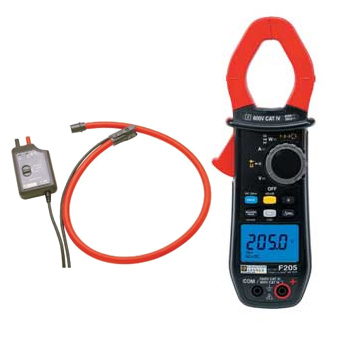
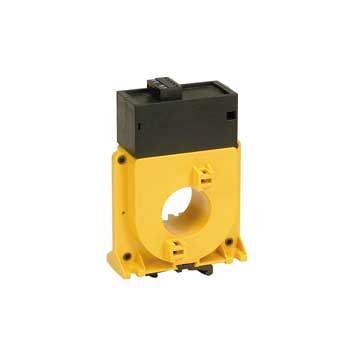


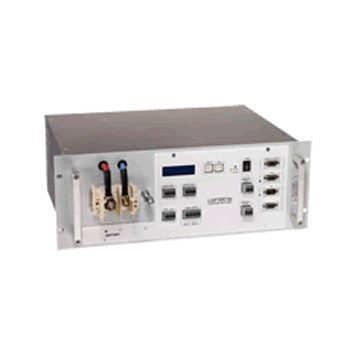
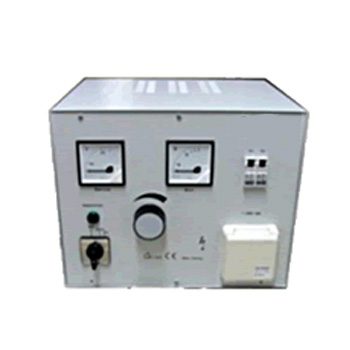
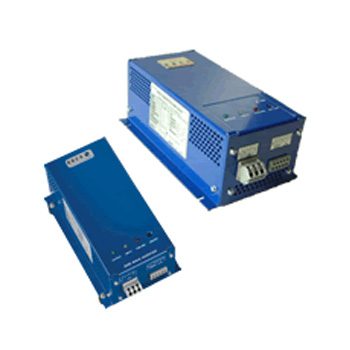
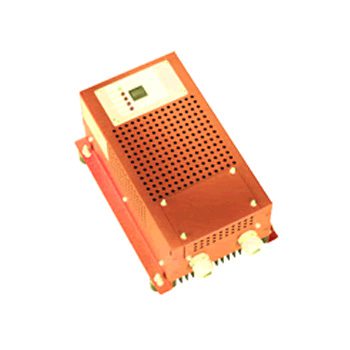



























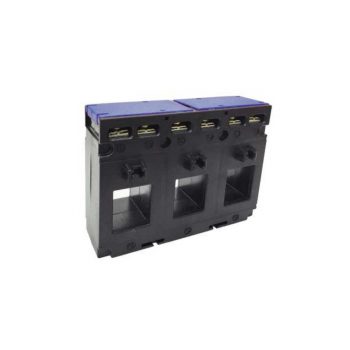
- Three-phase current transformer
- Passing cable/ bus bar primary
- Primary current 100...600A
- Secondary current 5A
- Accuracy class : cl.0,5 - 1
- Rated burden 1,5...2,5VA
Datasheet |
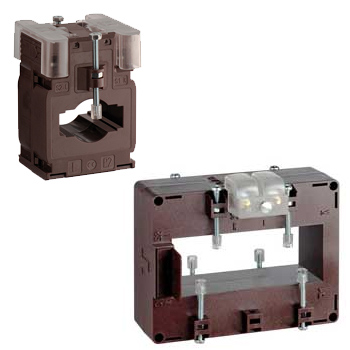
- Three-phase current transformer
- Passing cable/ bus bar primary
- Primary current 100...600A
- Secondary current 5A
- Accuracy class : cl.0,5 - 1
- Rated burden 1,5...2,5VA
Datasheet |
- Three-phase current transformer
- Passing cable/ bus bar primary
- Primary current 100...600A
- Secondary current 5A
- Accuracy class : cl.0,5 - 1
- Rated burden 1,5...2,5VA
Datasheet |
Three-Phase Current Transformers
Three-phase current transformers consist of three individual CTs — one for each phase conductor in a three-phase system — and enable simultaneous measurement of the currents in all three phases. They provide standardized secondary currents that can be used by meters, energy monitoring systems or protection devices. This makes them ideal for distribution panels, machines or installations powered by three-phase supply.
Questions & Answers
What is a three-phase current transformer?
It is a set of three current transformers installed on the three live conductors of a three-phase network. Each CT measures the respective phase current and outputs a standardized secondary current (e.g. 5 A or 1 A). Together they allow full monitoring of the complete three-phase system.
Why use a three-phase CT instead of separate single-phase CTs?
Because with a three-phase CT set all three phases can be measured in one compact assembly. This saves space, reduces wiring and ensures synchronous measurement of all phases.
What secondary outputs are typical?
Common outputs are 5 A or 1 A secondary currents, compatible with standard meters or protective devices.
Where are three-phase CTs typically used?
They are used in distribution boards, industrial plants, energy and load monitoring systems, motor and drive control, machine installations and any setup with three-phase power supply.
What must be considered during installation?
All three phase conductors must be routed correctly through their respective CT cores. The secondary circuits must always be closed and connected to measuring or protection devices — never left open.
How does the sizing of CTs affect measurement accuracy?
The CTs should be selected according to the expected primary current. If the current is too low or too high relative to rating, accuracy can suffer. The secondary load and wiring must meet specified requirements.
Is synchronous measurement of all phases important?
Yes — correct power and energy calculations require that all three phase currents are measured simultaneously. Unsynchronized measurements can lead to incorrect results.
What benefits does a three-phase CT setup offer for energy monitoring?
It allows measurement of total current, overall power, load distribution, phase imbalance and energy consumption across all three phases — useful for energy management, load balancing and fault detection.
When should separate single-phase CTs be preferred over a three-phase CT set?
If the live conductors are physically spaced apart, have very different load levels, or if only individual phases need separate monitoring, single-phase CTs offer more flexibility in installation and wiring.


Datasheet