


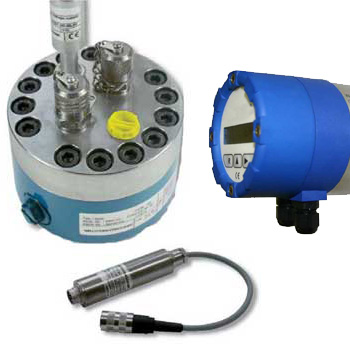
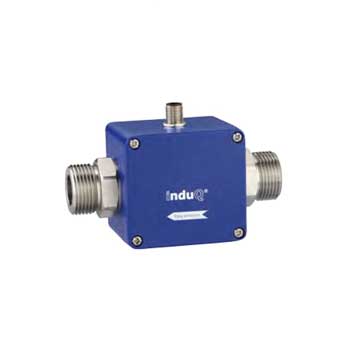
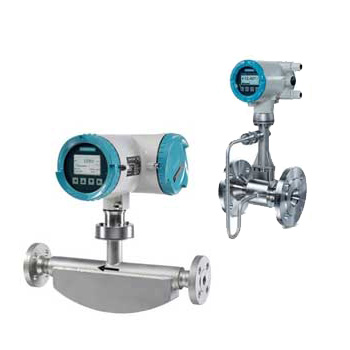
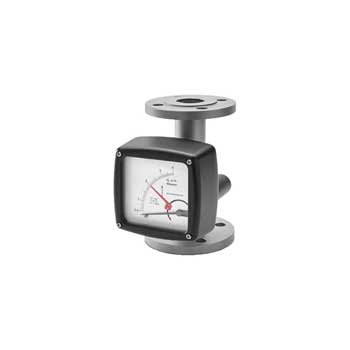
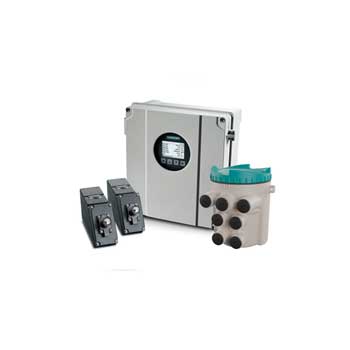
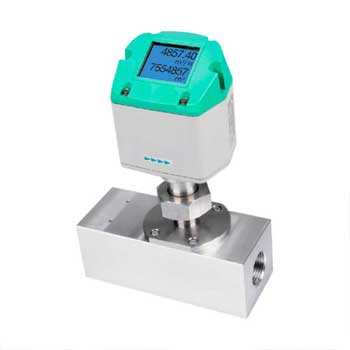
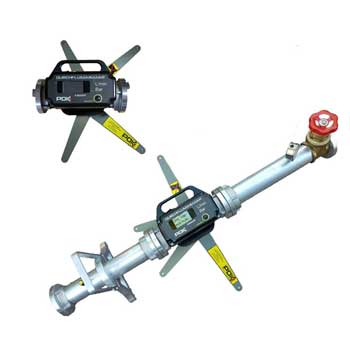
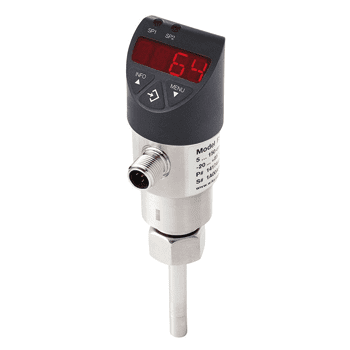
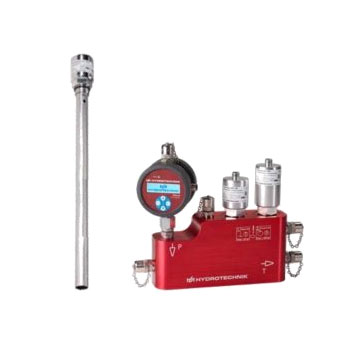
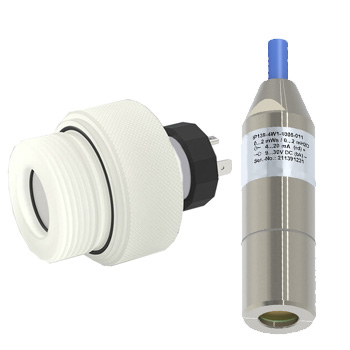
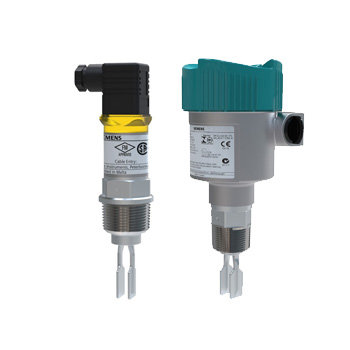
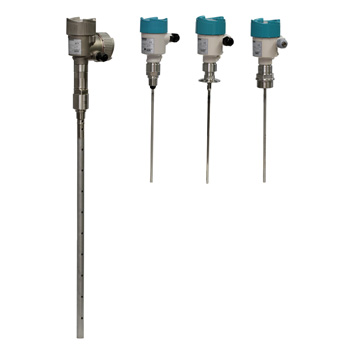
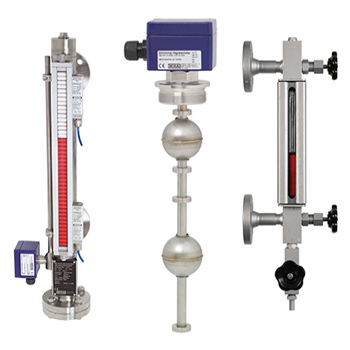
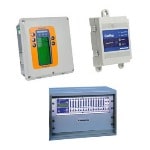
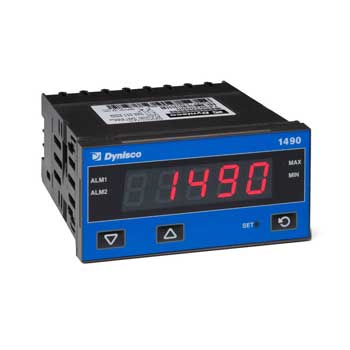
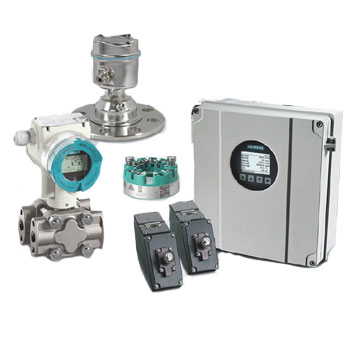
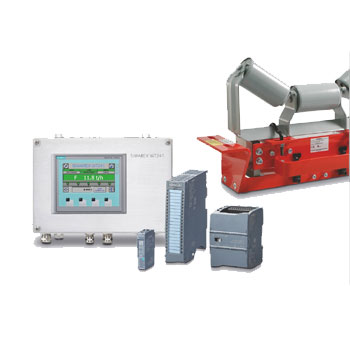
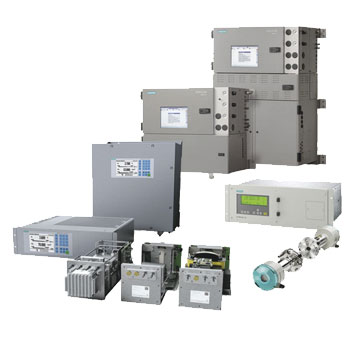


























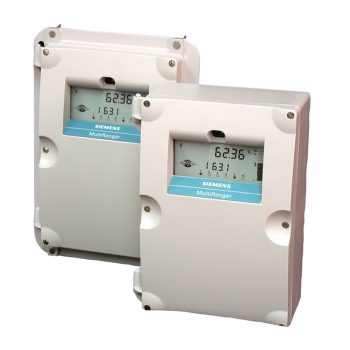
MultiRanger/HydroRanger is a versatile short- to medium-range ultrasonic single- and multi-vessel level monitor/controller for virtually any application in a wide range of industries. MultiRanger/HydroRanger can be used on different materials, including fuel oil, municipal waste, acids, woodchips or on materials with high angles of repose.
 Datasheet Datasheet
|
|
User Manual
|
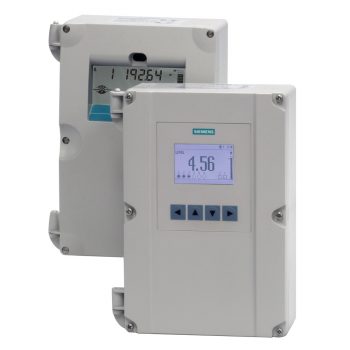
MultiRanger/HydroRanger 200 HMI is a versatile short- to medium-range ultrasonic single- and multi-vessel level monitor/controller for virtually any application in a wide range of industries.
|
Datasheet
|
|
User Manual
|
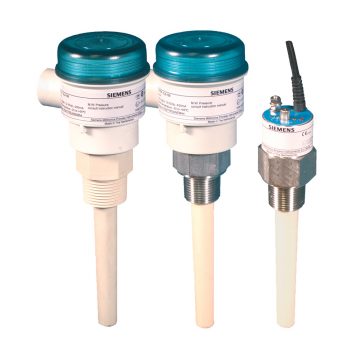
Pointek CLS100 is an RF inverse frequency shift capacitance point level switch for liquids and solids or liquid interface applications. Unique product design allows for senstivity adjustment to tune out and ignore buildup.

|
Datasheet
|
|
User Manual
|
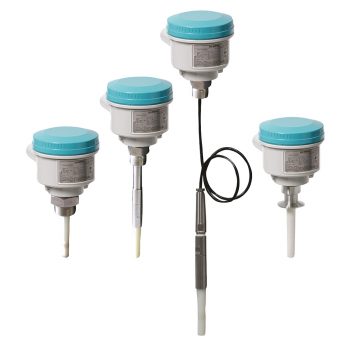
Pointek CLS200 is an RF inverse frequency shift capacitance point level switch for liquids and solids or liquid interface applications. Unique product design allows for senstivity adjustment to tune out and ignore buildup. With a selection of options including PROFIBUS communications, digital displays, remote or local testing, and functional safety SIL2 ensures safety and ease of integration.
|
Datasheet
|
|
User Manual
|
Pointek CLS300 is an inverse frequency shift capacitance level switch with optional rod/cable choices and configurable output. It is ideal for detecting liquids, solids, slurries, foam and interfaces in demanding conditions where high pressure and temperatures are present.
|
Datasheet
|
|
User Manual
|
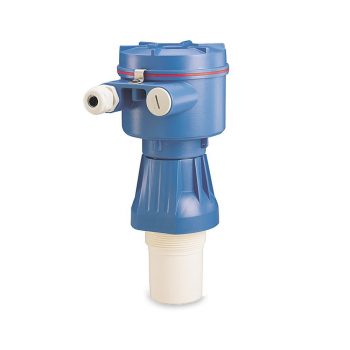
The Pointek ULS200 is an ultrasonic non-contacting switch with two switch points for level detection of bulk solids, liquids and slurries in a wide variety of industries; ideal for sticky materials.
|
Datasheet
|
|
User Manual
|
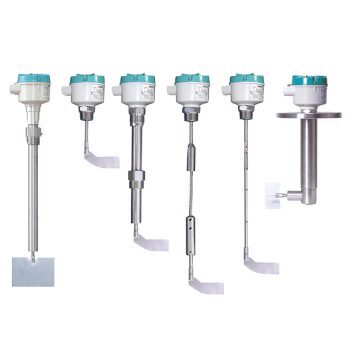
SITRANS LPS200 is a rotary paddle switch for point level detection in bulk solids. Ideal for point level or safety backup applications with SIL 2 and motor failsafe detection.
|
Datasheet
|
|
User Manual
|
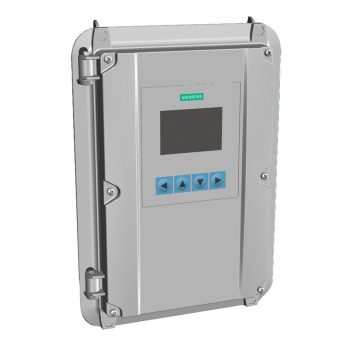
SITRANS LT500 is the next evolution of level, flow, and pump controllers for radar transmitters – or any 2-wire 4-20 mA device. It is the first choice for radar sensor measurements at 80 GHz and features single and dual point measurements, 6 relays, and Modbus RTU, HART, PROFIBUS DP, PROFIBUS PA, PROFINET.
|
Datasheet
|
|
User Manual
|
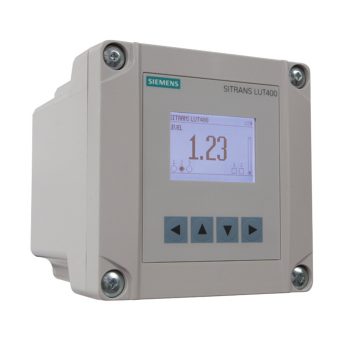
SITRANS LUT400 are compact, single point, long range ultrasonic controllers for continuous level or volume measurement of liquids, slurries, and solids, and high accuracy monitoring of open channel flow.
- SITRANS LUT420 Level Controller: level or volume measurement of liquids, slurries, and solids, as well as basic pump control functions, and basic data logging capability.
- SITRANS LUT430 Level, Volume, Pump and Flow Controller: includes all features of the LUT420 plus a full suite of advanced pump control and alarm functionality, open channel flow monitoring, and basic flow data logging capability.
- SITRANS LUT440 High Accuracy OCM: Our most featured, highest accuracy model. Includes all features of the LUT430, plus the industry’s best accuracy (± 1 mm within 3 m), full suite of advanced control functionality, and enhanced flow logging capability.
|
Datasheet
|
|
User Manual
|
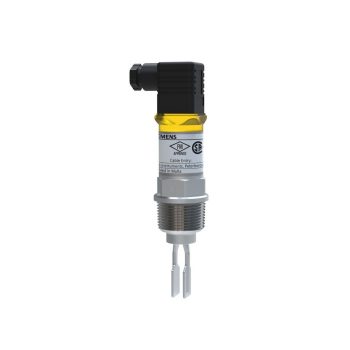
SITRANS LVL100 is a compact vibrating level switch for liquid and slurry applications such as overflow, high, and low level detection. Also ideal for pump protection, safety backup and confined spaces.
|
Datasheet
|
|
User Manual
|
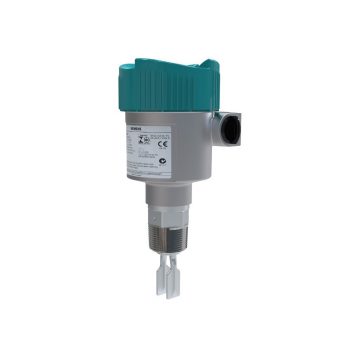
- Testfunktion einschließlich Remoteoptionen
- Fehlerüberwachung auf Korrosion, Ausfall der Schwingung oder Leitungsbruch zum Piezoantrieb
- Kompakte Bauweise
- Geringe Eintauchtiefe ab 40 mm (1.57")
- Optionen für extreme Drücke und Temperaturen
|
Datasheet
|
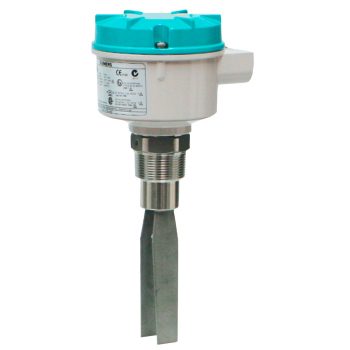
- Ease of setup with no calibration and rotatable enclosure
- Suitable for low bulk density materials starting at 30 g/l (1.9 lb/ft³)
- Adjustable sensitivity for varied applications
|
Datasheet
|
|
User Manual
|
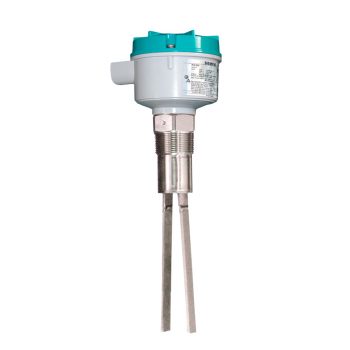
- High resistance to mechanical forces
- Strong vibration resistance to high bulk material loads
- Rotatable enclosure
- Suitable for low density material: standard version, 20 g/l (1.3 lb/ft³); liquid/solid interface version, 50 g/l (3 lb/ft³), and low density option min. 5 g/l (0.3 lb/ft³)
- Customer desired extensions up to 20 000 mm (787”)
- Optional detection of solids within liquid
- Durable short fork option with 165 mm (6.5 inch) insertion length
|
Datasheet
|
|
User Manual
|
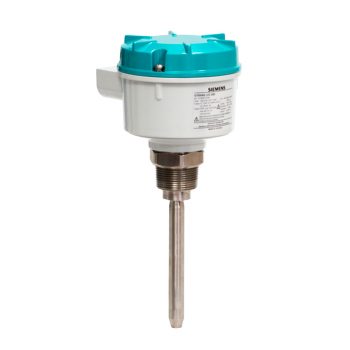
SITRANS LVS300 is a vibrating rod point level switch for high, low, or demand level detection of bulk solids in bins, silos, or hoppers. The durable single rod probe avoids bridging and withstands harsh application conditions. The LVS300 has a compact design and can be top, side or angle mounted. The vibrating rod design ensures the product will not be impacted by bridging of traditional forks in applications with buildup potential. A durable probe design ensures the product will withstand heavier materials without damage or bending
|
Datasheet
|
|
User Manual
|
