
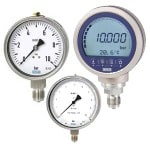
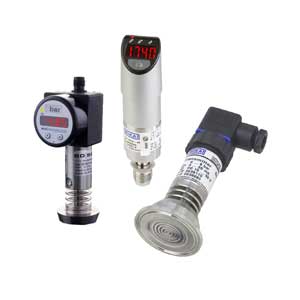
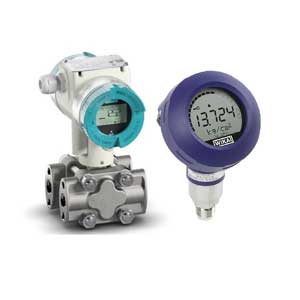
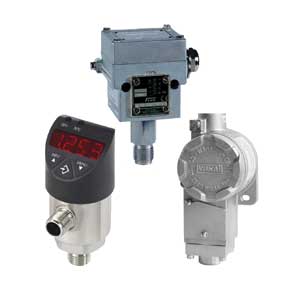
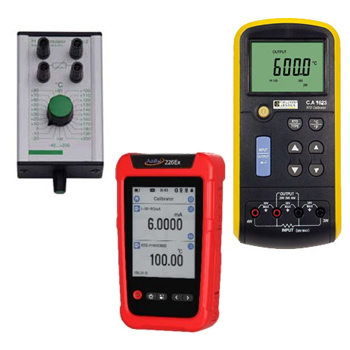
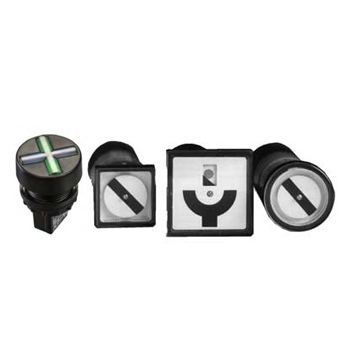
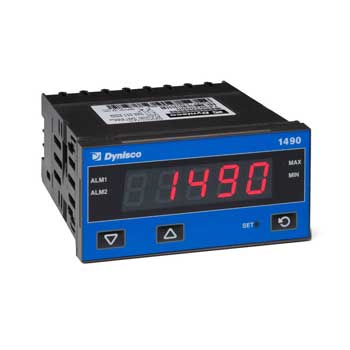

























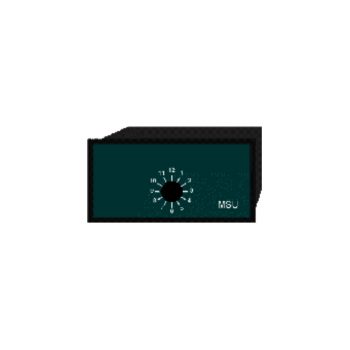
| Housing | 96 x 48 mm |
| Display | 12 postions / 2 wire |
| Range displayed | scale 1…12 |
| Operation | front panel rotary switch |
| Input | e.g. voltage / current / Pt100 |
Input-Selector Switches for Digital Panel Meters
Input-selector switches are accessory modules that allow several sensors or measurement points to be switched to a single digital panel meter. This enables flexible use of one meter for different measurement points — e.g. for alternating measurement locations, redundancy or several process variables — without requiring multiple displays.
Questions & Answers
What is the purpose of an input-selector switch?
An input-selector switch enables switching between multiple sensors or measurement points and lets the panel meter show the value of the selected input. This saves devices and simplifies wiring.
In which scenarios is such a selector switch useful?
It is useful when there are more measurement points than available displays — for example for rarely used measurement points, test stands, maintenance tasks, optional sensors or redundant measurement wiring.
How many measurement points can typically be switched?
That depends on the switch — commonly 2 up to 4 measurement points are supported, depending on the model and input signal types.
How does the switching mechanism work?
By a switch — either mechanical or electrical — the desired measurement point is selected. Only the active sensor is then connected to the panel meter, while the others remain disconnected.
Does the use of a selector switch affect measurement accuracy?
If the switch is correctly wired and matched to the signal type, measurement accuracy remains unchanged. It is essential that resistances, voltages or current loops are properly handled.
How is the selector switch connected?
Sensor outputs are connected to the inputs of the selector switch; the output of the switch goes to the panel meter. The wiring must follow the correct pin-out and ensure secure connections.
Is a selector switch compatible with all sensor types?
It depends on the signal type — simple signals like voltage, current or resistance are typically fine; special or differential signals may require specialized switch modules.
What are the advantages of using a selector switch?
Advantages include increased flexibility, reduced number of measuring devices, simplified wiring, easier maintenance and the possibility to implement redundancy or alternate measurements.
Are there disadvantages or limitations?
Possible drawbacks are increased wiring at the switch, potentially longer signal paths (which might affect signal integrity), and the need to switch manually or electronically — which might not suit fully automated systems.
When does using an input-selector switch pay off?
Especially in systems with many measurement points, test setups, maintenance-heavy installations, or when flexible switching between sensors is required and not every point needs a dedicated display.


