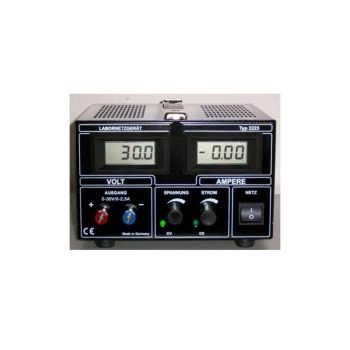
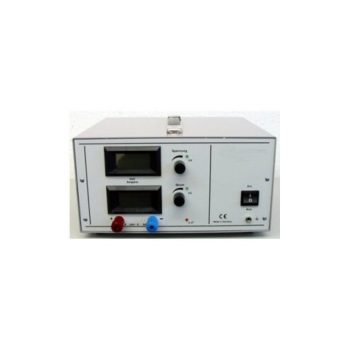
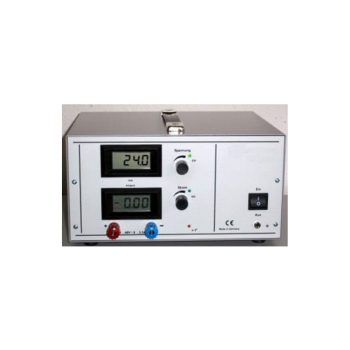
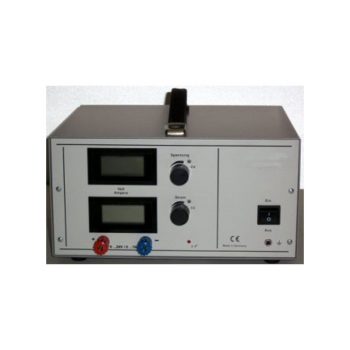
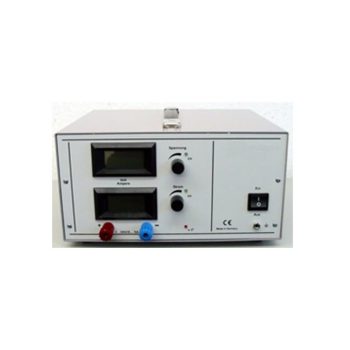
Basic DC Sources / Single Output Laboratory Power Supplies
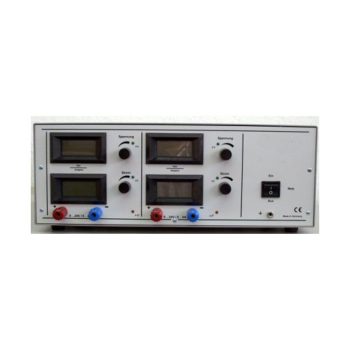
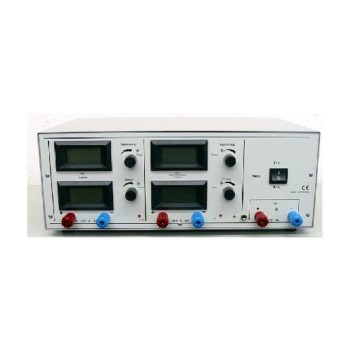
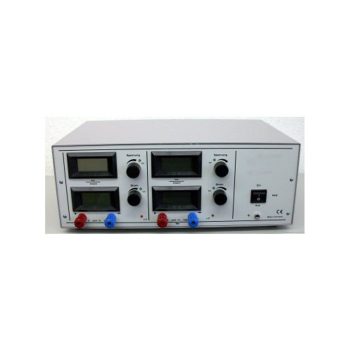
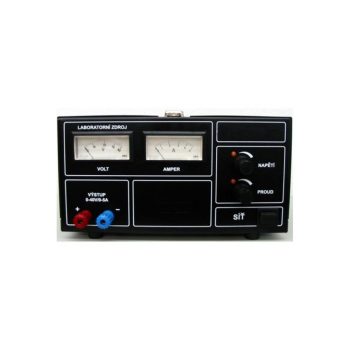
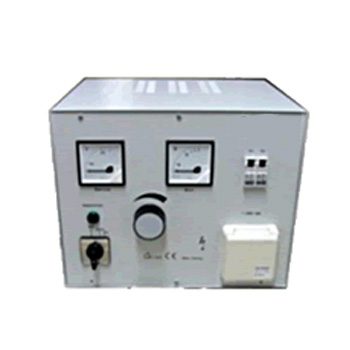
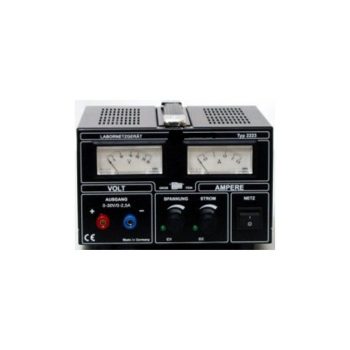
Basic DC sources are simple laboratory power supplies that provide a stable and regulated DC voltage or current. They are designed for straightforward test setups, measurements, prototyping and basic electronic experiments where a single, reliable output is sufficient. These supplies typically offer manual adjustment of voltage and current, clear digital or analog readouts, and essential protective functions such as short-circuit, overload and over-current protection.
| Parameter | Typical Specification / Range |
|---|---|
| Output Voltage | e.g. 0–30 V, 0–60 V depending on model |
| Output Current | e.g. 0–3 A, 0–5 A or higher |
| Operating Modes | Constant Voltage (CV) and Constant Current (CC) |
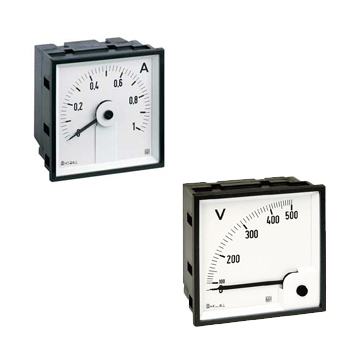
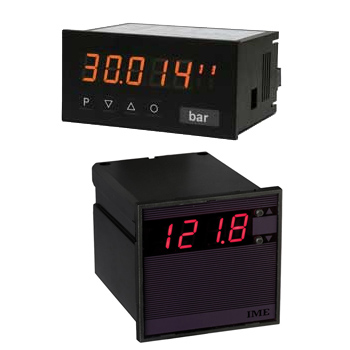
| Displays | Digital or analog voltmeter and ammeter |
| Protection Features | Short-circuit, overload and over-current protection |
| Output Type | Single isolated DC output |
| Ripple & Noise | Low residual ripple for stable operation |
Questions & Answers on Basic DC Sources
What is a basic DC source?
A basic DC source is a single-output laboratory power supply that provides a stable and adjustable DC voltage or current. It is the simplest form of lab power supply, intended for fundamental test, development and measurement tasks.
Which output ranges are typical?
Typical units offer adjustable voltage ranges such as 0–30 V or 0–60 V and current ranges like 0–3 A or 0–5 A. Exact ranges depend on the model and application requirements.
What do CV and CC modes mean?
Constant Voltage (CV) mode maintains a set output voltage while the current varies with the load. Constant Current (CC) mode delivers a fixed current while the voltage adjusts automatically. These two modes ensure safe operation of components during testing.
Why are protection features important?
Protection mechanisms prevent damage to both the power supply and connected circuits. Short-circuit, overload and over-current protection safeguard against common laboratory risks such as wiring errors or accidental short circuits.
How stable is the output of a basic DC source?
Basic DC sources provide regulated and stable output with low ripple, ensuring consistent conditions for measurements and reliable operation of sensitive electronics.
When is a basic DC source sufficient?
It is sufficient when only one voltage source is needed and no advanced features such as programmability, multiple outputs or remote control are required. Common uses include simple circuit tests, sensor powering, basic prototyping and educational experiments.
What are the limitations of basic DC sources?
They offer only one output, limited precision, fewer protection features compared to high-end instruments and no programmable functions or interfaces. This makes them less suitable for complex or automated test setups.
How do I choose the correct basic DC source?
Select a unit whose maximum voltage and current exceed the required values of your application. Ensure essential protection features are included and consider ripple performance if sensitive electronics are involved.
How does a basic DC source differ from advanced lab power supplies?
Advanced laboratory power supplies often feature higher accuracy, multiple outputs, digital interfaces, programmability, data logging and enhanced protection. Basic DC sources provide the essential functions without additional complexity.
Where are basic DC sources commonly used?
They are used in education, basic R&D environments, electronics workshops, sensor testing, prototyping, repair benches and general laboratory applications requiring a simple and reliable DC supply.






























Datasheet