


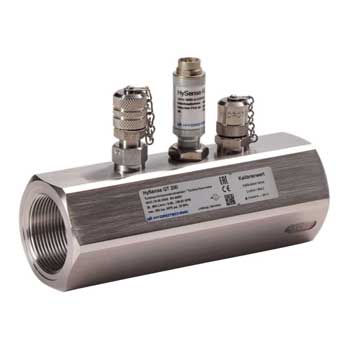
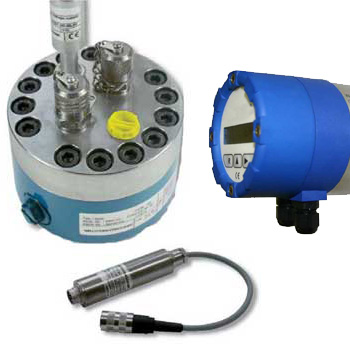
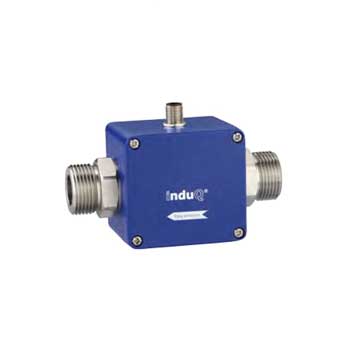
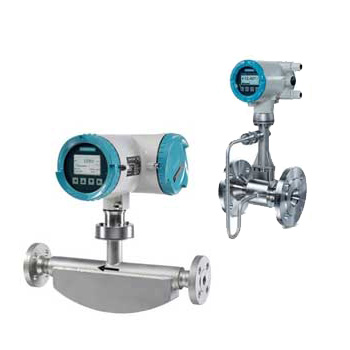
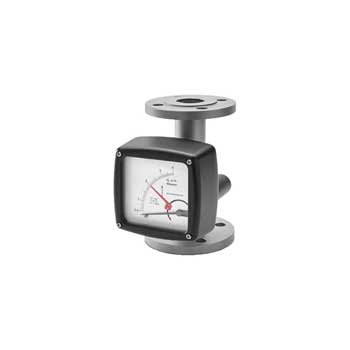
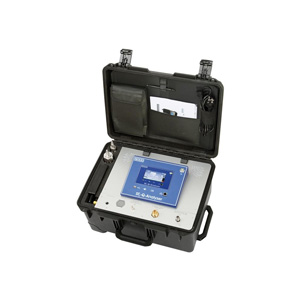

























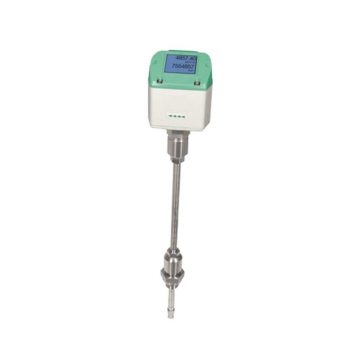
- RS 485 interface, Modbus-RTU as a standard
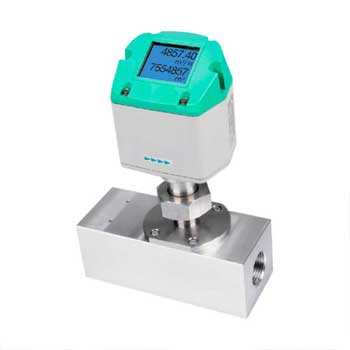
- Integrated display for m³/h and m³
- Usable from 1/2“ to 12“ (DN 300)
- Easy installation under pressure
- 4...20 mA analogue output for m³/h resp. m³/min
- Pulse output for m³
- Inner diameter adjustable via keypad
- Consumption counter resettable
- Adjustable via keys at the display: Gas type, reference conditions, °C and mbar, 4...20 mA scaling, pulse weight
 Datasheet Datasheet |
| User Manual |
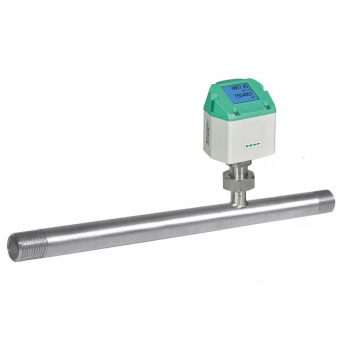
- The integrated Modbus interface enables the connection to superordinated control systems like energy management systems, building management systems, SPS, SCADA,
- Easy and affordable installation
- Units freely selectable via keys at the display m³/h, m³/min, l/min, l/s, kg/h, kg/min, kg/s, cfm
- Compressed air counter up to 1.999.999.999 m³. Resetable to „zero“ via keypad
- Analogue output 4...20 mA, pulse output (galvanically separated)
- High measuring accuracy also in the lower measuring range (ideal for leakage measurement)
- Negligibly small loss of pressure
- Calorimetric measuring principle, no additional pressure and temperature measurement necessary, no mechanically moved parts
- Comprehensive diagnosis functions can be read out at the display or by remote access via Modbus-RTU like e. g. exceeding Max./Min values °C, calibration cycle, error codes, serial number. All parameters can be read out and changed via Modbus
| Datasheet |
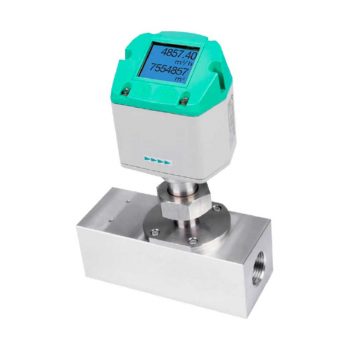
- Screw thread for easy installation in existing piping through integrated measuring block (suitable for 1/2“, 3/4 ̋, 1“, 1 1⁄4 ̋, 1 1⁄2“ or 2" lines)
- Compact, small design - for use in machines, behind maintenance unit at the end user
- All interfaces are programmable via the display
- Modbus RTU output
- 4...20mA analog output for actual flow
- Pulse output total flow (counter reading), galvanically isolated. Optionally M-Bus, Ethernet-Interface, or PoE
| Datasheet |
| User Manual |
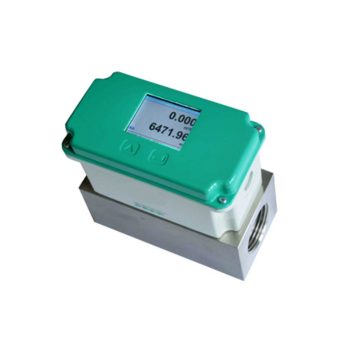
- Current consumption in m³/h, l / min, ...
- Total consumption (meter reading) in m³, l, kg
- Temperature measurement
- Optional: Pressure measurement
| Datasheet |
| User Manual |
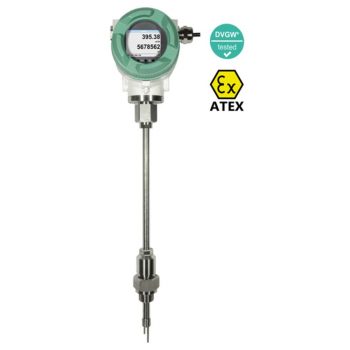
- Robust impact-proof aluminum die cast housing for the outdoor area IP 67
- All medium-touching parts made from stainless steel 1,4571
- As immersion sensor suitable for 3/4“ up to DN 500
- On request with ATEX approval ATEX II 2G Ex d IIC T4
- On request with DVGW approval for natural gas (up to 16 bar)
- Pressure range up to 50 bar, special version up to 100 bar
- Temperature range up to 180 °C
- No moving parts, no wearout
- Sensor tip very robust, easy to clean
- Easy mounting and dismounting under pressure via 1/2“ ball valve
- Housing twistable, display twistable by 180°
- Safety ring for mounting and dismounting under pressure
- Depth scale for precise installation

| Datasheet |
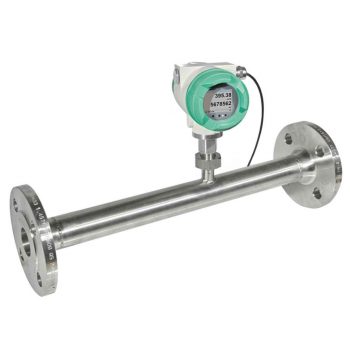
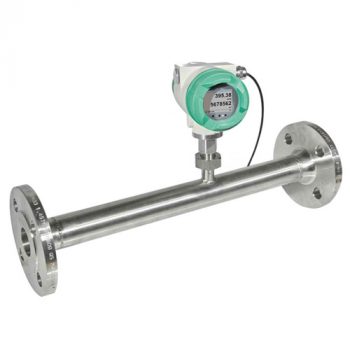
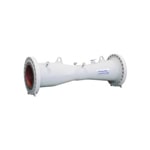
Flow meter VA 570 is supplied with an integrated measuring section for compressed air and gas pipes. The measuring sections are available in flanged version or with R resp. NPT thread.

| Datasheet |
|
User Manual |
|
User Manual |
|
User Manual |
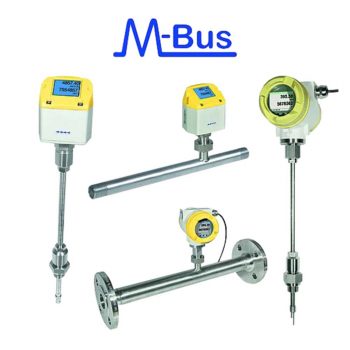
- Direct display in Nm3/h, or NI/min and temperature in C°
- Calorimetric measuring principle - no additional pressure and temperature measurement necessary
- High measurement accuracy ¼ to 3 inches
- IVA 500 and IVA 550 insert version from ½ inch to DN 400 / DN 500
|
Datasheet
|
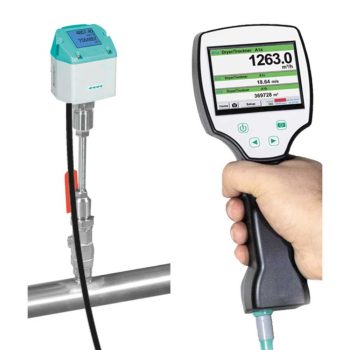
- Pressure sensors (high and low pressure)
- Flow sensors, VA 500 / VA 520
- Temperature sensors Pt 100, Pt 1000 / 4...20 mA
- Dew point sensors FA 510 / FA 515
- Effective power meters
- Opitonal third-party sensors with the following signals: 0...1/10 V, 0/4...20 mA, Pt 100, Pt 1000, pulse, Modbus
| Datasheet |
| User Manual |
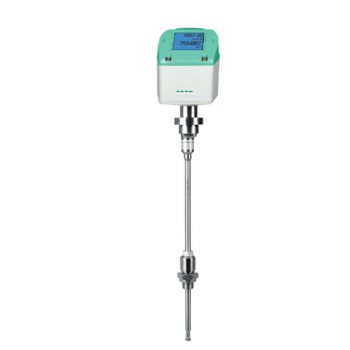
- Particularly suitable for extremely high flow rates
- Extremely fast response time: 100 ms
- Flow, total consumption, temperature and pressure
- Measurement at high temperatures, max. temperature 200 °C
- Measurement in various gases by selecting gas type, on request
- Can be used in pipes from DN 20 to DN 500
- Installation via 1/2" ball valve under pressure
- RS 485 interface (Modbus-RTU), 4...20 mA, pulse output as standard
| Datasheet |
| User Manual |
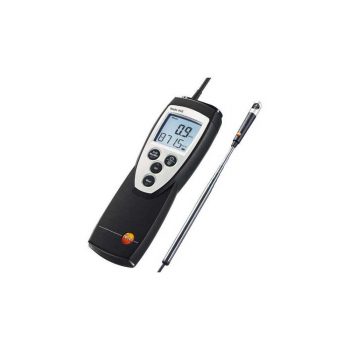
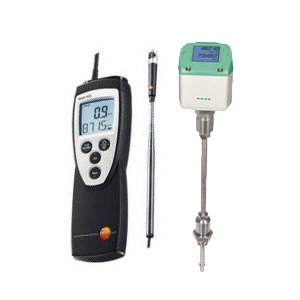
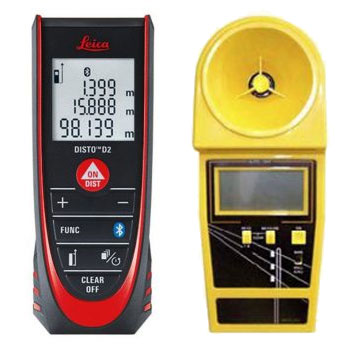
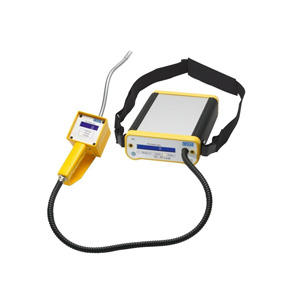
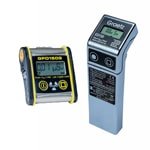
Vane anemometer with telescopic sensor – ideal for carrying out airflow measurements in air ducts.
- Permanently connected telescopic sensor – maximum length 890 mm, diameter 16 mm
- Airflow measurements, selective and time mean values for calculating air volume
- Hold function; min/max display; auto power off
- Calibration certificate and batteries included
|
Datasheet
|
|
User Manual
|
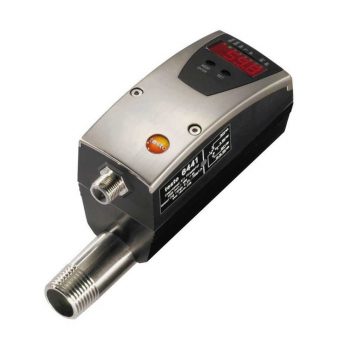
- Transmitter with selectable signal outputs: analog output, pulse output, 2 switching outputs
- Integrated totalling function (totaliser) for calculating the total consumption
- High accuracy: defined inner diameter (DN15) enables adjustment to standard volumetric flow
- Easy to install and to operate
testo 6441 compressed air counter with integrated inflow/outflow, diameter DN15 (1/2), with analog, pulse and switch output
|
Datasheet
|
|
User Manual
|
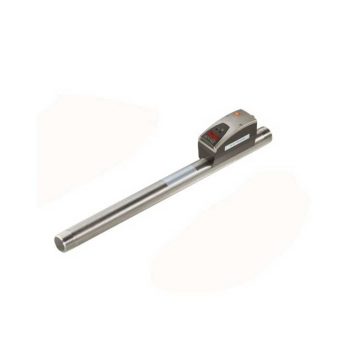
- Transmitter with selectable signal outputs: analog output, pulse output, 2 switching outputs
- Integrated totalling function (totaliser) for calculating the total consumption
- High accuracy: defined inner diameter (DN25) enables adjustment to standard volumetric flow
- Easy to install and to operate
testo 6442 compressed air counter with integrated inflow/outflow, diameter DN25 (1), with analog, pulse and switch output
|
Datasheet
|
|
User Manual
|
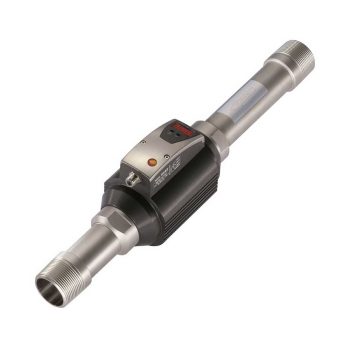
- Transmitter with selectable signal outputs: analog output, pulse output, 2 switching outputs
- Integrated totalling function (totaliser) for calculating the total consumption
- High accuracy: defined inner diameter (DN25) enables adjustment to standard volumetric flow
- Easy to install and to operate
testo 6442 compressed air counter with integrated inflow/outflow, diameter DN25 (1), with analog, pulse and switch output
|
Datasheet
|
|
User Manual
|
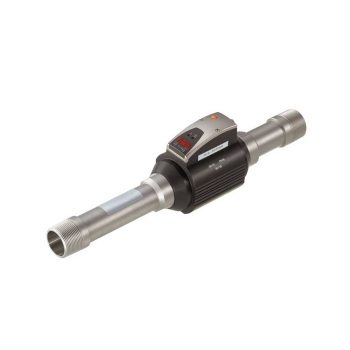
- Transmitter with selectable signal outputs: analog output, pulse output, 2 switching outputs
- Integrated totalling function (totaliser) for calculating the total consumption
- High accuracy: defined inner diameter (DN50) enables adjustment to standard volumetric flow
- Easy to install and to operate
testo 6444 compressed air counter with integrated inflow/outflow, diameter DN50 (2), with analog, pulse and switch output
|
Datasheet
|
|
User Manual
|
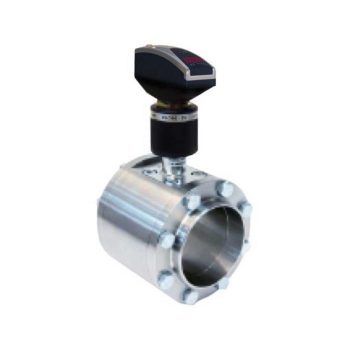
- Transmitter with selectable signal outputs: analog output, pulse output, 2 switching outputs
- Integrated totalling function (totaliser) for calculating the total consumption
- Flexible mounting with measuring block, pipe clamp or as a measurement fitting
- Easy operation with a variety of options (signal outputs, physical unit, etc.)
testo 6446 compressed air counter for larger diameters, without probe removal, selectable diameters DN65 (2 1/2)/DN80 (3)/DN100 (4)/DN125 (5)/DN150 (6)/DN200 (8)/DN250 (10), with analog, pulse and switch output
|
Datasheet
|
|
User Manual
|
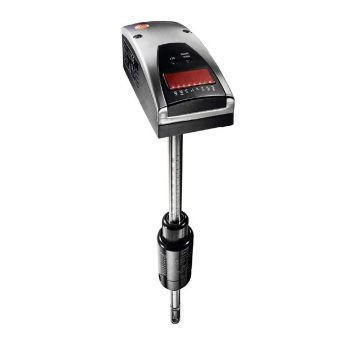
- Transmitter with selectable signal outputs: analog output, pulse output, 2 switching outputs
- Quick, safe assembly/disassembly of the bar probe thanks to reverse running protection and ball valve
- Assembly of the whole transmitter possible under pressure
- Easy operation with a variety of options (signal outputs, physical unit, etc.)
testo 6448 compressed air counter for the determination, monitoring and reporting of compressed air consumption
|
Datasheet
|
|
User Manual
|
