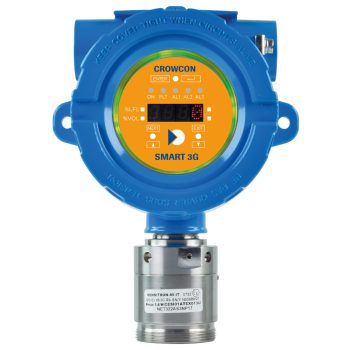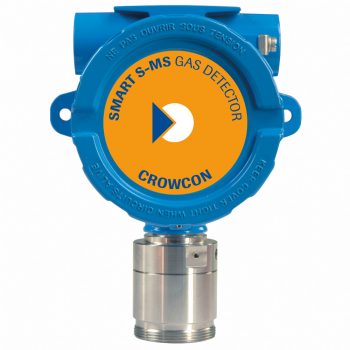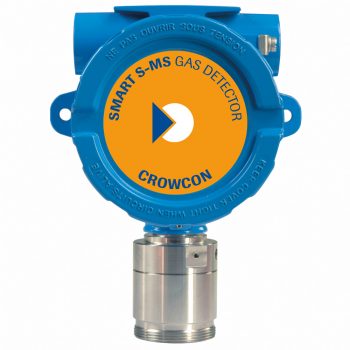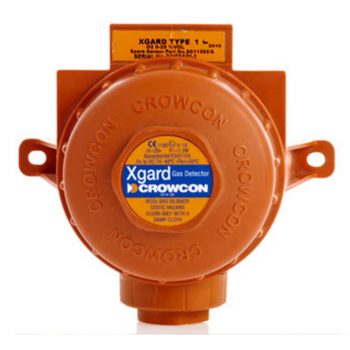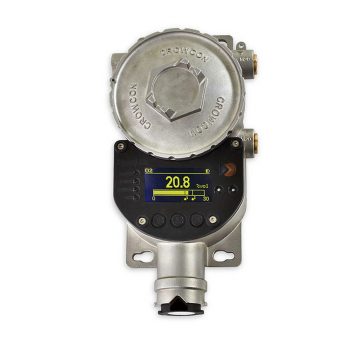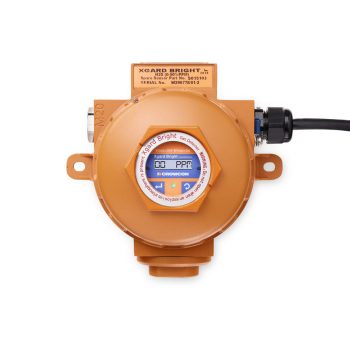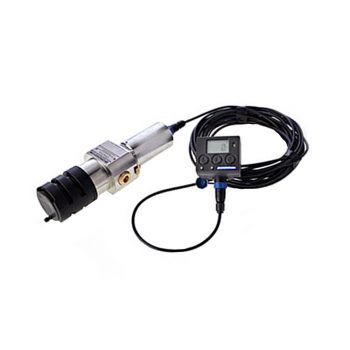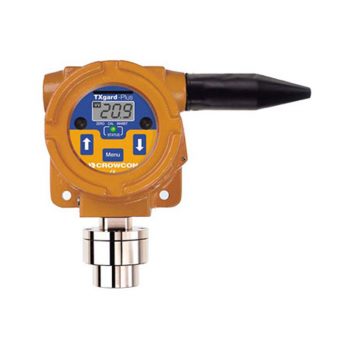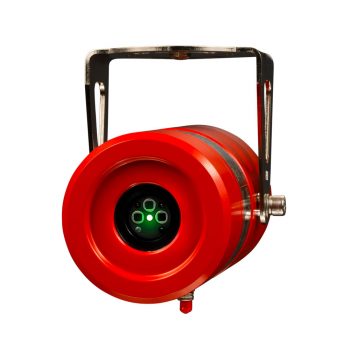
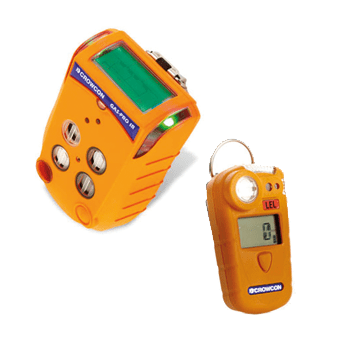
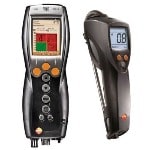
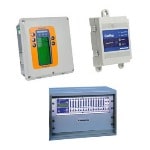
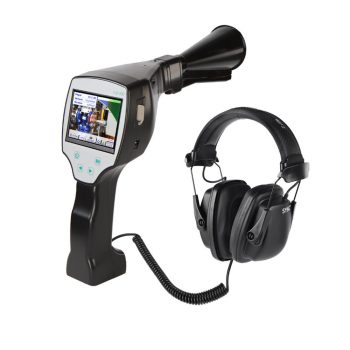
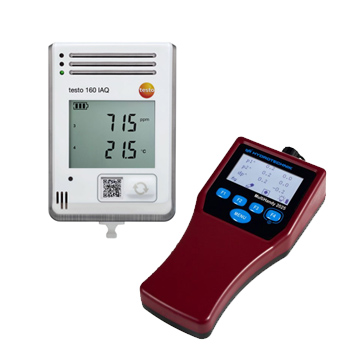
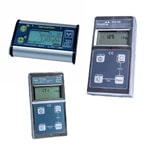
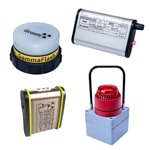
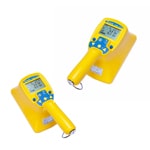
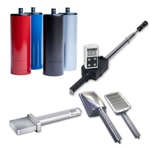
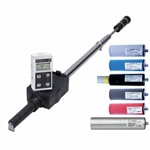
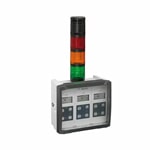
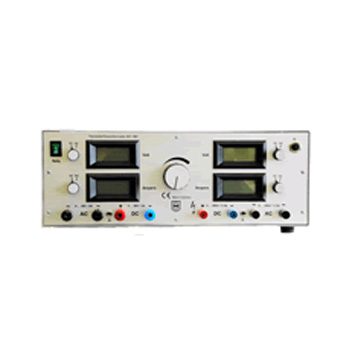
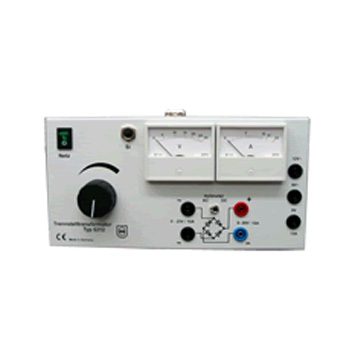
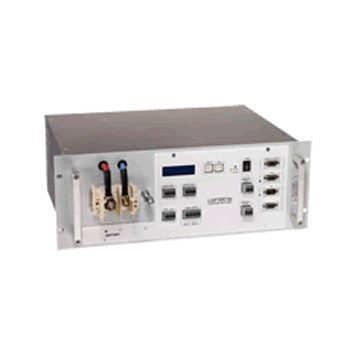
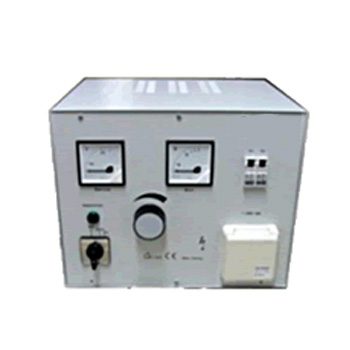
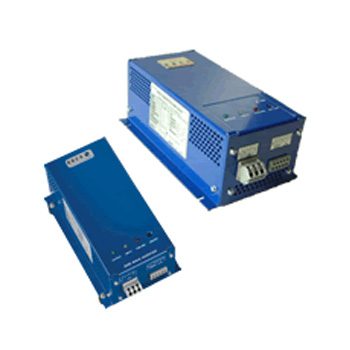
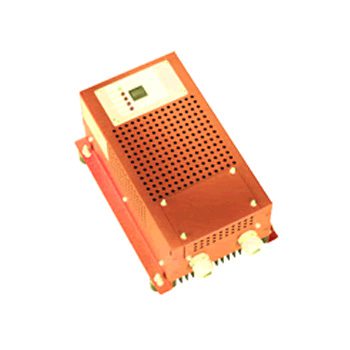























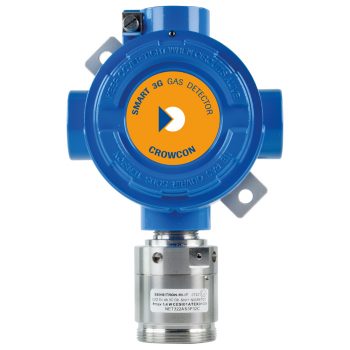
- Dual-channel gas detector designed for battery energy storage systems
- Detects hydrogen (H₂), carbon monoxide (CO) and methane (CH₄)
- Simultaneous monitoring of two gases with flexible sensor configuration
- High-resolution OLED display with intuitive user interface
- Replaceable smart sensors for easy maintenance and reduced downtime
- Analog, relay and RS485 Modbus outputs for easy system integration
- Integrated audible and visual alarm functions
- Compact, rugged IP65 enclosure for harsh environments
Datenblatt
|
Bedienungsanleitung
|
- Dual-beam infrared gas detector for reliable hydrocarbon detection
- Intelligent heated optics for stable performance in high humidity and extreme temperatures
- Fast response time of approximately 4 seconds
- High reliability with reduced maintenance requirements
- Flexible mounting options: wall, pipe or duct installation
- Multiple display options including local and remote displays
- Standard 4–20 mA and RS485 (Modbus) with optional HART® communication
- 5-year manufacturer warranty for long-term reliability
Datasheet |
User Manual |
- Compact gas detector for car parks and indoor air monitoring
- Durable polycarbonate enclosure with IP55 protection rating
- RS485 communication interface for easy system integration
- Power supply 12–24 VDC
- Operating temperature range from −20 °C to +50 °C
- Suitable for CO and NO₂ monitoring in parking facilities
- Compliant with EMC standards and parking garage regulations
- Compact design for easy wall mounting
Datasheet
|
- Compact fixed gas detector for combustible and toxic gas monitoring
- Supports catalytic, electrochemical and infrared sensor technologies
- Robust aluminium enclosure for industrial environments
- IP55 protection rating for use in demanding conditions
- 4–20 mA analog output with optional RS485 communication
- Optional relay outputs for alarm and fault signalling
- Operating temperature range from −40 °C to +60 °C depending on sensor
- SIL2 hardware with SIL3 software support and ATEX approval (model dependent)

Datasheet
|
- Compact fixed gas detector for combustible and toxic gas monitoring
- Supports catalytic, electrochemical and infrared sensor technologies
- Robust aluminium enclosure for industrial environments
- 7-segment display for clear status and measurement indication
- 4–20 mA analog output with optional RS485 communication interface
- 3 integrated relay outputs for alarm and fault signalling
- Operating temperature range from −40 °C to +60 °C depending on sensor
- SIL2 hardware with SIL3 software support
Datenblatt |
- Compact fixed gas detector for combustible and toxic gas monitoring
- Supports catalytic, electrochemical and infrared sensor technologies
- Durable polycarbonate enclosure with IP55 protection rating
- 4–20 mA analog output with optional RS485 communication interface
- Optional relay board for alarm and fault signalling
- Operating temperature range from −20 °C to +60 °C depending on sensor
- Compact design for easy wall or equipment mounting
- Compliant with EMC standards EN 61000 and EN 50270
Datasheet
|
- Fixed gas detector for combustible and toxic gas monitoring
- Rugged aluminium die-cast enclosure with chemically resistant epoxy coating
- IP65 protection rating for industrial environments
- 4–20 mA analog output with optional RS485 communication and HART® modem
- Optional relay board for alarm and fault signalling
- Fast response time with t90 < 60 seconds
- Operating temperature range from −40 °C to +65 °C depending on sensor
- ATEX and IECEx certified for hazardous areas

Datasheet |
- Gas detector for safe areas designed to detect flammable, toxic and refrigerant gases
- MPS™ sensor technology providing accurate multi-gas detection without sensor poisoning
- No calibration or scheduled maintenance required
- Visual and audible alarms with multi-colour LED ring and internal buzzer
- 4–20 mA analog output, RS485 Modbus communication and relay outputs
- Optional remote sensor head and data logging capability
- Ideal for machine rooms, refrigeration systems, laboratories and battery storage systems
- Compliant with standards including EN 378, EN 14624 and ISO 5149
Datasheet
|
- Fixed gas detector for combustible and toxic gas monitoring
- Supports catalytic and electrochemical sensor technologies
- Rugged aluminium die-cast enclosure with chemically resistant coating
- IP65 protection rating for industrial environments
- 4–20 mA analog output with optional RS485 communication
- Optional relay outputs for alarm and fault signalling
- Operating temperature range from −40 °C to +60 °C
- Certified according to ATEX, IECEx and EMC standards
Datasheet |
- Fixed gas detector for combustible, toxic and oxygen gases
- Supports catalytic, electrochemical and infrared sensor technologies
- Rugged aluminium die-cast enclosure with IP65 protection rating
- 7-segment display with status LEDs for clear status indication
- 4–20 mA analog output with optional RS485 communication
- Optional relay outputs for alarm and fault signalling
- Operating temperature range up to −40 °C to +60 °C
- ATEX, IECEx and EMC certified with SIL2/SIL3 capable safety
Datasheet |
- Robust fixed gas detector for combustible hydrocarbon gases
- Aluminium die-cast enclosure with chemically resistant epoxy coating
- IP65 protection rating for use in industrial environments
- Analog 4–20 mA output with RS485 communication interface
- Optional relay outputs for alarm and fault signalling
- Fast response time with t90 < 60 seconds
- Operating temperature range from −40 °C to +60 °C
- Certified according to ATEX, IECEx, MED and EMC standards

Datasheet |
- Compact infrared gas detector for CO₂ and refrigerant monitoring
- Supports multiple refrigerants including R134a, R404A, R407C, R410A and others
- Infrared sensor technology for reliable and long-life gas detection
- Power supply 12–24 VDC or 90–240 VAC
- RS485 communication interface for easy system integration
- Compact flush-mount enclosure made from polycarbonate
- Operating temperature range from −10 °C to +50 °C
- Compliant with relevant EMC and refrigeration safety standards
Datasheet
|
- Rugged fixed gas detectors designed for industrial and hazardous environments
- Multiple models (Type 1–6 and Xsafe) for different sensor and enclosure configurations
- Supports electrochemical, pellistor and thermal conductivity sensor technologies
- Up to IP65 protection rating for reliable operation in harsh conditions
- Operating temperature range from –40 °C to +150 °C depending on model
- Standard 4–20 mA output for easy integration into gas detection systems
- Certified for hazardous areas including ATEX, IECEx and UL
- Flexible installation options with multiple cable entry configurations
Datasheet |
- Rugged stainless steel (316) gas transmitter designed for industrial environments
- High-resolution OLED display (128 × 64 pixels) with status indicator LEDs
- Supports multiple sensor types for oxygen, toxic and flammable gases
- 4–20 mA analog output with optional HART® and RS-485 Modbus RTU communication
- Optional relays for Alarm 1, Alarm 2 and Fault
- Event logging for alarm, fault and maintenance records
- Wide operating temperature range from −40 °C to +75 °C (depending on sensor)
- ATEX and IECEx approvals with SIL2 capable functional safety

Datasheet |
- Rugged gas detector with ADC12 aluminium enclosure for industrial environments
- IP65 / IP66 protection rating for operation in harsh conditions
- 4–20 mA analog output with optional HART® and RS-485 Modbus RTU communication
- Integrated relays for Alarm 1, Alarm 2 and Fault
- Wide operating temperature range from −40 °C to +70 °C
- High measurement stability with ±2 % repeatability
- ATEX and IECEx certified for hazardous areas
- Approved for operation in Zone 1 and Zone 2 environments

Datasheet
|
- Dual-beam infrared gas detector for reliable hydrocarbon gas detection
- Rugged stainless steel enclosure with IP66 protection rating
- 4–20 mA analog output with optional HART® and Modbus communication
- Optional 4-digit backlit LCD display
- Fast response time with T90 under 4 seconds
- Wide operating temperature range from –40 °C to +75 °C
- SIL2 capable according to IEC61508 / EN50402
- ATEX and IECEx certified for hazardous areas
Datasheet |
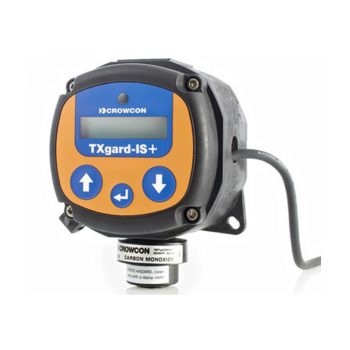
TXgard Plus is a flameproof (Ex d), ATEX, IECEx certified toxic or oxygen gas detector with local LCD display. A choice of sensors are available enabling use in a wide range of applications, including water treatment, oil and gas exploration, chemical plants and steel production.
Datasheet |
- Rugged industrial gas detectors designed for hazardous environments
- Available as Flamgard Plus, TXgard Plus and TXgard-IS+
- Supports catalytic bead and electrochemical sensor technologies
- High measurement accuracy with typical repeatability of ±2 % FSD
- IP65 rated enclosures for operation in harsh industrial environments
- 3-digit LCD display with status LED or 2-line LCD depending on model
- 4-20 mA analog output with optional relays and Modbus communication
- Approved for hazardous areas (Zone 0, 1 or 2 depending on model)
Datasheet |
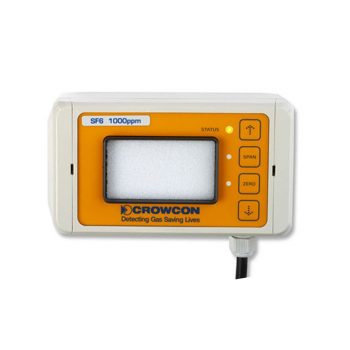
Available for detecting a range of different refrigerant gases and also sulphur hexafluoride (SF6), the F-Gas Detector can be connected to any control system that accepts an analogue signal.
Datasheet |
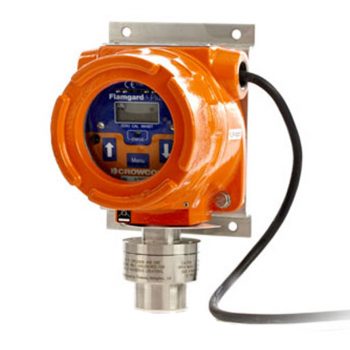
A flameproof (Ex d) pellistor based detector with display & 4-20mA output, for hydrocarbons, hydrogen & petrol vapours.
Datasheet |
- High immunity to false alarms for reliable flame detection
- Wide field of view of 100° (horizontal and vertical)
- Low power consumption
- High-speed response time
- Standard 4-wire connection
- 4–20 mA output (sink or source, 3–4 wire configuration)
- RS-485 Modbus communication interface
- Automatic and manual built-in self-test (BIT)
- User-programmable functions configurable via PC or handheld device
- MTBF greater than 100,000 hours
- 3-year manufacturer warranty
Datasheet
|
User Manual
|
User Manual
|
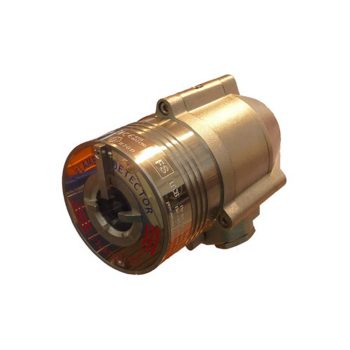
- Explosion-proof multi-spectrum IR flame detector for reliable hydrocarbon fire detection
- Long detection range with high immunity to false alarms
- Continuous optical self-test without reflector ensures reliable operation
- Microprocessor-controlled heated optics for operation in snow, ice and condensation
- Hazardous area approvals including FM, ATEX, IECEx, INMETRO and PESO
- Adjustable sensitivity levels for flexible applications
- Easy integration via standard outputs such as 0–20 mA, relays and HART®
- SIL2 capable with a 5-year manufacturer warranty
Datasheet |
User manual |
User manual |
- Multi-spectrum IR flame detector specifically designed for hydrogen flame detection
- Extremely fast response time of approximately 4 seconds
- Detects a 36-inch hydrogen flame at distances up to 40 m
- Heated optics prevent condensation, ice or water build-up on the lens
- Automatic optical self-test verifies lens cleanliness and electronics
- High immunity to false alarms through optimized hydrogen flame detection
- FM approved for use in hazardous environments
- 5-year manufacturer warranty for long-term reliability
Datasheet |
User Manual |
- Explosion-proof UV/IR flame detector for rapid detection of hydrocarbon fires
- Multi-spectrum UVIR technology for long detection distances and high false alarm immunity
- Fast flame detection at distances exceeding 40 m within seconds
- Microprocessor-controlled heated optics for reliable operation in snow, ice and condensation
- Continuous optical self-test ensures reliable device operation
- Approved for hazardous areas (FM, ATEX, IECEx and more)
- Easy integration via standard outputs such as 0–20 mA, relays and HART®
- Ideal for refineries, petrochemical plants, tank farms and LNG/LPG facilities
Datasheet |
User Manual |
The SMART S-MS 3A is a SIL2 certified fixed gas detector ideal for flammable and toxic gas detection. 1

Datasheet |
Fixed Gas Detection Devices
Fixed gas detection devices are permanently installed measurement and alarm systems for continuous monitoring of flammable, toxic or oxygen-altering gases in industrial and process plants. They consist of sensors, signal or transmission units, evaluation or control panels and optical or acoustic alarms. Their purpose is the early detection of dangerous gas concentrations and the initiation of appropriate protective or countermeasure actions.
FAQ
Which sensor technologies are used in fixed gas detection devices?
Typical technologies include catalytic bead sensors (for combustible gases), electrochemical sensors (for toxic gases and oxygen), infrared sensors (for CO₂ and combustible gases) and open-path optics for area monitoring. The choice depends on the gas type, application environment and operational requirements. :contentReference[oaicite:8]{index=8}
Which gases are typically monitored by fixed systems?
Fixed detection systems monitor combustible hydrocarbons (e.g. methane, propane), toxic gases (e.g. CO, H₂S), oxygen deficiency or enrichment as well as carbon dioxide (CO₂) and other volatile organic compounds depending on the application. :contentReference[oaicite:9]{index=9}
How do fixed systems differ technically from portable devices?
Fixed systems are permanently installed, often redundantly designed, connected to control systems and capable of automatic actions (e.g. ventilation, shutdown). Portable devices are mobile, person-worn and focus on individual exposure conditions. :contentReference[oaicite:10]{index=10}
What interface and connectivity features are common for fixed gas alarm systems?
Common interfaces include 4-20 mA analog outputs, relay contacts, fieldbus communication (e.g. Modbus, Profibus), Ethernet and sometimes wireless connectivity. These enable integration into supervisory, control and safety systems.
Which standards and application conditions apply to fixed gas detection systems?
Relevant standards and regulations include the DGUV Information T 021 (toxic gases/oxygen) and T 023 (explosion protection) as well as EN 60079-29-2 for combustible gas detection. :contentReference[oaicite:11]{index=11}
How is sensor placement determined in fixed systems?
Sensor placement is based on gas behaviour (lighter or heavier than air), possible leak points, ventilation flows and personnel zones. Proper installation is crucial for effective monitoring.
What protection classes and explosion-protection requirements apply?
Devices in explosive atmospheres must feature appropriate ignition protection types (e.g. “Ex”), temperature classes and zone ratings. In addition, high enclosure protection ratings (e.g. IP65/IP66) are common in harsh environments. :contentReference[oaicite:12]{index=12}
How are maintenance, calibration and functional checks performed?
Regular functional tests (e.g. response check), calibration with test gas and defined intervals are essential to ensure operational safety and measurement accuracy. :contentReference[oaicite:13]{index=13}
What data evaluation and documentation options exist?
Fixed systems often provide central evaluation units, data logging of measurement and alarm events, visualization and interfaces for analysis software. These support trend analysis, sensor condition monitoring and audit-ready documentation.
What are the advantages of fixed gas detection systems over portable devices?
They offer continuous monitoring of critical areas, early detection of gas releases, automated interfacing with safety and control systems and are ideal for protecting large or complex installations.


Datenblatt
Datasheet