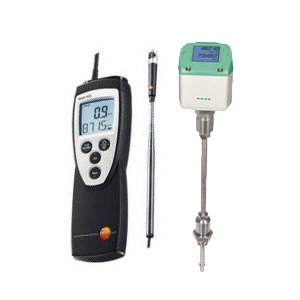
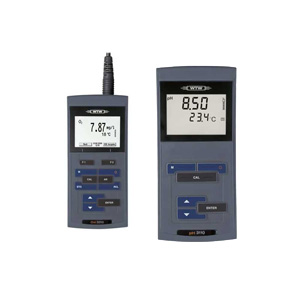
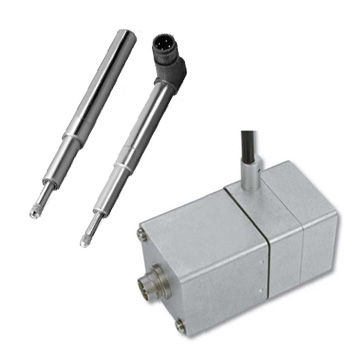
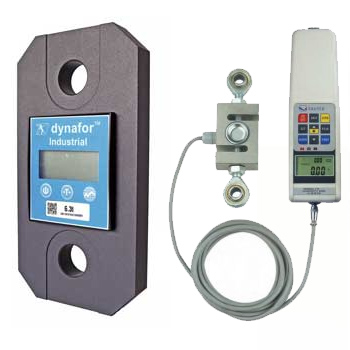
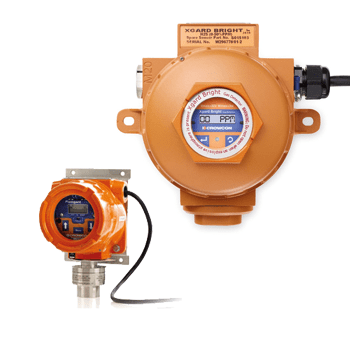
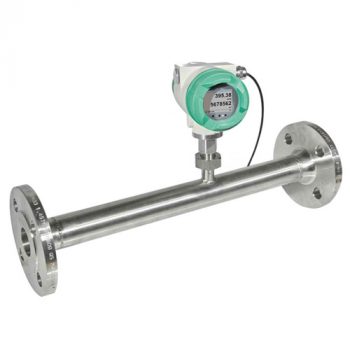
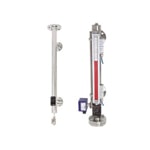
Level Measurement


Level Measurement – reliable level, volume & limit detection for tanks and vessels

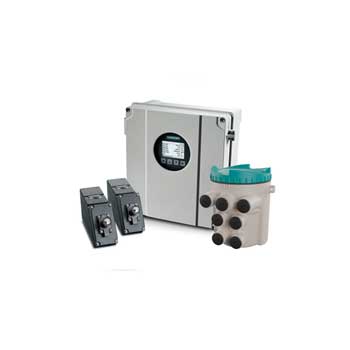
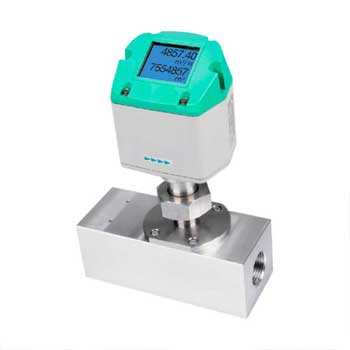
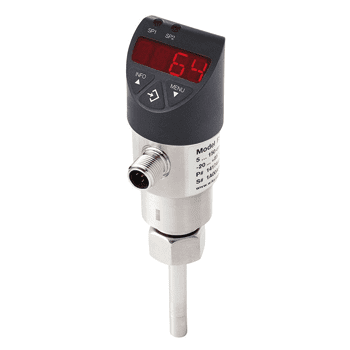
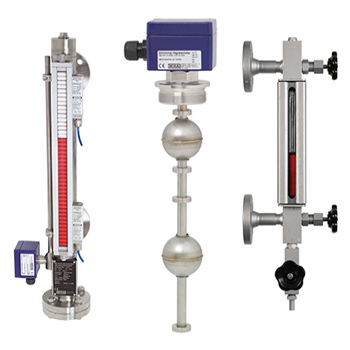
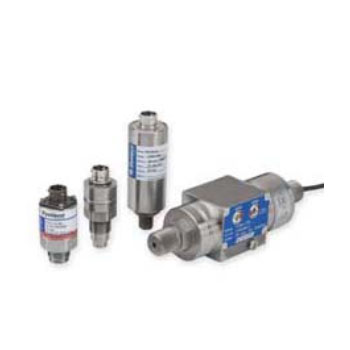
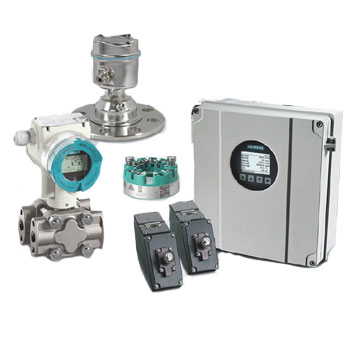
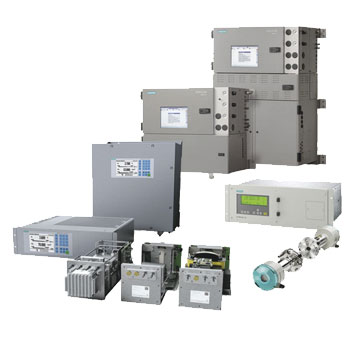
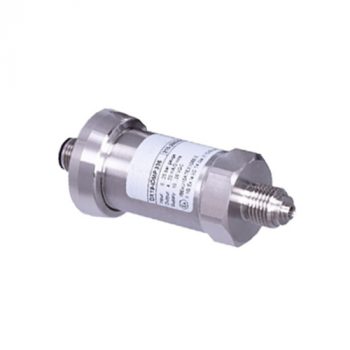
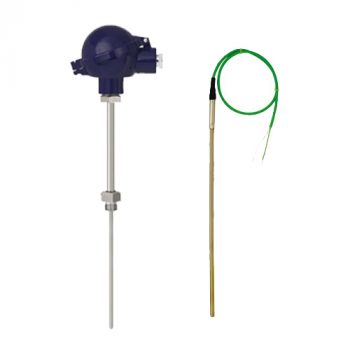
Level sensors and point level switches provide continuous level/volume or min/max alarms in liquids, pastes, foams and bulk solids. Depending on medium and process conditions, technologies include hydrostatic, radar/FMCW, ultrasonic, capacitive, conductive, magnetostrictive, guided wave radar (TDR), float-based and optical methods.

Features (model-dependent): high-temperature/high-pressure, hygienic design (EHEDG, FDA), ATEX/IECEx, SIL, foam/steam immunity, multi-point measurement, built-in volume calculation and communications (4–20 mA/HART, Modbus/RS-485, Profibus/Profinet, EtherNet/IP, IO-Link).

ICS Schneider Messtechnik supports principle selection, sizing (geometry, dead/blank zones), materials, calibration, documentation and integration into PLC/SCADA/IIoT.


FAQ on Level Measurement

Answers on measuring principles, selection criteria, installation, accuracy, media, hygiene/ATEX, calibration and troubleshooting.

Which measuring principle fits my medium?
PrincipleMediaStrengthsNotes
Hydrostatic (pressure)LiquidsCompact, cost-effectiveCompensate density/temperature
Radar/FMCWLiquids/bulk solidsFoam/steam tolerant, preciseClear view, antenna selection matters
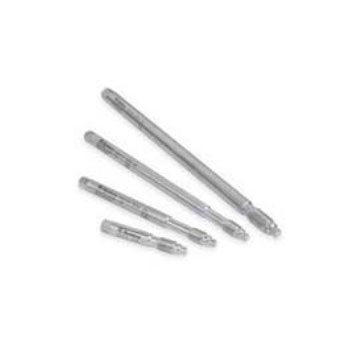
Guided wave radar (TDR)Liquids, interfacesInsensitive to internalsProbe length must match range
UltrasonicLiquids/bulk solidsNon-contact, economicalWatch for steam/turbulence
CapacitiveLiquids/pastesSimple point levelProduct build-up needs tuning
ConductiveWater/conductive mediaVery robust, low-costRequires minimum conductivity
MagnetostrictiveLiquidsHigh accuracy, multi-float/interfaceNeeds float(s)
Float/switchLiquidsSimple, no parameterizationMind mechanics/space
Optical (fork/light)Clear mediaCompact, fastSensitivity to fouling

Continuous measurement vs. point level—what’s the difference?
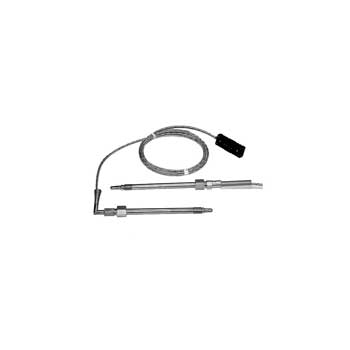
Continuous sensors output an analog/digital profile (e.g., 4–20 mA) of level/volume. Point level switches give on/off at min/max for overfill and dry-run protection.

How do foam, steam and condensation affect results?

Radar/TDR handle foam/steam better than ultrasonic. With heavy condensation add purge/heating and choose suitable antennas (PTFE/PP domes, horn). Ultrasonic needs a free, dry sound path.

When is TDR better than free-space radar?

In narrow tanks, with internals/agitators or at low dielectric constants. TDR also excels at interface (oil/water) measurement.

How do I choose antenna/probe types?

By temperature/pressure, medium and space: horn, rod, cable probes (TDR), hygienic flush domes, corrosion-resistant linings (PTFE/PFA) and seals (EPDM/FKM/PTFE).

What accuracy is realistic?

Radar/TDR typically ±2…10 mm; hydrostatic ±0.1…0.25% FS; ultrasonic ±0.25…0.5% FS (application-dependent). Installation and setup drive practical accuracy.

How do I handle dead zones/blanking distances?

Mount so the zero reference sits above the blanking zone. For radar, observe near range (e.g., 50–150 mm); size TDR probes to reach near the bottom with a safety offset.

Can the device output volume directly?

Yes—many transmitters offer tank strapping tables/linearization (e.g., horizontal cylinder) to calculate volume/remaining content with temperature compensation.

What matters in hygienic applications?

316L, dead-space-free clamp/Varivent, EHEDG/FDA seals, polished surfaces and CIP/SIP resistance. Provide material and compliance certificates.

How do density and temperature changes influence readings?

For hydrostatic sensors results scale with density—use compensation or fixed density. Radar/TDR are largely density-independent.

Where is the ideal mounting location?

Away from inlets, agitators and walls. On sloped/conical roofs aim radar toward the surface. Mount stress-free; in bulk solids consider the fill cone.

How long should a TDR probe be?

Probe length ≈ measuring range + safety margin (respect upper/lower blocking distances). For interfaces configure both phases or use dual floats.

What’s special about bulk solids?

80 GHz radar with narrow beam is ideal for deep silos; compensate dust, use air purge/membrane windows. Robust point switches: vibrating forks or rotary paddles.

Which outputs/communications are available?

4–20 mA/HART, relay/PNP/NPN, pulse, Modbus/RS-485, Profibus/Profinet, EtherNet/IP, IO-Link. Diagnostics: foam detection, signal quality, echo curves.

How are parameterization & calibration done?

Via keys/display, DTM/EDD/software or IO-Link. Set zero/span, load strapping tables, inspect echo profiles. Hydrostatic: set zero at empty/defined level.

What ATEX/SIL options exist?

Many sensors are available in Ex i / Ex d for Zone 0/1/2 and dust zones, with SIL2/3 ratings. In hazardous areas use proper barriers/isolators and device categories.

Typical pitfalls & quick fixes

  • False echoes from internals → re-aim sensor and set ignore zones
  • Foam/steam disturbing ultrasonic → choose radar/TDR
  • Hydrostatic drift → density/T compensation, vent lines, check capillaries
  • Wrong probe length → match to measuring range
  • Fouling buildup → add purge, choose suitable coatings/materials

How do I select the right process connection?

By DN/space, cleanability and pressure: G/NPT, clamp/Varivent, flanges (PN/ANSI), hygienic flush. Provide strain relief for long TDR probes.

How do I convert level to mass/inventory?

Level → volume using geometry/strapping; volume × density(T)mass. Many transmitters compute and output t/kg directly.

Maintenance & lifecycle—what’s sensible?

Sensors are low-maintenance. Periodically check tightness, fouling, cabling/EMC; set calibration intervals per QA/standards and backup parameters.

Do you support selection, sizing & commissioning?

Yes. We analyze your medium/process, choose the best principle, define mounting/aim, provide calibration certificates and integrate the measuring point into PLC/SCADA/cloud with full documentation.

Diese Website benutzt Cookies. Wenn du die Website weiter nutzt, gehen wir von deinem Einverständnis aus.