
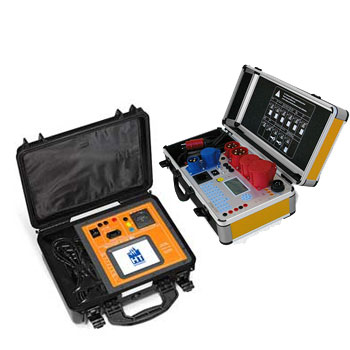
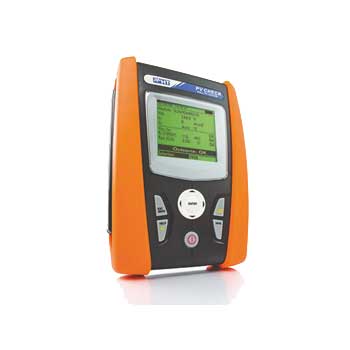
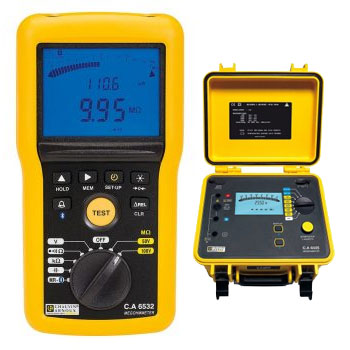
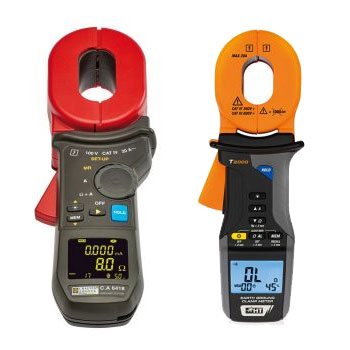


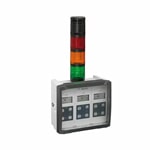
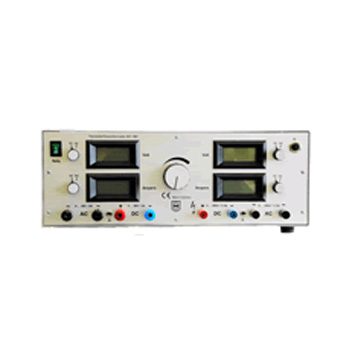
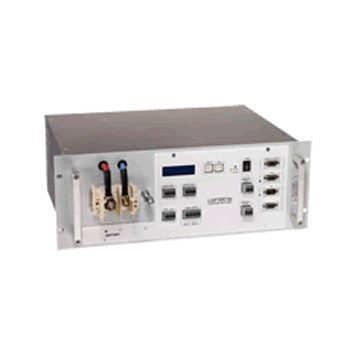
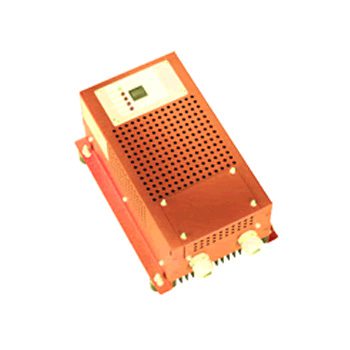




























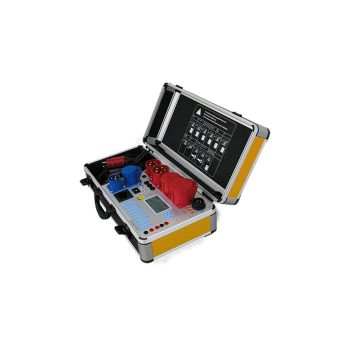
• Für alle Prüflinge mit Schuko-, Kaltgerätestecker, 16A 1P CEE, 16A 3CEE und 32A 3CEE Anschluss
  • Prüfen von Verlängerungsleitungen (mit Verdrahtungstest)
  • Automatisch oder manuell einstellbare Prüfabläufe
  • Kein Umstecken der Prüflinge erforderlich
  • Klartextbedienung mit Gut-/Fehleranzeige
  • Funktionstest mit Echt-Effektivwert und Leistungsanzeige bis 24 kW
  • Dateneingabe über Tastatur, Barcodeleser oder PC
  • Überprüfung des Netzanschlusses auf Drehfeld & PE
  • Automatische Abschaltung bei gefährlichem Fehlerstrom des Prüflings
  • Speicher für 16.000 Prüflinge
  • Anschluss für Strommessung über Zange
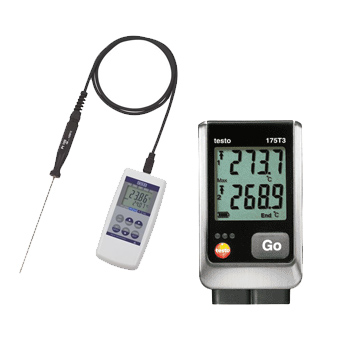
  • Anschluss für Tempertarurmessung
  • Anschluss für Barcodescanner oder Transponderleser
  • Benutzername mit / ohne Passwortschutz
Datenblatt


Welding Equipment Testing (VDE 0544-4)

Testing according to VDE 0544-4 refers to the inspection and safety verification of welding equipment and associated electrical installations. The tests cover welding machines, welding circuits, cables, grounding and safety measures to ensure safe operation under heavy currents and industrial conditions.

FAQ

What does welding equipment testing under VDE 0544-4 involve?

It involves tailored tests for welding machines and their circuits — including protective earth checks, insulation tests, grounding verification and inspection of cables and connections to ensure safe welding operation.

When is a welding equipment test required?

Before first use after installation or manufacturing, after repairs or modifications, before each use under demanding conditions, or during regular safety inspections of welding installations.

Which inspections and measurements are typically done?

Common tests include protective earth and grounding checks, insulation resistance measurement, inspection of welding leads and cables, checking of welding current circuit continuity, earthing verification and, if applicable, functional testing of the welding system.

How is grounding and protective earth tested?

The protective earth or grounding is checked for proper connection, continuity and acceptable resistance to ensure safe fault current paths in case of insulation failure.

How is insulation tested?

A defined test voltage is applied between live parts and earth or protective conductor. High insulation resistance indicates intact insulation; low values indicate possible defects.

What special considerations apply to welding circuits?

Welding circuits carry high currents and require cables, connections and protective measures rated for such loads. All components must be robust and correctly installed to guarantee safe operation.

Who is qualified to perform the test?

Only a qualified electrician or trained technician familiar with VDE 0544-4 requirements and competent in electrical safety testing should perform the inspection.

What happens if safety issues are found?

When test results are outside allowed limits — e.g. poor grounding or insulation — the welding installation must be taken out of service, corrected and re-tested before use.

How often should welding equipment be tested?

Frequent use or harsh conditions require testing before each use; otherwise, regular periodic inspections should be scheduled depending on usage frequency and environment.

What documentation is required after testing?

A test report must record test results, date, person performing the test, equipment and cable details, measured values and any corrective actions taken.

Which test instruments are typically used?

Specialised welding-test instruments with protective earth, insulation and grounding tests, current- and cable-checks, and possibly integrated measurement capabilities for welding circuits and leads.

What safety measures must be observed during testing?

The welding equipment must be deactivated, protective gear used, connections checked, and testing must take place under safe conditions with appropriate protective voltage and current ratings.

How do basic and professional testers differ?

Professional testers offer stable test voltages and currents, comprehensive test sequences, documentation functions, robust connectors and better safety under industrial conditions compared to basic testers.

What is the difference between device testing and installation testing for welding equipment?

Welding equipment testing covers not only the welding machine itself, but the entire welding circuit — including cables, leads, protective earth, grounding and connected wiring, thus encompassing the whole installation.

Why is regular testing important?

High currents, mechanical stress and heat can degrade cables, insulation and contacts over time. Regular testing helps detect and remedy faults before dangerous failures occur.

What requirements apply to test instruments?

Test instruments must be suitable for welding currents and voltages, supply stable test signals, offer correct safety protection and be built robustly for industrial conditions.

When must testing be repeated after repairs or modifications?

After any repair, replacement of cables or welding leads, or modification, a full safety test must be carried out before reuse to ensure all safety criteria are met.

Why is grounding critical for welding installations?

A valid grounding ensures safe discharge of fault currents and protects users from electric shock, especially when metal housings or high currents are involved.

When can welding equipment be put back into service after testing?

Only after all safety checks are successfully passed, documentation is complete and all identified issues have been resolved can the equipment be reactivated.

Are there different requirements for mobile versus stationary welding setups?

Yes — mobile welding equipment should be inspected before each use, while stationary systems should undergo periodic maintenance checks and safety inspections as defined by regulations and usage conditions.

Diese Website benutzt Cookies. Wenn du die Website weiter nutzt, gehen wir von deinem Einverständnis aus.