


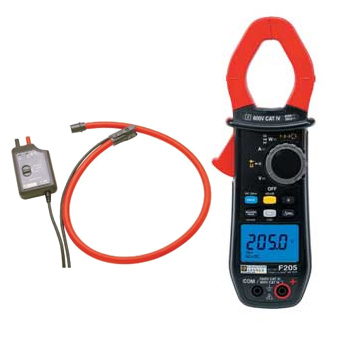
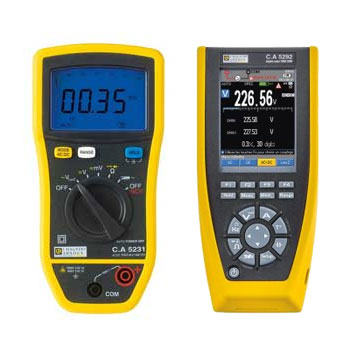
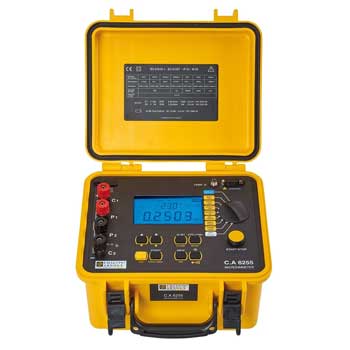
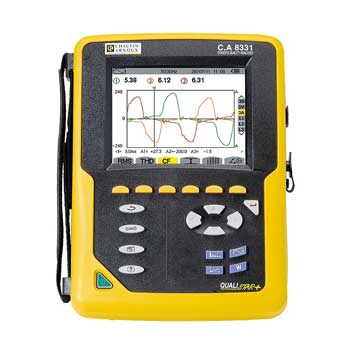
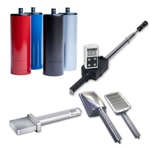























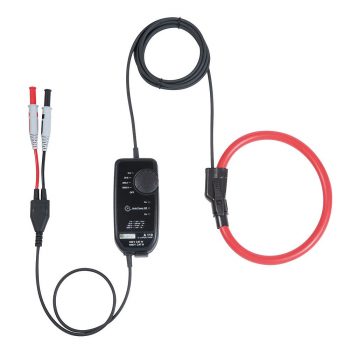
- Measurement range: 80 mA to 30 kA
- 4 calibres
- Sensor length (clamping diameter): 45 cm, 80 cm or 1.20 m (Ø14 cm, Ø25 cm, Ø38 cm)
- Ingress protection of sensor/processing unit: IP67 / IP54
- Output signal: AC voltage
- Output via two-wire lead terminated by 2 x Ø 4 mm straight male banana safety connectors
- Power supply: 2 x 1.5V AA batteries or external µUSB type B 5V
- Battery life: 300 hours
- 1,000 V CAT IV
 Datasheet Datasheet |
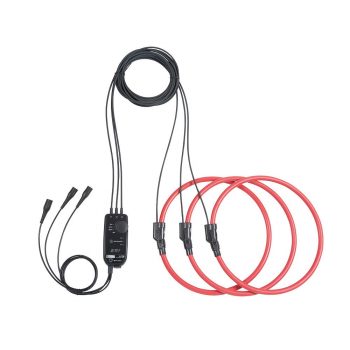
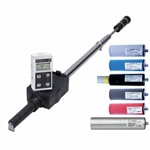
- Measurement range: 0.5 A to 3 kA
- 3 calibres
- Sensor length (clamping Ø): 80 cm (Ø25 cm)
- Ingress protection of sensor/processing unit: IP67 / IP54
- Output signal: AC voltage
- Output via 3 coaxial cables terminated by isolated BNC safety plugs
- Power supply: 2 x 1.5V AA batteries or external µUSB type B 5V
- Battery life: 500 hours
- 1,000 V CAT IV
| Datasheet |
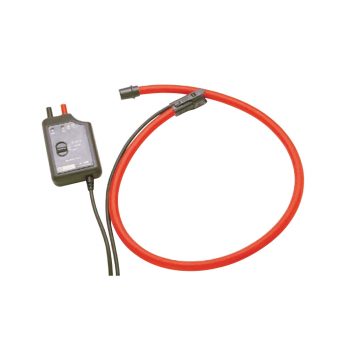
The AmpFlex A100 series comprises 9 models of flexible sensors which can be connected directly to all types of multimeters, wattmeters, loggers, etc..
|
Datasheet
|
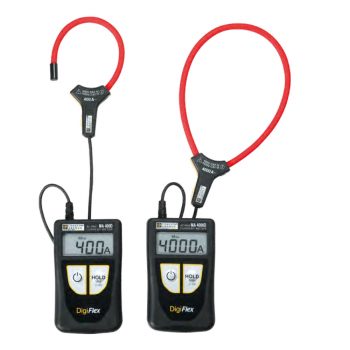
DigiFLEX current testers are equipped with flexible current sensors connected to a compact casing and can be used comfortably in any electrical cabinet for applications up to 600 V CAT IV. These stand-alone instruments are equipped with a 4,000-count digital display for direct current readings. Simple to set up thanks to the sensor-closing system, DigiFLEX current testers also benefit from the magnetized Multifix mounting system allowing them to be positioned anywhere. In addition, a strap is supplied to make it easier to stow the DigiFLEX.
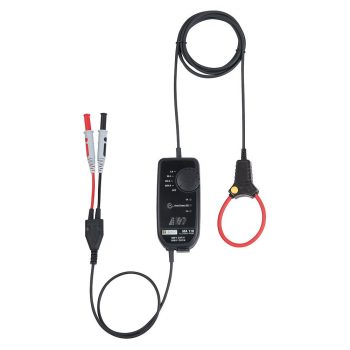
- Measurement range: 80 mA to 3 kA
- 4 calibres
- Sensor length (clamping Ø): 17 cm, 25 cm or 35 cm (Ø4.5 cm, Ø7 cm, Ø10 cm)
- Ingress protection of sensor/processing unit: IP67 / IP54
- Output signal: AC voltage
- Output via two-wire lead terminated by 2 x Ø 4 mm straight male banana safety connectors
- Power supply: 2 x 1.5V AA batteries or external µUSB type B 5V
- Battery life: 300 hours
- 600 V CAT IV
| Datasheet |
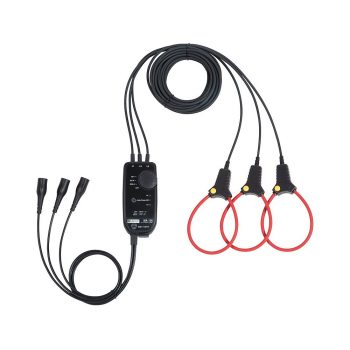
- Measurement range: 0.5 A to 3 kA
- 3 calibres
- Sensor length (clamping Ø): 25 cm (Ø 7 cm)
- Ingress protection of sensor/processing unit: IP67 / IP54
- Output signal: AC voltage
- Output via 3 coaxial cables terminated by isolated BNC safety plugs
- Power supply: 2 x 1.5V AA batteries or external µUSB type B 5V
- Battery life: 500 hours
- 600 V CAT IV
| Datasheet |
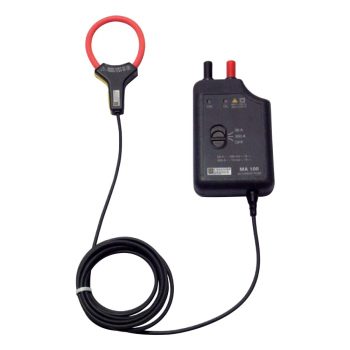
The AmpFlex A100 series comprises 9 models of flexible sensors which can be connected directly to all types of multimeters, wattmeters, loggers, etc..
|
Datasheet
|
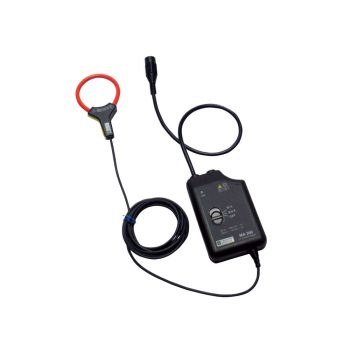
Main specifications:
- Measurement range from 500 mA AC to 3,000 A AC
- Single or bi-calibre
- Bandwidth of up to 1 MHz
- 3 clamping diameters: 45 mm, 70 mm and 100 mm
- 600 V CAT IV / 1,000 V CAT III
|
Datasheet
|
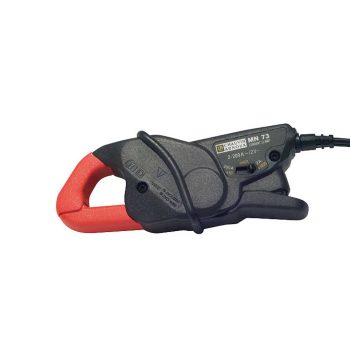
The MN series miniclamps are designed to measure alternating currents up to 10 kHz, on low-powered installations, from 10 mA~ to 240 A ~
|
Datasheet
|
