
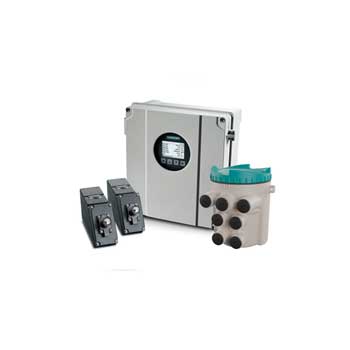
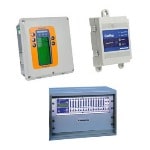
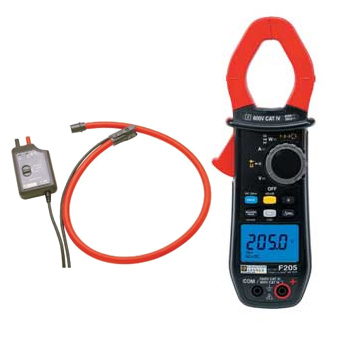
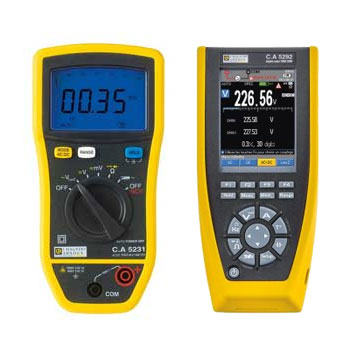
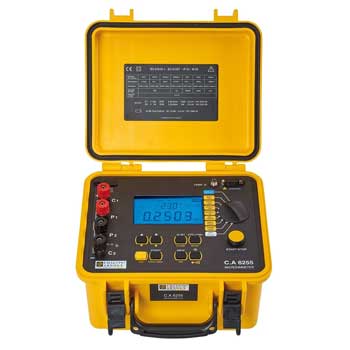
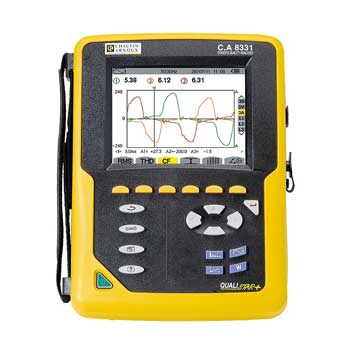
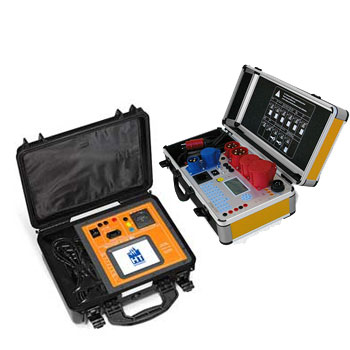
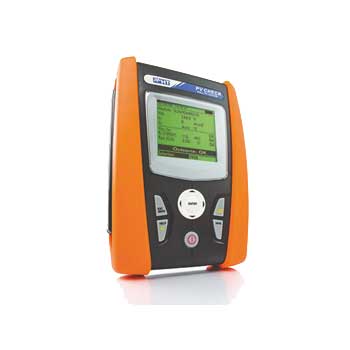
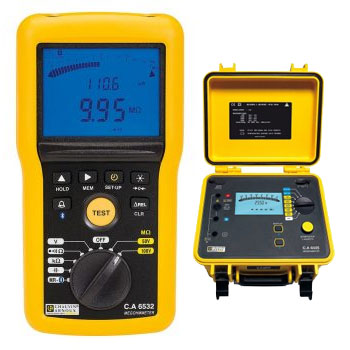
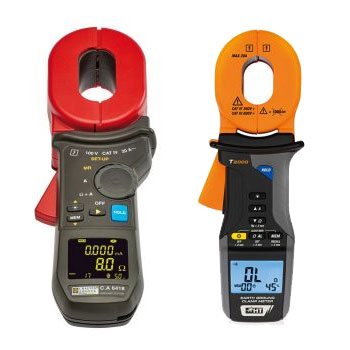
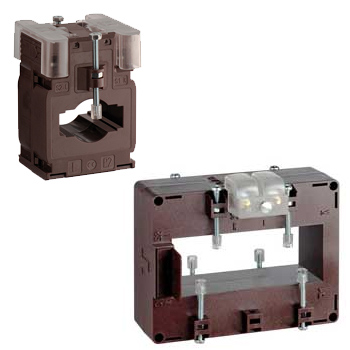
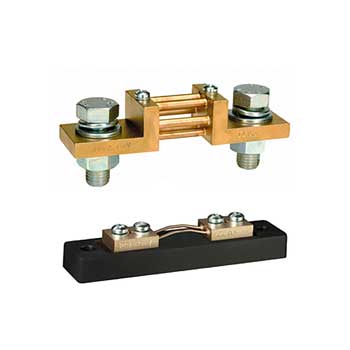
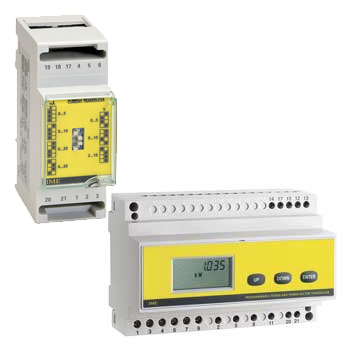
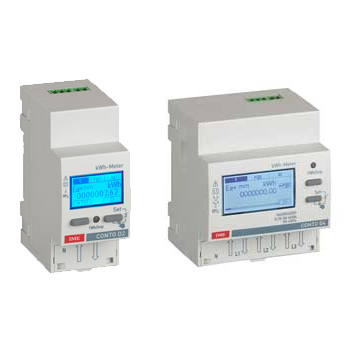
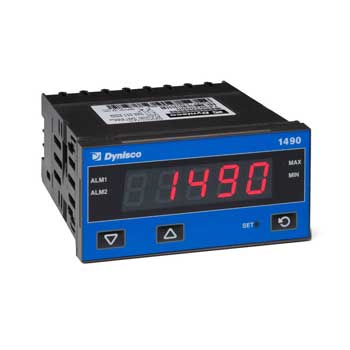
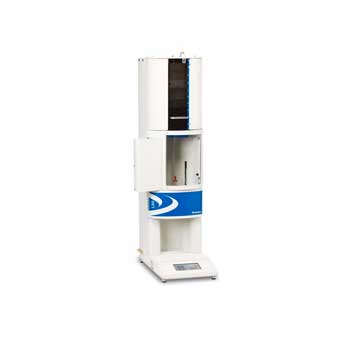
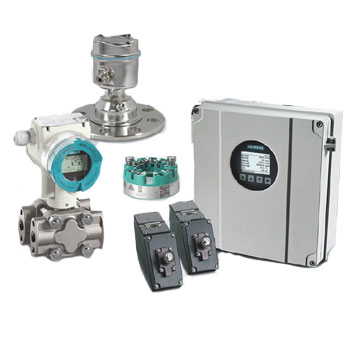
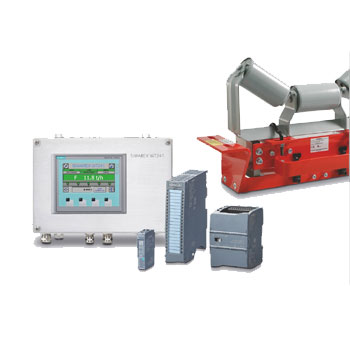
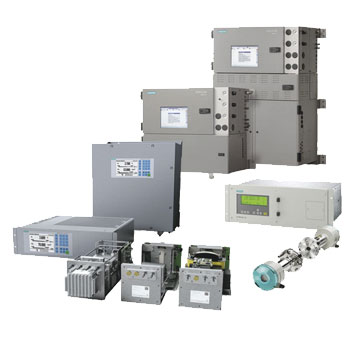
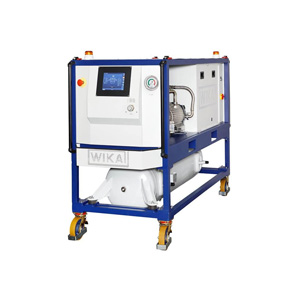
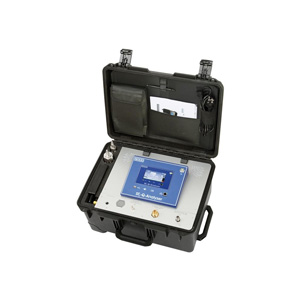
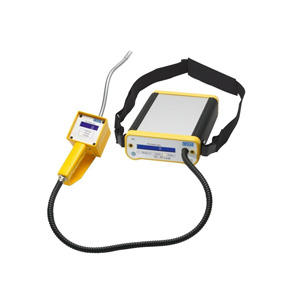
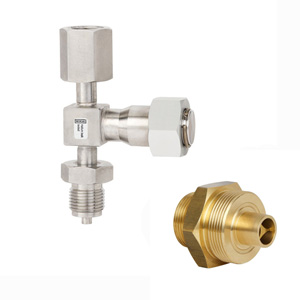
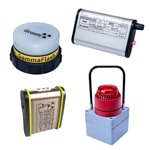
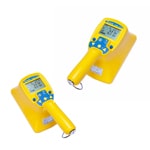
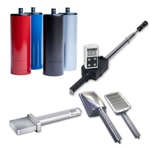
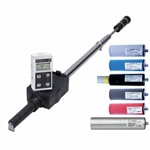
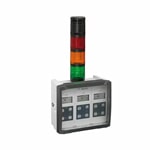
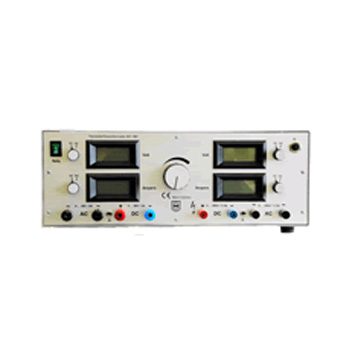
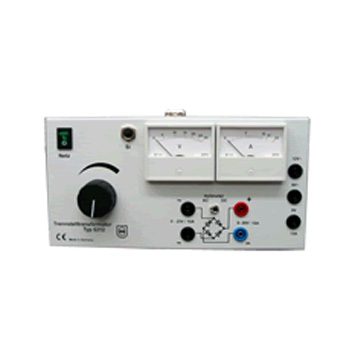
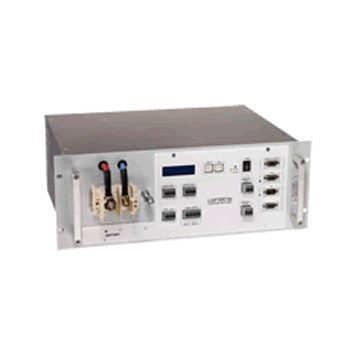
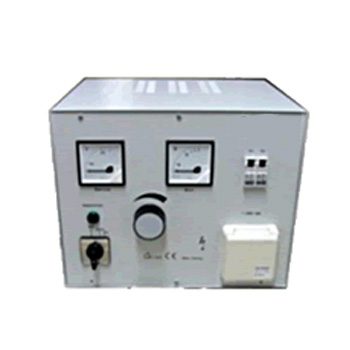
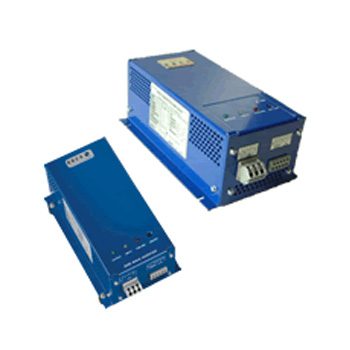
























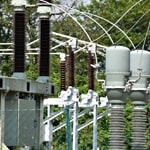
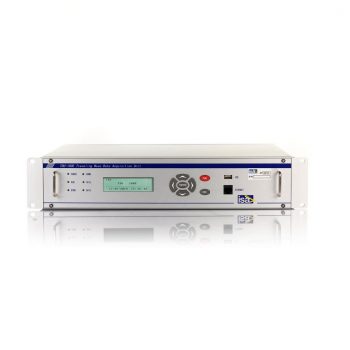
The TFS 2100E system is the most accurate travelling wave fault locator. It allows locating faults along electrical transmission lines in a very short time and with considerable saving of money.

Datasheet


Overhead Lines Fault Locator

Fault locator systems for overhead lines are devices used to quickly and accurately locate faults, line breaks or insulation failures in high- and medium-voltage overhead conductors. They allow identification of issues such as phase failures, line interruptions, ground faults or insulator failures, without the need to dismantle the entire line. The goal is efficient diagnosis and minimal downtime.

FAQ

What is an overhead lines fault locator?

An overhead lines fault locator is a test instrument used to detect defects, breaks or insulation issues in overhead lines by injecting test signals (pulses, AC/DC) or measuring insulation/ground conditions, and evaluating the response to locate the fault.

Which types of faults can be detected?

Phase outages, conductor breaks, grounding faults, insulator failure, partial or total conductor breakage, corrosion-related weak points, moisture-induced insulation degradation.

How does the fault locator work technically?

A test signal (e.g. impulse current, AC or DC) is applied. By analyzing the returned signal, impulse reflection time, impedance changes or grounding behaviour, the approximate fault location and type can be determined.

Is it possible to locate faults without de-energizing the line?

In many cases yes – depending on the test method. Some fault locators allow in-service or partially energized testing (e.g. insulation or ground fault checks), provided safety and protection measures are observed.

Which parameters are typically measured?

Voltage, current, impulse shape and duration, impedance or resistance, ground or conductor potential, return time of signals, insulation resistance — depending on fault type and test method.

When should a fault locator be used?

After a fault event (short-circuit, outage), when a line failure is suspected, after storms or mechanical stress, during periodic inspections, or before maintenance or reconstruction for diagnostic purposes.

Who should perform overhead line fault location?

Qualified personnel experienced in high-voltage overhead line systems, with knowledge of safety procedures and experience in handling test equipment under load or de-energized conditions.

What safety preparations are required prior to testing?

Depending on method: de-energization or defined operating conditions, grounding or isolation, proper clearance, protective equipment, and clear demarcation of test area. All safety protocols for working on overhead lines must be observed.

How are results documented?

With a test report including line data (type, length), fault type, approximate fault location, date, test conditions and tester — to support repair planning and future maintenance.

What are the benefits compared to visual inspection?

Much higher accuracy and reliability especially for hidden or internal faults, less downtime, no need for destructive inspection or trial-and-error and safer working conditions.

Can fault locators detect breaks on long overhead lines?

Yes — using appropriate test methods (impulse reflection, impedance or resistance measurement), fault locations can be found even over large distances.

Can weather or environment affect the measurements?

Yes — humidity, moisture, pollution, line wetness, soil/grounding conditions, corrosion or wind-related conductor movement can influence results. Careful documentation of measurement conditions is important for accurate assessment.

Diese Website benutzt Cookies. Wenn du die Website weiter nutzt, gehen wir von deinem Einverständnis aus.