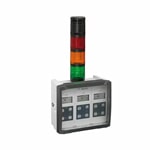
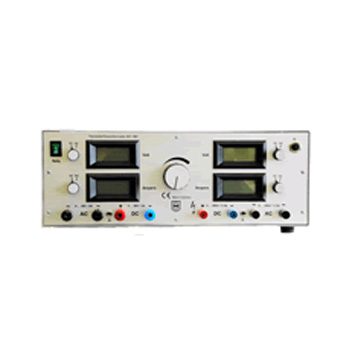
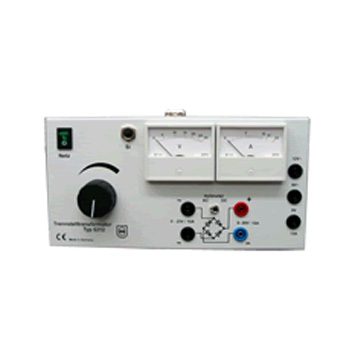
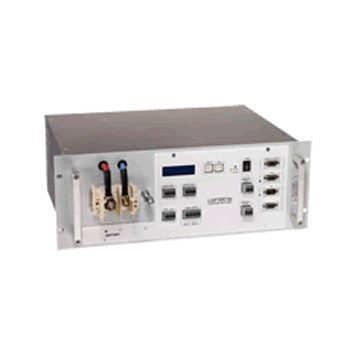
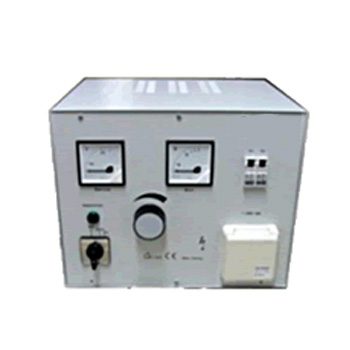
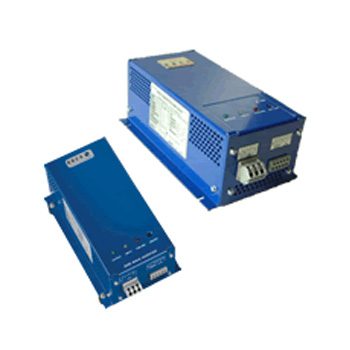
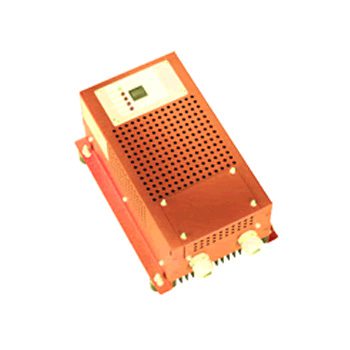
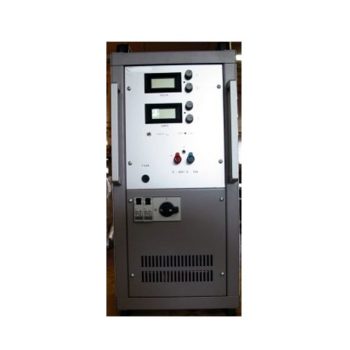
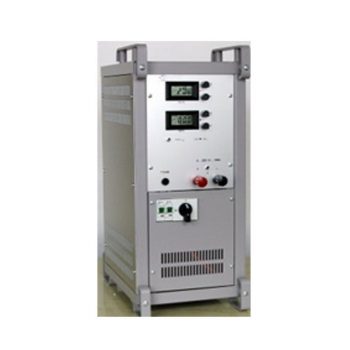
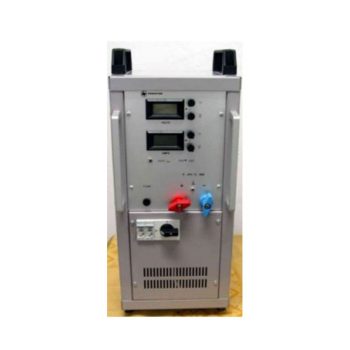
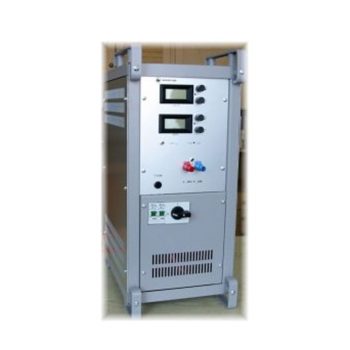
High-Power Bench Power Supplies

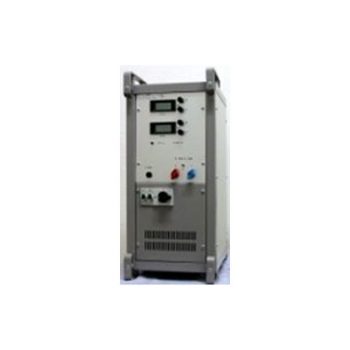
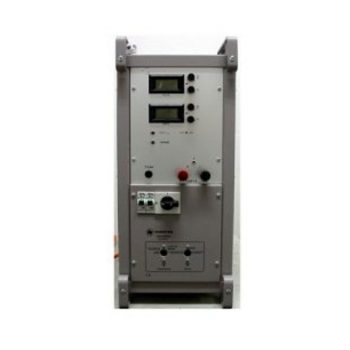
High-power bench power supplies are robust, high-performance laboratory power units designed for applications requiring high voltage, high current, or high continuous output power. They deliver stable, precisely regulated DC voltage and current with excellent load regulation, low ripple, and strong thermal management. These instruments are used in demanding environments such as power electronics testing, motor drive simulations, battery charging, sensor calibration under load, and industrial test benches. Typical features include programmable operation modes, extensive protection systems, and reliable cooling for long-duration operation.

Parameter Typical Specification / Options
Output Power Several hundred watts up to > 1000 W
Output Voltage e.g. 0–30 V, 0–60 V, 0–320 V or higher depending on model
Output Current High-current capability from several amperes to tens of amperes
Regulation Precise voltage/current regulation, low ripple, excellent load stability
Protection Features Over-current, overload, short-circuit and over-temperature protection
Operating Modes Constant Voltage (CV), Constant Current (CC), often programmable
Outputs Single or multi-output depending on application
Additional Functions Digital displays, programmable profiles, optional interfaces

Questions & Answers on High-Power Bench Power Supplies

What defines a high-power bench power supply?

A high-power bench supply provides significantly higher output power than standard laboratory supplies, typically ranging from several hundred watts to more than a kilowatt. They are engineered for applications where high continuous current, high voltage, or both are required.

Where are high-power bench supplies typically used?
Common applications include power electronics testing, motor drives, battery testing and charging, sensor calibration under high load, industrial test benches, endurance tests and simulation of demanding electrical loads.

How do high-power supplies differ from standard lab power supplies?
They offer much higher current and power capability, enhanced cooling systems, stronger protection mechanisms, better regulation under heavy load, and often programmable features. Standard lab supplies are suitable for low-power electronics, whereas high-power units are designed for heavy-duty applications.

Why are stability and low ripple important?

Stable output with minimal noise or ripple is essential for accurate testing and safe operation of sensitive or high-power components. Excessive ripple or poor regulation can cause measurement inaccuracies, overheating, or device damage during high-load testing.

Which protection features are essential?

Over-current, overload, short-circuit and over-temperature protection ensure safe operation. High currents generate significant heat and stress; therefore, comprehensive protection prevents damage to both the supply and the test setup.

What do CV and CC modes mean?

In Constant Voltage (CV) mode, the supply regulates the voltage while the current depends on the load. In Constant Current (CC) mode, the supply limits the current to a preset value and adjusts voltage accordingly. Both modes are crucial for controlled testing of electronic and power components.

Why is cooling especially important in high-power units?

High output power generates significant heat, requiring efficient cooling through fans, heat sinks or advanced thermal management. Proper cooling ensures stable long-term operation and prevents thermal shutdown or component stress.

When should a high-power bench supply be preferred?
Choose a high-power supply when the application requires high current, high voltage, long-duration load tests, or realistic stress testing — such as for motors, batteries, converters or power components. Standard supplies are insufficient for such demanding environments.

What factors should be considered when selecting a high-power supply?
Key factors include required voltage and current range, total output power, load stability, ripple level, available protection features, cooling performance, programmability and expandability. The supply should match both the peak and continuous demands of the application.

Are there drawbacks to using high-power bench power supplies?

Yes — they are generally larger, heavier and more expensive than low-power supplies. They may be excessive for simple tasks and require adequate ventilation and workspace. Their high capability also demands careful handling and safe wiring practices.

What is “autoranging” in high-power power supplies?

Autoranging allows the supply to automatically adjust voltage and current within a flexible power envelope. This enables a wider range of operating conditions without switching models, making it ideal for dynamic load tests and automated procedures.

Diese Website benutzt Cookies. Wenn du die Website weiter nutzt, gehen wir von deinem Einverständnis aus.