Showing all 4 results

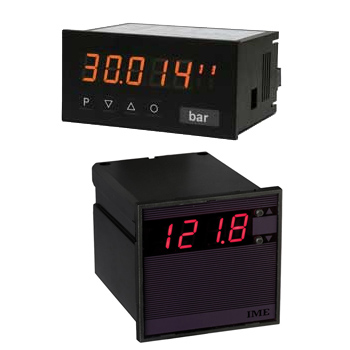
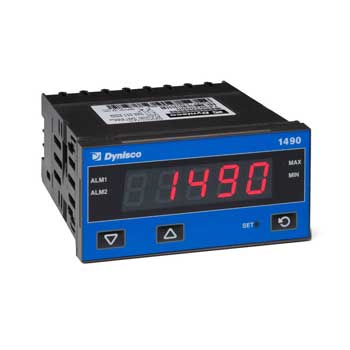
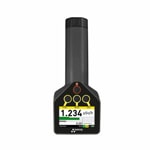
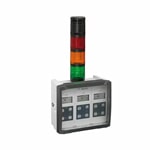
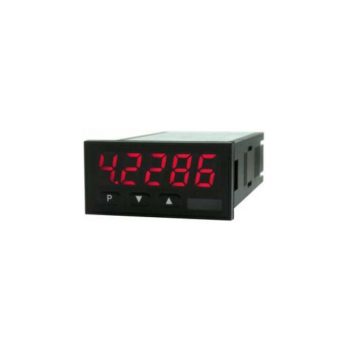
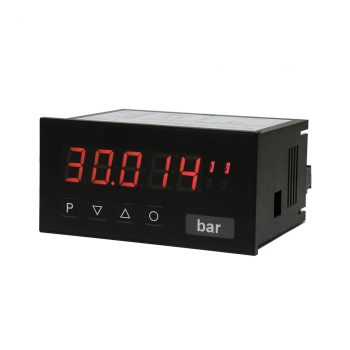
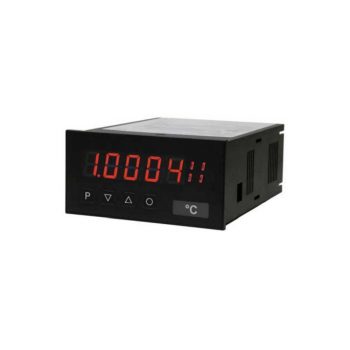
  • 5-digit panel meter in compact 48 × 24 mm format
  • Setpoint generator with freely adjustable range
  • Analog output 0–10 V or 4–20 mA (16 bit)
  • 2 digital inputs for external control
  • Ultra-compact design for space-critical applications
  • Configurable ramp and setpoint functions
  • Operation via front keys or PC software
Datasheet
User Manual

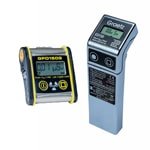
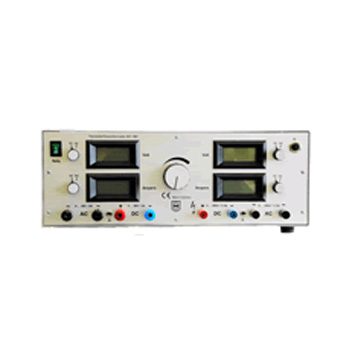
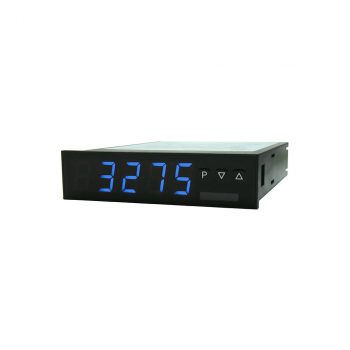
  • 5-digit panel meter in 96 × 24 mm format
  • Setpoint generator with freely adjustable range
  • Analog output 0–10 V or 4–20 mA (16 bit)
  • 2 digital inputs for external control
  • Compact design for panel mounting
  • Configurable ramp and setpoint functions
  • Operation via front keys or PC software
Datasheet

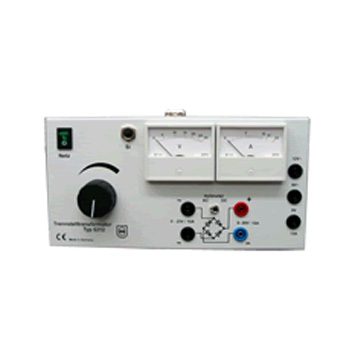
  • 5-digit panel meter in 96 × 48 mm format
  • Setpoint generator with freely configurable adjustment range
  • Analog output 0–10 V or 4–20 mA (16 bit)
  • 2 relay outputs for limit monitoring
  • 2 digital inputs for external control
  • High flexibility through configurable software functions
  • Easy operation via front keys or PC software
Datasheet
User Manual

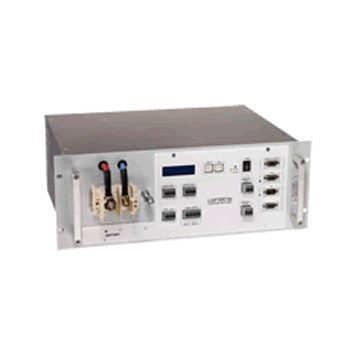
  • 5-digit digital indicator with setpoint generator and Profibus DP interface
  • Setpoint setting and readout via Profibus DP
  • 2 digital inputs (e.g. for external setpoint control)
  • Analog output: 0/4–20 mA or 0–10 V (16-bit)
  • No switching outputs
  • Power supply: 100–240 VAC / 10–40 VDC / 18–30 VAC
  • Sensor supply: 15 VDC / 10 mA
  • Front keypad operation, protection class IP65
  • Display: 5-digit, 14 mm digit height, multicolor
  • Functions: ramp function, step adjustment, default value, access protection
Datasheet
User Manual


Digital Panel Meters as Setpoint Generators

Digital setpoint generators are panel-mounted instruments that produce a freely adjustable setpoint and output it via an analog signal (e.g. 0/4–20 mA or 0–10 V) and optionally via relay contacts. They are intended for control cabinet installation, typically provide front protection up to IP65, and can be parameterized from the front keypad — including setpoint, hysteresis, scaling, and output behavior. Thus, they are suitable as reference value generators for PLCs, controllers, actuators or control systems.

Questions & Answers

What are digital setpoint generators used for?

They are used for manual or automated specification of a setpoint in processes — for example as a reference signal for PLCs, controllers, valves or dosing pumps. They replace potentiometers or analog signal generators with higher precision and stability.

What analog output signals are provided?

Typical output signals are 0/4–20 mA or 0–10 V. These signals can be freely scaled so that the setpoint corresponds to any desired unit — e.g. 0–100 %, 0–10 bar, 0–1000 mm, etc.

How is the setpoint configured?

The setpoint is entered precisely via a front keypad. Decimal point and unit are freely definable. Many devices also allow configuration of hysteresis or window-limits for relay functions.

Are relay outputs available for setpoint limit detection?

Yes — some variants include potential-free relay contacts. These can be configured to switch on setpoint over- or undershoot, or when a defined window range is reached — enabling direct control or alarm signaling.

How stable is the analog output signal?

The output signals are stable and accurate. Digital setpoint generators provide consistent analog signals without drift or wear, as opposed to mechanical potentiometers — ideal for long-term operation and precise control.

What supply voltages are required?

Commonly they operate on 24 VDC (galvanically isolated) or via universal power supplies (e.g. 100–240 VAC). The exact voltage depends on the specific model.

How is device parameterization performed?

Parameterization is done via a front keypad and menu system. Settings include setpoint value, unit, decimal point, scaling, output range, hysteresis or window-limits, and configuration of analog and relay outputs.

What panel mounting sizes are typical?

Digital setpoint generators are typically designed for standard control-cabinet cutouts — e.g. 48×24 mm, 72×36 mm or 96×48 mm — depending on functionality and display format.

Can setpoint generators replace potentiometers?

Yes — they offer advantages over mechanical potentiometers: precise, repeatable setpoint setting, freely configurable scaling, digital output without wear. Mechanical adjustment and mis-settings are avoided.

How can they be integrated into automation or control loops?

Integration is done via their analog output and optionally via relay contacts. Analog output can feed PLC analog input modules, controllers or process systems; relays can serve for switching or alarm functions when setpoints are exceeded or deviated from.

Diese Website benutzt Cookies. Wenn du die Website weiter nutzt, gehen wir von deinem Einverständnis aus.