


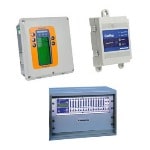
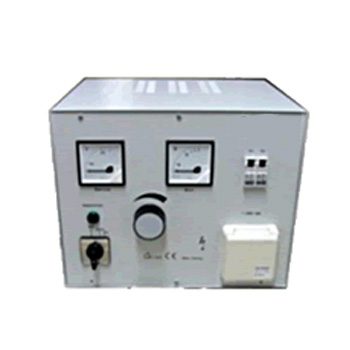
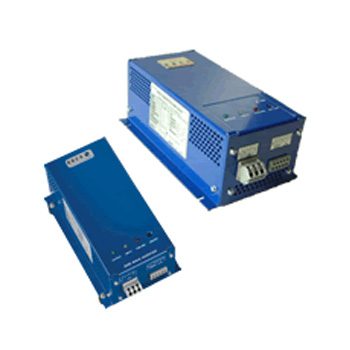
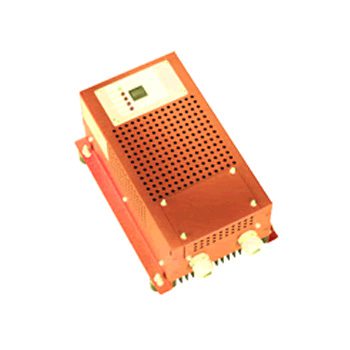




























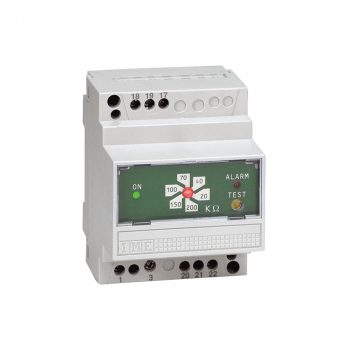
Insulation monitor for IT distribution system
| AUX | 230 Vac |
|---|---|
| OUTPUT | 1 relay with SPDT contact |
| THRESHOLDS | 20…200 kohm |
| FORMAT | 4 DIN modules |
| INPUT | 24...400 Vac |
| TYPE | Insulation monitor for IT distribution system |
 Datasheet Datasheet
|
Insulation monitor for direct current network
| AUX | 230 Vac |
|---|---|
| OUTPUT | 1 relay with SPDT contact |
| THRESHOLDS | 20…200 kohm |
| FORMAT | 4 DIN modules |
| INPUT | 100...160 Vdc |
| TYPE | Insulation monitor for direct current network |
|
Datasheet
|
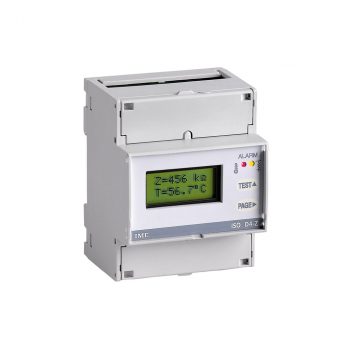
Insulation monitoring for use in medical environment line 230 V
| AUX | 230 Vac |
|---|---|
| OUTPUT | 1 relay with SPST-NO contact (insulation alarm) + 1 relay with SPST-NO contact (temperature or maximum demand alarm) |
| THRESHOLDS | 50…500 kohm |
| FORMAT | 4 DIN modules |
| INPUT | 230 V |
| TYPE | Insulation monitoring for use in medical environment line 230 V |
|
Datasheet
|
INPUT
- Connection: insulation transformer Iso TV (NT699)
- Network voltage: 230V
- Rated frequency: 50Hz
- Working frequency: 47...63Hz
- Insulation measuring circuit current: ≤ 100µA
- External VT temperature: Pt100 2-wire resistance bulb
- Current: connection by CT/5A
- Rated burden input current: ≤ 0,5VA
- Input impedance: > 100kΩ
- Measuring voltage: < 15V
- Display type: LCD
- Digit height: 5mm (2 lines x 8 digit)
- Measurement display2
- : subdivided on 7 pages
- resistance or impedance towards ground + insulation TV temperature
- resistance towards ground1+ capacity towards ground1
- voltage + frequency
- current
- active power + apparent power
- apparent power demand + apparent power max. demand
- phase with lowest impedance towards ground + presence of remote repeaters
- 1 present just if you select the impedance towards ground display
- 2 measurements referred to the secondary winding of the external insulation VT
- Insulation pre-alarm: blinking yellow LED
- Insulation alarm: On yellow LED
- Temperature and / or power pre-alarm: blinking yellow LED
- Temperature and / or power alarm: On yellow LED
- no measuring voltage
- connection breakdown to the equipotential junction
| Datasheet |
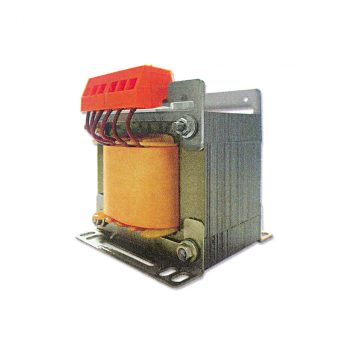
- Used in connection with Iso D4-Z (NT688)
- insulation monitor for a continuous control ofthe insulation towards ground
- Primary voltage 230V
- Secondary voltage 230V
- Rated output 1,5 – 3 – 5 – 7,5 – 10kVA
- According to EN/IEC 61558-2-15: “Particular requirements for isolatingtransformers for the supply of medical locations” Sensor to detect the temperature (Pt100 resistance bulb)
| Datasheet |
