
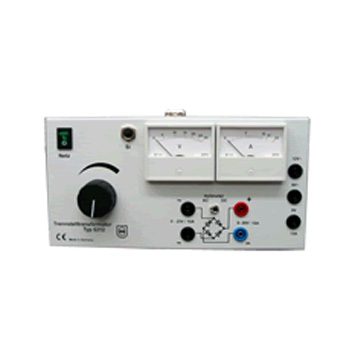
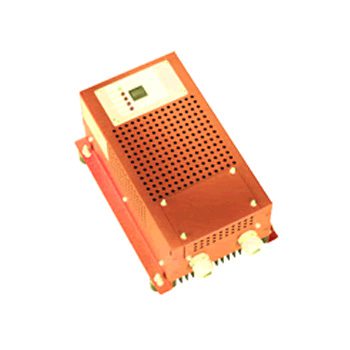


























- Clear and simple user interface
- 0-100A output current
- Current limit mode for fine current control
- True RMS metering with single cycle capture memory ammeter
- Multi-function auto-ranging timing system
- Auxiliary DC and AC output
- Large back-lit liquid crystal display
- Thermal and over-current protection
- Compact and portable
- Automatic mains voltage selection
Datasheet
|
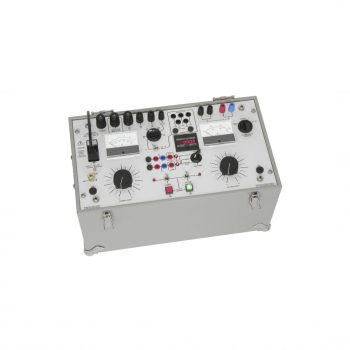
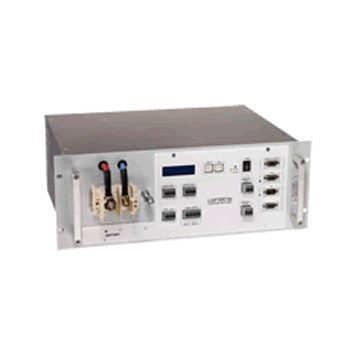
The 200ADM-P is a current injection system with a wide range of advanced features including phase shift, data storage and harmonic analysis.
- 0-200A output current
- True RMS metering with 1 cycle capture
- Variable auxiliary ac voltage/ current output with phase shift
- Auxiliary metering input V, f, Φ, Z, P, S, PF, CT ratio, harmonics & more
- Variable auxiliary output 12-220Vdc
- Multi-function auto-ranging timing system
- Current limit mode for fine control
- Data storage to USB memory key including waveform & harmonics USB keyboard/printer interface
- Automatic mains voltage selection
Datasheet
|
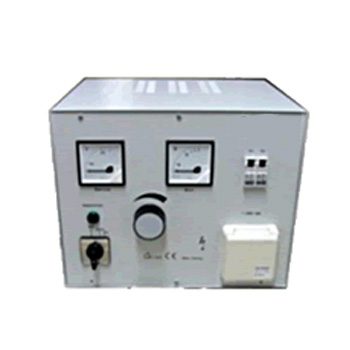
- 0-50A output current
- True RMS metering with 1 cycle capture
- Variable auxiliary AC voltage/current output with phase shift
- Auxiliary metering input V, f, φ, Z, P, S, PF, CT ratio, harmonics
- Variable auxiliary output 12-220VDC
- Multi-function auto-range timing system
- Current limit mode for fine control
- Data storage to USB memory key including waveform & harmonics
- USB keyboard interface
- Automatic mains voltage selection
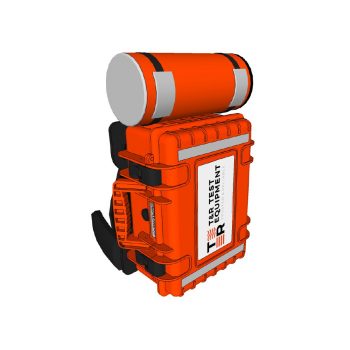
- Optional Backpack System
Datasheet
|
- 0-100A output current
- True RMS metering with single cycle capture
- Auxiliary DC and AC output
- Multi-function auto-ranging timing system
- Current limit mode for fine control
- Automatic mains voltage selection
- Thermal and over-current protection
Datasheet
|
- 0-100A output current
- True RMS metering with single cycle capture
- Auxiliary DC and AC output
- Multi-function auto-ranging timing system
- Current limit mode for fine control
- Automatic mains voltage selection
- Thermal and over-current protection
Datasheet |
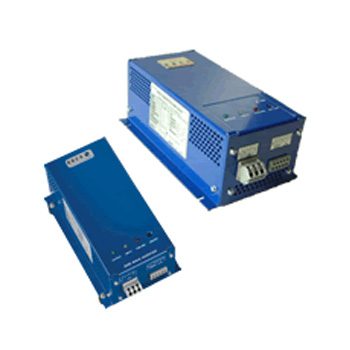
- 0.5 ohms to 1666.5 ohms in 8 steps
- Maximum current 0.2-10A
- Improves current control into low impedance loads
- Particularly suitable for solid state relays
- Can be used as swamping impedance for non-linear loads
- Thermal cut out
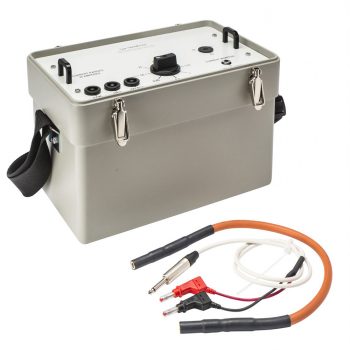
- Forces test current to a sinusoid
- Improves timing accuracy when testing electro-mechanical relays
- 0.25A – 100A ranges
- High overload capability
- 50/60Hz operating frequency
- High efficiency
- 0-50A three phase output
- Clear and simple user interface
- 3 phase current output
- 0-50A per phase output current
- True RMS digital metering
- Memory ammeter
- Multi-function timing system
- Auxiliary metering input
- Large back-lit liquid crystal display
- Thermal and over-current protection
- Compact and portable
- 220V or 400V 3 phase mains supply options
- 115V-440V 3 wire supply with optional supply transformer
Datasheet |
- 0-50A three phase output
- Clear and simple user interface
- 3 phase current output
- 0-50A per phase output current
- True RMS digital metering
- Memory ammeter
- Multi-function timing system
- Auxiliary metering input
- Large back-lit liquid crystal display
- Thermal and over-current protection
- Compact and portable
- 220V or 400V 3 phase mains supply options
- 115V-440V 3 wire supply with optional supply transformer
Datasheet
|
- Clear and simple user interface
- 3-Φ current output
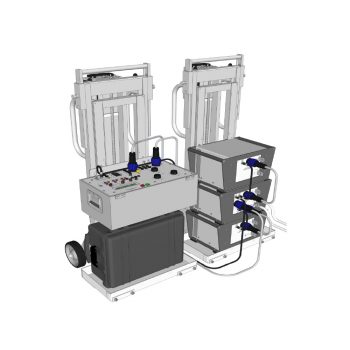
- 0-1200A per phase output current
- True RMS digital metering
- Memory ammeter
- Multi-function timing system
- Auxiliary metering input
- Large back-lit liquid crystal display
- Thermal and over-current protection
- Portable on battery powered stair climbing trolleys
- Maximum power output 13kVA
Datasheet
|
Secondary Testing
Secondary testing refers to tests performed on the secondary circuits — i.e. instrument transformers, protection relays, control wiring and signalling — without applying primary network load. Typical tests include functionality, relay operation, polarity check, transformer ratio check, continuity, insulation, and simulation of fault or trip conditions on the secondary side.
FAQ
What is secondary testing?
Secondary testing involves checking relays, instrument transformers (CT/VT), control circuits and wiring by applying defined test signals without stressing the primary power circuit.
Why perform secondary testing?
It allows quick and low-risk verification of protection, measurement and control circuits, often without interrupting the primary network — useful during maintenance or after modifications.
Which components can be tested?
Protection relays, current and voltage transformers, measurement instruments, secondary wiring, control/automation modules, signal circuits, circuit breakers’ trip units, and associated wiring.
Which parameters or functions are typically tested?
Relay trip timing and function, correct polarity and phasing, transformer ratio accuracy, continuity and wiring correctness, contact resistances, insulation, signal routing, and correct response to simulated fault signals.
What is a typical secondary testing procedure?
Visual inspection and identification → connect test set → inject defined test signal (current, voltage, control signal) → check response (trip, signal, measurement) → record measurements and result → compare with target values → document.
What are the advantages compared to primary testing?
Less effort, no need to load the main system, often no shutdown required, faster, safer and suitable for frequent or routine checks — especially for relays and control circuits.
Which faults can secondary testing detect?
Wiring errors, wrong polarity, incorrect transformer ratio settings, faulty relays, broken or shorted control wires, failed signalling, incorrect measurement readings or relay mis-operation under test conditions.
When should secondary testing be done?
After installation/modification of secondary circuits, after maintenance or component replacement, before commissioning, or periodically for inspections and maintenance cycles.
Who can perform secondary testing?
Qualified technicians or engineers with knowledge of protection and measurement systems, relay testing procedures and relevant safety precautions — usually without need for full HV certification if primary circuit remains isolated.
How should results be documented?
With test reports including device identification, date, test method, applied signals, measurements, outcomes, evaluation and responsible personnel — to maintain traceability and support audits or maintenance history.
Which safety precautions apply?
Ensure that primary circuit remains isolated if required, prevent unintended energisation, use suitable test equipment, mark test wiring clearly and follow standard safety and testing protocols.
Can secondary testing be automated or software-supported?
Yes — many modern test systems support automated test sequences, data logging, digital report generation and test history management, increasing efficiency and reliability.
Is secondary testing sufficient for full protection validation?
For many tasks yes — for relay function, measurement accuracy or control logic. But for complete protection verification under real fault currents, a complementary primary test is recommended.
What are limitations of secondary testing?
It does not test the primary circuit, line impedance, insulation under load, grounding system or real short-circuit behavior. Some latent defects under high load may not be revealed.
How often should secondary testing be done?
Whenever secondary circuits are modified or refurbished; before commissioning; after relay or transformer changes; and periodically as part of maintenance, depending on system criticality.
How to manage test plans and results?
With structured test protocols, databases or test/data-management software to ensure repeatability, traceability and comprehensive documentation across the asset life cycle.


Datasheet