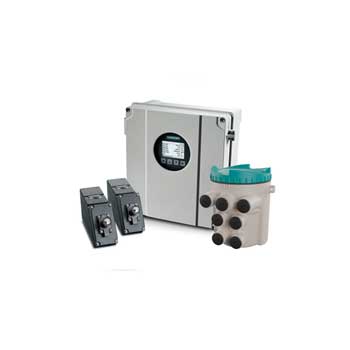
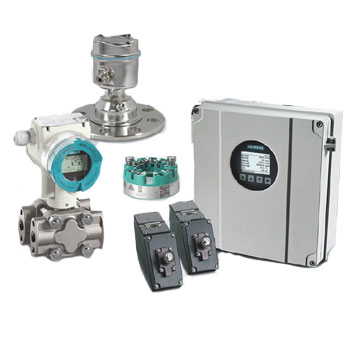
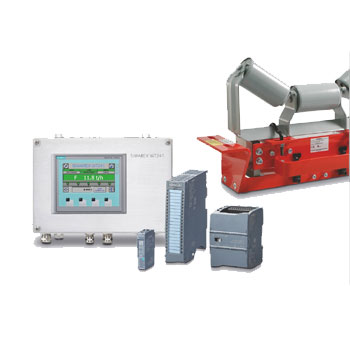
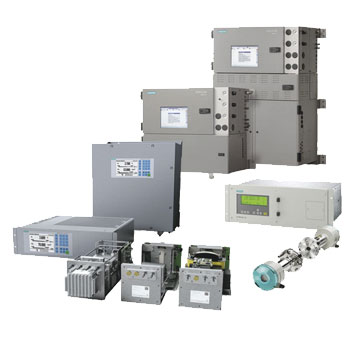
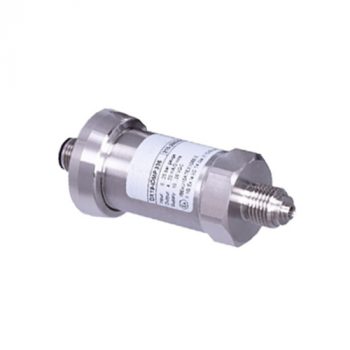
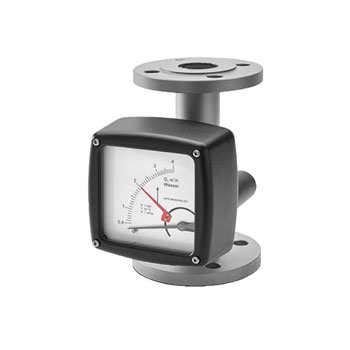
Siemens Flow Measurement – Field Devices for Process Automation

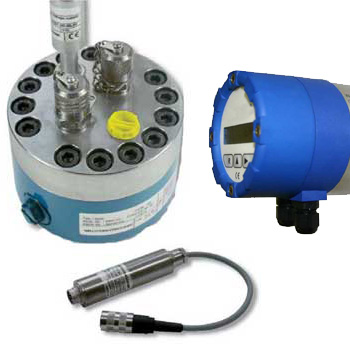
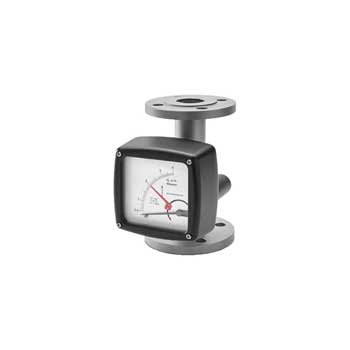
Siemens flow measurement devices determine volume or mass flow of liquids, gases and steam in industrial processes. Depending on the application, electromagnetic, Coriolis, ultrasonic clamp-on, vortex and differential pressure flowmeters are used. The instruments are designed for harsh environments, provide high accuracy, integrated diagnostics and support common communication protocols for seamless integration into modern automation and control systems.

Questions & Answers on Siemens Flow Measurement

Which measurement principles are used in Siemens flowmeters?

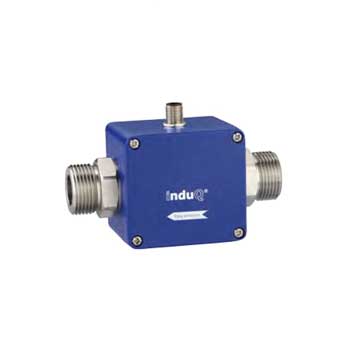
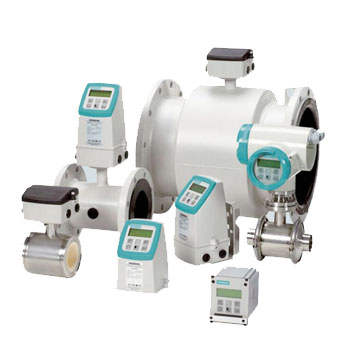
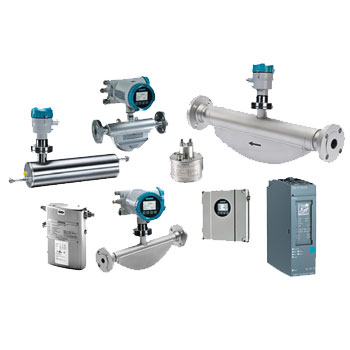
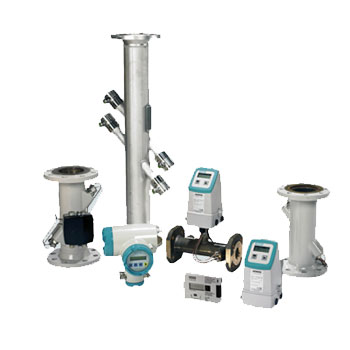
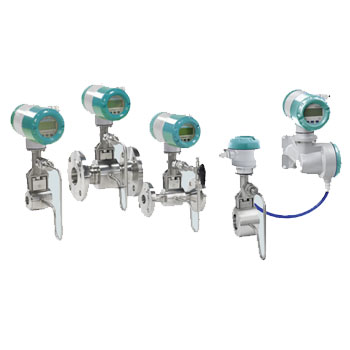
The portfolio includes electromagnetic flowmeters for conductive liquids, Coriolis mass flowmeters for liquids and gases, clamp-on ultrasonic devices for non-intrusive liquid measurement, as well as vortex and differential pressure systems for liquids, gases and steam.

For which media are the different flow technologies suitable?

Electromagnetic flowmeters are ideal for conductive liquids, Coriolis meters for liquids and gases with high accuracy, clamp-on ultrasonic systems for liquids in existing pipelines, and vortex meters particularly for steam, compressed air and technical gases.

What is the difference between volume and mass flow measurement?

Volume flow measurement determines the transported volume per unit time, whereas mass flow measurement determines the actual mass flow in kilograms or tonnes per hour. Coriolis devices measure mass flow directly, while volumetric devices can be combined with density to calculate mass.

Why is conductivity important for electromagnetic flowmeters?

Electromagnetic flowmeters require a minimum conductivity of the liquid to generate a stable measuring signal. Water-based media with sufficient conductivity are well suited, while non-conductive fluids such as many hydrocarbons are not suitable.

Which installation conditions are critical for reliable flow measurement?

Key aspects are sufficient straight inlet and outlet lengths, a stable and symmetrical flow profile, avoiding air or gas pockets in liquid lines, and ensuring full pipe conditions for volumetric meters.

Can Siemens flowmeters measure bidirectionally?

Many devices are designed for bidirectional measurement and capture both forward and reverse flow, which is beneficial in applications with flow reversal, backflushing or changing load conditions.

Which communication interfaces do Siemens flowmeters support?

Depending on the device type, analogue 4–20 mA signals, HART, Profibus PA/DP, Profinet, Modbus and further Ethernet-based protocols are available to integrate flowmeters into PLC and DCS environments.

How is the accuracy of Siemens flowmeters specified?
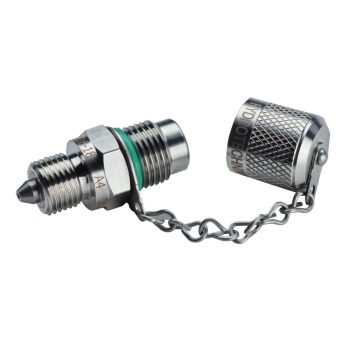
Accuracy is typically stated as a percentage of the measured value or of the full-scale range. Depending on the principle and device class, highly accurate meters for custody transfer or dosing and robust devices for process monitoring are available.

What are the main advantages of Coriolis flowmeters?
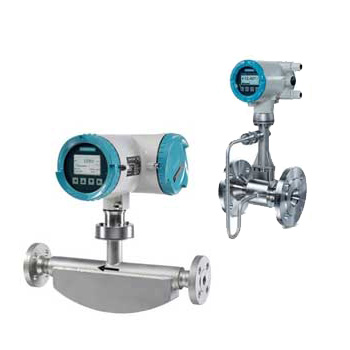
Coriolis flowmeters provide direct mass flow measurement and often additional parameters such as density and temperature. They are largely independent of changes in pressure, temperature and viscosity and therefore suitable for demanding process and billing applications.

When is a clamp-on ultrasonic flowmeter the best choice?

Clamp-on devices are mounted on the outside of the pipe and do not come into contact with the medium. They are especially useful for retrofitting on existing lines, for aggressive or hard-to-handle fluids and for temporary measurements or verification of existing flowmeters.

How do integrated diagnostics help to improve plant availability?

Integrated diagnostics monitor sensor condition, signal quality, filling conditions and sometimes process-related phenomena such as cavitation or gas content. Deviations are detected early, allowing maintenance to be planned and unscheduled downtime to be reduced.

Which criteria are important when selecting a suitable flowmeter?

Important criteria include the type and properties of the medium, temperature and pressure range, pipe size, required measuring range and accuracy, installation constraints, necessary approvals (e.g. hazardous area, hygienic, custody transfer) and the required communication interfaces.

Are there hygienic versions for food, beverage and pharmaceutical processes?

Hygienic flowmeters feature crevice-free designs, hygienic process connections, suitable materials and surface finishes, as well as CIP/SIP resistance to meet stringent sanitary requirements.

How are Siemens flowmeters calibrated?
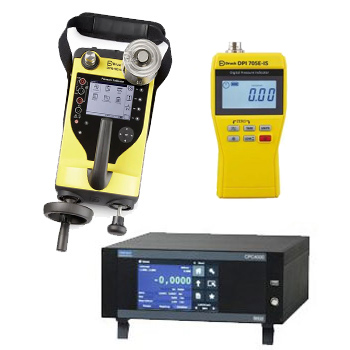
The devices are calibrated at the factory using suitable reference standards. Depending on the quality requirements, test reports or traceable calibration certificates can be provided. Regular re-calibration can be performed on-site or in specialized calibration facilities.

How do flow measurements support energy and media balancing?
Accurate flow data are essential for consumption monitoring, cost allocation, efficiency analysis and optimization of processes. Combined with temperature and pressure, flow measurement also enables more precise energy balancing of heat and utility systems.

Are Siemens flowmeters available for hazardous areas?

For use in hazardous atmospheres, versions with appropriate explosion protection approvals are available. Depending on the measurement principle, different protection concepts are offered and must be considered during specification and installation.

Diese Website benutzt Cookies. Wenn du die Website weiter nutzt, gehen wir von deinem Einverständnis aus.