


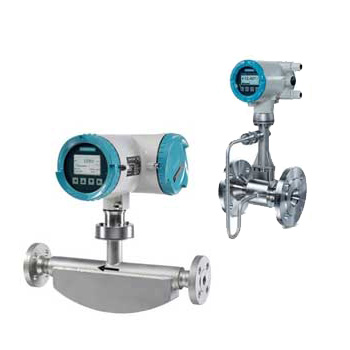
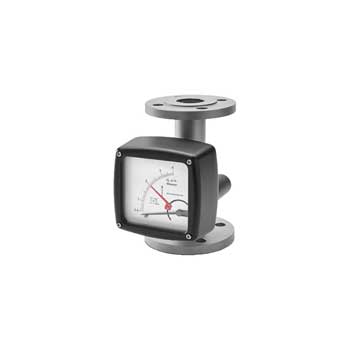
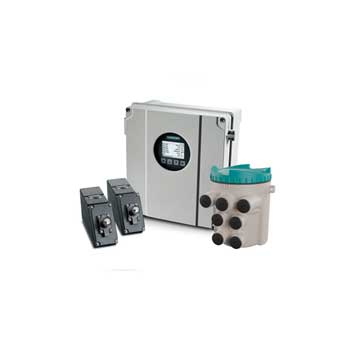
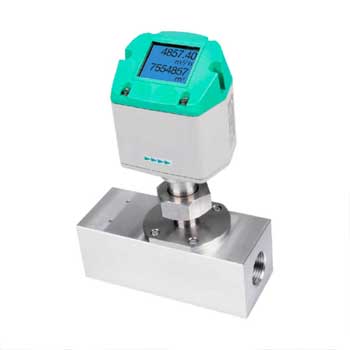
































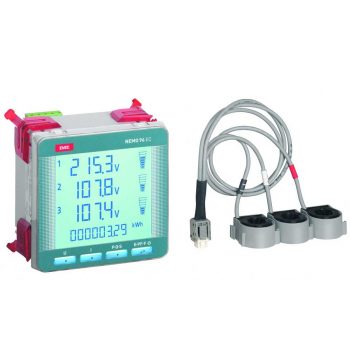
| CURRENT | 3x63A |
|---|---|
| NUMERO INGRESSI | 1 |
| VOLTAGE | 400 V (L-L) |
| ALIMENTAZIONE AUSILIARIA | autoalimentato |
| USCITA COMUNICAZIONE | Modbus |
| FORMAT | Da incasso (96x96 mm) |
 Datasheet Datasheet
|
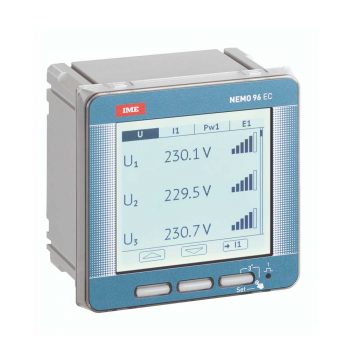
| CURRENT | 3x630/1600/3200/6300A |
|---|---|
| NUMERO INGRESSI | 1 |
| VOLTAGE | 400 V (L-L) |
| ALIMENTAZIONE AUSILIARIA | autoalimentato |
| USCITA COMUNICAZIONE | Mobus |
| FORMAT | Da incasso (96x96 mm) |
|
Datasheet
|
|
User manual
|
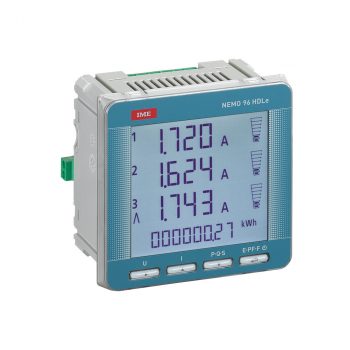
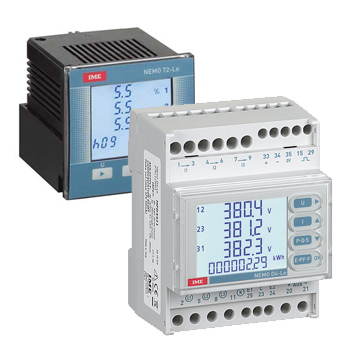
Network monitor for l.v. application with active energy count and harmonic analysis up to the 50th
| AUX | 11...60 Vdc |
|---|---|
| OUTPUT | pulses (Wh o varh)+RS485 communication, protocol JBUS/MODBUS |
| FORMAT | 96x96 mm |
| CURRENT | 1 and 5 A |
| VOLTAGE | 80...500 V (phase-phase) |
| VOLTAGE OPTIONS | direct or from VT (programmable ratio) |
| CURRENT OPTIONS | from dedicated CT (programmable ratio) |
| TYPE | Network monitor for l.v. application with active energy count and harmonic analysis up to the 50th |
| MAIN | single-phase or three-phase 3/4 wire unbalanced load |
| DISPLAY | LCD rear-lighted |
| Datasheet |
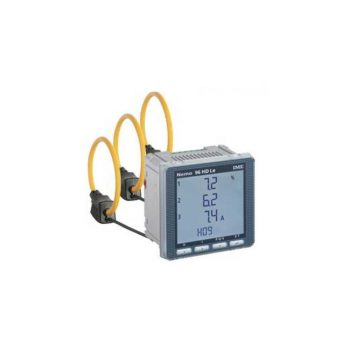
- 3-phase line 80...500V (phase-phase)
- Connection on dedicated CT
- Programmable external CT and VT ratio
- Active energy class 0,5
- Pulse output
- RS485 communication
- Phase sequence correction, diagnostic
| Datasheet |
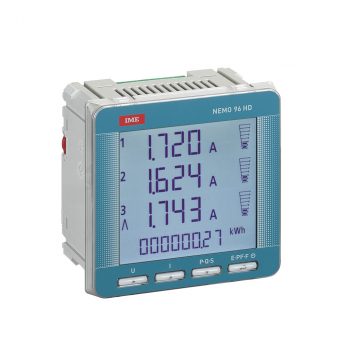
Network monitor for l.v. application with active (cl.0,5) and reactive (cl.2) energy count on 4 quadrants
| AUX | 80...265 Vac/110...300 Vdc |
|---|---|
| OUTPUT | for 4 plug-in optional modules |
| FORMAT | 96x96 mm |
| CURRENT | 1 and 5 A |
| VOLTAGE | 80...500 V (phase-phase) |
| VOLTAGE OPTIONS | direct or from VT (programmable ratio) |
| CURRENT OPTIONS | from dedicated CT (programmable ratio) |
| TYPE | Network monitor for l.v. application with active (cl.0,5) and reactive (cl.2) energy count on 4 quadrants |
| MAIN | single-phase or three-phase 3/4 wire unbalanced load |
| DISPLAY | LCD rear-lighted |
|
Datasheet
|
|
User Manual
|
Network monitor for l.v./m.v. application with active energy count and harmonic analysis up to the 50th
| AUX | 11...60 Vdc |
|---|---|
| OUTPUT | for 4 plug-in optional modules |
| FORMAT | 96x96 mm |
| CURRENT | 1 and 5 A |
| VOLTAGE | 80...690 V (phase-phase) |
| VOLTAGE OPTIONS | direct or from VT (programmable ratio) |
| CURRENT OPTIONS | from CT (programmable ratio) |
| TYPE | Network monitor for l.v./m.v. application with active energy count and harmonic analysis up to the 50th |
| MAIN | single-phase or three-phase 3/4 wire unbalanced load |
| DISPLAY | LCD rear-lighted |
|
Datasheet
|
|
User Manual
|
