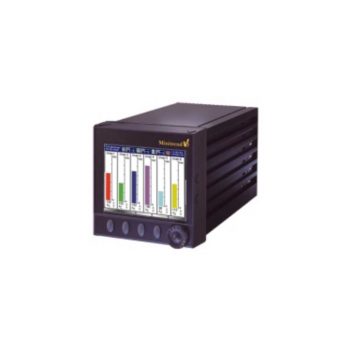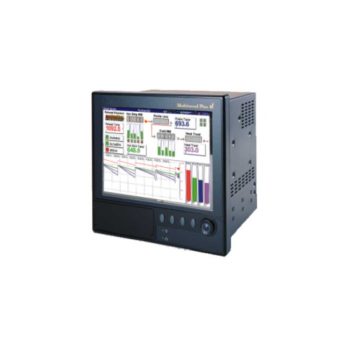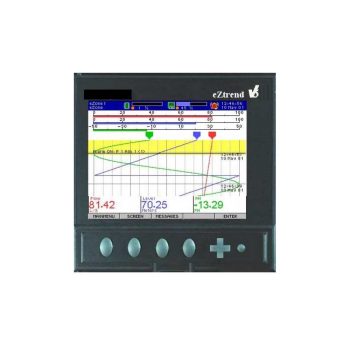
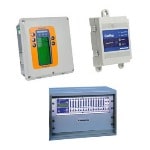
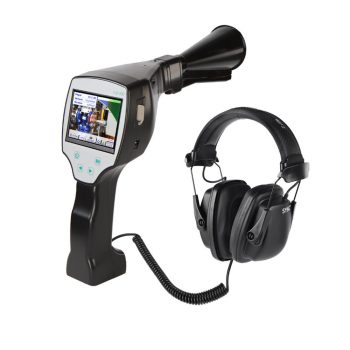
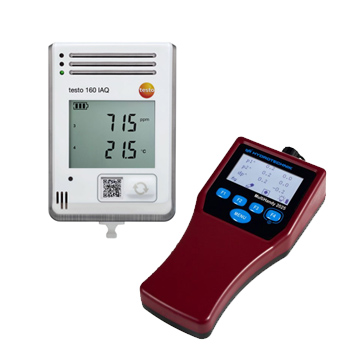
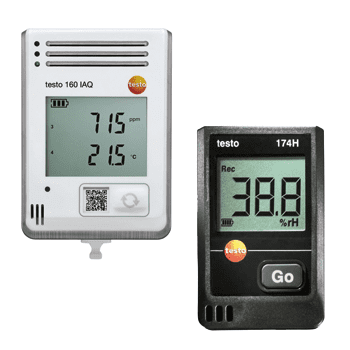
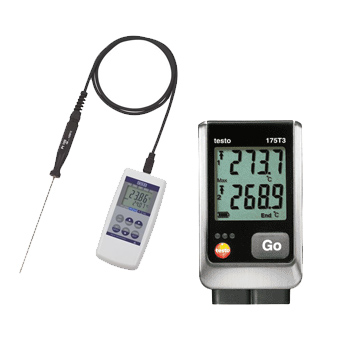
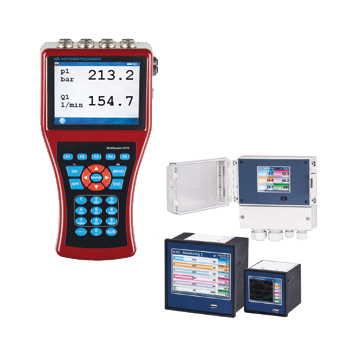
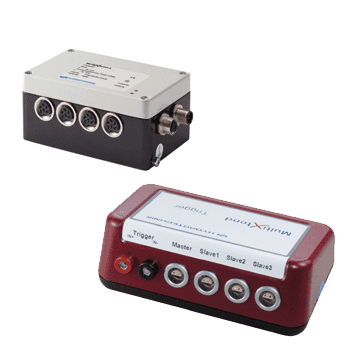
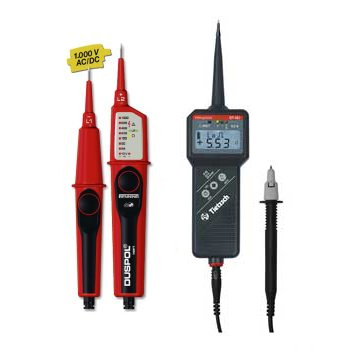













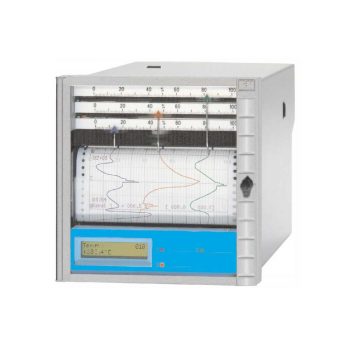
Line recorder and multi-point printer

Datasheet

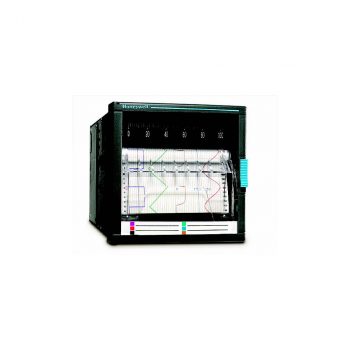
Universal compact recorder, 1 to 6 analogue inputs, with automatic wind up system for 58 m roll chart paper

Datasheet

provides flexible, general-purpose electronic data recording in a DIN standard 144mm format recorder

Datasheet

flexible, general-purpose electronic data recording in a DIN standard 144mm format recorder.

Datasheet

cost effective, electronic data recording in a compact DIN size recorder

Datasheet

paperless Multi Channel Recorder Display

Datasheet


Recorders / Logging Devices

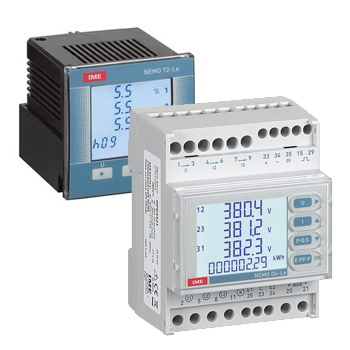
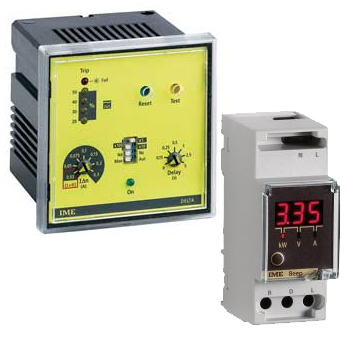
A recorder or logging device is a measurement unit that records measurement values (e.g. voltage, current, energy, power, temperature or other process parameters) over time — continuously or at defined intervals — and logs them for later evaluation. In switchgear or control-cabinet contexts, such devices enable long-term data storage: useful for monitoring, load profiling, consumption tracking or fault analysis. These recorders are typically designed as DIN-rail modules or panel units for easy integration into existing measurement or energy-management systems.

With a logging device, historical data such as energy usage, voltage fluctuations, current peaks or other important indicators can be captured, stored and later analyzed — providing transparency over operational conditions and enabling optimization, diagnostics or documentation of installations or distribution systems.

Questions & Answers on Recorders / Logging Devices

What is a recorder / logging device?

A device that records and stores measurement data over time — for example energy consumption, power, voltage, current or other measurable parameters — for later evaluation or archiving.

What are typical use cases?

Long-term monitoring, load and consumption profiling, energy or power tracking, facility monitoring, fault diagnosis, energy audits or historical analysis of systems.

Which parameters can be logged?

Depending on the device: energy, power, current, voltage, power factor, network parameters — or other process measurements like temperature or environmental data, if connected sensor inputs exist.

How are data stored?

Internally in the device’s memory, on external media (e.g. SD-card), as pulses, or transmitted via interface to higher-level data acquisition or building management systems — depending on the configuration.

How is the device installed?

Usually as a DIN-rail mounted module or panel-inserted device; measurement inputs are wired to sensors or circuits, and data output or storage is connected accordingly.

Why use a logging device?

Because it provides time-based data and historical records — not just instantaneous values — which are crucial for energy audits, load balancing, trend analysis, fault detection, cost tracking or system optimization.

Can one device monitor multiple circuits or measurements?

Yes — many recorders support multiple inputs, allowing simultaneous logging of several variables or circuits.

Who benefits most from using such devices?

Facility managers, industrial operators, building automation, energy managers, maintenance teams, or any installation where consumption, load, performance or quality needs continuous monitoring and documentation.

Are there drawbacks or considerations?

Storage capacity or data interface must be adequate; regular evaluation and maintenance may be required; for simple applications the effort might be disproportionate compared to benefits.

Diese Website benutzt Cookies. Wenn du die Website weiter nutzt, gehen wir von deinem Einverständnis aus.