
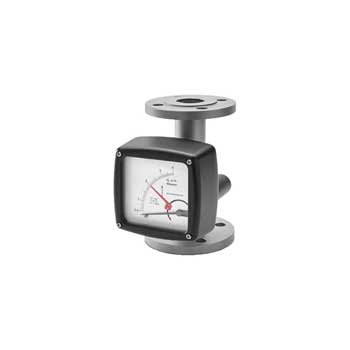
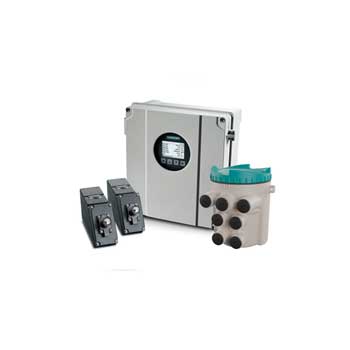
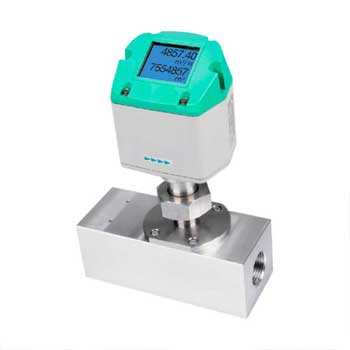
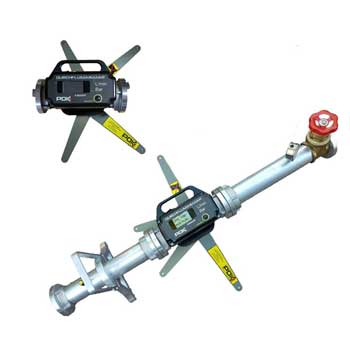
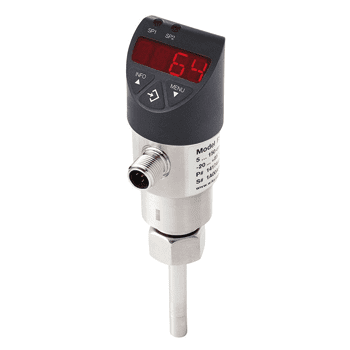
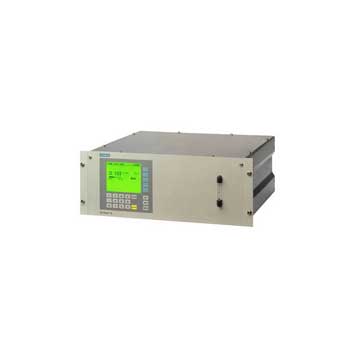
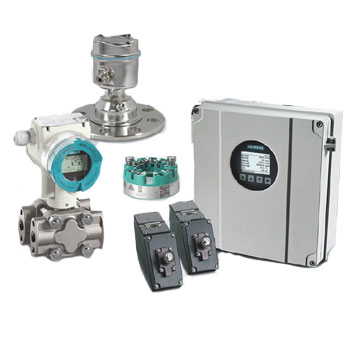
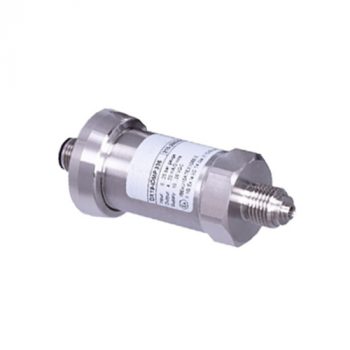
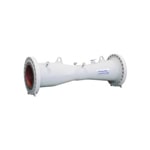
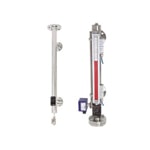
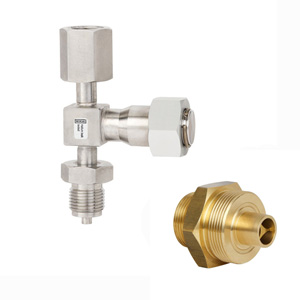























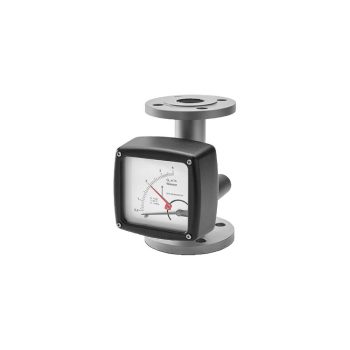
SITRANS FVA 250 Variable Area Flowmeter, made completely for metal, for measurement of liquids and gases.


Datasheet
User Manual


Variable-Area Flow Measurement (Float / Rotameter)

Variable-area flowmeters use a conical tube and a freely moving float. As the medium flows upward through the tube, the float rises until the forces of buoyancy and drag balance its weight. The vertical float position corresponds to the flow rate and can be read directly on a scale. This simple and robust technology is suitable for liquids and gases, especially at low to medium flow rates.

Questions & Answers on Variable-Area Flowmeters

How does a variable-area flowmeter work?

A float moves freely inside a conical tube. As the flow increases, the float rises until equilibrium between weight, buoyancy and flow forces is reached.

Which media can be measured?

These flowmeters are suitable for clean liquids and gases with low to medium viscosity.

Why must the device be installed vertically?

The float relies on upward flow to establish a stable measurement position based on gravity and flow forces.

What is the typical measurement range?

The measuring range typically spans about 1:10 to 1:12, making the devices suitable for small to medium flow rates.

Is an external power supply required?

Mechanical versions operate without electrical power.

Which materials are available?

Tubes may be made of glass, plastic or metal. Metal designs are preferred for higher pressures, temperatures or demanding media.

How do density and viscosity affect the reading?

Density and viscosity influence buoyancy and drag forces, so the instrument must be calibrated for the intended medium.

Is the flow rate displayed immediately?

Yes, the float's position can be read directly on the scale without delay.

Are remote signal outputs available?

Yes, metal versions can incorporate magnetic detection and transmitters for analogue or digital outputs.

What maintenance is required?

Minimal maintenance is needed due to the simple mechanical design; inspection and occasional cleaning are usually sufficient.

What are the limitations?

The principle is less suitable for highly viscous, particle-laden or strongly fluctuating media.

Can aggressive media be measured?

Yes, provided the materials are selected for chemical compatibility and temperature/pressure requirements.

Can very low flow rates be measured?

Yes, glass-tube rotameters are widely used for precise low-flow applications.

How is the scale calibrated?

The scale is matched to the float and medium so that the reading corresponds directly to volumetric flow.

Can the device measure bidirectional flow?

No, the measurement works only with upward flow direction.

Diese Website benutzt Cookies. Wenn du die Website weiter nutzt, gehen wir von deinem Einverständnis aus.