



































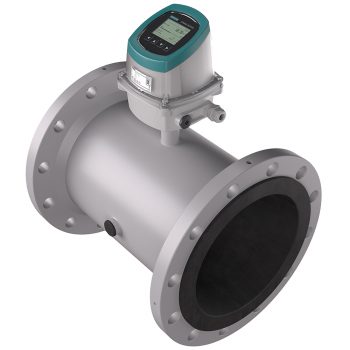
- Zero Up and Zero Down installation capabilities
- EPDM lining specifically for drinking water applications requiring special approvals
- NBR rubber liner for all water and wastewater applications
- Increased low flow accuracy for water leak detection
- Suitable for underground installation and permanent immersion (IP68) or underwater installation
- Integrated grounding electrodes - no grounding rings required for many applications
- Short delivery time
- Connected to the SITRANS FMT020 transmitter, it forms the magnetic flowmeter system SITRANS FM520: • SENSORPROMTM Technology provides an automatic upload of start-up settings and calibration data for easy commissioning • Plug & Play - allows easy on-site replacement and commissioning of the transmitter in just a few minutes • Mounting flexibility - compact or remote installation possible • Validated calibration ensures accurate flow measurement. Each Siemens flowmeter is calibrated in facilities that are individually accredited to ISO / IEC 17025. • Service and diagnostics - Designed to allow in-situ verification for easy performance check
 Datasheet Datasheet |
| User Manual |
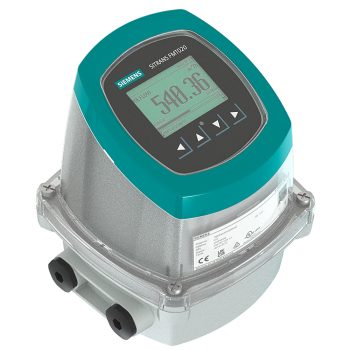
- Simultaneously measure volumetric flow, flow velocity and electrical conductivity
- Cost-effective solution, backward compatible with older existing flowmeter sensors (MAG 5100W)
- Equipped with a large, rotatable, backlit 14-digit graphical display for optimal visibility in all mounting positions
- Easy programming and commissioning with menu and wizard in 13 languages
- Compact or remote mounting possible with the same housing.
- Enhanced diagnostics like empty-pipe monitoring and device self-check
- Plug & Play modules allow easy on-site replacement and commissioning of the transmitter in just minutes
- Multi-functional input/output channels for process control
| Datasheet |
| User Manual |
-
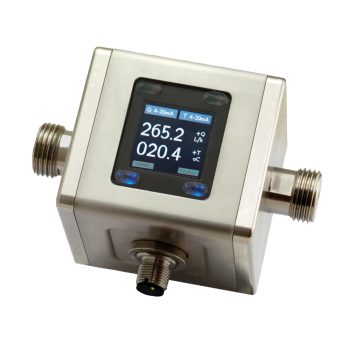
Connection ½”, ¾”, 1”, 2”
-
Flow- and temperature measurement
-
IO-Link communication
-
Dosing function with external control output
-
Colored, multi-parameter configurable TFT display, rotatable 90°
-
Bidirectional measuring
-
Intuitive setup menu via 4 optical touch keys
-
2 freely configurable outputs
-
All-metal design: stainless steel
-
Included in Quick Ship Program (delivery time see PIA LCP)
|
Datenblatt
|

- Robust metal housing for high temperatures and pressures
- wide measuring range 1:60 (1:50) and very good measuring accuracy
- frequency or analogue and frequency output
- supplied with SIKA works calibration certificate
| Datasheet |
| User Manual |

- Cost-optimized plastic design
- compact lightweight construction
- especially for series applications
- best price-performance ratio
| Datasheet |
| User Manual |
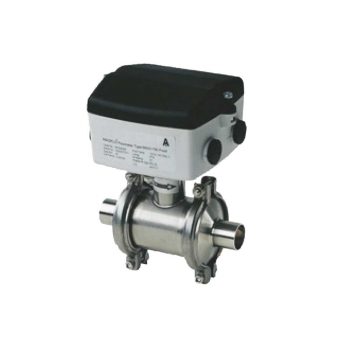
- Flexible and unique process connections
- Standard liner options that fully cover the food and beverage applications
- Short delivery time on standard process connections
- Sanitary design for CIP/SIP cleaning
- SITRANS FM portfolio – our integrated platform enables flexible use of the MAG 500 / 6000 transmitter for all products (MAG 5100 /3100/ 1100): • Unique SensorProm technology - stores critical, sensor-specific data and passes it to the transmitter. This allows a simple, flexible commissioning of the sensor. • Plug & Play - allows easy on-site replacement and commissioning of the transmitter in just minutes • "Hot swapable" - exchangeable during operation • Mounting flexibility - compact or separate installation possible • Validated calibration ensures accurate flow measurement. Each Siemens flowmeter is calibrated in facilities that are individually accredited to ISO / IEC 17025. • Service and diagnostics - Designed for MAG on-site verification with traceable certification. Regular calibration of the SITRANS FM Verificator ensures accuracy in the field.
 Datasheet Datasheet |
| User Manual |
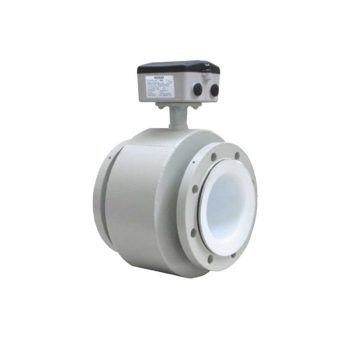
SITRANS FM MAG 3100 P Full-bore electromagnetic flow sensor, flanged, diameter DN 15 to DN 300 (1/2" to 12"). Suitable for volume flow measurement of liquids (conductive), main applications in chemical industry, process industry, pulp & paper, industrial wastewater.

| Datasheet |
| User Manual |

SITRANS FM MAG 5100 W Electromagnetic flow sensor, flanged, diameter DN 15 to DN 1200 (1/2" to 48"). Suitable for volume flow measurement of liquids (conductive) , for applications in water abstraction, water & wastewater treatment, water distribution networks, custody transfer metering.
| Datasheet |
| User Manual |
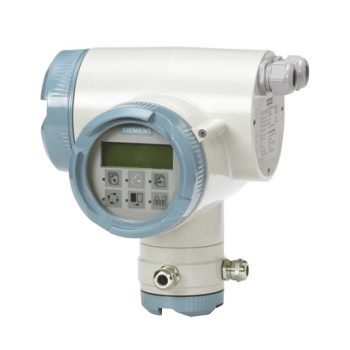
SITRANS FM MAG 6000i Electromagnetic flow transmitter, works with sensors of type MAG 1100, MAG 3100 and MAG 5100W. Suitable for volume flow measurement of liquids (conductive), die-cast aluminium enclosure. . Remote transmitter Die cast aluminium Processing code Standard transmitter: 18-90 V DC, 115-220 V AC 50/60 Hz Standard sensor: FM Class I, Div 2, CSA Class I,Div 2 Local Display No Communication . Metric
| Datasheet |
| User Manual |
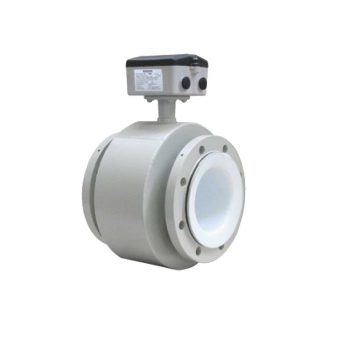
SITRANS FM Transmag 911/E Full-bore electromagnetic flow sensor, flanged, diameter DN 15 to DN 1000 (1/2" to 40"), AC-excited. Suitable for volume flow measurement of liquids (conductive), for use in heavy-duty applications like pulp & paper stock over 3%, mining slurries with magnetic particles.
|
Datasheet
|
|
User Manual
|
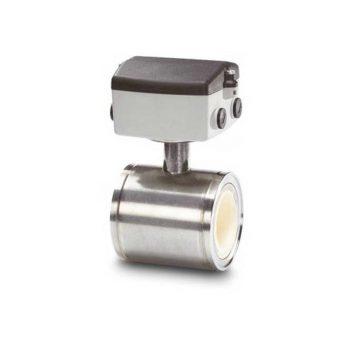
SITRANS FM MAG 1100 is a sensor in stainless steel with highly resistant liners and electrodes which fit even the most extreme process media.
| Datasheet |
| User Manual |
SITRANS FM MAG 1100 is a sensor in stainless steel with highly resistant liners and electrodes which fit even the most extreme process media. For high temperatures.
| Datasheet |
| User Manual |
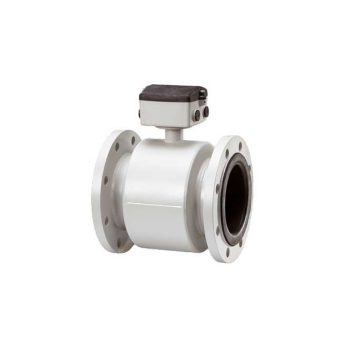
SITRANS FM MAG 3100 is an electromagnetic flow sensor with a large variety of liners, electrode material and with grounding electrodes as standard, all this ensures a perfect fit for almost every flow application.
| Datasheet |
| User Manual |
SITRANS FM MAG 3100 is an electromagnetic flow sensor with a large variety of liners, electrode material and with grounding electrodes as standard, all this ensures a perfect fit for almost every flow application. For high temperatures.
| Datasheet |
| User Manual |
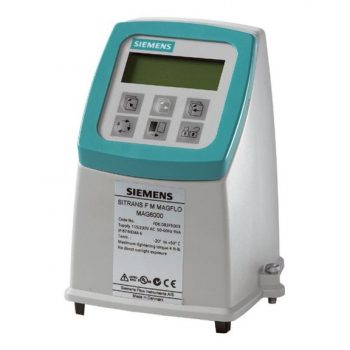
The MAG 5000 and 6000 are transmitters engineered for high performance, easy installation, commissioning and maintenance. The transmitters evaluate the signals from the SITRANS F M sensors type MAG 1100, MAG 1100 F, MAG 3100, MAG 3100 P and MAG 5100 W.
Transmitter types:
- MAG 5000: Max. measuring error ± 0.4 % ± 1 mm/s (incl. sensor)
- MAG 6000: Max. measuring error ± 0.2 % ± 1 mm/s (incl. sensor, see also sensor specifications) and with additional features such as: “plug & play” add-on bus modules; integrated batch functions.
|
Datasheet
|
|
User Manual
|
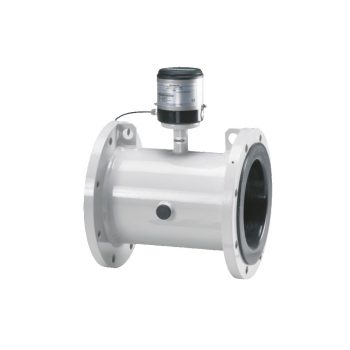
- Flexible installation - IP68 (NEMA 6P) compliance allows installation in soil or underwater
- Low pressure loss and excellent leak detection
- Optimized lining allows good metering performance with low flow
- No maintenance - no moving parts and battery life of up to 15 years
- Maximum freedom in installations with low inlet and outlet distances
- Approved for MID-001 without defined length of inlet and outlet
- Remote access possible - running flow data through optional wireless 3G / UMTS communication module
| Datasheet |
| User Manual |
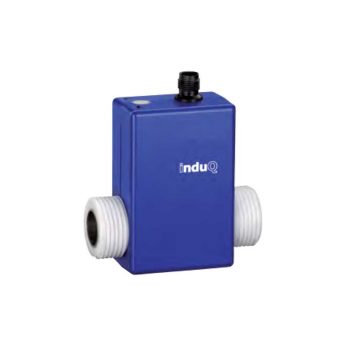
The magnetic-inductive flow sensor is for example used in applications such as
- Water and wastewater
- Mining, cement and minerals
- Pulp and paper industry
- Steel industry
- Energy industry and supply utilities
- Agriculture
|
Datasheet
|
|
User Manual
|
The magnetic-inductive flow sensor is for example used in applications such as
- Water and wastewater
- Mining, cement and minerals
- Pulp and paper industry
- Steel industry
- Energy industry and supply utilities
- Agriculture
|
Datasheet
|
|
User Manual
|
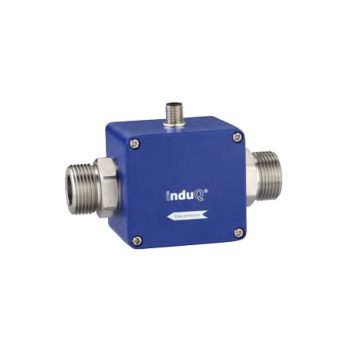
The magnetic-inductive flow sensor is for example used in applications such as
- Water and wastewater
- Mining, cement and minerals
- Pulp and paper industry
- Steel industry
- Energy industry and supply utilities
- Agriculture
|
Datasheet
|
|
User Manual
|
The magnetic-inductive flow sensor is for example used in applications such as
- Water and wastewater
- Mining, cement and minerals
- Pulp and paper industry
- Steel industry
- Energy industry and supply utilities
- Agriculture
|
Datasheet
|
|
User Manual
|
The magnetic-inductive flow sensor is for example used in applications such as
- Water and wastewater
- Mining, cement and minerals
- Pulp and paper industry
- Steel industry
- Energy industry and supply utilities
- Agriculture
|
Datasheet
|
|
User Manual
|
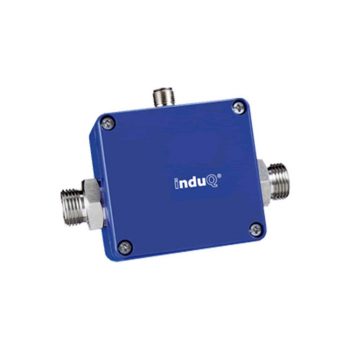
The magnetic-inductive flow sensor is for example used in applications such as
- Water and wastewater
- Mining, cement and minerals
- Pulp and paper industry
- Steel industry
- Energy industry and supply utilities
- Agriculture
|
Datasheet
|
|
User Manual
|
The magnetic-inductive flow sensor is for example used in applications such as
- Water and wastewater
- Mining, cement and minerals
- Pulp and paper industry
- Steel industry
- Energy industry and supply utilities
- Agriculture
|
Datasheet
|
|
User Manual
|
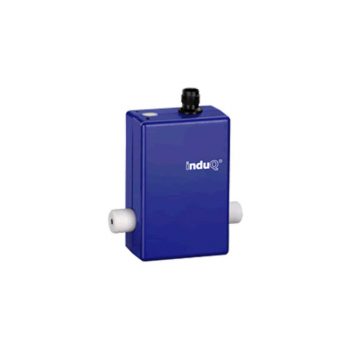
The magnetic-inductive flow sensor is for example used in applications such as
- Water and wastewater
- Mining, cement and minerals
- Pulp and paper industry
- Steel industry
- Energy industry and supply utilities
- Agriculture
|
Datasheet
|
|
User Manual
|
The magnetic-inductive flow sensor is for example used in applications such as
- Water and wastewater
- Mining, cement and minerals
- Pulp and paper industry
- Steel industry
- Energy industry and supply utilities
- Agriculture
|
Datasheet
|
|
User Manual
|
The magnetic-inductive flow sensor is for example used in applications such as
- Water and wastewater
- Mining, cement and minerals
- Pulp and paper industry
- Steel industry
- Energy industry and supply utilities
- Agriculture
|
Datasheet
|
|
User Manual
|
