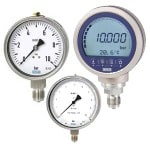
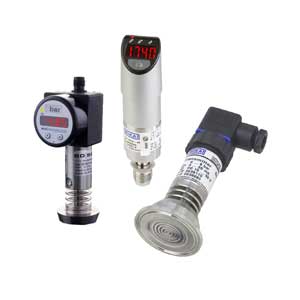
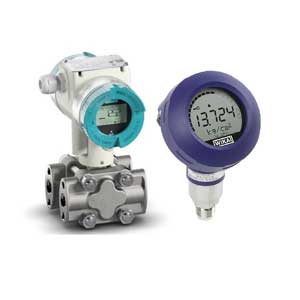
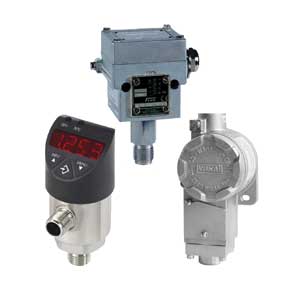
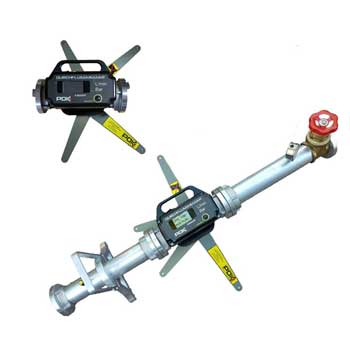
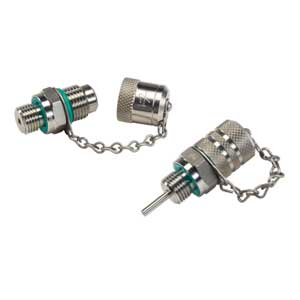
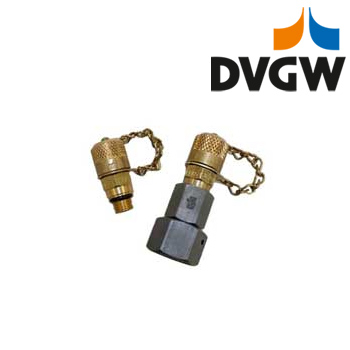
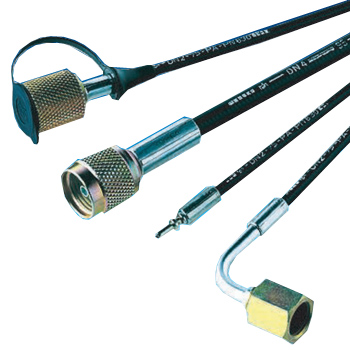
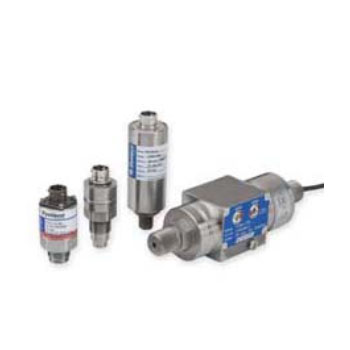
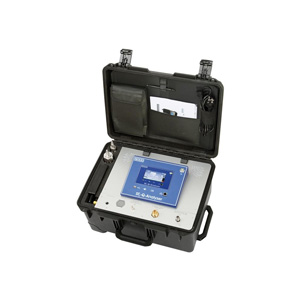
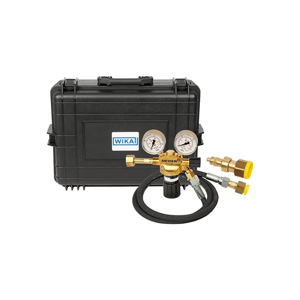
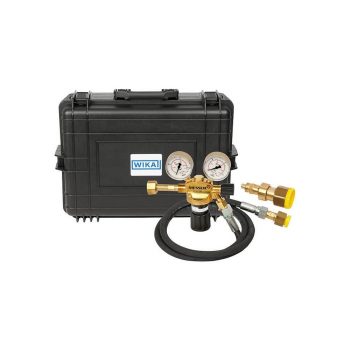
- Compact and in a robust transport case
- 100 % tested for leak tightness
- Working temperature -40 ... +80 °C
Datasheet |
Hoses and SF6 Gas Refilling Kits
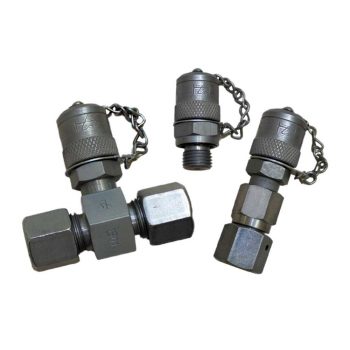
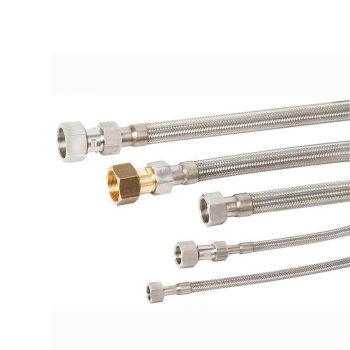
Hoses and SF6 gas refilling kits serve to safely transfer SF6 gas from storage cylinders to gas-insulated switchgear or pressure vessels, for filling, refilling or gas recovery. They consist of pressure-resistant, gas-tight hose systems along with required fittings and valves to ensure controlled and sealed gas transfer.
Questions & Answers on SF6 Hoses and Refilling Kits
What are SF6 hoses and refilling kits used for?
SF6 hoses and refilling kits facilitate the filling, refilling or evacuation of SF6 gas in gas-insulated installations — for instance during maintenance, inspection or gas recovery operations. They ensure safe, sealed and controlled gas transfer between the storage container and the installation.
Which components are typically included in these kits?
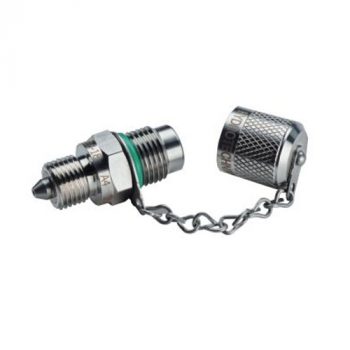
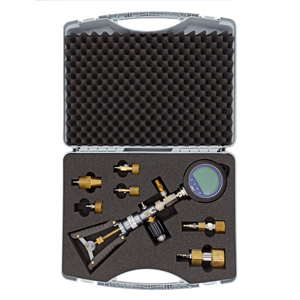
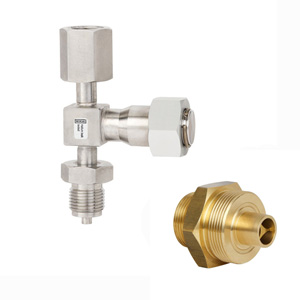
A typical refilling kit includes pressure-resistant high-pressure hoses, valves for connection and sealing, optionally pressure gauges or fill-level indicators and suitable fittings (threaded or flanged) for both the gas cylinder and the installation. Often, seals and safety caps are part of the delivery.
What requirements apply to hoses and fittings?
Hoses and fittings must be pressure-resistant, gas-tight and compatible with SF6 and its physical properties. Correct sizing, appropriate cylinder and installation connectors, and secure valve and sealing technology are essential to prevent leaks or damage.
How are SF6 refilling kits connected?
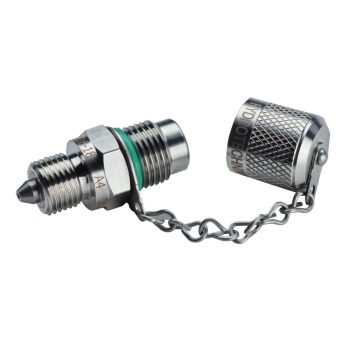
Connections are typically made via specified threaded or flanged fittings on the gas cylinder and the installation. It is necessary to apply the correct torque and ensure a stress-free, aligned assembly. After connection, all joints must be leak-tested before operation.
When should hoses and refilling kits be replaced or inspected?
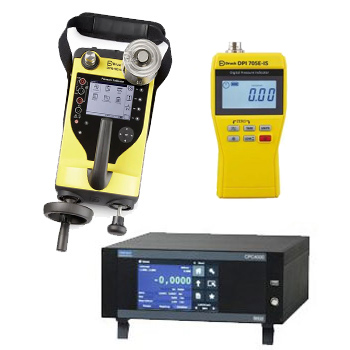
Before each use, hoses and kits should be visually inspected and leak-tested. If there are signs of damage, aging or wear—such as cracks, leaks or contamination—a replacement is required. It is also advisable to inspect again after long storage or if the history of the kit is unclear.
Why is it important to use correct hoses and kits?
Using improper or unsuitable hoses can lead to leaks, gas loss or contamination — risking operational safety, insulation performance and environmental harm. Proper, certified hoses and fittings ensure that SF6 gas is transferred in a sealed, safe and controlled manner.
Are there differences between mobile and stationary refilling kits?
Yes — mobile refilling kits are compact and designed for flexible on-site use, e.g., during maintenance or service. Stationary kits typically consist of fixed pipelines and valves intended for permanent or repeated gas transfers at fixed installations.
Which safety measures are needed when using these kits?
When using SF6 refilling kits, safety measures are required: gas-tight installation, leak testing before and after use, prevention of moisture or air ingress, and possibly protective equipment. Only trained personnel should handle them.
How is a refilling operation properly documented?
A proper refilling operation is documented with records including gas volume, pressure, temperature, condition of hoses and fittings, and leak test results before and after the operation. Such documentation ensures traceability and compliance with maintenance and inspection intervals.
What must be considered during transport and storage of refilling kits?
Refilling kits should be stored dry, protected from direct sunlight and free from mechanical stress. Before use, a visual inspection and, if necessary, a pressure test should be conducted. After long storage, a renewed inspection is recommended before deployment.


































Datasheet