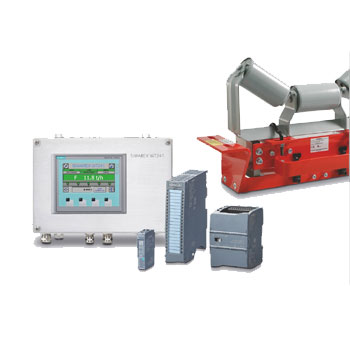
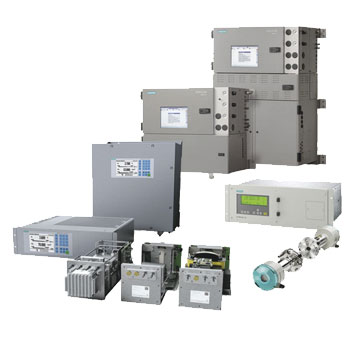
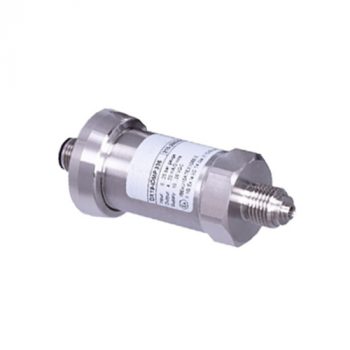
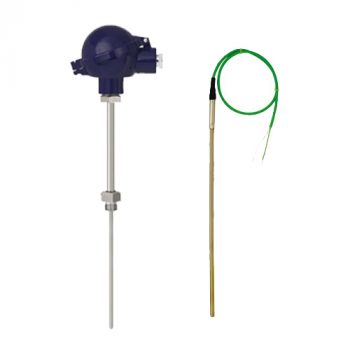

























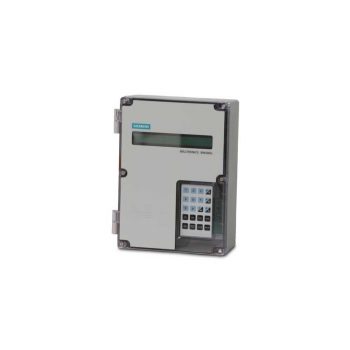
- Automatic zero and electronic span calibration
- Alarms for rate, load, speed, or diagnostic error
- On-board Modbus®, optional PROFIBUS DP, ProfiNet, Modbus TCP/IP, EtherNet/IP and DeviceNet™
- Comprehensive weighfeeder control functions
- PID control and on-line calibration with optional analog I/O card
- Differential speed detection with second speed sensor
- Moisture meter input with optional analog I/O card for calculation of dry weight
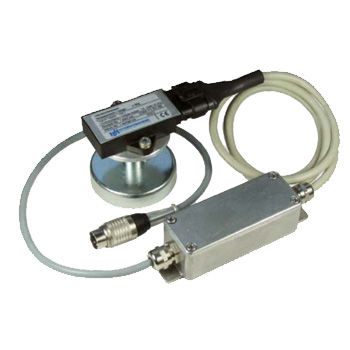
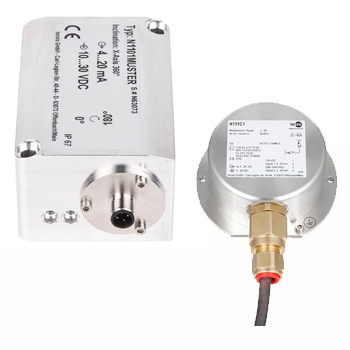
- Inclinometer input with optional analog I/O card to compensate for conveyor slope
- Suitable for belt scale custody approval
- Measurement Canada and NTEP approved
- Display languages: English, German, French, Spanish, Russian, Italian, Portuguese
Datasheet
|
-
Comprehensive diagnostic functions, monitoring of limit values
-
High resolution of up to +/- four million parts
-
High accuracy of 0,05%
-
Measuring rate of 10 ms
-
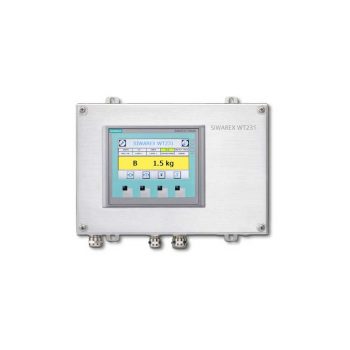
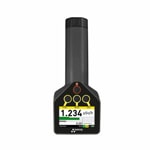
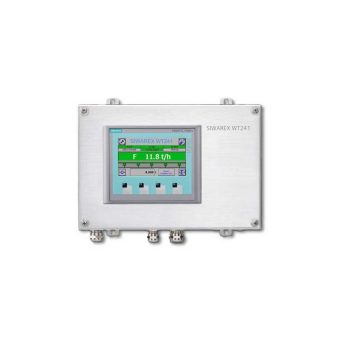
High-quality HMI panel ‒ 4-Zoll TFT widescreen display, touchscreen
-
Intuitive user interface
-
Flexible connection to all automation systems, which support Modbus RTU
-
High-quality stainless steel housing with degree of protection IP65
-
Simulation mode, intelligent speed detection, freely parameterizable digital in- and outputs, analog output, Pulse signal for remote totalizers, recovery function
-
High-quality HMI panel ‒ 4-Zoll TFT widescreen display, touchscreen
-
Intuitive user interface
-
Flexible connection to all automation systems, which support Modbus RTU
-
High-quality stainless steel housing with degree of protection IP65
Datasheet
|
-
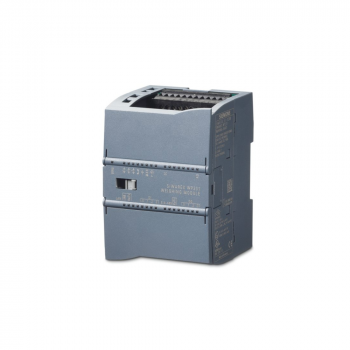
Uniform structure and universal communication through the integration in S7-1200
-
Four digital inputs and outputs, one analog output, all inputs and outputs are controllable via the SIWAREX module or via SIMATIC S7-1200
-
Operation also possible without SIMATIC CPU
-
Easy commissioning via SIWATOOL or via HMI touch panel
-
Extensive diagnostic functions
- Calibratable according type approval 2009/23/EC (NAWI)
- Calibratable according NTEP Class III / III L
-
Flexible adjustment for different requirements
-
Theoretical adjustment without adjustment weights
-
Modules can be exchanged without readjusting the scale
-
Can be used for Ex-applications zone 2
Datasheet
|
-
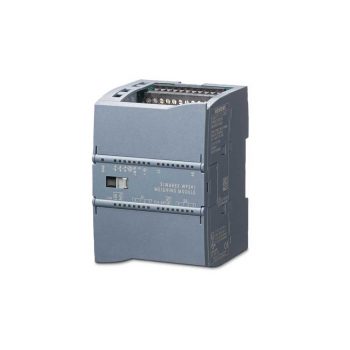
Uniform structure and universal communication through the integration in S7-1200
-
Standalone operation mode without SIMATIC CPU possible
-
Modbus TCP/IP & Modbus RTU
-
6 totalizers (individual resettable)
-
Pulse signal for remote totalizer
-
Simulation mode for belt load and/or belt speed
-
Trace recorder
-
Recovery point for easy rebuild of all parameters
-
Automatic zero tracking function
-
Easy commissioning via SIWATOOL and PC or via HMI touch panel
-
Extensive diagnostic functions
-
Flexible adaption to different requirements
-
Various calibration options
-
Can be used in hazardous applications ATEX zone 2
Datasheet
|
Stand-Alone Weighing Electronics – Compact Indicators & Controllers for Industrial Scales
Stand-alone weighing electronics are independent weighing indicators or controllers that connect directly to load cells or weighing platforms. They process, filter and display the weight signal and provide outputs or interfaces for further use — without requiring a PLC or automation system.
They are ideal for simple weighing tasks, small production setups, laboratory environments, mobile weighing applications or standalone stations. Typical features include easy operation, compact design, various interfaces (RS-232, USB, Ethernet, digital I/O) and optional legal-for-trade capability.
FAQ About Stand-Alone Weighing Electronics
Answers related to applications, selection, wiring, calibration and common error sources.
What is stand-alone weighing electronics?
It is a self-contained indicator or controller that works independently of PLCs or automation systems. It connects directly to load cells, converts the analog signal into a stable digital weight value and displays it or transmits it to other systems.
What applications are they suitable for?
Typical uses include laboratory and workshop scales, small production stations, test stands, mobile weighing, and installations where no higher-level automation system is present.
What selection criteria matter?
- Number of supported load cells or weighing channels
- Required resolution and accuracy
- Available interfaces: RS-232, USB, Ethernet, digital I/O
- Power supply (mains, battery, 24 V DC) and mobility requirements
- Legal-for-trade approval if commercial use is intended
- Housing type and protection class for dusty or humid environments
How is installation and commissioning done?
The device is connected to the load cells using shielded cables. After wiring, basic tasks such as zero setting, taring, calibration with test weights and configuration of filter parameters are carried out.
What calibration or verification is needed?
For internal process weighing, a standard calibration is usually sufficient. For commercial or legal-for-trade applications, the device/system must offer certification options and undergo proper verification according to local regulations.
What are common error sources?
- Poor shielding or grounding of load-cell cables
- Incorrect wiring or misconfigured channels
- Unstable mounting surfaces or mechanical influences on the weighing platform
- Inadequate filtering settings causing unstable readings
- Missed calibration or verification intervals
What functions do modern stand-alone units offer?
Modern units support features such as auto-zero tracking, tare, piece counting, limit switching, data output to PC/ERP, summation, recipe functions and network connectivity.
How can I request a quotation?
Please provide ICS Schneider Messtechnik with your required number of load cells, accuracy needs, preferred interfaces, environmental conditions (indoor/outdoor, humidity, dust) and whether legal-for-trade approval is required. You will receive a tailored offer.


Datasheet