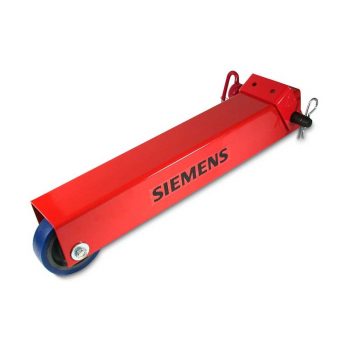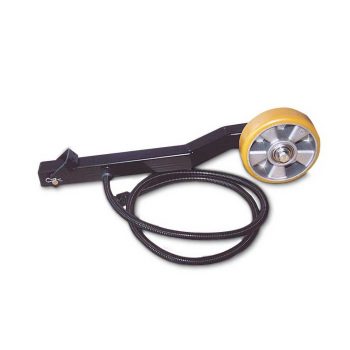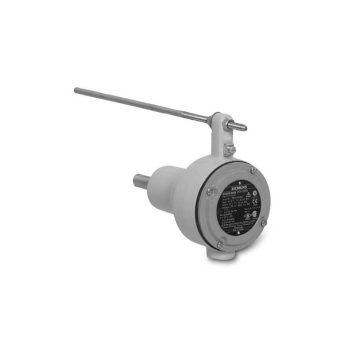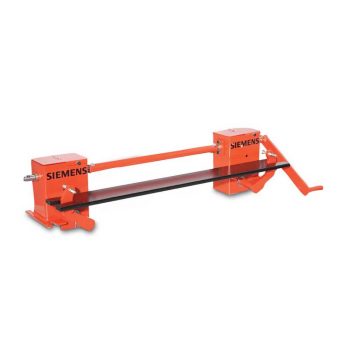




























• Rugged design
  • Compact, low-profile construction
  • Easy to retrofit
  • Cost-effective
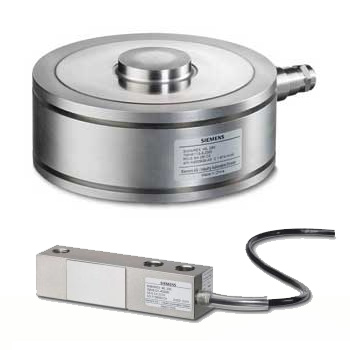
  • Stainless steel load cells
  • Calibration weight included
Datasheet

  • Unique parallelogram-style load cell design
  • Designed for light product loading
  • Compact and easy to install
  • System includes weighing idler
  • Stainless steel option available
  • Low cost of ownership
Datasheet

  • Exceptional accuracy and repeatability
  • Unique parallelogram-style load cell design
  • Suitable for uneven or light product loading
  • Capable of monitoring fast-moving belts
  • Low cost of ownership
  • NTEP, OIML, MID and Measurement Canada approved
Datasheet

  • Outstanding accuracy and repeatability
  • Unique parallelogram style load cell design
  • Fast reaction to product loading; capable of monitoring fast-moving belts
  • Rugged construction
  • SABS approval (South Africa) and Measurement Canada, MID/OIML approval, GOST Metrological (Russia), CMC approval (China)
Datasheet

  • Unique modular design
  • Simple installation
  • Low cost
  • Easy retrofit
Datasheet

  • Simple installation
  • Long weigh span for more retention time on load cells
Datasheet

  • Rugged design

  • IP65 rated

  • Easy, low cost installation 

  • Accurate belt speed detection

Datasheet

  • Rugged design
  • Easy and low-cost installation
  • Compact, low-profile speed sensor
  • IP65 rated
Datasheet

  • Light and rugged design, IP65 rated

  • Compact and economical

  • Easy, low-cost installation

  • Accurate belt speed detection

  • Optional resolutions for measurement over a range of belt speeds

  • Corrosion resistant

Datasheet

  • Light and rugged design, IP65 rated
  • Compact and economical
  • Easy and low-cost installation
  • Accurate belt speed measurement
  • Optional resolutions for precise measurement across a range of belt speeds
  • Corrosion resistant
Datasheet

  • Safe and easy application of belt scale reference weights with the operator remaining external to the conveyor

  • Modular construction, easily adaptable to different conveyor widths

  • Low profile allowing easy fit into belt conveyor

  • Easy to install and apply

  • Easy to store drive handle that can be applied to left or right side of MWL

  • Security pin used to ensure safe storage of weight

  • Can be used with new and existing applications

Datasheet

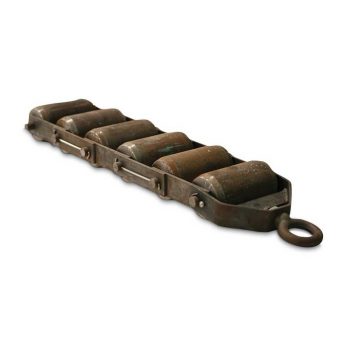
A test chain is a dynamic calibration tool used to simulate material loading on belt scales or weighfeeders.

Datasheet

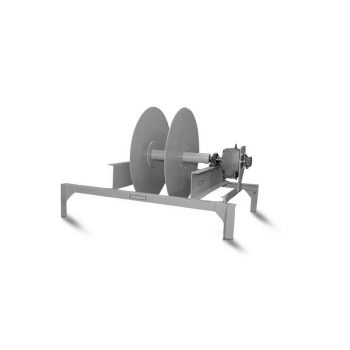
Test chain storage reels can electronically apply and retract calibration test chains.

Datasheet

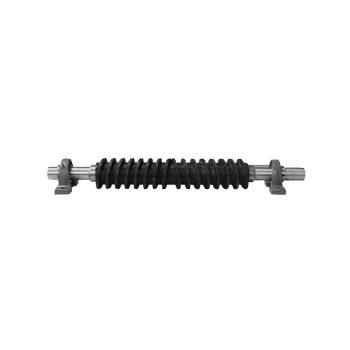
A bend pulley is an optional component to belt scale weighing systems. 

Datasheet


Siemens Conveyor Belt Scales – Continuous Material Flow and Throughput Measurement

Siemens conveyor belt scales (belt weighers) measure material flow on conveyors by continuously combining belt-load and belt-speed measurements. Load cells under the belt, mounted on a sturdy weighing frame, detect the mass of material on the belt; integrated electronics calculate the material throughput (e.g. in t/h) and the total conveyed mass. The systems are designed for harsh industrial environments, allow simple integration into new or existing conveyors, and offer high stability, low maintenance requirements and seamless process integration. :contentReference[oaicite:13]{index=13}

FAQ on Siemens Conveyor Belt Scales

How does a conveyor belt scale measure conveyed material?

The scale uses a weighed frame with load cells installed under the conveyor belt. As material moves over the belt, it exerts a load on the load cells, yielding a mass-per-meter value (kg/m). Meanwhile a speed sensor measures the belt velocity (m/s). The scale electronics multiply both values to compute the mass flow rate (e.g. t/h) and aggregate the total conveyed mass over time. :contentReference[oaicite:14]{index=14}

For which materials and industries are conveyor belt scales suitable?

They are suitable for bulk materials such as minerals, aggregates, raw materials, recycling materials, grain, powders, sand, gravel etc. Typical application sectors include mining, building materials, cement and concrete production, recycling, raw material processing, agriculture/animal feed, wherever large material flows are transported on conveyors. :contentReference[oaicite:15]{index=15}

What are the typical components of a conveyor belt scale?

A typical system includes: a rigid weighing frame with integrated load cells under the belt, a belt-speed sensor, weighing electronics for signal processing and throughput calculation, and usually a display or output module. Many systems also feature test chains, bottom rollers or supplementary modules for calibration and maintenance. :contentReference[oaicite:16]{index=16}

What accuracy can be expected from a conveyor belt scale?

Accuracy depends on design, calibration and installation quality. Typical modern systems achieve uncertainties around ± 1 % to below ± 0.5 %, depending on type, belt width and operating conditions. For legal-for-trade (eichfähig) applications all parts — mechanical and electronic — must be designed and calibrated accordingly. :contentReference[oaicite:17]{index=17}

How is a conveyor belt scale calibrated?

Calibration begins with a zero-adjustment (empty belt). Then test weights or dynamic test chains are used to simulate load and verify scale response. The electronics then integrate belt load and speed to ensure correct throughput and total mass readings. Regular calibration cycles maintain accuracy and process stability. :contentReference[oaicite:18]{index=18}

What about environmental protection and mechanical requirements?

Since these scales operate in harsh industrial environments — with dust, moisture, abrasion, temperature fluctuations, vibrations — they are built robustly with corrosion-resistant materials and sealed sensor housings. The mechanical installation must be rigid and vibration-free to avoid measurement errors. :contentReference[oaicite:19]{index=19}

What must be considered when installing a belt scale?

The scale should be mounted in a straight, level belt section without vertical or lateral curvature. The support rollers before and after the weighing section, as well as drive and return drums, must be at sufficient distance to avoid disturbances. The conveyor structure must be stable and free of vibrations. With trough conveyors or inclined belts, roller configuration and belt tension must meet specific requirements to preserve measurement accuracy. :contentReference[oaicite:20]{index=20}

Which data does a belt scale typically provide?

Modern scales output real-time mass flow rate (e.g. t/h), total conveyed mass (t), belt load (kg/m), belt speed, and often storage of day, week or month totals. This supports process monitoring, material accounting, dosing, billing and quality control. :contentReference[oaicite:21]{index=21}

Can a conveyor belt scale be retrofitted to an existing belt conveyor?

Yes — one of the main advantages of these systems is retrofit capability. The weighing frame can be installed into an existing conveyor; load cells and speed sensor are added. The robust design and flexibility of the system allow straightforward integration even into existing belt installations. :contentReference[oaicite:22]{index=22}

What throughput capacities can belt scales handle?

Depending on design and belt width, belt scales cover a wide range — from low material flow (e.g. aggregates, powders) up to high mass flows in mining or cement industry. Typical capacities span from a few tons per hour up to several thousands of tons per hour. :contentReference[oaicite:23]{index=23}

How do belt scales handle fluctuating belt speed?

Fluctuations in belt speed can affect measurement accuracy if speed sensing is inaccurate or sluggish. Therefore, a reliable speed sensor and fast signal processing are essential. Modern systems mitigate such effects by rapid data sampling and integration over time. Regular calibration and proper maintenance help to minimize measurement deviations. :contentReference[oaicite:24]{index=24}

In which industrial environments are belt scales particularly advantageous?

Belt scales are especially useful in industries with continuous bulk-material flow: mining, building materials, aggregates, cement and concrete production, raw-material handling, recycling, bulk-goods transport, dosing and mixing systems. They allow reliable material flow measurement, process control and automation in demanding environments. :contentReference[oaicite:25]{index=25}

Diese Website benutzt Cookies. Wenn du die Website weiter nutzt, gehen wir von deinem Einverständnis aus.