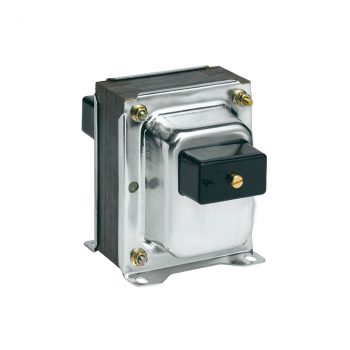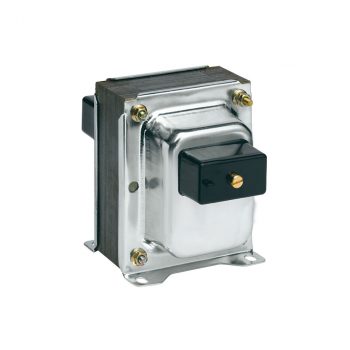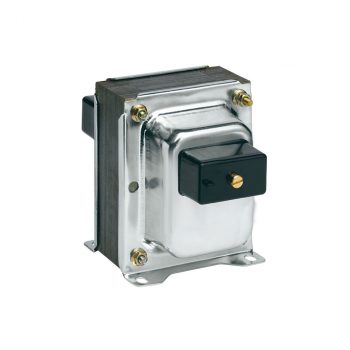
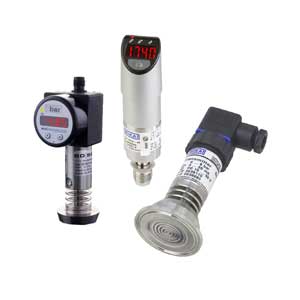
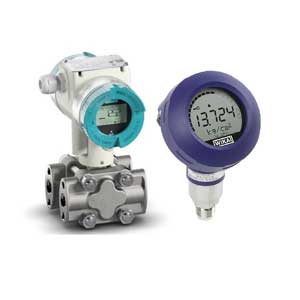
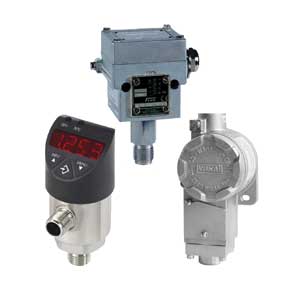
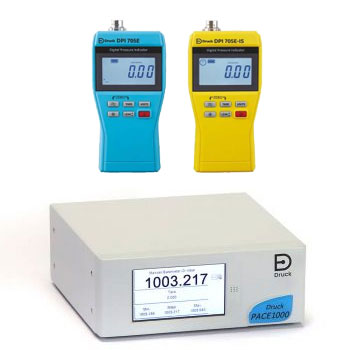
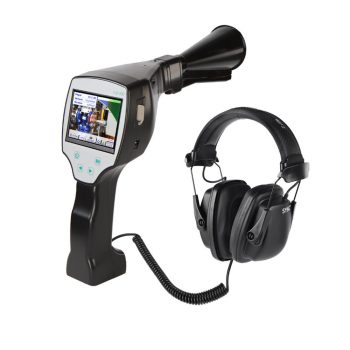
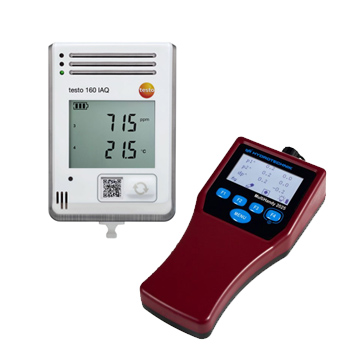
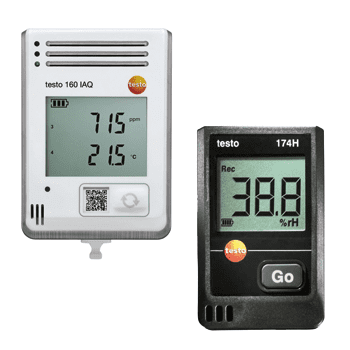
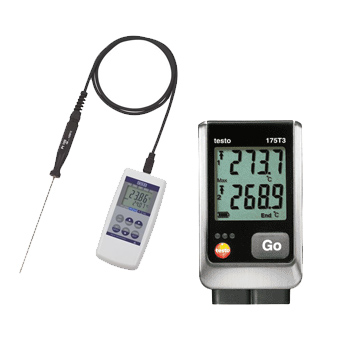
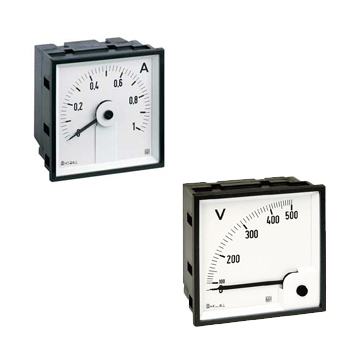
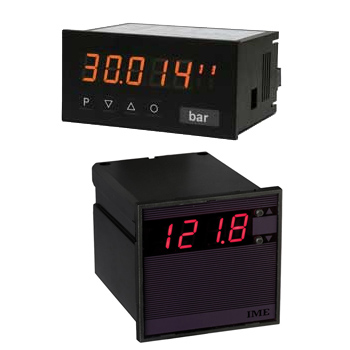
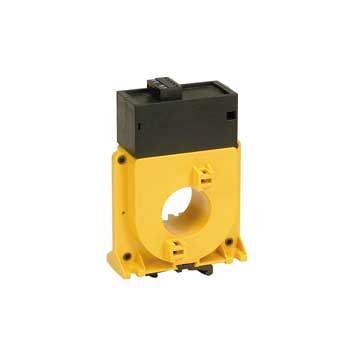
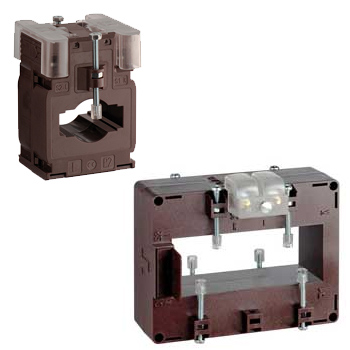

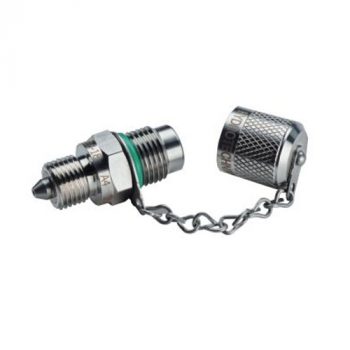
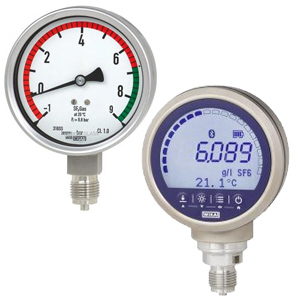
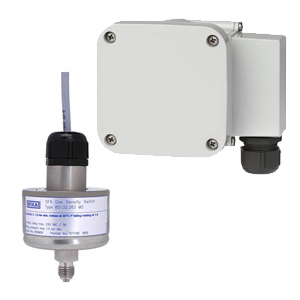
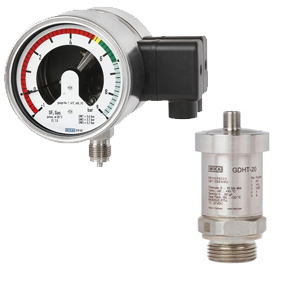
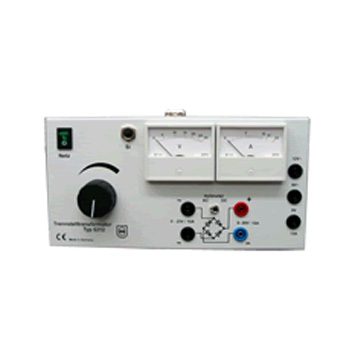






















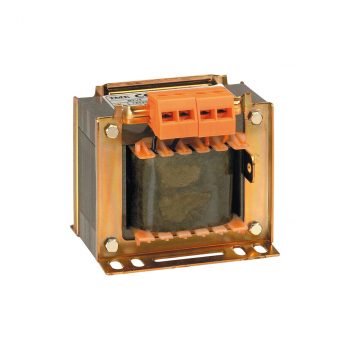
Single-phase voltage transformer - measurement/protection
TYPE Single-phase voltage transformer - measurement/protection
RATIO 380/110 V
PERFORMANCE 6 VA
Datasheet

Single-phase voltage transformer - precision
TYPE Single-phase voltage transformer - precision
RATIO 240:√3/100:√3 V
PERFORMANCE 1 VA
Datasheet

Single-phase voltage transformer - measurement/protection
TYPE Single-phase voltage transformer - measurement/protection
RATIO 110/110 V
PERFORMANCE 10/15/30 VA
Datasheet

Single-phase voltage transformer - measurement/protection
TYPE Single-phase voltage transformer - measurement/protection
RATIO 1000/100 V
PERFORMANCE 20/30/50 VA
Datasheet

Single-phase voltage transformer - measurement/protection
TYPE Single-phase voltage transformer - measurement/protection
RATIO 600/110 V
PERFORMANCE 50/75/100 VA
Datasheet

Single-phase voltage transformer - measurement/protection
TYPE Single-phase voltage transformer - measurement/protection
RATIO 800/100 V
PERFORMANCE 100/150/200 VA
Datasheet


Voltage Transformers for Switchgear and Power Systems

A voltage transformer (VT) is a device used to convert high or operating voltages into a lower, standardized secondary voltage for metering, protection or control purposes. It ensures that grid or system voltages are reduced to safe levels so that sensors, meters or protection devices can operate without risk, while maintaining galvanic isolation between the high-voltage network and the control or measurement equipment.

Questions & Answers

What is the purpose of a voltage transformer?

It steps down high system voltages to a safe, standardized secondary voltage so that measurement, protection or control devices can safely process the voltage without being exposed to the primary high voltage.

How does a voltage transformer work?

By electromagnetic induction: the primary winding is connected to the high voltage line, and the secondary winding produces a lower proportional voltage. The output voltage is scaled according to the turns ratio of primary and secondary windings.

Where are voltage transformers typically used?

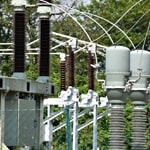
They are used in switchgear panels, distribution boards, substations, power networks, industrial installations, energy monitoring, metering, and protection systems.

What is the difference between metering and protection voltage transformers?

Metering VTs are designed for accurate voltage measurement and energy metering. Protection VTs are built robustly for reliable performance under fault conditions, over- or under-voltage events, and to trigger protective devices reliably — accuracy in normal operation is secondary.

What should be considered when selecting a voltage transformer?

The primary system voltage, required secondary voltage, insulation requirements, mounting and usage conditions (indoor/outdoor), and the accuracy or class depending on whether measurement or protection is intended.

Are voltage transformers suitable for DC voltages?

Generally no — typical VTs operate on AC by electromagnetic induction. For DC, different technologies are required, as VTs cannot transform steady DC voltage reliably.

What are typical error sources in voltage transformers?

Voltage ratio error and phase shift between primary and secondary windings can occur, depending on winding reactance, load, frequency and transformer design. These influence measurement accuracy and should be considered for precision applications.

Why is galvanic isolation important?

It isolates the high-voltage network from measurement or control systems, preventing dangerous potentials and protecting connected devices and personnel from hazardous voltages.

How is a voltage transformer integrated into a power installation?

The primary side is connected across the high-voltage line. The secondary side provides a safe low-voltage output, which feeds meters, relays or monitoring systems. This setup allows safe and standard-compliant monitoring, measurement or protection without exposing the control side to high voltage.

When is using a voltage transformer necessary?

Whenever system or network voltages exceed the allowable input range of measuring or protective devices — for example in distribution boards, switchgear, substations or any installation requiring safe, standardized voltage measurement or monitoring.

Diese Website benutzt Cookies. Wenn du die Website weiter nutzt, gehen wir von deinem Einverständnis aus.