

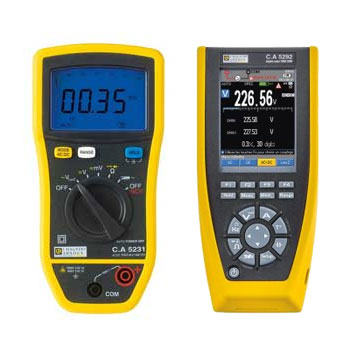
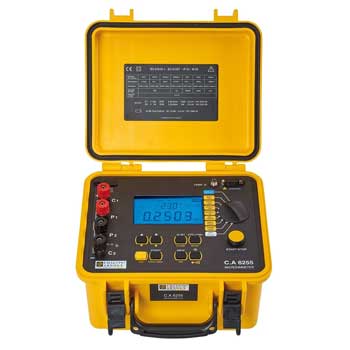
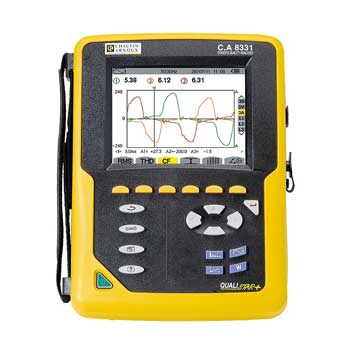
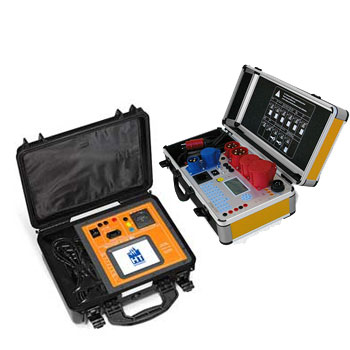
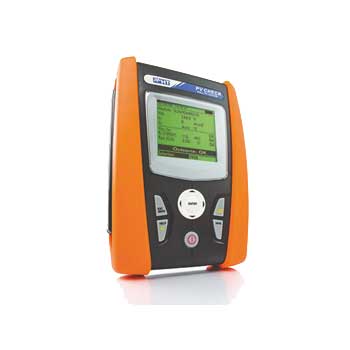
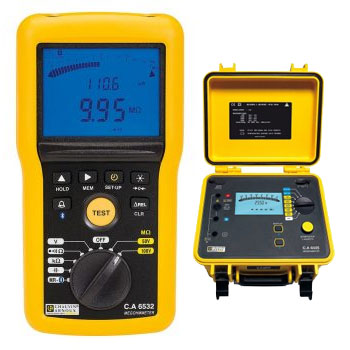
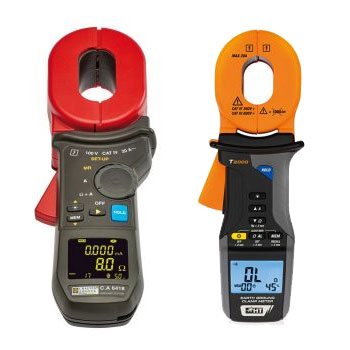
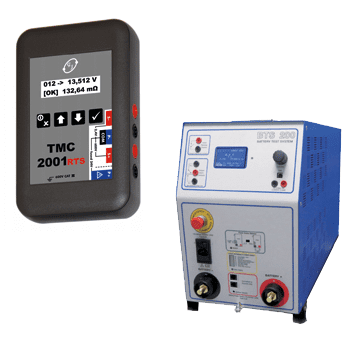
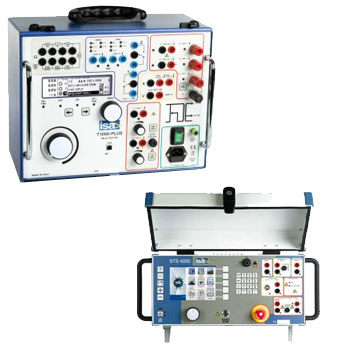


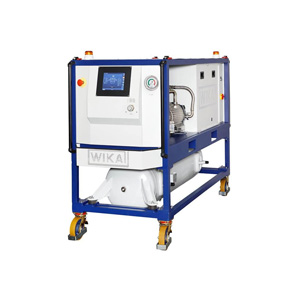
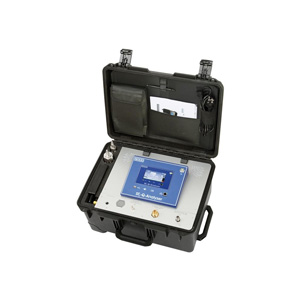
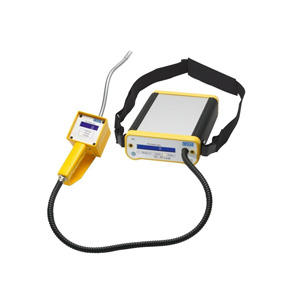
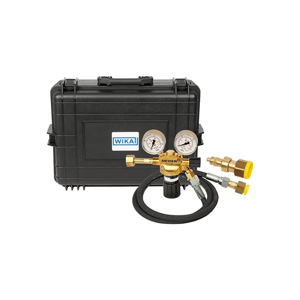
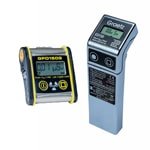
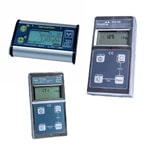
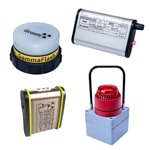
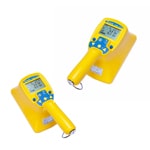

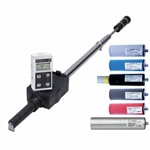
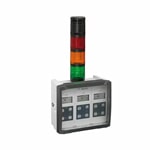
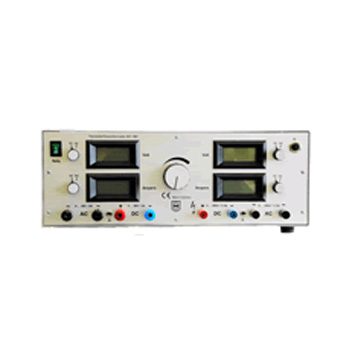
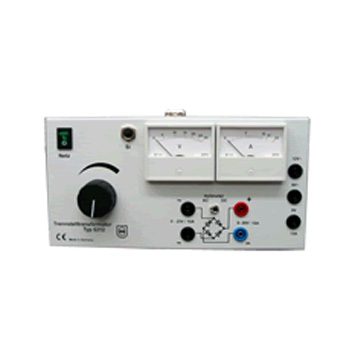
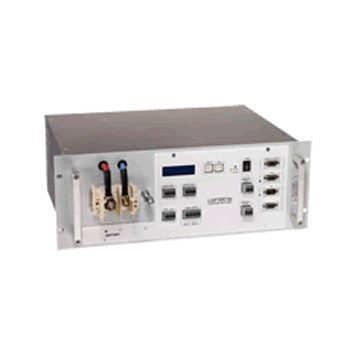




























- Fast polarity testing of both voltage and current transformers.
- Compact and light
- Easy to use, plug & play
- Smart detection of incorrect connection
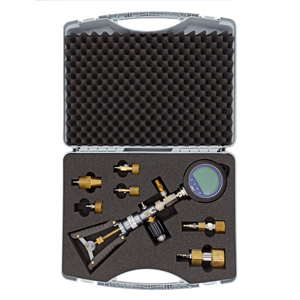
- Proving unit included in the kit as standard
- Fused lead sets included for user safety
- Supplied in a protective case.
- Long battery life
- Built in battery monitor
Datasheet |
User Manual |
Transformer Polarity Tester
A transformer polarity tester is a device used to verify correct polarity and phase relationship of transformers — especially current (CT) and voltage transformers (VT). It ensures that primary and secondary windings are properly connected and phase-aligned, which is critical for accurate measurement, protection functions and safe grid operation.
FAQ
What is a transformer polarity tester?
A polarity tester checks whether the connections and windings of a transformer are correctly oriented — verifying that primary and secondary sides are in correct phase and ensure correct polarity.
Why is polarity testing important?
Incorrect polarity or phase alignment can lead to wrong measurements, malfunction of protection systems, misinterpretation of current or voltage, or even grid disturbances. Correct polarity is essential for reliable measurement and protection.
Which transformers are typically tested?
Current transformers (CT), voltage/potential transformers (VT/PT), measuring & protection transformers and combined CT/VT devices used in metering, protection or control applications.
How is a polarity test conducted?
The tester is connected to primary and secondary sides. With defined test currents or voltages, the relation between primary and secondary signals is verified. The result shows whether polarity and phase alignment are correct or whether a wiring/connection error exists.
Which faults can be detected?
Mistaken wiring, swapped leads, incorrect phase connections, reversed polarity on secondary side, incorrect transformer wiring or wrong connections in CT/VT installations.
When should polarity testing be performed?
During initial installation, after rewiring or modification, after replacement of transformers, after maintenance, before commissioning of metering/protection systems.
Who should perform polarity testing?
Qualified electrical technicians or protection & metering engineers with experience in transformer wiring, testing procedures and relevant safety regulations.
How should test results be documented?
A test report should record transformer type, connection points, test conditions, result (correct / incorrect), date and responsible person — with remarks and required corrective actions if necessary.
What are the risks of incorrect polarity?
Failure or malfunction of protection devices, incorrect measurements or energy billing, false triggering or failure of breakers, potential equipment damage or unsafe system operation — especially in protection and control systems.


Datasheet