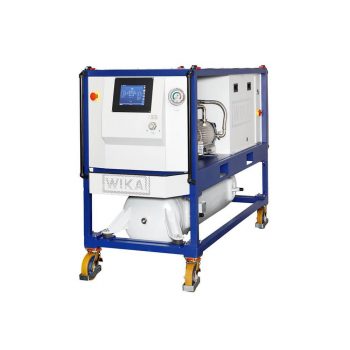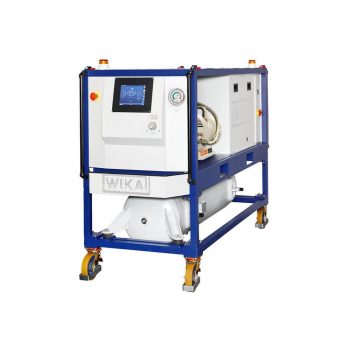







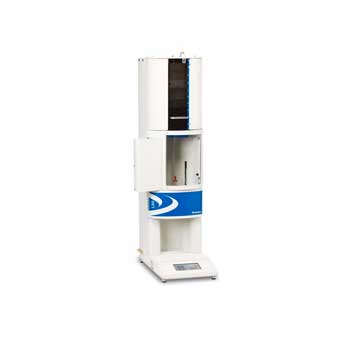
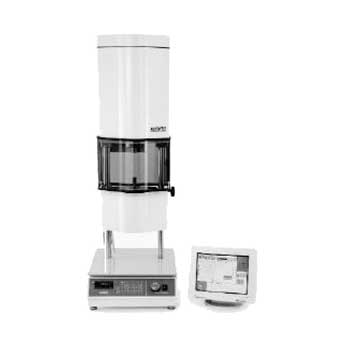
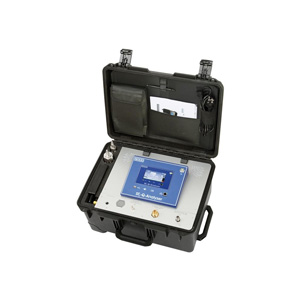



















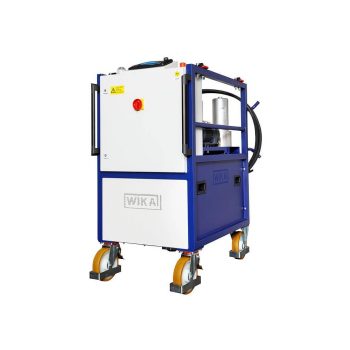
• Ensuring system safety through a double safety system
  • Efficient reduction of maintenance costs on SF6 gas-filled equipment (gas dehydration during operation)
  • Use of two parallel filters (model GPF-10) for high water absorption capacities
  • Low maintenance effort
  • Easy and intuitive operation via 7" touchscreen
Datasheet

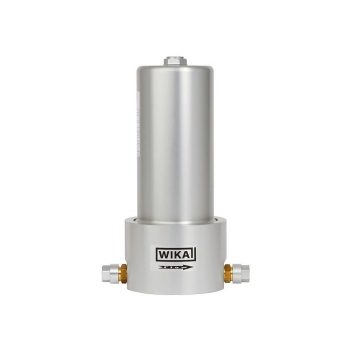
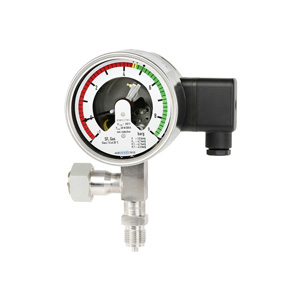
  • 3-in-1 filter insert for filtering out particles, reactive decomposition products and humidity
  • Easily replaceable filter insert
  • High gas flow rate through flow optimisation
  • Robust and reliable sealing construction
  • Corrosion protection through anodised filter case
Datasheet

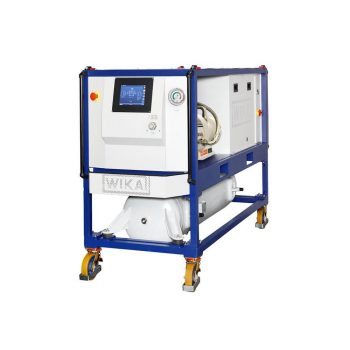
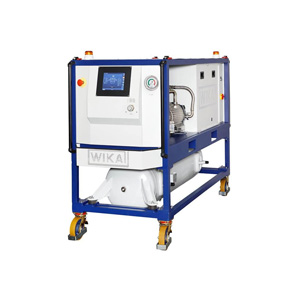
  • Ensuring system safety through a double safety system
  • Efficient reduction of maintenance costs on SF6 gas-filled equipment (gas dehydration during operation)
  • Use of two parallel filters (model GPF-10) for high water absorption capacities
  • Low maintenance effort
  • Easy and intuitive operation via 7" touchscreen
Datasheet

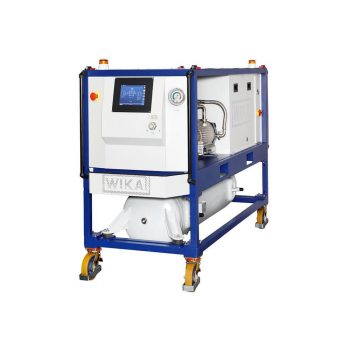
  • Oil-less compressor and vacuum compressor
  • Option for on-site gas filtration to the desired humidity
  • Low maintenance effort
  • Fast recovery of SF6 gas for large gas compartments thanks to high-performance components
Datasheet

  • Oil-less compressor
  • Oil-less vacuum compressor
  • Dual cleaning of particles, humidity and decomposition products
  • Low maintenance effort
  • Operation via 10" touchscreen
Datasheet

  • Oil-less compressor and vacuum compressor
  • Option for on-site gas filtration to the desired humidity
  • Low maintenance effort
  • SIL2 safety control to reduce the emission of SF6 gas to the absolute minimum.
  • Fast recovery of SF6 gas for large gas compartments thanks to high-performance components
Datasheet

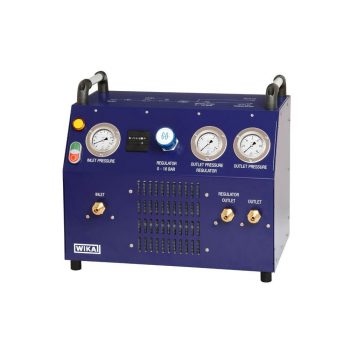
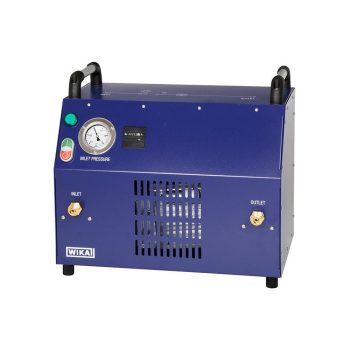
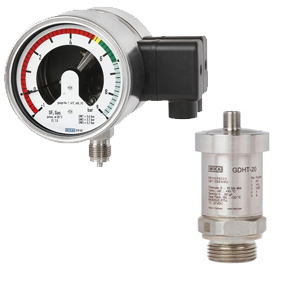
  • High compressor performance
  • Compact dimensions
  • Robust version for the service
  • Clear display of the working pressure
Datasheet

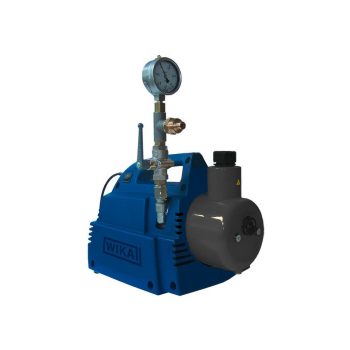
  • Extraction up to residual pressure < 5 mbar abs.
  • Free from oil and lubricants
  • High leak tightness
  • Vibration resistant and quiet
  • Cool running in continuous operation
Datasheet

  • Suction capacity up to 10 m³/h
  • Final pressure ≤ 0.02 mbar abs. achievable
  • Low weight and compact design
  • Built-in oil back flow prevention and oil mist return
  • Precision vacuum measuring instrument (optional)
Datasheet

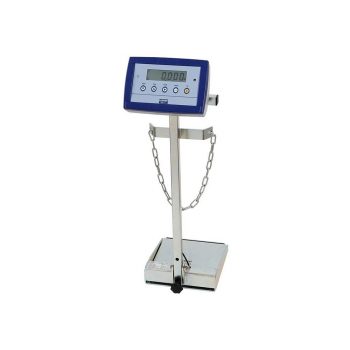
  • High accuracy of ±30 g
  • Ingress protection IP 65
  • Ergonomic design, compact lightweight design
  • Folding weigh frame made of high-quality galvanised steel
  • Easy handling due to low platform height
Datasheet

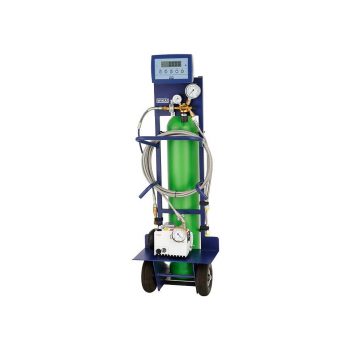
  • Ergonomic design and robust design enables easy transportation
  • Precise refilling thanks to the high-accuracy scales with large digital display (option)
  • Large selection of vacuum pumps for every application (option)
Datasheet
User Manual


Service Equipment for SF6-Gas Insulated Installations

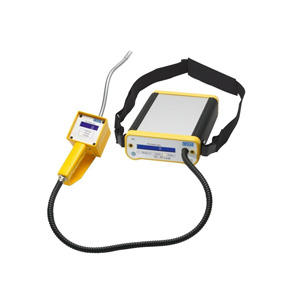
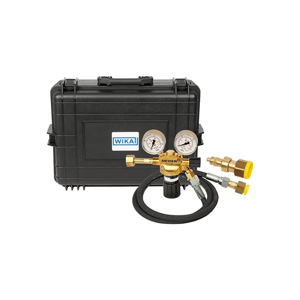
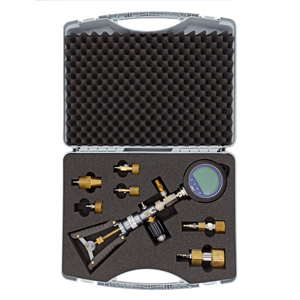
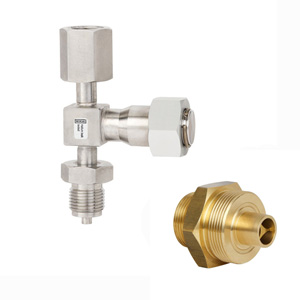
Service equipment refers to specialized tools and devices used for maintenance, handling, filling and evacuation of SF6 gas in gas-insulated switchgear and pressure vessels. This includes gas recovery, filling and vacuum pump stations, gas processing or recycling units, as well as all auxiliary tools that ensure safe, tight and standards-compliant SF6 gas handling.

Questions & Answers on SF6 Service Equipment

What is meant by “service equipment” for SF6 installations?

Service equipment refers to devices and tools used for safe handling, recovery, refilling or evacuation of SF6 gas. They allow closed removal of gas, processing and re-filling under compliance with pressure, tightness and environmental requirements.

Which devices are typically part of SF6 service equipment?

Typical devices include gas recovery stations, vacuum pumps for evacuating or draining the installation, filling and pressure-regulating stations, as well as gas processing or recycling units for cleaning and drying SF6 gas before reuse. Additionally, tools and connection components belong to standard equipment.

Why is SF6 service equipment important?

Without appropriate service equipment, maintenance or refilling of SF6 gas can be dangerous and inefficient. Improper handling may lead to gas loss, leakage or contamination — causing safety and insulation issues as well as environmental hazards. Service equipment allows safe, standards-compliant and tight maintenance of SF6 gas installations.

How do gas recovery stations work?

Gas recovery stations evacuate used SF6 gas from the installation, filter and condense possible impurities and store the gas in a collection container. Then the gas can be dried, processed and reused — minimizing loss and environmental impact.

What happens during refilling with service equipment?

During refilling the processed SF6 gas is filled into the installation under controlled pressure and tightness conditions. The equipment ensures correct fill levels, pressures and leak-free conditions while preventing intrusion of air or moisture.

What requirements apply to service equipment regarding tightness and safety?

Service equipment must be designed gas- and pressure-tight, resistant to SF6 properties, robust and equipped with safety valves, pressure gauges and often vacuum and gas-processing facilities to enable contamination-free recovery and reuse of the gas.

How is service equipment connected to the installation?

Connection is typically via suitable flanged or threaded fittings to the SF6 pressure vessel or switchgear. Connections must be gas-tight and pressure- secured; all valves and tubing must be leak-tested before operation.

What protective measures are required when servicing SF6 installations?

Working with SF6 gas requires gas-tight and environmental protection measures. This includes suitable gas containment and recovery or capture, and possibly personal protective equipment. Handling should only be performed by qualified personnel following relevant regulations.

How often should SF6 gas be recovered and tested?

That depends on the installation age, condition and operating conditions. Common practice is to perform inspection and possible gas recovery after any work on the system, before refilling, or after a defined period of operation to ensure gas quality and tightness.

Can processed SF6 gas be reused?

Yes — using gas processing and drying equipment, extracted SF6 gas can be cleaned, dried and conditioned for reuse in the installation. This reduces material usage and environmental impact.

What role does service equipment play in compliance with regulations and standards?

Service equipment is essential for fulfilling legal and operational requirements regarding environmental, safety and pressure equipment regulations. Only with suitable equipment can SF6 installations be maintained, refilled and gas-recovered in a standards-compliant and documented manner.

Diese Website benutzt Cookies. Wenn du die Website weiter nutzt, gehen wir von deinem Einverständnis aus.