
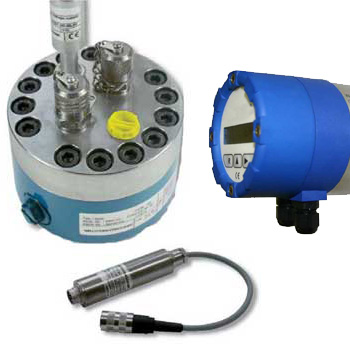
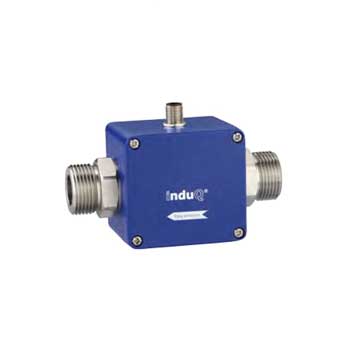
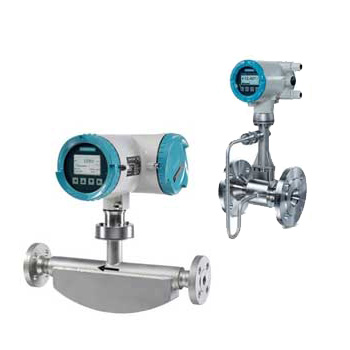
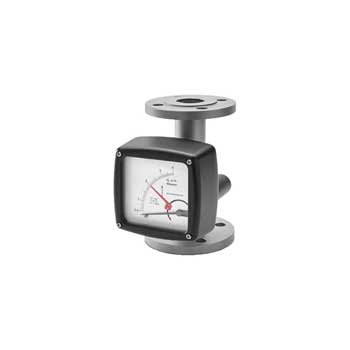
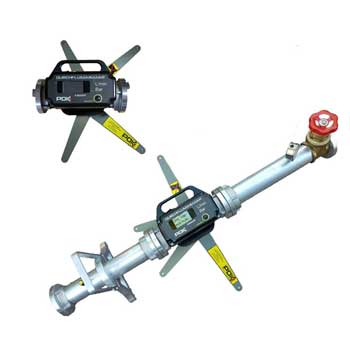
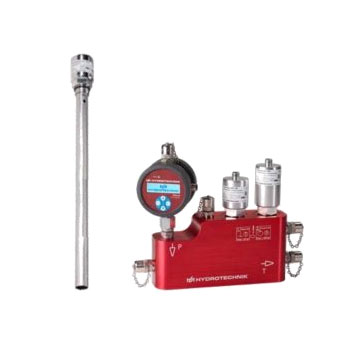
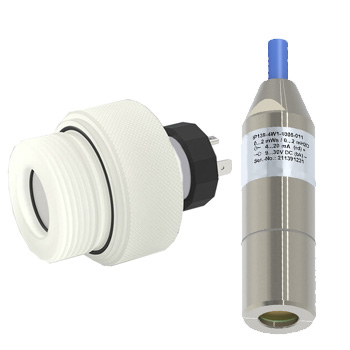
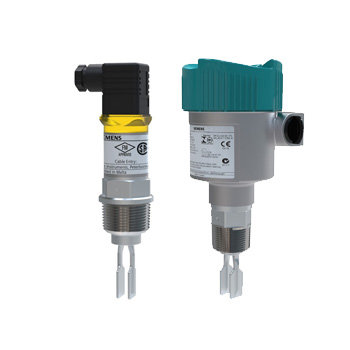
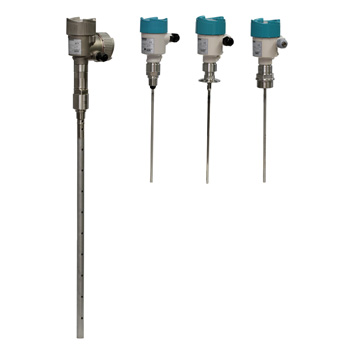
























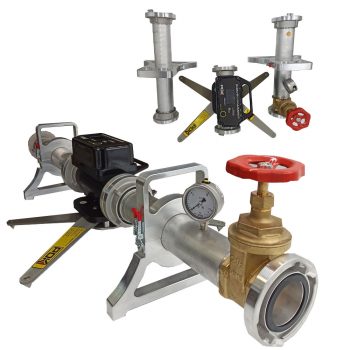
- Material • Aluminum alloy • fiberglass-reinforced plastic
- Maximum working pressure 16 bar / 230 PSI
- Operating temperature 10°C to 60°C
- Water splash protection IP 65
- Flow ranges • DN 40 (1.5"): 100 l/min to 1,000 l/min • DN 65 (2.5"): 300 l/min to 2,500 l/min • DN 80 (3"): 500 l/min to 3,000 l/min • DN 100 (4"): 1,000 l/min to 5,000 l/min • DN 150 (4"): 5,000 l/min to 20,000 l/min
- Measurement accuracy approx. 1 - 1.5% (within measurement ranges)
- Calibration button
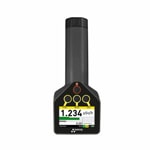
- Flow display in l/min or GPM (preset on order), graphic display
- Flow display in m³/h or m³, graphic display
- Pressure display in bar or psi (preset on order)
- Power supply Lithium-Ion battery 3.7 V 1,800 mAh, with mains charger
- Bluetooth accessory to be ordered separately; RS485 / RS232 data transmission, cable
- Bluetooth version 2.1
- Optional car cigarette lighter charger
Datasheet |
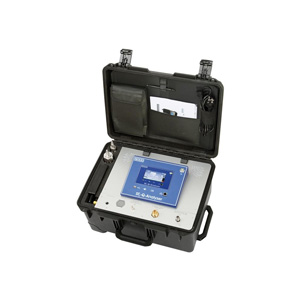
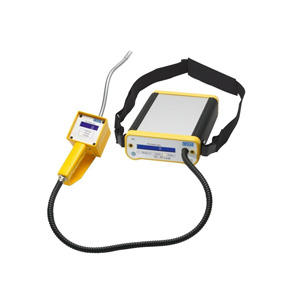
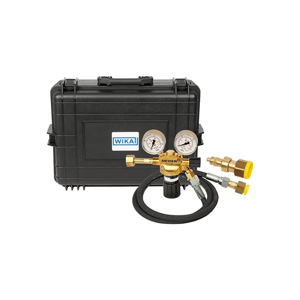
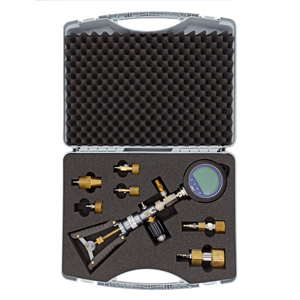
Hydrant Testers – reliably documenting flow, pressure & system performance
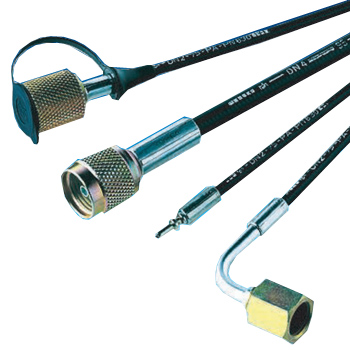
Hydrant testing devices capture static pressure, residual/flow pressure and flow rate at above- and underground hydrants as well as hose reels and risers. Whether pitot/nozzle testers, in-line test sections or mobile kits—you get robust data for fire water supply, maintenance, acceptance testing and audits.
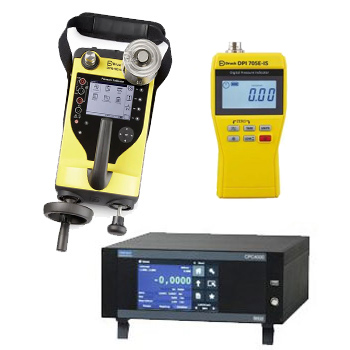
Depending on model: digital pressure gauges (bar/kPa/psi), flow meters (L/min, m³/h), dataloggers, Bluetooth®/apps, GPS/photo for site documentation, Storz C/B/D couplings, optional temperature/conductivity inputs, and ISO/DAkkS calibration.
ICS Schneider Messtechnik supports selection, calibration, hose/coupling adapters, report templates and integration into preventive maintenance routines.
FAQ on Hydrant Testers
Answers on measuring principles, accuracy, connections, test workflow, data management, calibration and safety.
Which measuring principles are available?
Pitot/nozzle devices infer flow from measured jet velocity and a nozzle coefficient. In-line test sections measure flow directly with built-in sensors under a defined discharge/load.
When should I use pitot/nozzle vs. in-line?
| Criterion | Pitot/Nozzle | In-line |
|---|---|---|
| Use case | Fast on-site assessment | High-accuracy load/acceptance tests |
| Setup | Very mobile, compact | More involved setup |
| Accuracy | Good (depends on C-factor) | Very good, repeatable |
| Water handling | Free discharge | Guided discharge |
Which quantities are measured?
Typically static pressure, residual/flow pressure and flow rate (L/min or m³/h); optional temperature, conductivity and GPS.
How is flow calculated from pitot pressure?
From the differential pressure using a nozzle/orifice coefficient via Bernoulli. Devices with embedded nozzle tables output L/min or m³/h automatically.
Which connections do I need?
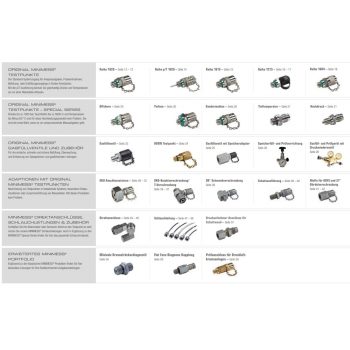
Common in D/A/CH: Storz C/B/D. Adapters to NH, BSP, NPT are available for international networks. For underground hydrants use a standpipe with test fittings.
What does a typical test workflow look like?
- Visually inspect the hydrant; secure the area.
- Mount tester/adapters; check for leaks.
- Open slowly, record static pressure, then set a defined discharge.
- Record stable flow pressure & flow rate; log data.
- Close, depressurize, generate the report.
What accuracy can I expect?
Digital pressure: typically ±0.1…±0.25% FS. Flow with calibrated nozzles/in-line elements: typically ±1…±3% of reading, depending on setup and hydraulics.
Do the devices support datalogging & apps?
Many testers provide dataloggers, Bluetooth® and app/PC software for test series, photos, GPS and PDF/CSV reports.
How are test reports structured?
Templates include asset/hydrant ID, date, location, static/flow pressure, flow, remarks (valve action, leakage) and approval/signature. Export as PDF/CSV.
What safety notes apply?
Beware of spray/slip hazards, direct the jet to a safe area, wear PPE (gloves/goggles), avoid pressure shocks, and only mount/dismount equipment when depressurized.
How do hose length, fittings & elevation losses affect results?
Long/narrow hoses and fittings create pressure losses. Use a consistent setup for comparability or apply corrections.
How often should I calibrate?
Recommendation: annually (depends on QA/usage). After drops or overpressure events, verify immediately. ISO/DAkkS certificates ensure traceability.
What about cold-weather operation?
Frost protection (drain after test), condensation-free sensors, use insulated hoses and temperature-controlled cases where required.
How do I spot hydrant defects?
Low flow pressure at small discharge, vibration, leaks at stem/seals, stiff valve movement. Record findings and notify maintenance.
Can I test risers and hose reels?
Yes—with suitable test fittings and pressure/flow adapters (e.g., for DN25/DN33 outlets), including manometers and discharge units.
What typical measuring ranges are available?
Pressure up to 16…25 bar (model-dependent). Flow up to 1,000…3,000 L/min with standard nozzles/in-line elements; higher with larger cross-sections.
Which media are supported?
Potable/service water. For special media (e.g., seawater) choose appropriate materials and seals (stainless steel, brass, EPDM/PTFE).
How do I compare measurements over time?
Use the same test points, setup and valve positions each time. Analyze year/season trends in a dashboard or via CSV.
What accessories are useful?
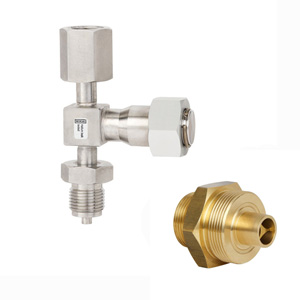
- Adapters (Storz, NH, BSP/NPT)
- Hoses with discharge nozzle/branch pipe
- Standpipe with test valve
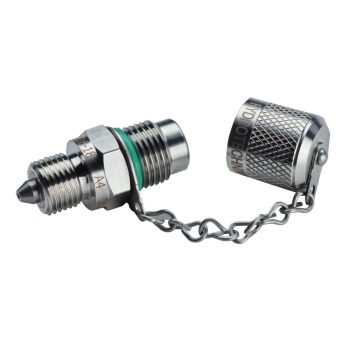
- Carrying case, spare seals, protective caps
How do I integrate data into maintenance systems?
Export as CSV/JSON or use direct interfaces (via app). Link to asset IDs, work orders and next-due inspections.
Do you support selection & commissioning?
Yes. We assemble a fit-for-purpose test kit, provide calibration certificates, train the test procedure and integrate documentation into your workflows.


Datasheet