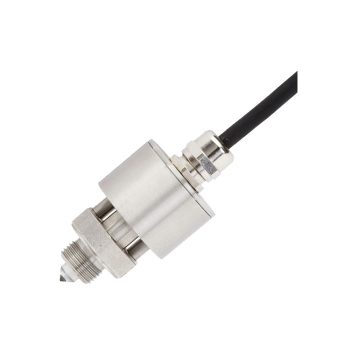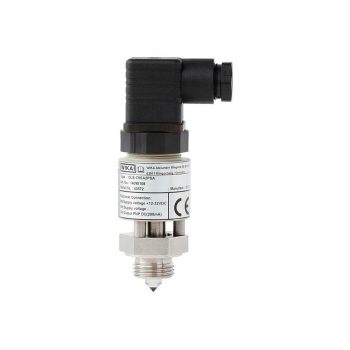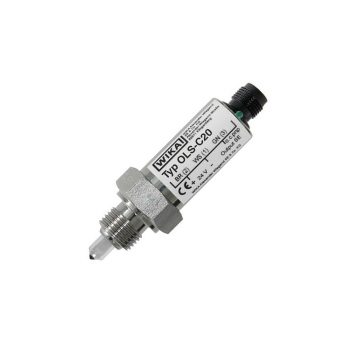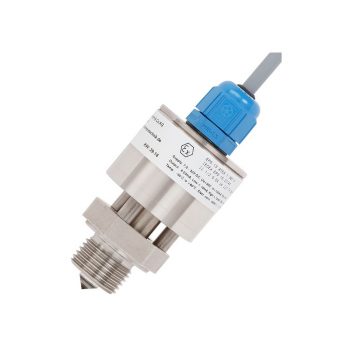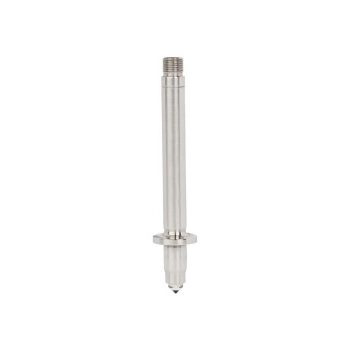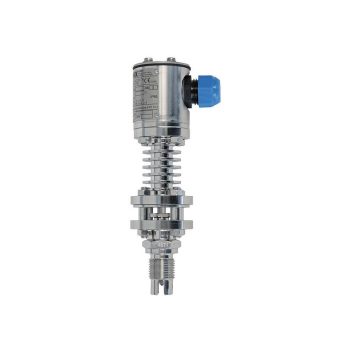
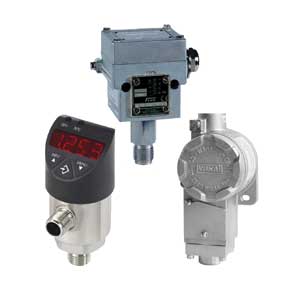
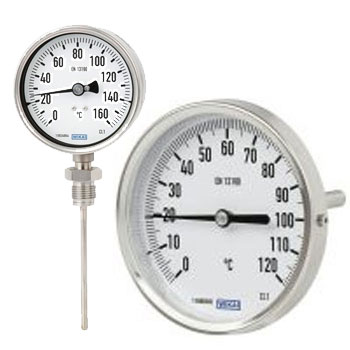
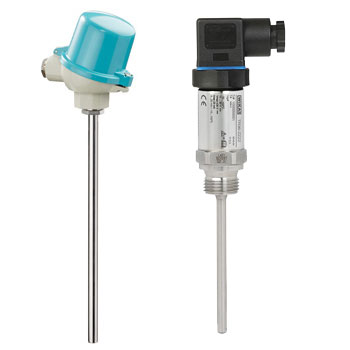
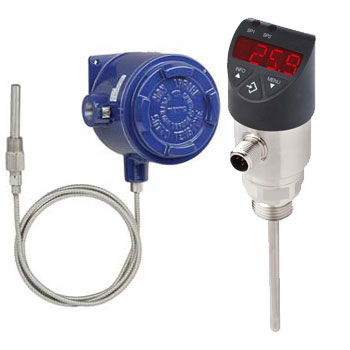
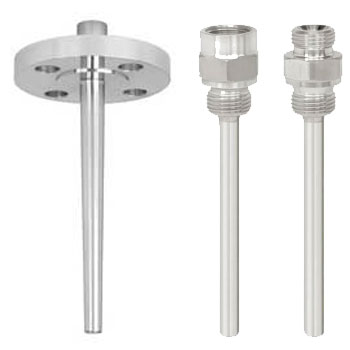
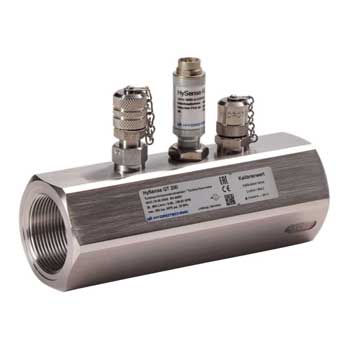
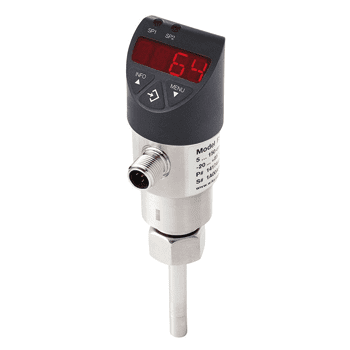
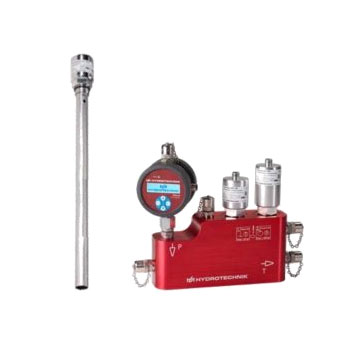
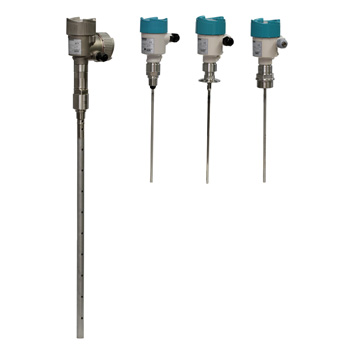
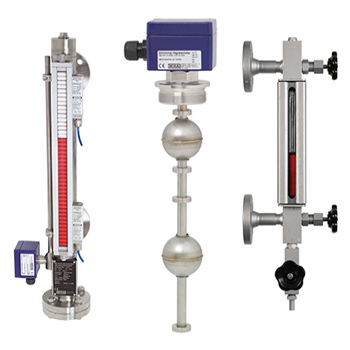
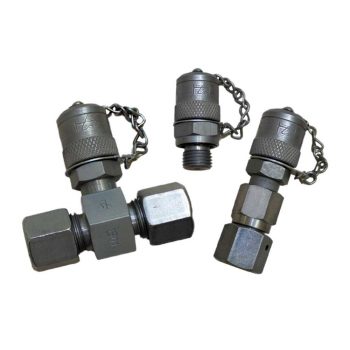
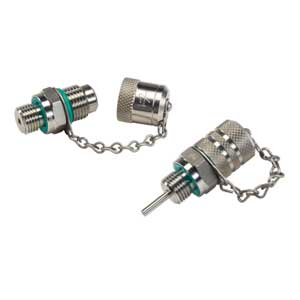
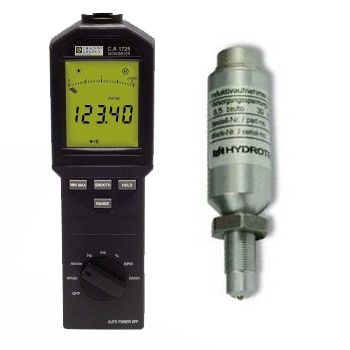
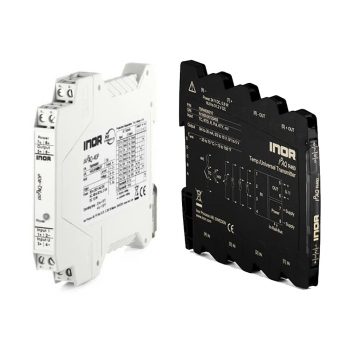
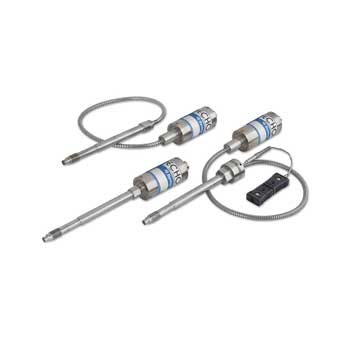
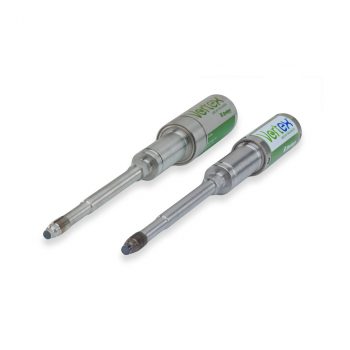
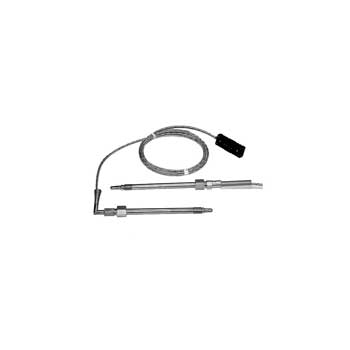
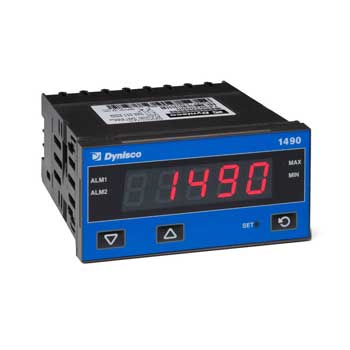
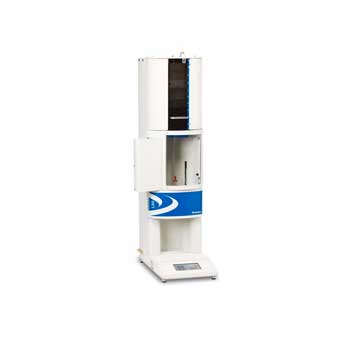
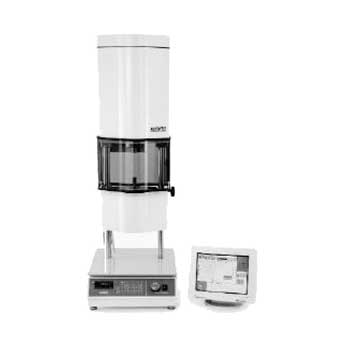
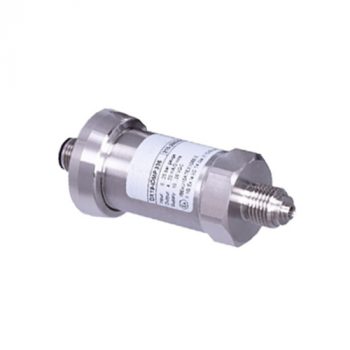
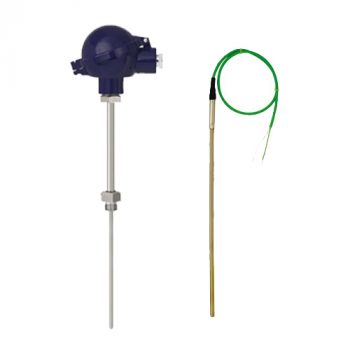
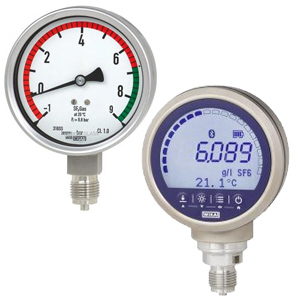
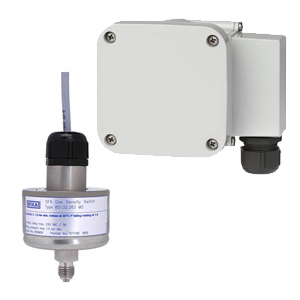
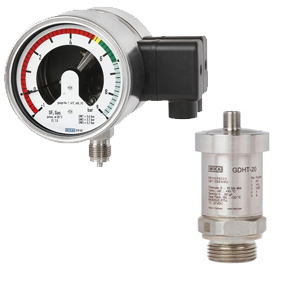
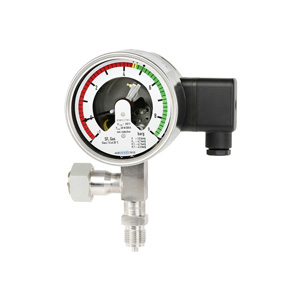























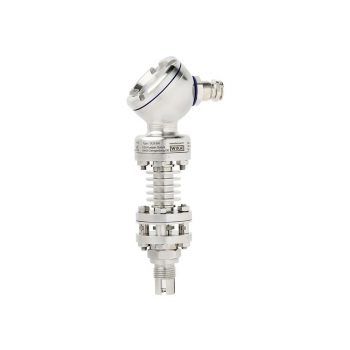
• Temperature ranges from -269 ... +400 °C [-452 ... +752 °F]
  • Versions for pressure ranges from vacuum to 500 bar [7,252 psi]
  • Special versions: High pressure, interface measurement
  • Explosion-protected versions
  • Signal processing is made using a separate model OSA-SC switching amplifier
Datasheet

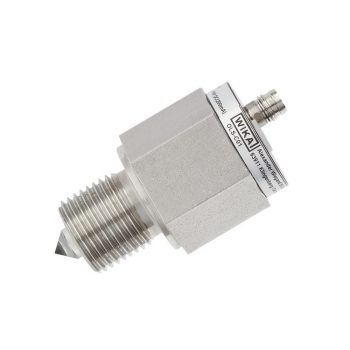
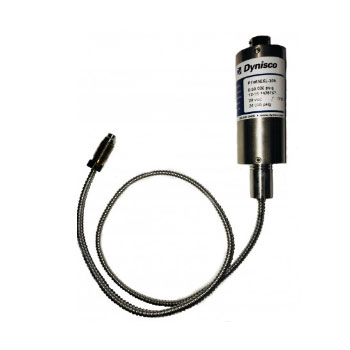
  • Resistant to vibration and shocks
  • High reliability
  • Operable up to 130 °C and 25 bar
  • Approved per DNV GL
Datasheet

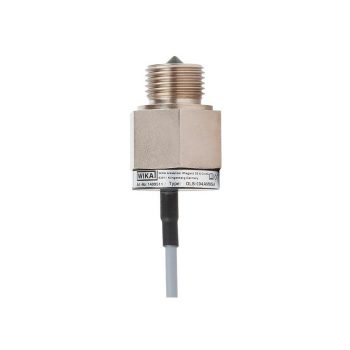
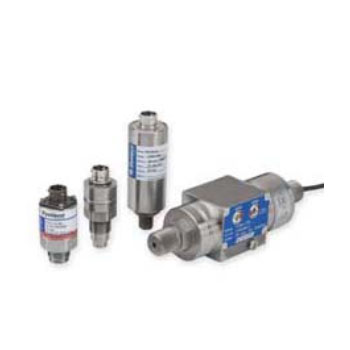
  • Compact design, no moving components
  • Mounting position as required
  • Accuracy ±2 mm
  • Visual indication of the switching status
  • Choice of electrical connections: PUR, PVC cable or circular connector M8 x 1
Datasheet
User Manual

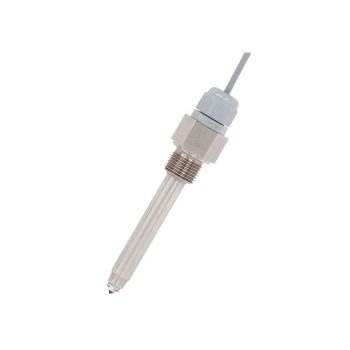
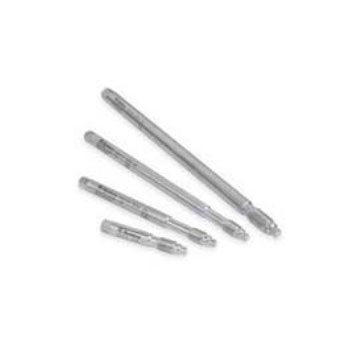
  • Selectable switch length from 65 mm to 1,500 mm
  • No moving components
  • Mounting position as required
  • Accuracy ±2 mm
  • Choice of electrical connections: PUR, PVC cable, circular connector M12 or angular connector EN 175301-803 A
Datasheet
User Manual

  • Application with refrigerants
  • Mounting position as required
  • Accuracy ±2 mm
  • Visual indication of the switching status
  • Choice of electrical connections: PUR, PVC cable or circular connector M8
Datasheet
User Manual

  • Einsatz bei Temperaturen bis +170 °C [+338 °F]
  • Einbaulage beliebig
  • Genauigkeit ±2 mm
  • Auswahl elektrischer Anschlüsse: PUR-, PVC-Kabel, Rundstecker M12 x 1 oder Winkelstecker EN 175301-803 A
Datenblatt
Bedienungsanleitung

  • Compact design, no moving components
  • Temperature ranges from -30 … +135 °C
  • Versions for pressure ranges from vacuum to 50 bar
  • Mounting position as required
  • Visual indication of the switching status
Datasheet
User Manual

  • Application at medium temperatures up to +135 °C
  • Mounting position as required
  • Accuracy ±2 mm
  • Explosion-protected version Ex i
Datasheet

  • Autoclavable
  • Compact design
  • No moving components
  • Mounting position as required
  • Accuracy ±2 mm
User Manual

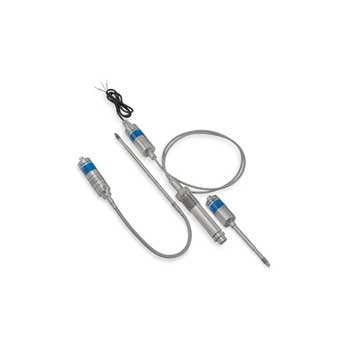
  • Temperature ranges from -269 … +400 °C
  • Versions for pressure ranges from vacuum to 500 bar
  • Special versions: High pressure, interface measurement
  • Signal processing is made using a separate model OSA-S switching amplifier
Datasheet
Datasheet


Optoelectronic Level Switches – compact, fast, reliable

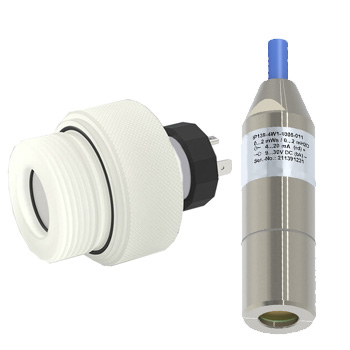
Optoelectronic point level switches from WIKA / KSR Kuebler reliably detect min/max levels in liquids using refraction/total internal reflection at a glass or sapphire tip. They are compact, wear-free, work with clear to mildly turbid media, and are independent of conductivity and dielectric constant.

Depending on the model: 316L stainless steel or high-performance alloys, process connections G/NPT, clamp/Varivent, flange; pressure up to industrial PN/ANSI ranges; temperatures from cryogenic to high temperature; outputs PNP/NPN, relay/Namur, IO-Link; options for ATEX/IECEx, SIL, IP67–IP69K, and hygienic design.

ICS Schneider Messtechnik supports media assessment, mounting location, switch logic, certifications, and integration into PLC/SCADA/IIoT.


FAQ on Optoelectronic Level Switches

Answers on operating principle, media suitability, installation, hygiene/ATEX/SIL, outputs, setup and best practices.

How does the optoelectronic switching principle work?

An infrared LED couples light into a prismatic tip. In air, total internal reflection occurs → high return signal at the receiver. When the tip is immersed, the refractive index changes → light exits the tip, the return signal drops and the switch changes state.

Which liquids are suitable?

Clear to moderately turbid liquids such as water, oils, solvents, fuels, hydraulics, and many hygienic/process media. Very heavy turbidity or build-up may require cleaning, rinsing, or an alternative principle (e.g., vibrating fork).

Is the measurement dependent on conductivity or εr?

No. It is conductivity independent and does not require a minimum εr. The key factors are refractive index and optical clarity near the tip.

Which process connections are available?

TypeExamplesUse case
ThreadedG 1/4, G 1/2, 1/4"–1/2" NPTGeneral plant engineering
HygienicClamp, Varivent, dairyFood & pharma (CIP/SIP)
FlangePN/ANSIHigher pressure/temperature, special geometries

Which wetted materials and tips are offered?

  • 316L/1.4404 for broad compatibility and hygiene
  • Hastelloy®/titanium for aggressive media/seawater
  • Borosilicate or sapphire tips—sapphire is highly scratch- and heat-resistant
  • Seals: EPDM/FKM/PTFE/FFKM depending on medium/temperature

How do I choose mounting position and orientation?

Install in a calm zone, away from inlets/agitators. Mount the tip horizontally or slightly downward to avoid air pockets. For overhead mounting, use versions designed to resist condensation.

What is the impact of foam, bubbles and condensation?

Dense foam or air bubbles can influence the signal. Remedies: add on/off delays, use a stilling tube, select anti-condensation optics, and plan for cleaning/rinsing if needed.

What pressure and temperature ranges are possible?

Model-dependent from cryogenic to high temperature, with pressures up to PN/ANSI ratings. Always refer to the specific datasheet for limits.

Which electrical outputs are supported?

PNP/NPN, relay, Namur (Ex i) and IO-Link for parameterization/diagnostics. Many models include status LEDs and EMC-hardened electronics.

How do I configure Min/Max and fail-safe?

Via switch logic (NO/NC), de-energized-safe behavior for min or max protection, and configurable delays to suppress turbulence-induced chatter.

What matters in hygienic applications?

Flush, crevice-free optics, clamp/Varivent connections, 316L, polished surfaces, FDA/EU 1935/2004-compliant seals, CIP/SIP resistance; provide material and conformity certificates.

Are ATEX/IECEx and SIL versions available?

Yes—many models are available as Ex i/Ex d and with SIL ratings. In hazardous areas, use proper isolators/barriers and document proof-test intervals.

How fast and repeatable is the switching?

Very fast (typically <100 ms) with high repeatability. Enable hysteresis/delay for wavy surfaces.

What IP ratings are typical?

Depending on the model IP67–IP69K. For washdown areas use hygienic M12 connectors and glands with strain relief.

How is the electrical connection made?

Via M12/circular connectors or terminal boxes. Follow EMC best practice (shielding, bonding); connect Namur versions to an Ex-i isolator.

Can the device self-monitor for faults?

Many units feature self-diagnostics (open/short circuit, contamination alert, temperature limits) and signal fault states via IO-Link/Namur/HART status.

Which cleaning concepts are recommended?

Flush tips simplify CIP/SIP. If build-up occurs, plan wiper/rinse nozzles; ensure chemical compatibility of cleaners with glass and seals; avoid hard tools.

How should I set delays and hysteresis?

Typical 0.1–2 s on/off delay effectively suppresses waves and foam. In PLCs, add debounce filters or majority voting if needed.

What are common pitfalls and fixes?

  • Air pocket in front of the tip → change orientation, vent the spot
  • Heavy turbidity/build-up → add cleaning/rinsing, consider alternative principle
  • Condensation on optics → use condensation-resistant design, heater or tilt
  • EMC coupling → shielded wiring, proper grounding

Which documents and certificates can be supplied?

EN 10204 3.1 material certificates, calibration/functional records, Ex approvals, hygiene/conformity documents, and FAT on request.

Do you support selection and commissioning?

Yes—we evaluate medium/mounting, define logic & delays, select materials/seals, provide certificates and integrate the device into PLC/SCADA/IIoT.

Diese Website benutzt Cookies. Wenn du die Website weiter nutzt, gehen wir von deinem Einverständnis aus.